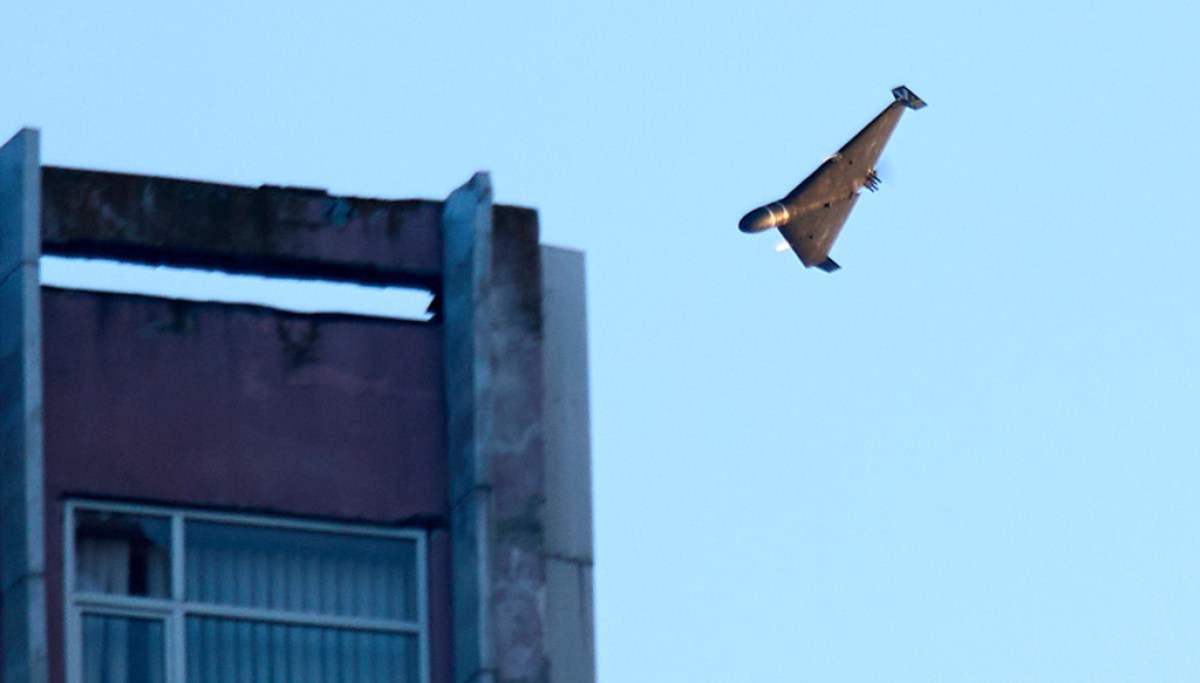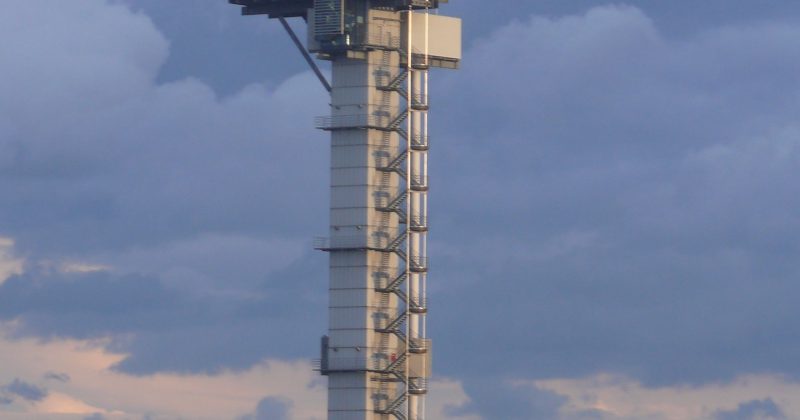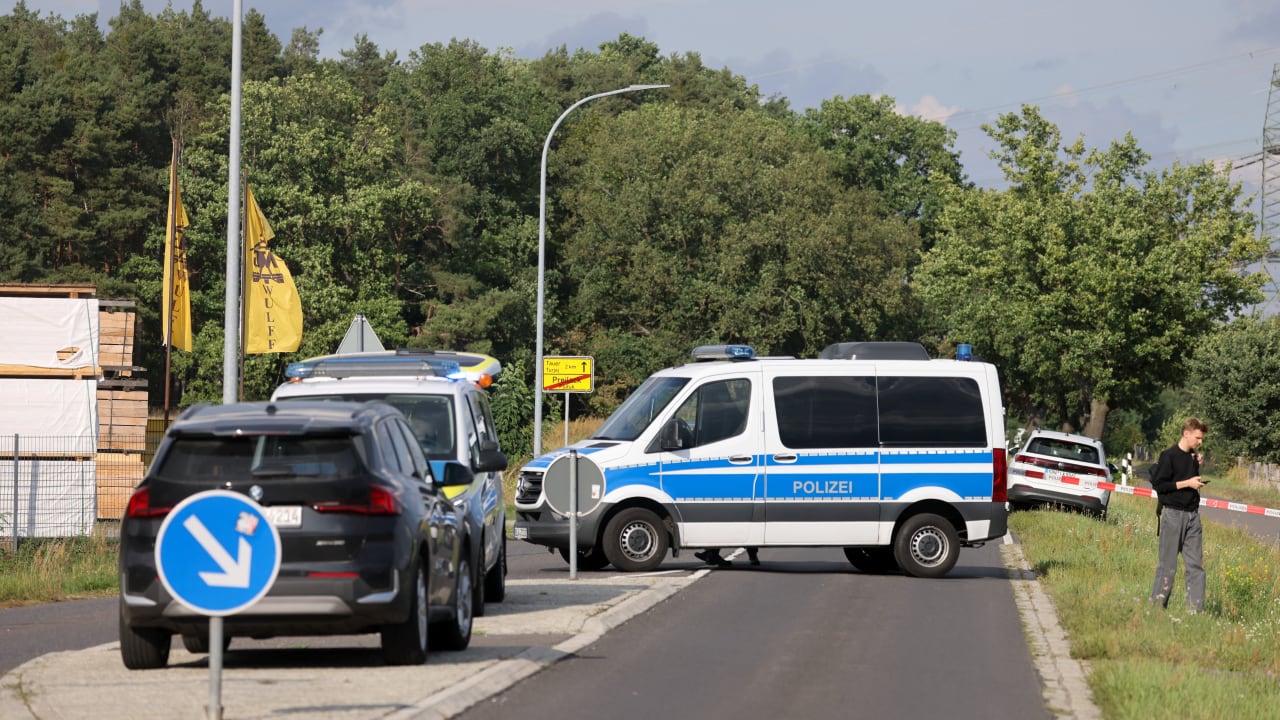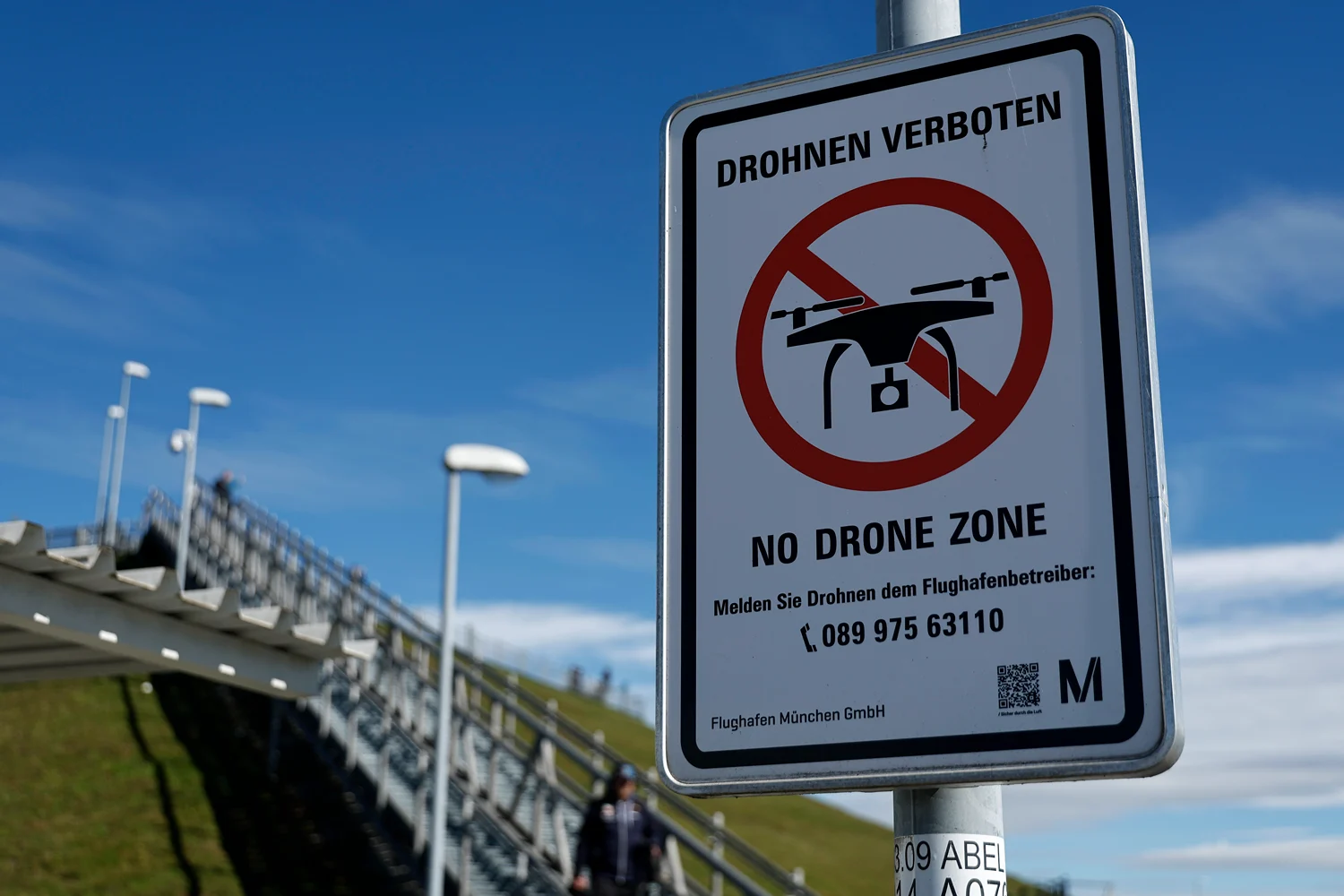
Identifying state sponsors of gray-zone acts is extremely difficult—by design. But if a targeted country manages to identify the state sponsor of an attack against it, should it make its identity known? Earlier this month, Germany announced that Russia was behind the incident at Leipzig/Halle Airport in which a suspicious drone was identified, thankfully before it could do damage. Berlin’s announcement was a brave decision, because attribution, particularly involving bellicose nations such as Russia, brings the risk of escalation. But with gray-zone acts proliferating in number and variety, this is a decision targeted country should be ready to make.
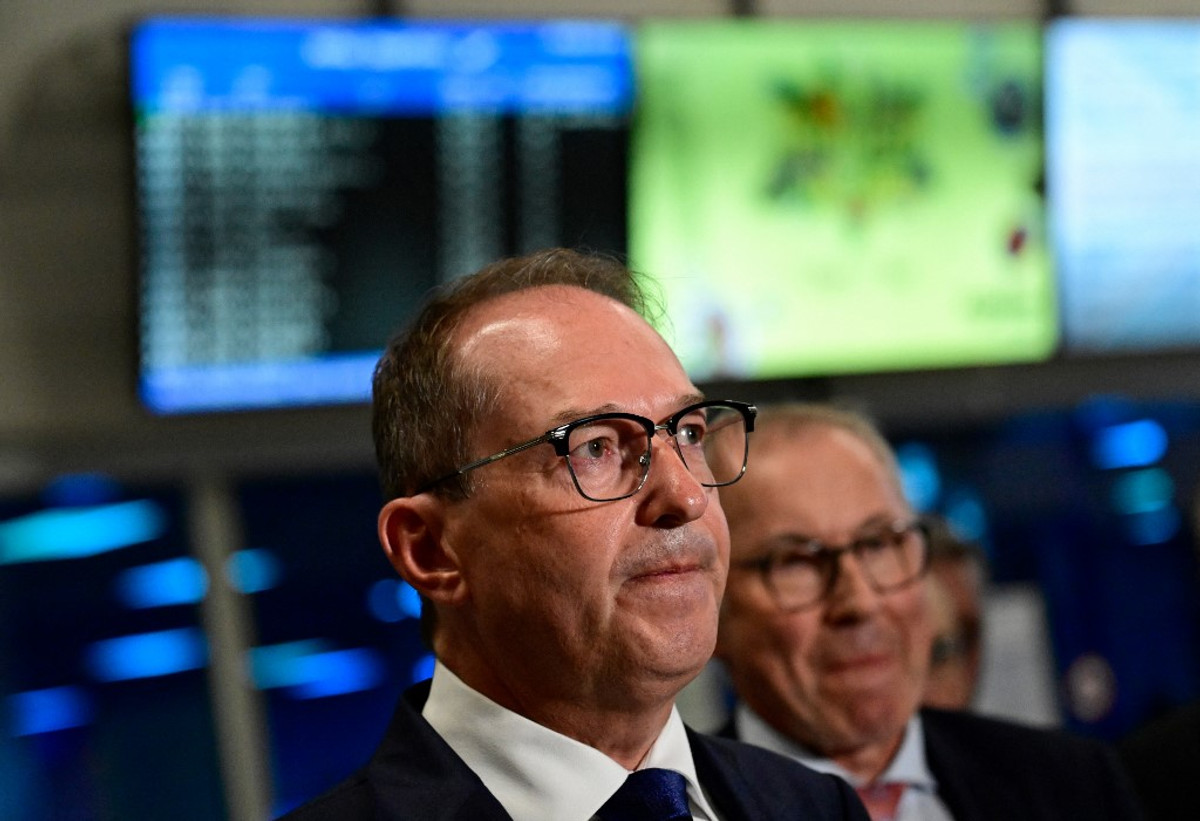
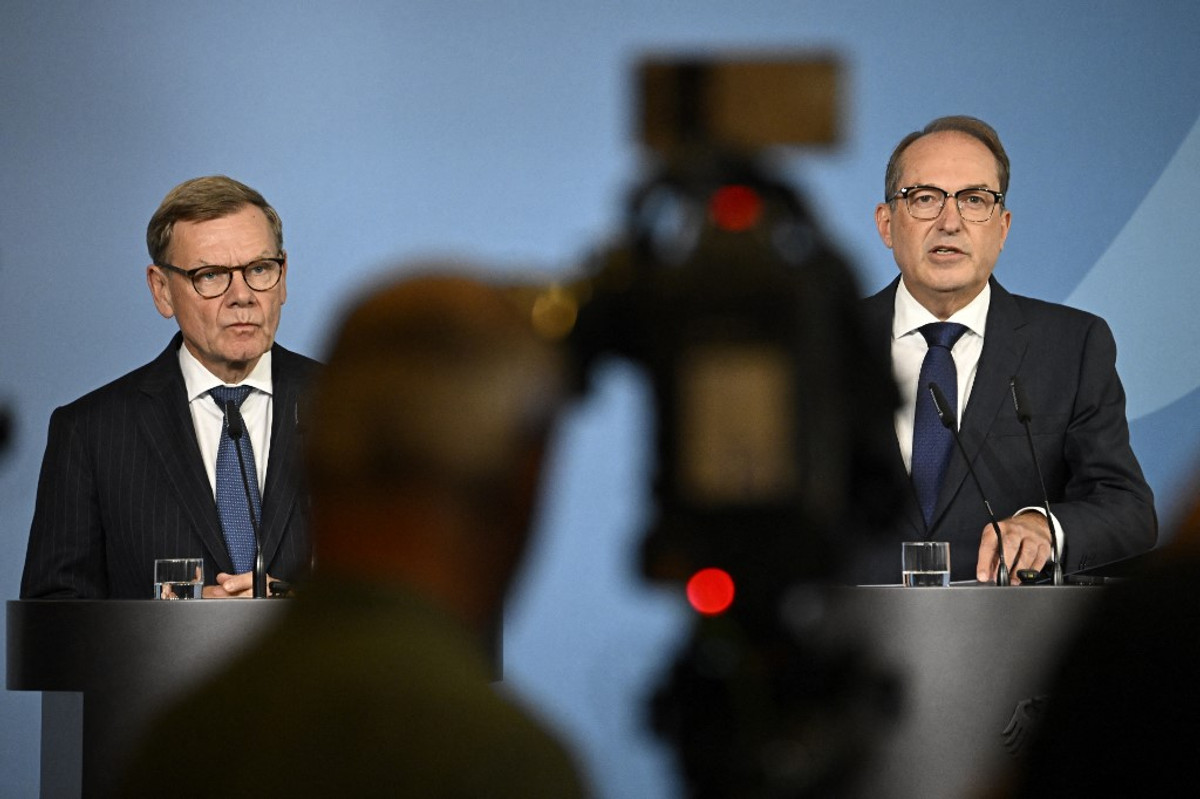
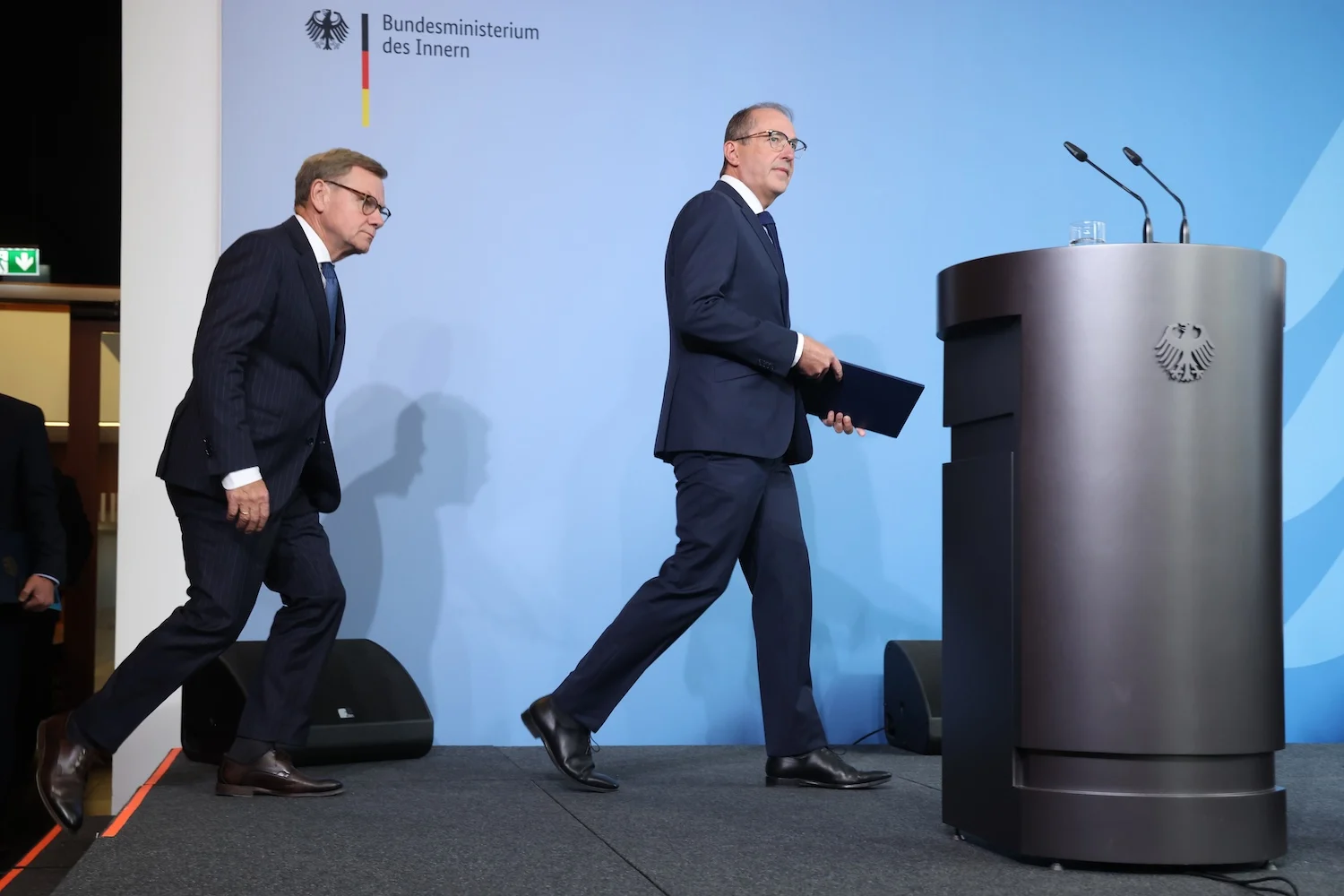
On Sept. 1, German Interior Minister Alexander Dobrindt and Foreign Minister Johann Wadephul walked up to a podium in Berlin in front of a crowd of journalists.
Identifying state sponsors of gray-zone acts is extremely difficult—by design. But if a targeted country manages to identify the state sponsor of an attack against it, should it make its identity known? Earlier this month, Germany announced that Russia was behind the incident at Leipzig/Halle Airport in which a suspicious drone was identified, thankfully before it could do damage. Berlin’s announcement was a brave decision, because attribution, particularly involving bellicose nations such as Russia, brings the risk of escalation. But with gray-zone acts proliferating in number and variety, this is a decision targeted country should be ready to make.