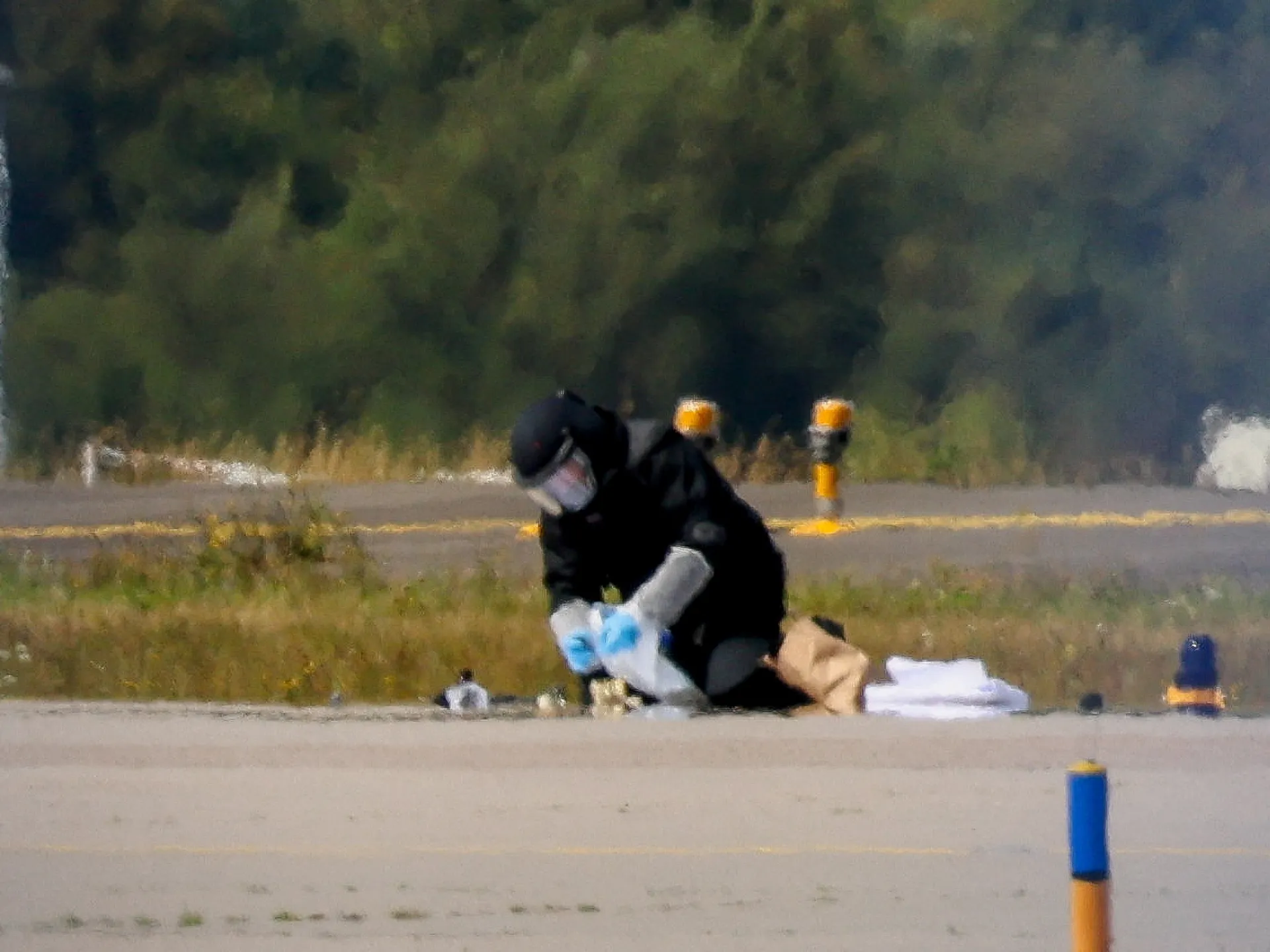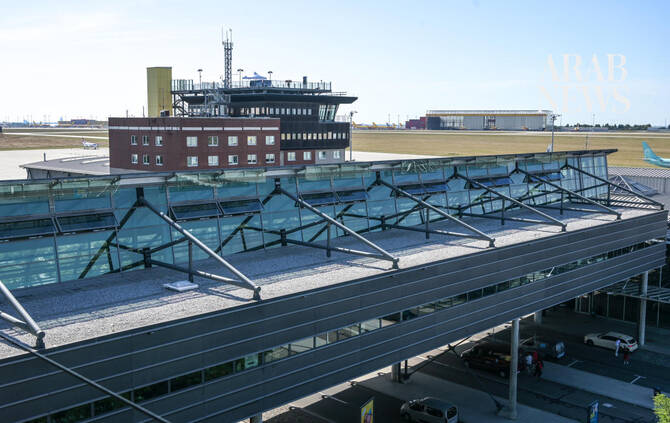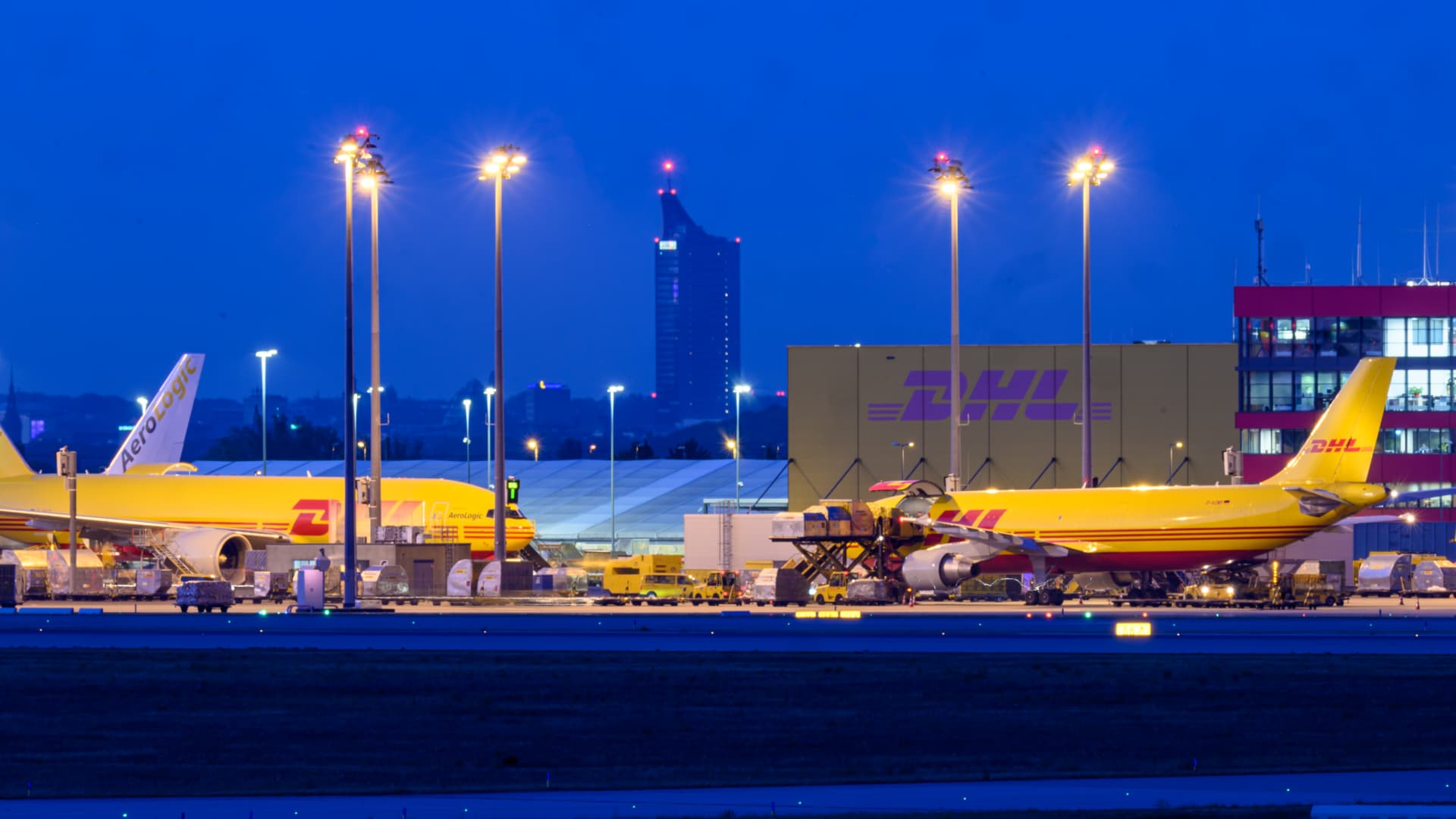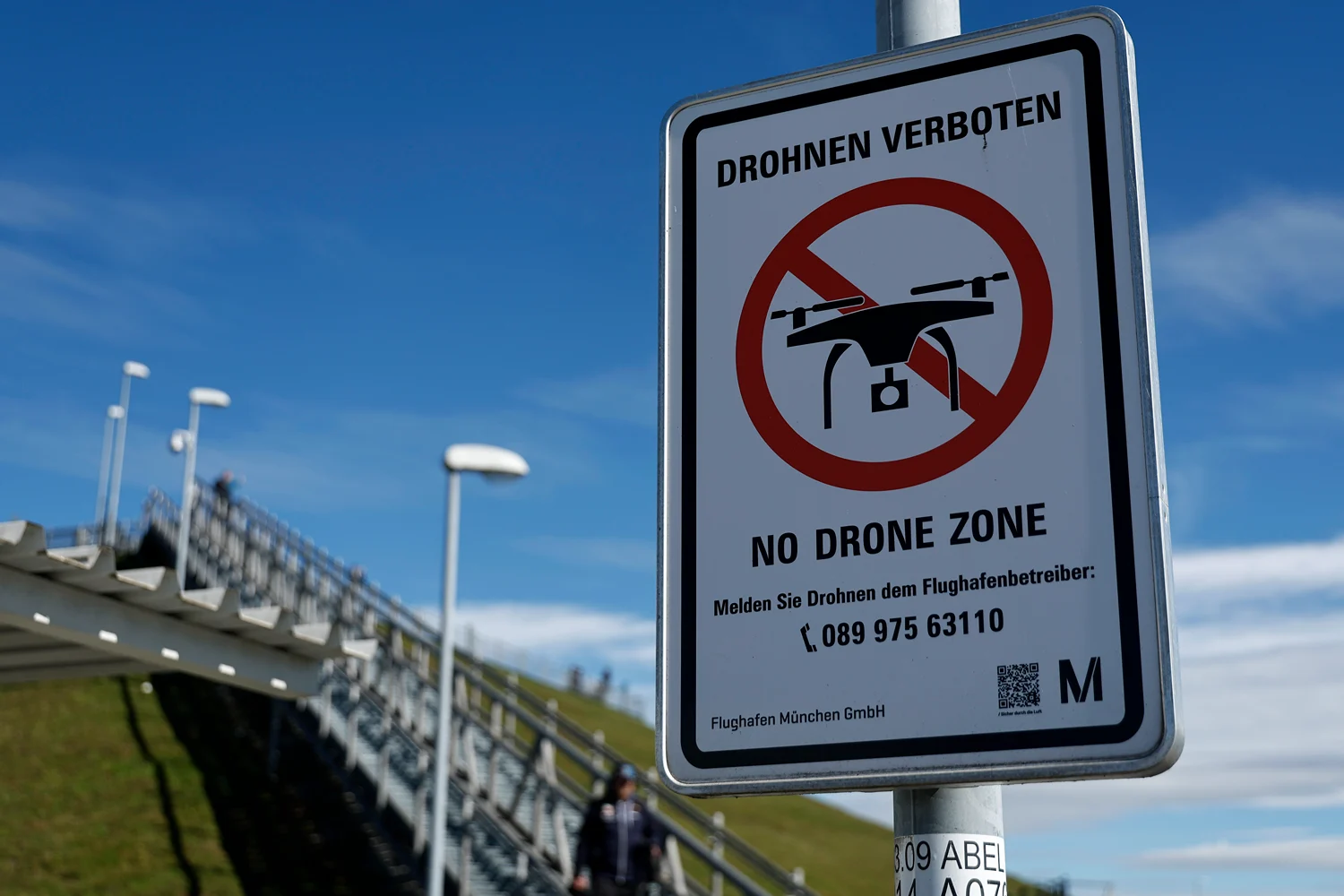
A sophisticated drone discovered inside a German airport. An aircraft colliding with a mysterious object near the same airport. Interference in upcoming state elections. Foreign agents scoping out a little-known defense CEO.
Germany has been the target of a wide range of mysterious activities over the last couple of months—the type that analysts usually label as “gray-zone” (my preferred term) or “hybrid” warfare. Hybrid threats, in Frank Hoffmann’s classic definition, “incorporate a full range of different modes of warfare including conventional capabilities, irregular tactics and formations, terrorist acts including indiscriminate violence and coercion, and criminal disorder.”
A sophisticated drone discovered inside a German airport. An aircraft colliding with a mysterious object near the same airport. Interference in upcoming state elections. Foreign agents scoping out a little-known defense CEO.
Germany has been the target of a wide range of mysterious activities over the last couple of months—the type that analysts usually label as “gray-zone” (my preferred term) or “hybrid” warfare. Hybrid threats, in Frank Hoffmann’s classic definition, “incorporate a full range of different modes of warfare including conventional capabilities, irregular tactics and formations, terrorist acts including indiscriminate violence and coercion, and criminal disorder.”