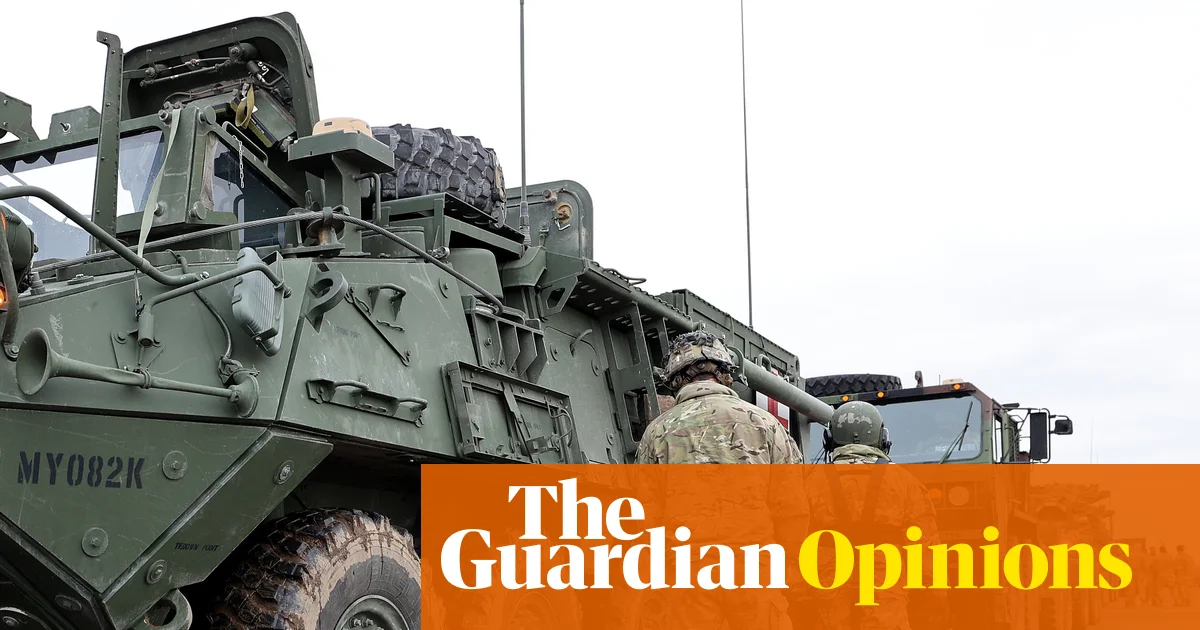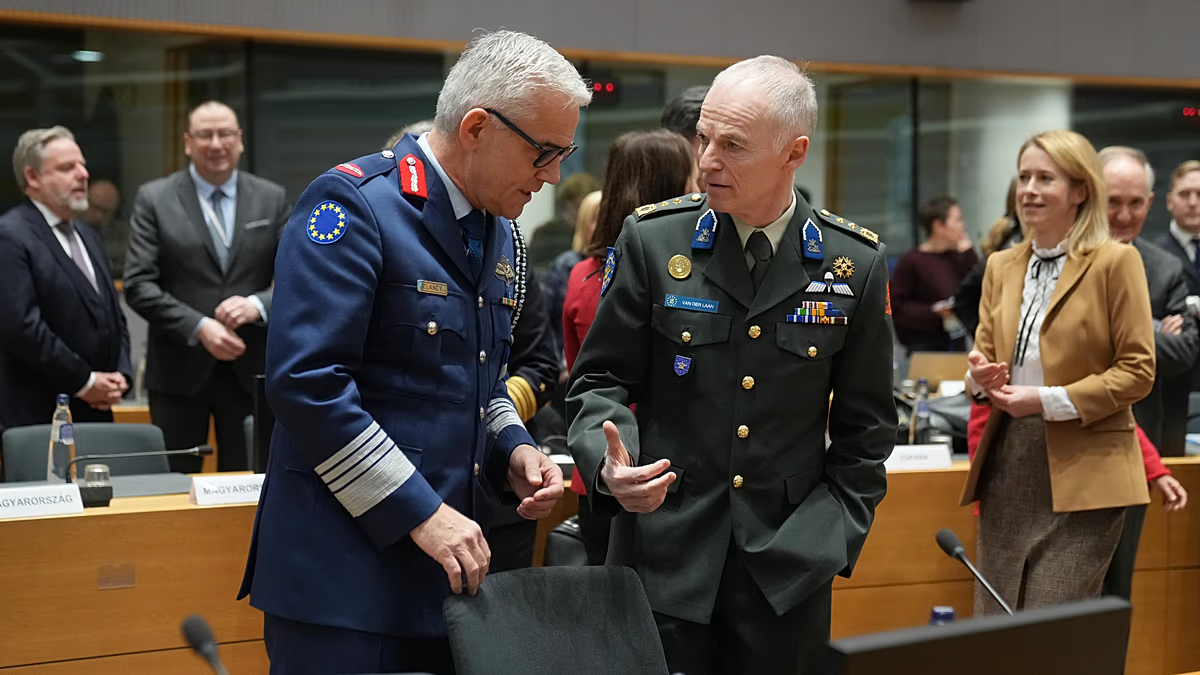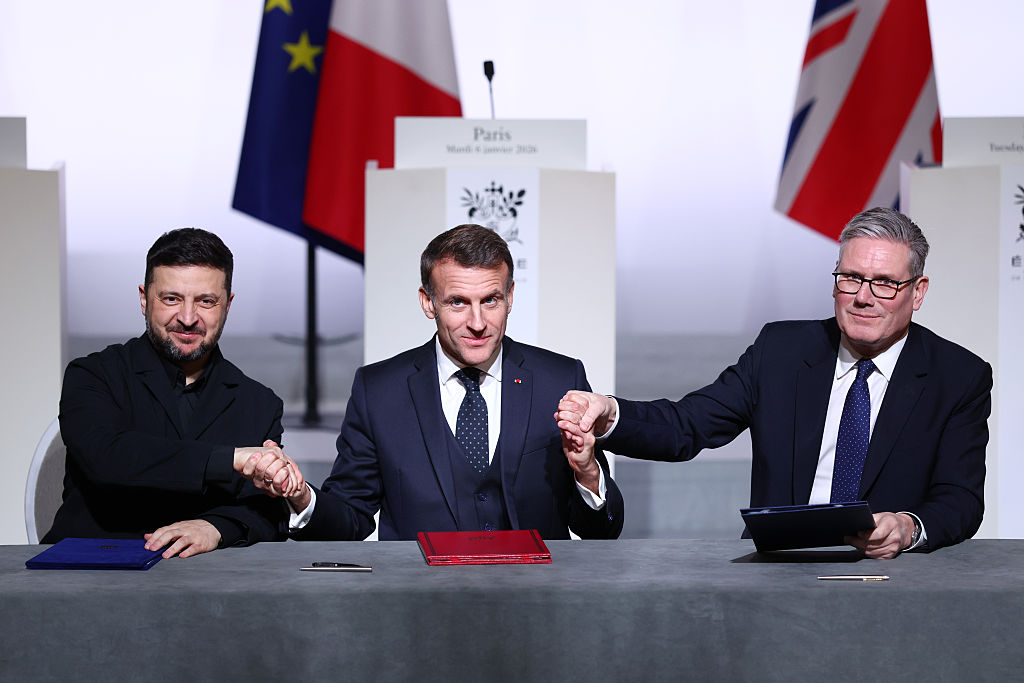
The European continent is once again caught between two global powers, namely the U.S. and the Russian Federation. The continent has lost its productivity, become significantly weakened militarily, fallen behind in state-of-the-art technologies, and become dependent on various global powers in many issue areas. For this reason, Europe has for some time been trying to increase its strategic autonomy in international politics and extricate itself from the impasse in which it finds itself.
European countries seek to achieve a balance between the U.S. and rising global powers such as China. However, they have not succeeded in these policies due to their heavy reliance on the U.S., particularly in the face of a vital threat emanating from other powers such as Russia. Since the outbreak of the war in Ukraine, the issue causing the greatest concern among European states is the threat they perceive from Russia. Europeans fear that Russia might attack a European state at any moment. This is the reason why European states are sending such large amounts of aid to Ukraine; thus, they think that they will be able to keep Russia away from Europe.
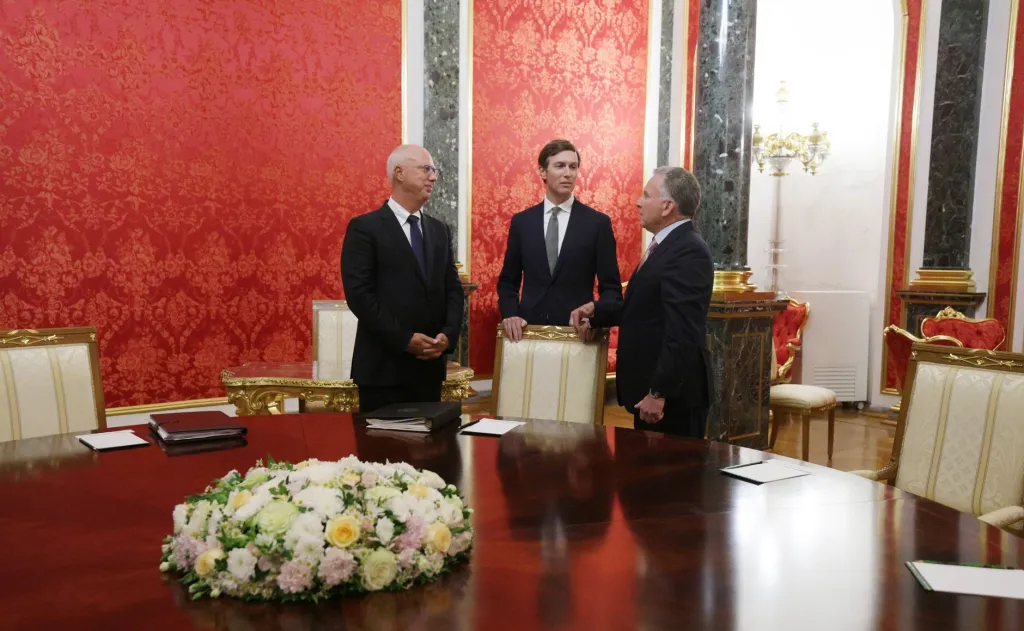
The Ukrainian war has revealed one of the most vital threats facing European countries: remaining between the U.S. and Russia. After losing ground, European countries found themselves encircled, ineffective and largely dependent. Especially with the second Trump term, the U.S. has begun to turn into a threat to Europe as well. U.S. President Donald Trump’s intention to take over Danish-owned Greenland, his insistence that Europeans must provide for their own security, and most recently, his questioning of the U.K.’s sovereignty over the Falkland Islands are all sources of serious concern and tension in Europe. In particular, the growing rapprochement between the two major military powers, the U.S. and Russia, on either side of the European continent is causing Europe increasing unease.