Europe must project absolute strength and recognise that it holds a veto on any 'big deal' between the US and Russia
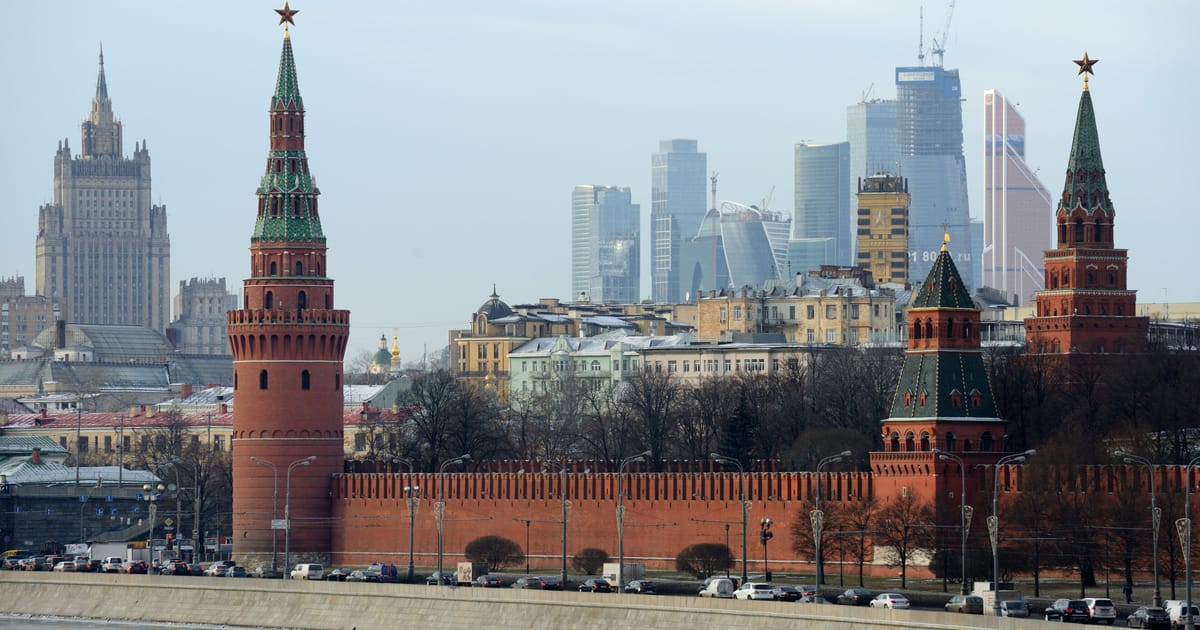
The EU has moved to make contact with the Kremlin as new momentum builds toward peace talks with Russia.
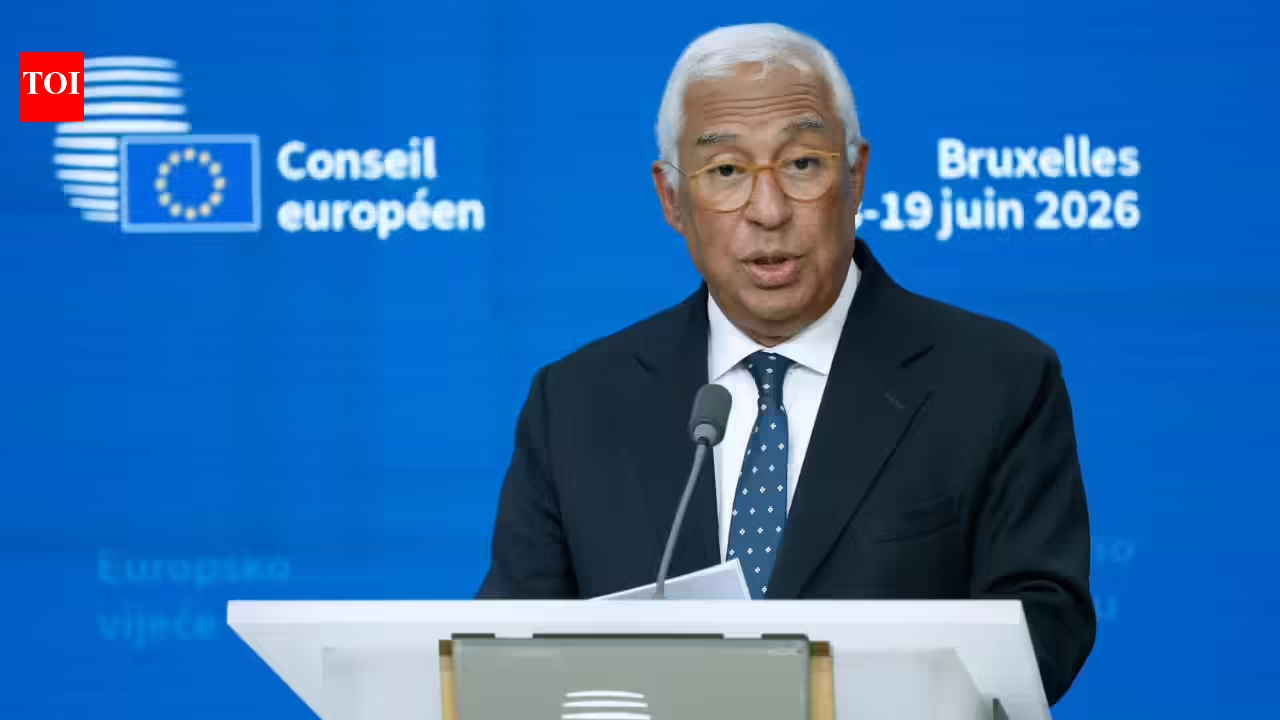
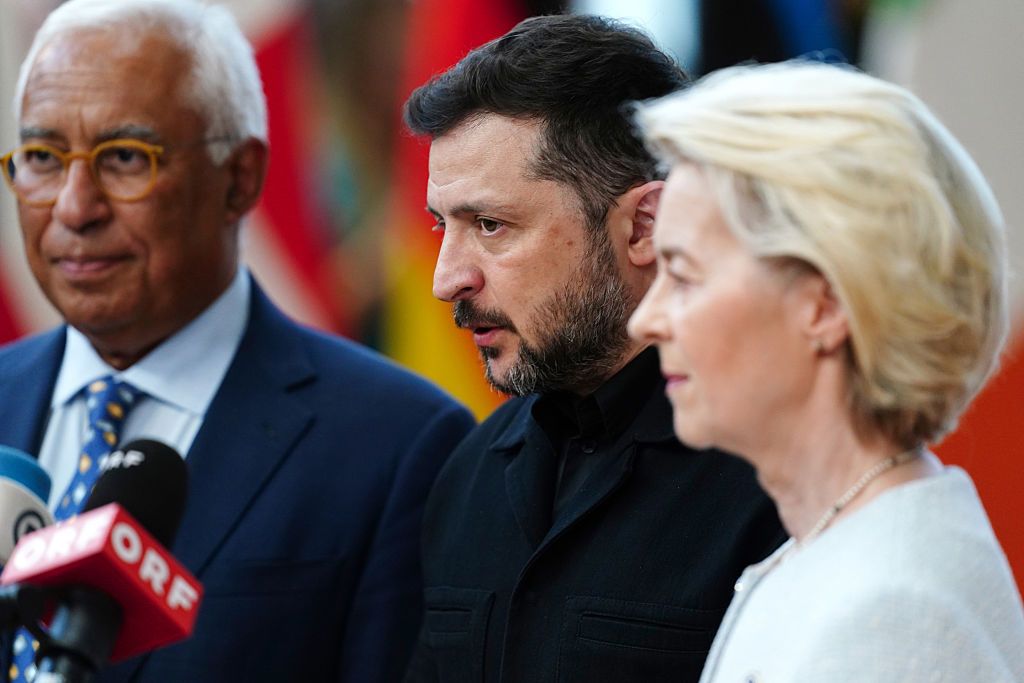
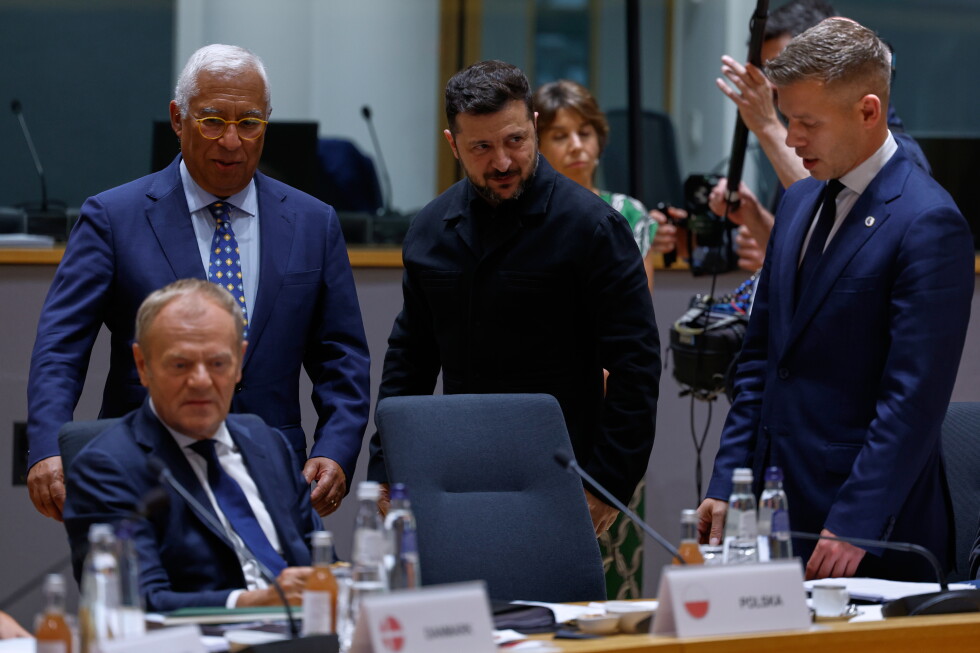
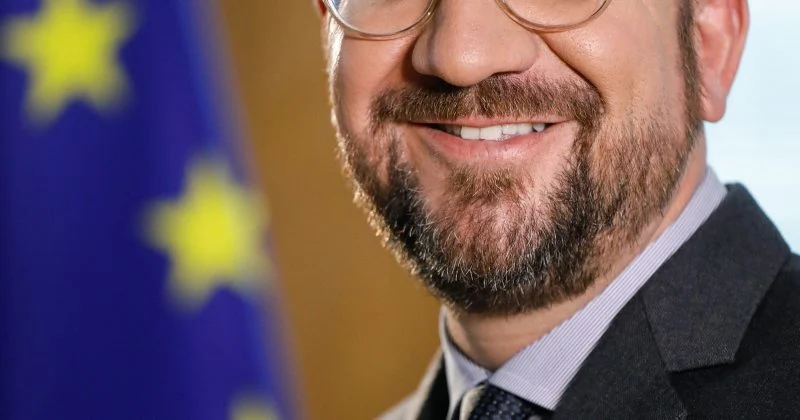
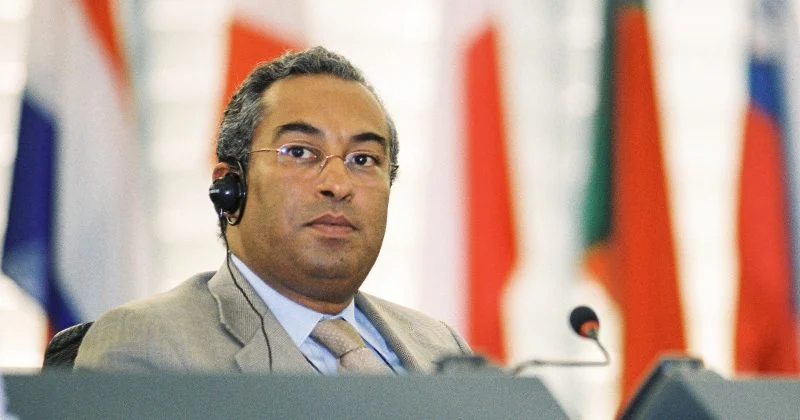
Council President Antonio Costa’s move to reach out to the Russians reflects a familiar anxiety gripping European capitals. Driven by the fear that Washington and Moscow might strike a deal over European heads, the continent is advocating for direct dialogue with Russia.
The logic is defensive: if Europe does not secure its own seat at the table, its fundamental security interests will be bartered away in its absence. Opening formal dialogue with the Kremlin while its brutal aggression against Ukraine remains ongoing can only happen if Europe has a unified strategy and credible leverage. Otherwise, it risks emboldening Russia, validating its aggression, and yielding no tangible dividends for European security.
To start with, European policymakers must discard their mirror-imaging of diplomatic intent. In Western political culture, there is an inherent belief in dialogue’s intrinsic value. Russians do not share this paradigm. Moscow does not talk for the sake of talking, nor does it view dialogue as a bridge-building exercise. When Russia talks about Ukraine, it does so to threaten, issue ultimatums, and notify that stated threats are becoming reality.