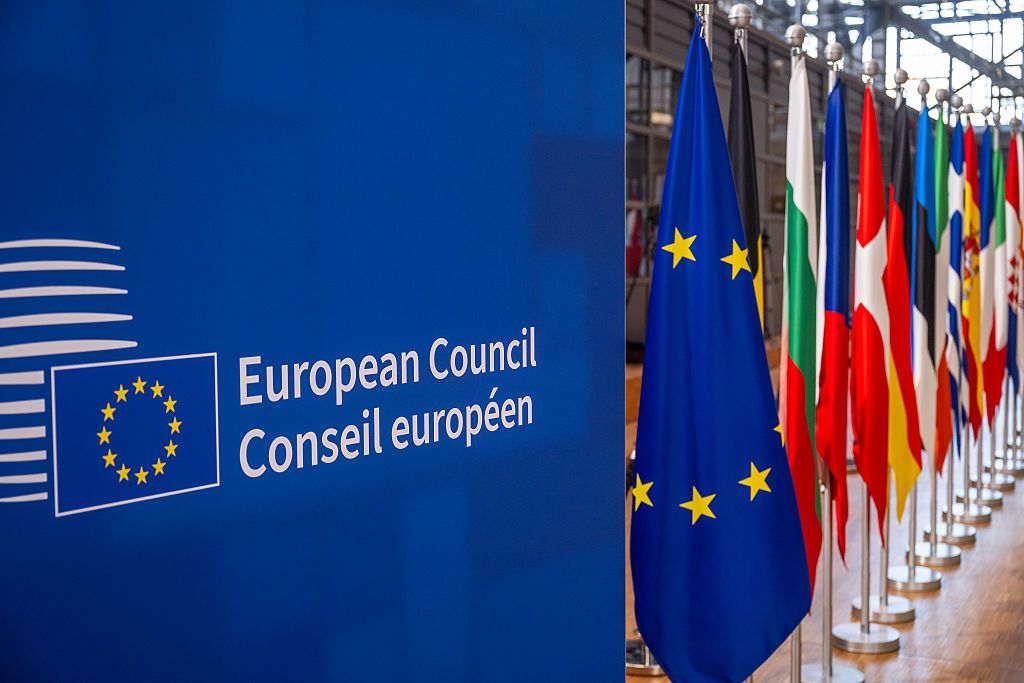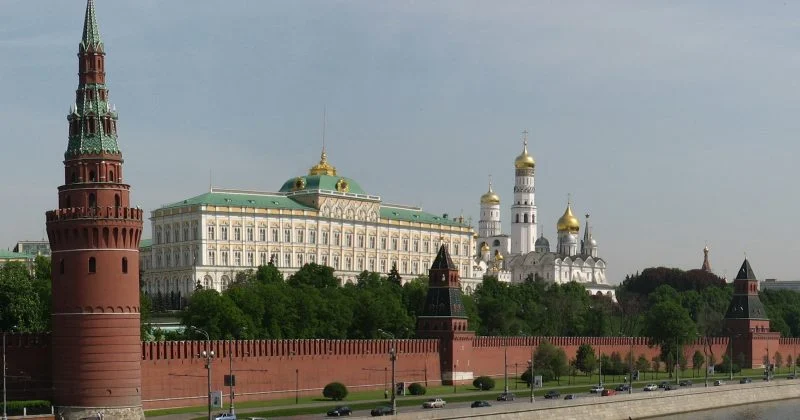
The European Union just did something it has spent years carefully avoiding. It picked up the phone and called Moscow.
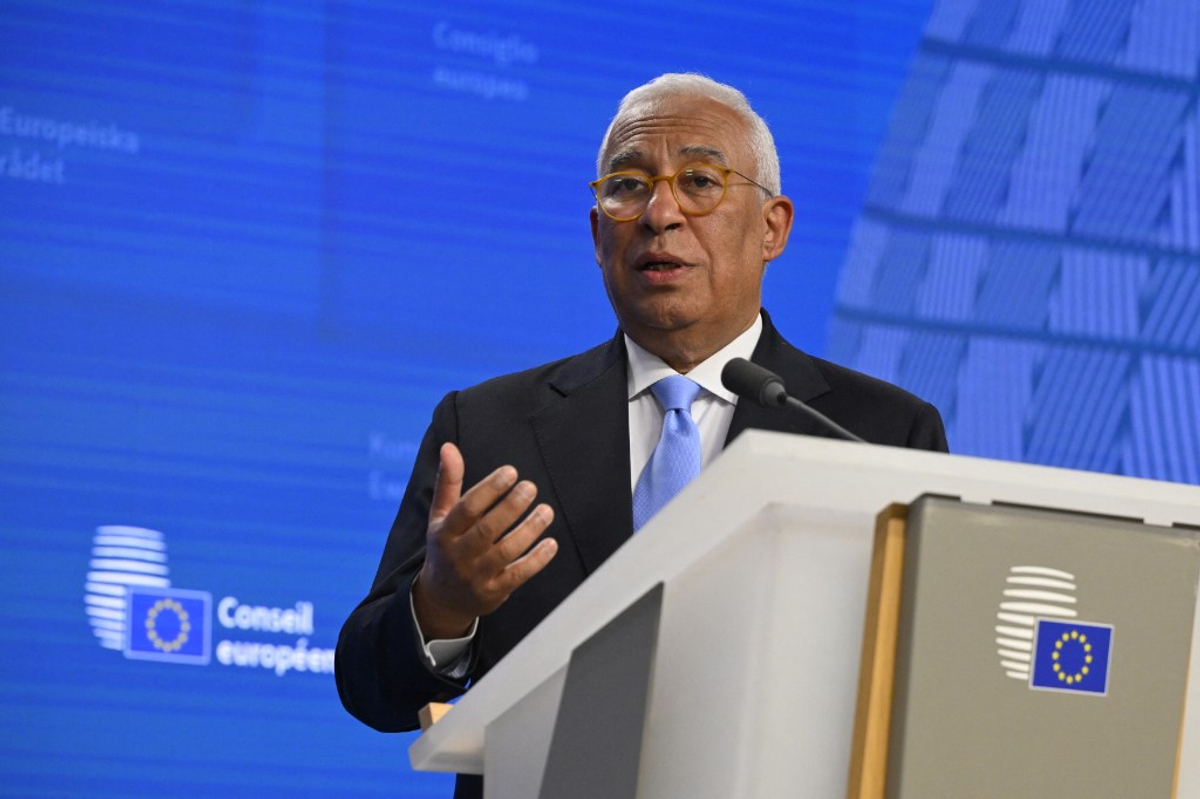
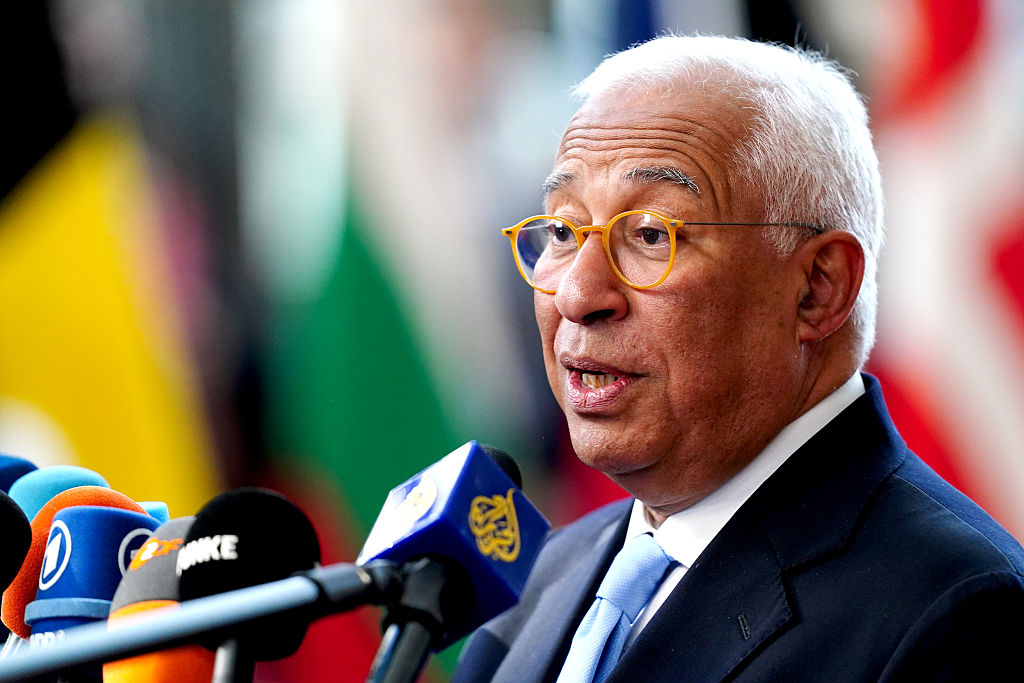
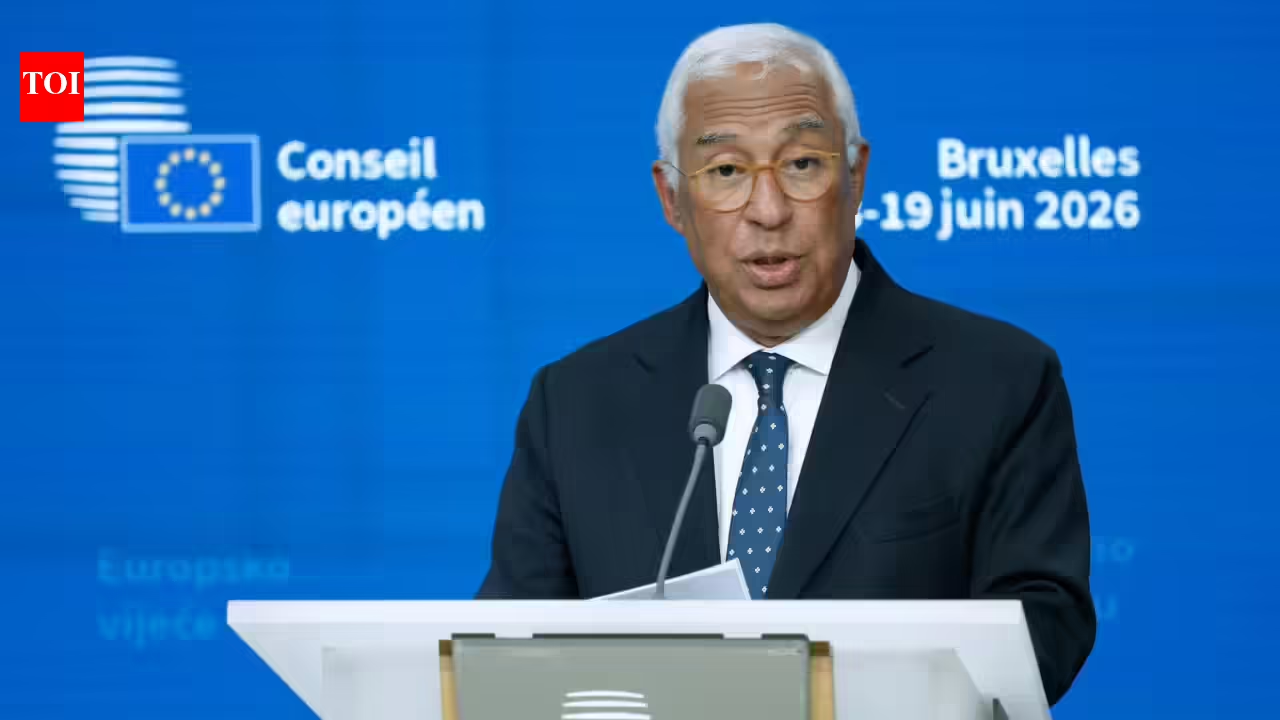
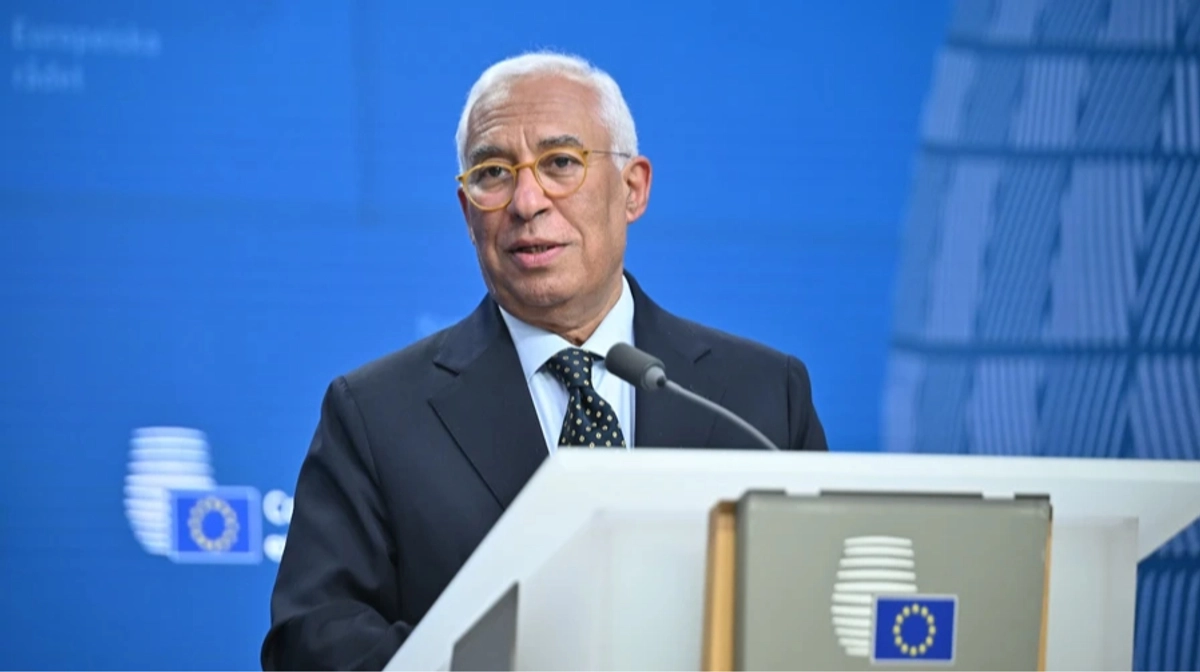
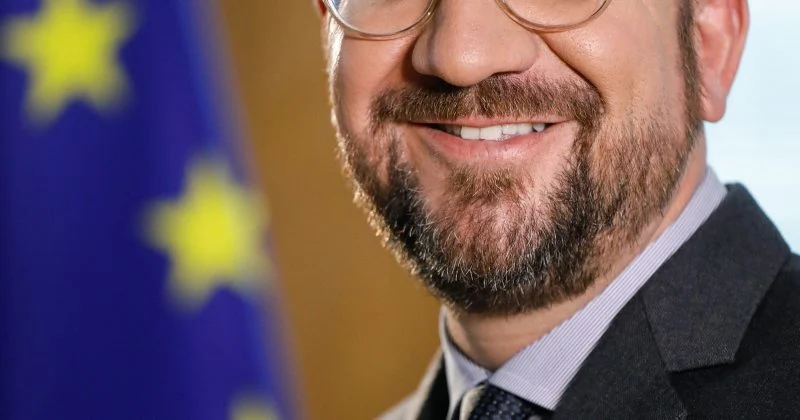
European Council President António Costa has initiated direct contact with the Kremlin to discuss potential talks with Vladimir Putin over the war in Ukraine. The outreach, which surfaced on June 17, 2026, marks one of the most significant shifts in European diplomatic posture since Russia’s full-scale invasion began more than four years ago.
Why Brussels is making the call now
EU foreign ministers met in May 2026 to assess whether direct engagement with Russia was feasible. By early June, officials had identified what they described as a “window for dialogue.”
Costa’s outreach is the tangible result of those conversations. It represents a bet that Europe, which shares the continent with both warring parties and bears the heaviest economic consequences of the conflict, should have a seat at any negotiating table rather than watching from the hallway.