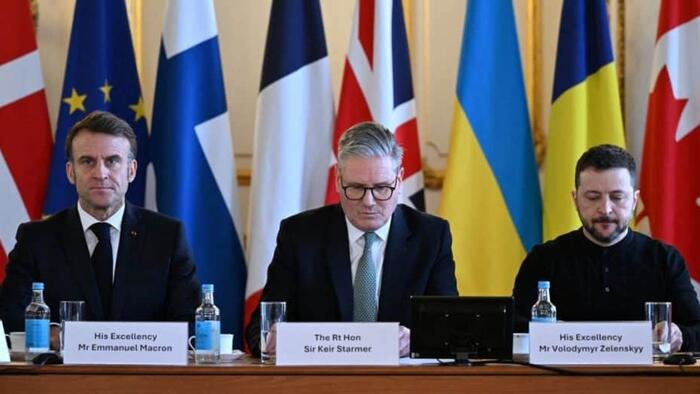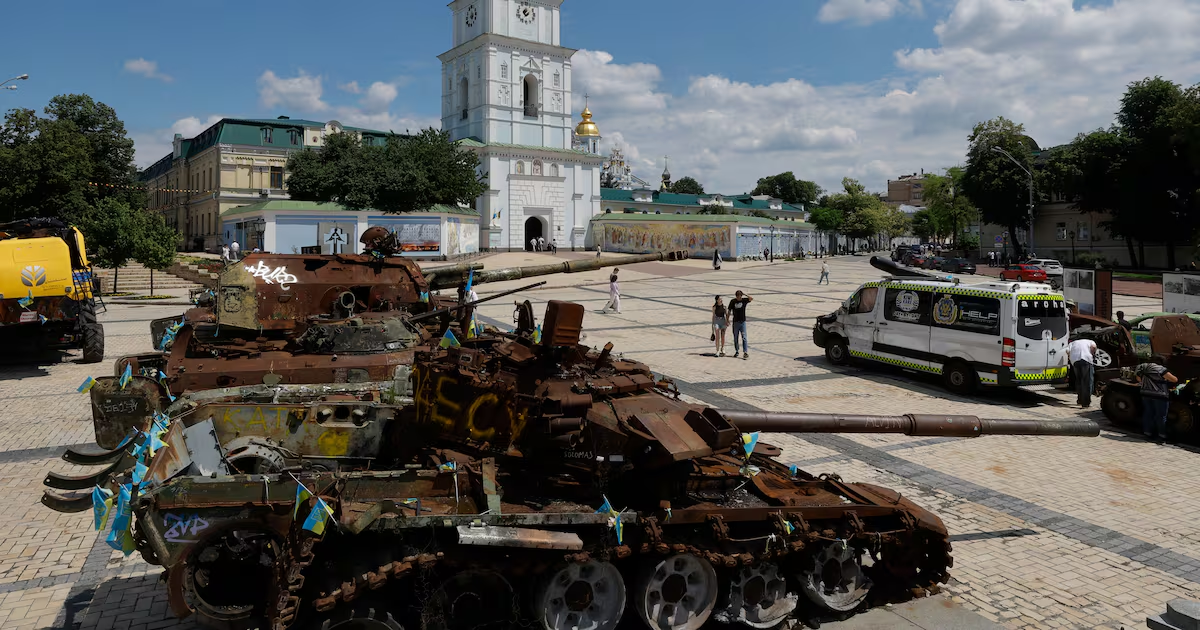
Proposals that European states and the European Union should negotiate directly with the Russian Federation on ending the Ukraine war are overdue. Although there are still big disagreements on tactics and strategy, these ideas recognise Europe’s significant interest in a peace deal amid the growing diplomatic vacuum arising from the US-Israeli war on Iran. Europe was marginalised by the Donald Trump administration’s dealings with Russia since last year, despite now providing most military assistance to Ukraine, alongside crucial continuing US intelligence and co-ordination. Support for Ukraine against Russia’s illegal invasion remains firm but finite and uneven in Europe. It is strongest among neighbouring states with the most experience and knowledge of Russian imperial power; but their belief in the need for continuing war to ensure military victory over Russia and potential regime change there no longer holds as much sway. Nor does the taboo on direct talks. Rather a more pragmatic narrative about the merits of direct diplomacy has come through these rapidly shifting military and political circumstances.Ukraine’s strong resistance to Russian attacks using new drone technology is a key factor. So are Russian troop losses and the wider economic effects of the war, including inflation and elite divisions on whether to continue it. The EU’s release of €90 billion defence aid for Ukraine following Viktor Orbán’s defeat in the Hungarian elections matters too. Politically there has been much discussion of whether Russian president Vladimir Putin will be ready to negotiate with Europe when he has so much leverage with Trump. To suggest that his refusal to deal means Europeans should not prepare to talk is a juvenile product of the taboo culture that broke off all links with Russia after the 2022 invasion. Preparedness through back-channel diplomacy is part and parcel of mature statecraft, not capitulation to Russian interests. At play here also are US and Nato policies of regime change and Nato enlargement against a renewed yet supposedly primordial Russian imperial ambition irredeemably driving Putin.This maximalist perspective also informs the new ideology of war preparedness and capability in Germany – kriegstűchtig – promoted by the governing coalition. Propelled by anxiety about Russian assertiveness, US unreliability and Europe’s vulnerability, it involves investing €849 billion by 2030 in a big expansion of German military spending and civilian mobilisation. It requires convincing arguments for taxpayers and sceptical voters. A similar dynamic informs Nato intelligence estimates that Russia could attack Europe by 2030, an argument also being used by Keir Starmer and the UK Strategic Review to justify increased UK arms spending. Ending the Ukraine war would upset such plans. It could nevertheless head off the appeal of far-right parties in Germany, France and elsewhere, which are more ready to deal with Russia and maintain welfare spending. Crucially, too, it could release more funding for green decarbonisation policies instead of remilitarisation as the better way to retool European industry. The European transition out of single market regulation of open globalisation towards a more industrial policy has been engineered by soft administrative law as opposed to a convincing political narrative, according to Aidan Regan of UCD. He argues that green decarbonisation is required to give the EU proper heft against US unreliability and China’s breakthroughs in this field since 2022.[ EU plans to ban Russian soldiers from bloc in fresh sanctions on MoscowOpens in new window ]Such an alternative big picture should inform debates about ending the war far more than is allowed in security talk about the Russian threat likely to dominate forthcoming EU, G7 and Nato summits. It is neither naive nor unrealistic to propose them. As seasoned US back-channel diplomat Thomas Graham puts it, a transition from contained deterrence to competitive coexistence is a more effective way to deal with a Russia the US and West “can neither dominate nor vanquish”. The EU is objectively ten times wealthier, though much less politically coherent, than Russia. Incentives for Russia to reach a deal should be offered along with European guarantees of Ukraine’s security and staged achievement of EU membership. They should include staged relief of economic sanctions crippling Russian trade with the EU and US, in return for security undertakings; potential release of frozen Russian funds; renewed energy purchases; and an eventual renormalisation of political and diplomatic relations with Russia through mechanisms such as the OSCE dialogues. Putin and Russia bitterly resent the withdrawal of western respect – uvazheniye – for Russian interests and civilisation and want it restored.Initial pathways to such larger goals could include the humanitarian demining corps and children’s’ repatriation office suggested by Leo Sharkey in a letter to this newspaper from Bratislava. He also encouraged the Irish EU presidency beginning next month to reinforce the positive – and progressive – message on EU enlargement already voiced by Helen McEntee as Minister for Foreign Affairs and Trade.
Europe must end its juvenile taboo against talking to Russia
Worldview: Preparing to bring Russia back in from the cold does not mean capitulating to Putin’s interests
TL;DRAI
EU should negotiate with Russia to end Ukraine war; Germany's €849B military budget through 2030 underscores the cost. Diplomacy would free resources for green decarbonization, strengthening competitiveness against US unreliability and Chinese tech advances.
799 words~4 min read