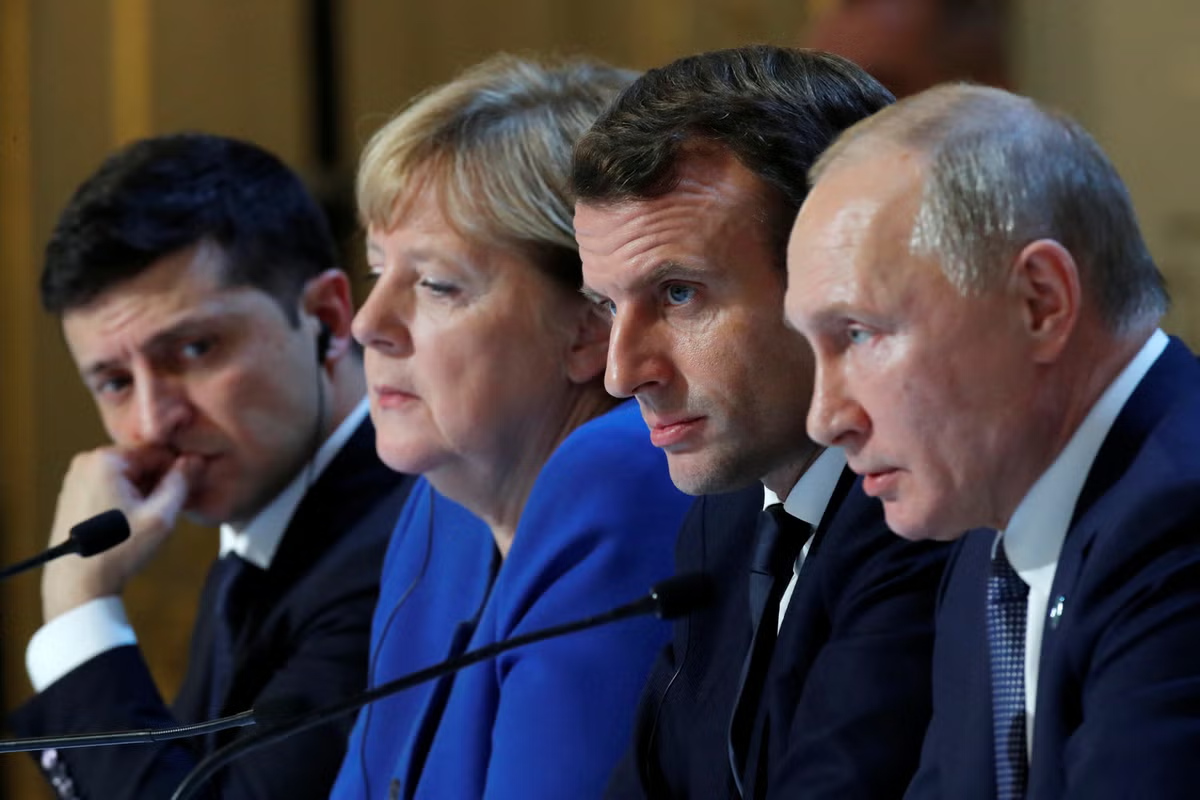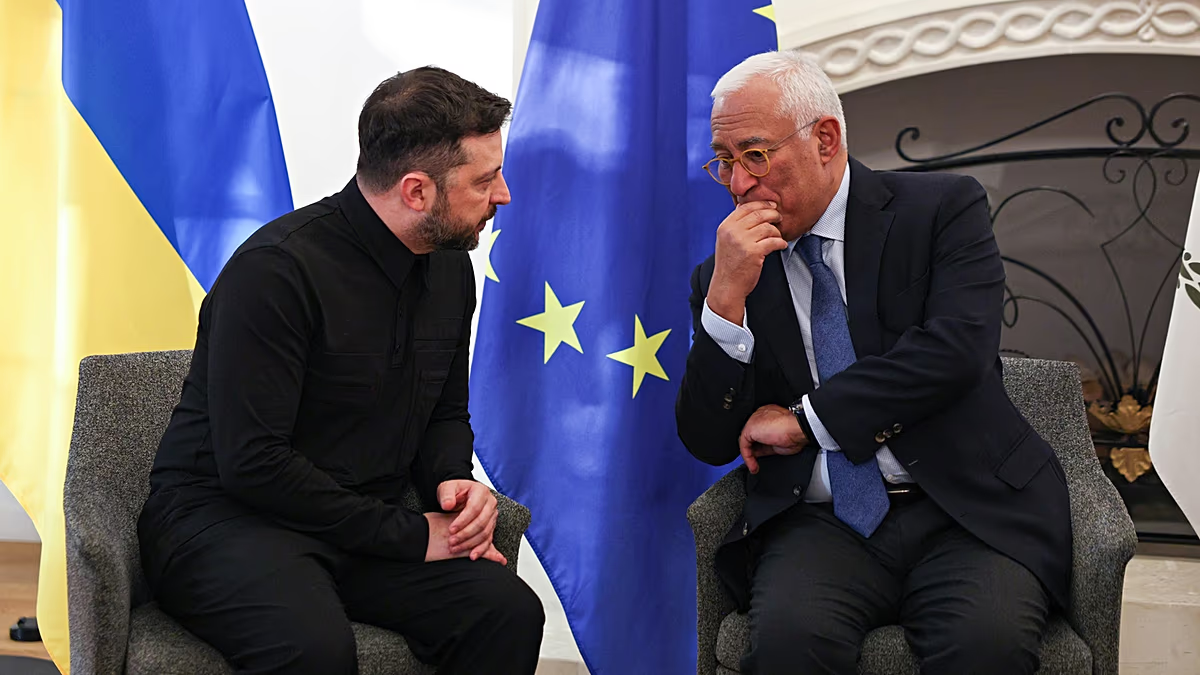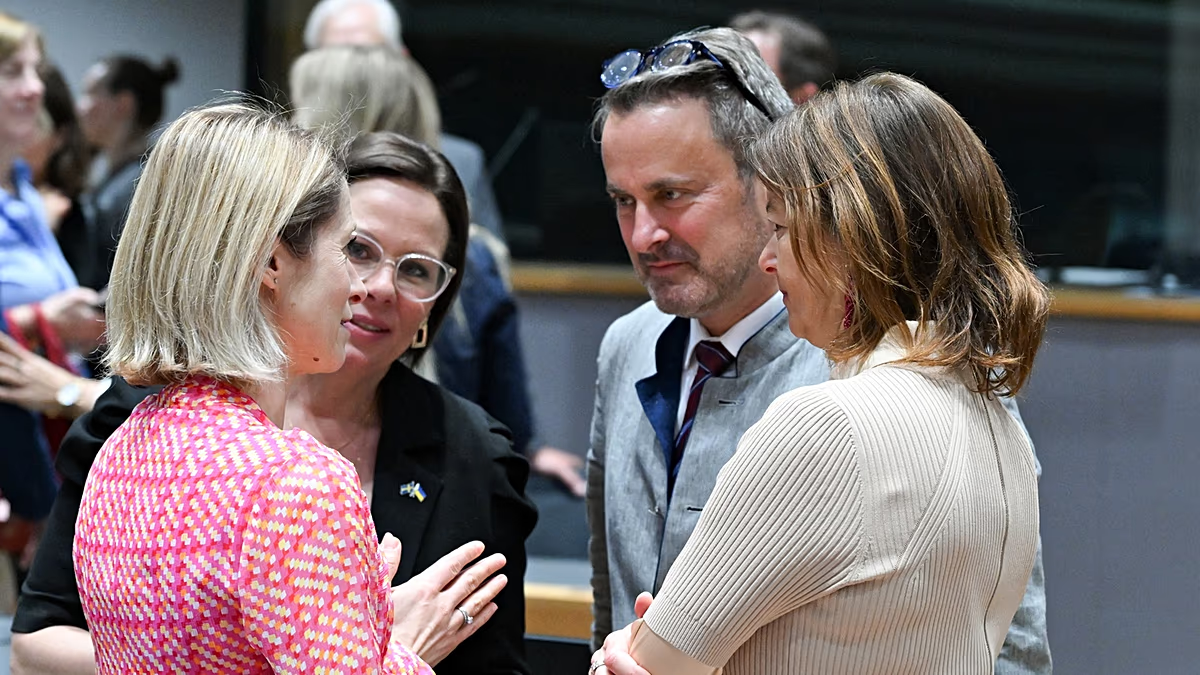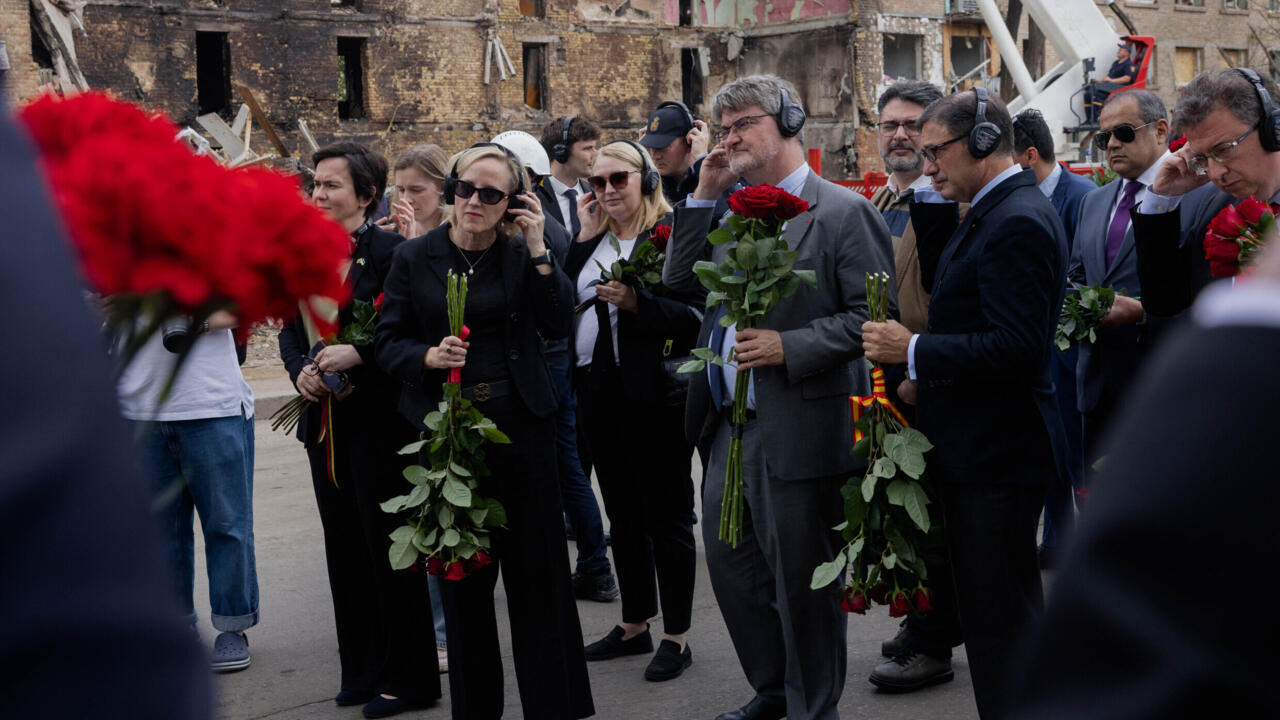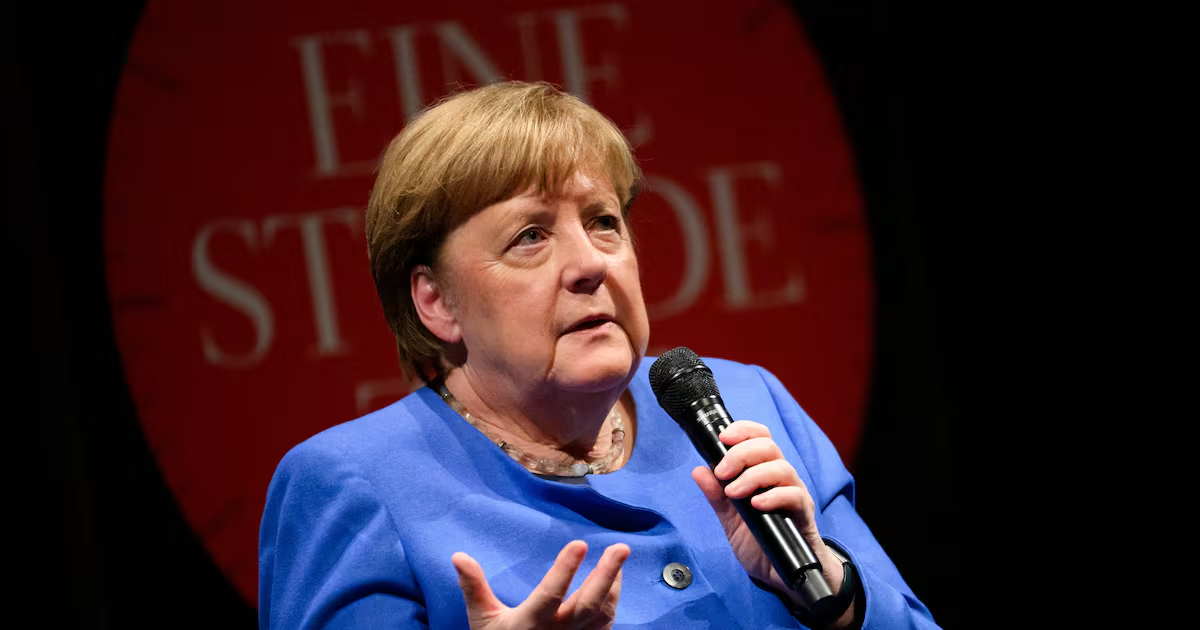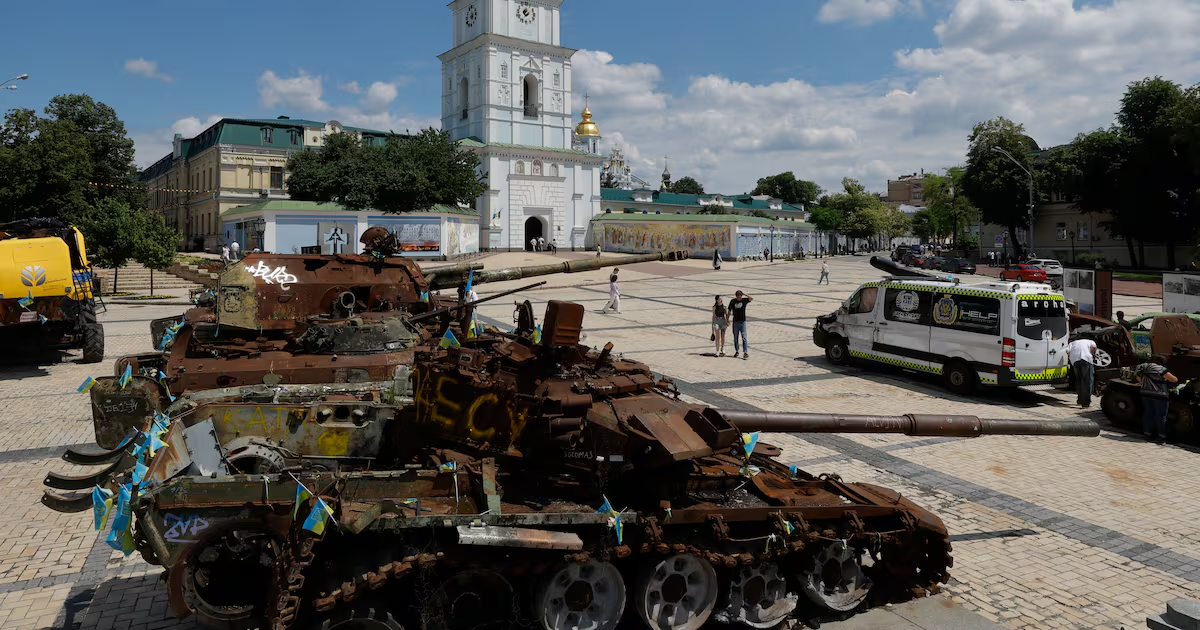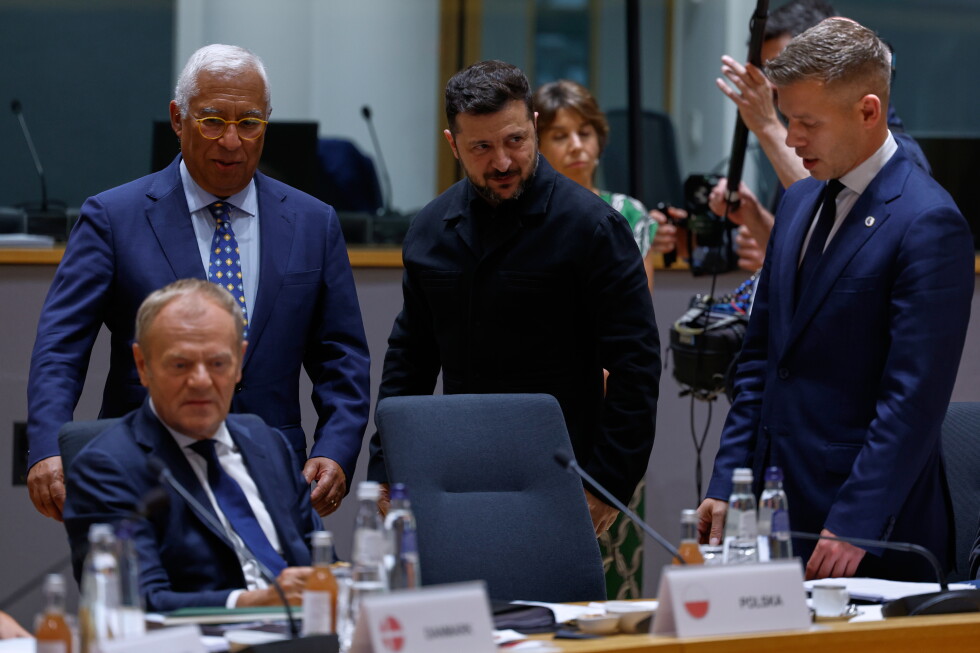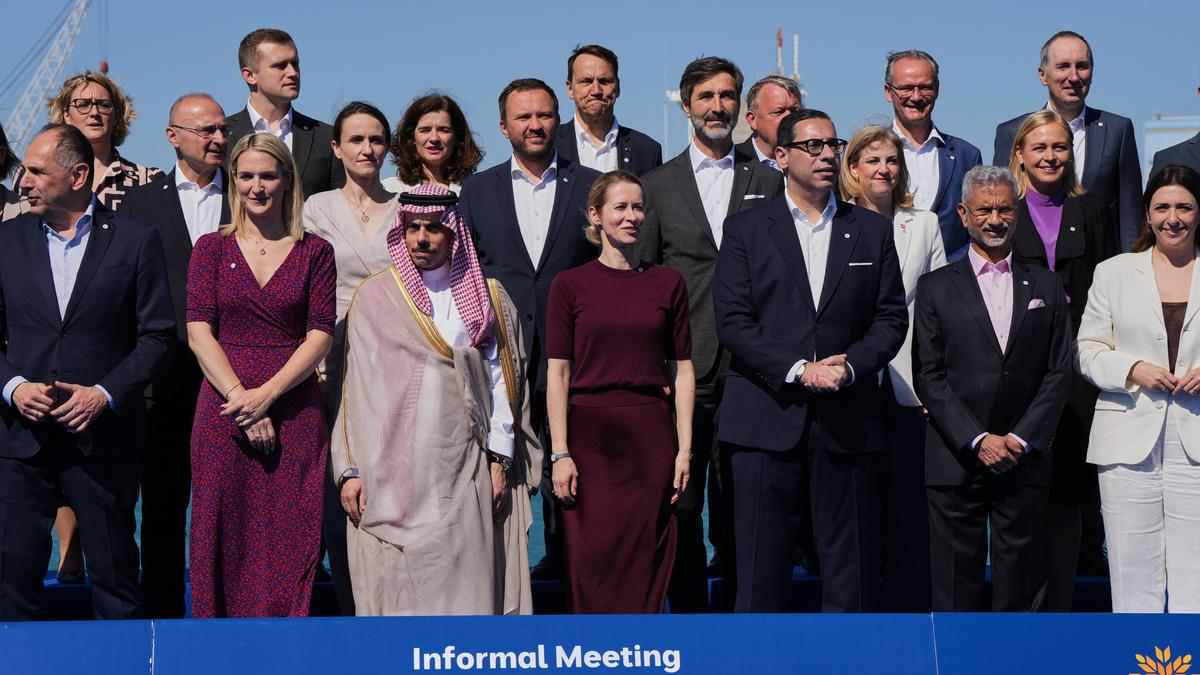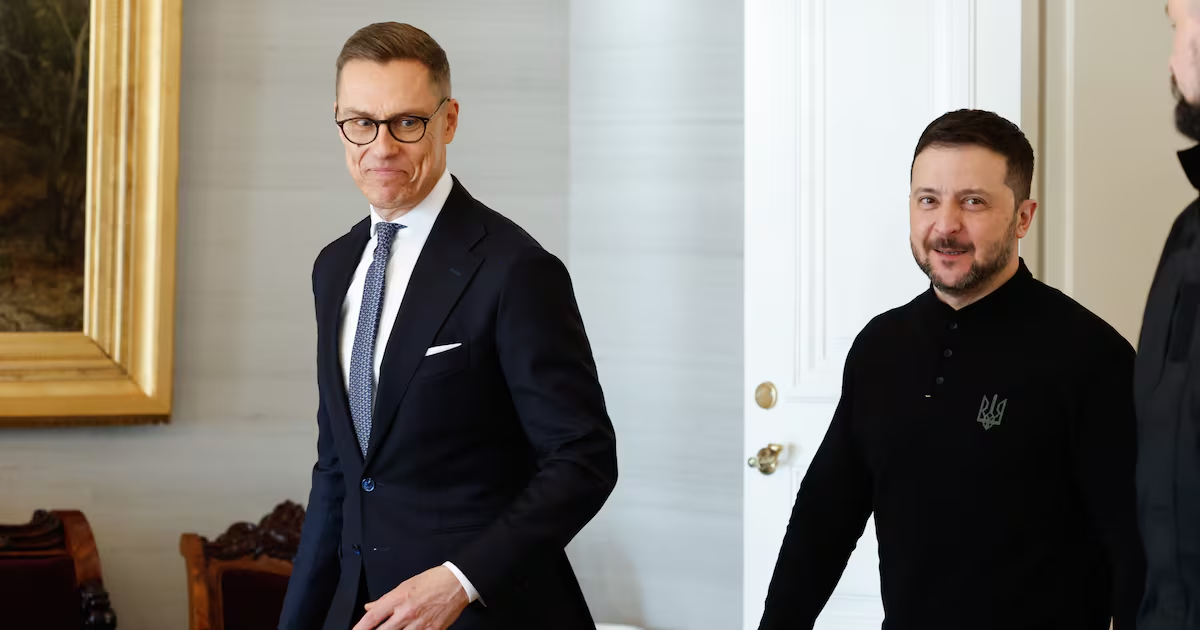
European Union leaders are coming around to the idea of talking directly to Russia. But they have yet to decide on who should represent them and what they should be talking about.Who should speak for Europe?When EU foreign ministers meet in the Cypriot port city of Limassol next week, one issue they will consider is that of appointing an envoy to take part in negotiations about ending the war in Ukraine. Some member-states and EU officials have long resisted the idea of talking directly to Moscow while Russian forces remain in Ukraine, but the mood has shifted in recent weeks as Donald Trump’s efforts to end the conflict appear to have stalled.“It is important for it to have a strong voice and presence in this process, and it is worth determining who will represent Europe specifically,” Volodymyr Zelenskiy said on Sunday after speaking with António Costa, the president of the European Council.A number of names have already been floated as possible EU envoys, including former German chancellor Angela Merkel and former European Central Bank president Mario Draghi. But as the EU’s high representative for foreign policy Kaja Kallas observed this week, the member-states have not yet agreed on the purpose of EU participation in negotiations, much less a mandate for their envoy.“Before we talk to the Russians, we should agree and talk amongst ourselves what we want to talk to the Russians about,” she said.Kallas is sounding out the member-states about possible conditions or red lines the EU should set down in advance of any talks with Russia. And she suggested this week that she fancies herself for the role of envoy.“Like George W Bush said: ‘When a politician does not toot his own horn, the horn usually remains un-tooted’. So, I have to say, I think I could see through the traps that Russia is presenting,” she said.Kallas’s performance as foreign policy chief has been such that she commands little respect or authority in European capitals, in the Brussels institutions or among foreign ministers around the world. And if she is waiting for the diplomatic staff who work for her at the European External Action Service to toot her horn, it will remain un-tooted into eternity.Merkel and Draghi are more serious, experienced figures, even if the former German chancellor’s role in negotiating the Minsk agreements left her unpopular in both Moscow and Kyiv. But as Merkel herself argued this week, someone currently in office with political power might be a better choice.Any EU envoy will have to negotiate not only with Moscow but with Kyiv and Washington, where Trump remains the most influential figure in shaping any peace process. The envoy will also have to negotiate with the EU member-states themselves to maintain a common position amid changing circumstances as the talks progress.Europe’s priorities should be to secure a deal that will allow Ukraine to flourish as a viable, independent state on a path to EU membership, and a security architecture for the Continent that protects both Ukraine and the EU from future Russian aggression. The EU will also wish to safeguard its economic and financial interests by, among other things, ensuring that it is not left holding the bill for a postwar reconstruction plan that mostly benefits American corporations.Finland’s president Alexander Stubb is close to Zelenskiy and is trusted by other EU leaders, whom he meets regularly as a member of the European Council. He also enjoys a uniquely close relationship for a European leader with Trump, which is why he has been routinely included with leaders of bigger countries meeting the US president since he returned to the White House.Finland’s history and its 1300km land border with Russia give Stubb a special understanding of Ukraine’s situation, and Helsinki’s decision to abandon its military neutrality and join Nato after 2022 shows that it is alert to the threat represented by Putin.A foreign policy expert, Stubb advocates what he calls a values-based realism and last year published a book, The Triangle of Power, about how Europe and its allies should adapt to the new international system that is taking shape.Stubb’s position as a head of state creates protocol complications in a negotiating format in which Russia, Ukraine and the US are currently represented by officials. But that should not stop EU leaders from recognising him as the outstanding choice to represent them in a process that is currently leaving Europe’s interests behind. Please let me know what you think and send your comments, thoughts or suggestions for topics you would like to see covered to denis.globalbriefing@irishtimes.com
EU moves toward idea of talking to Russia
Mood in EU has shifted in recent weeks as Donald Trump’s efforts to end the Ukraine conflict appear to have stalled
757 words~3 min read