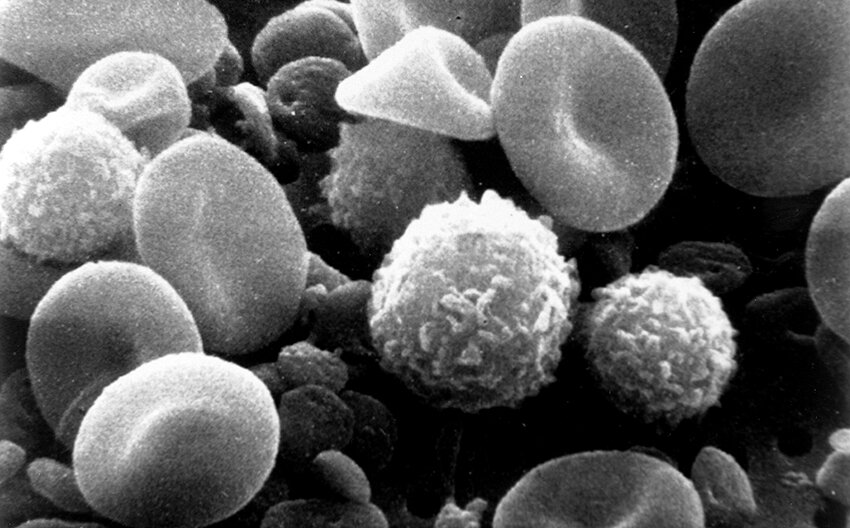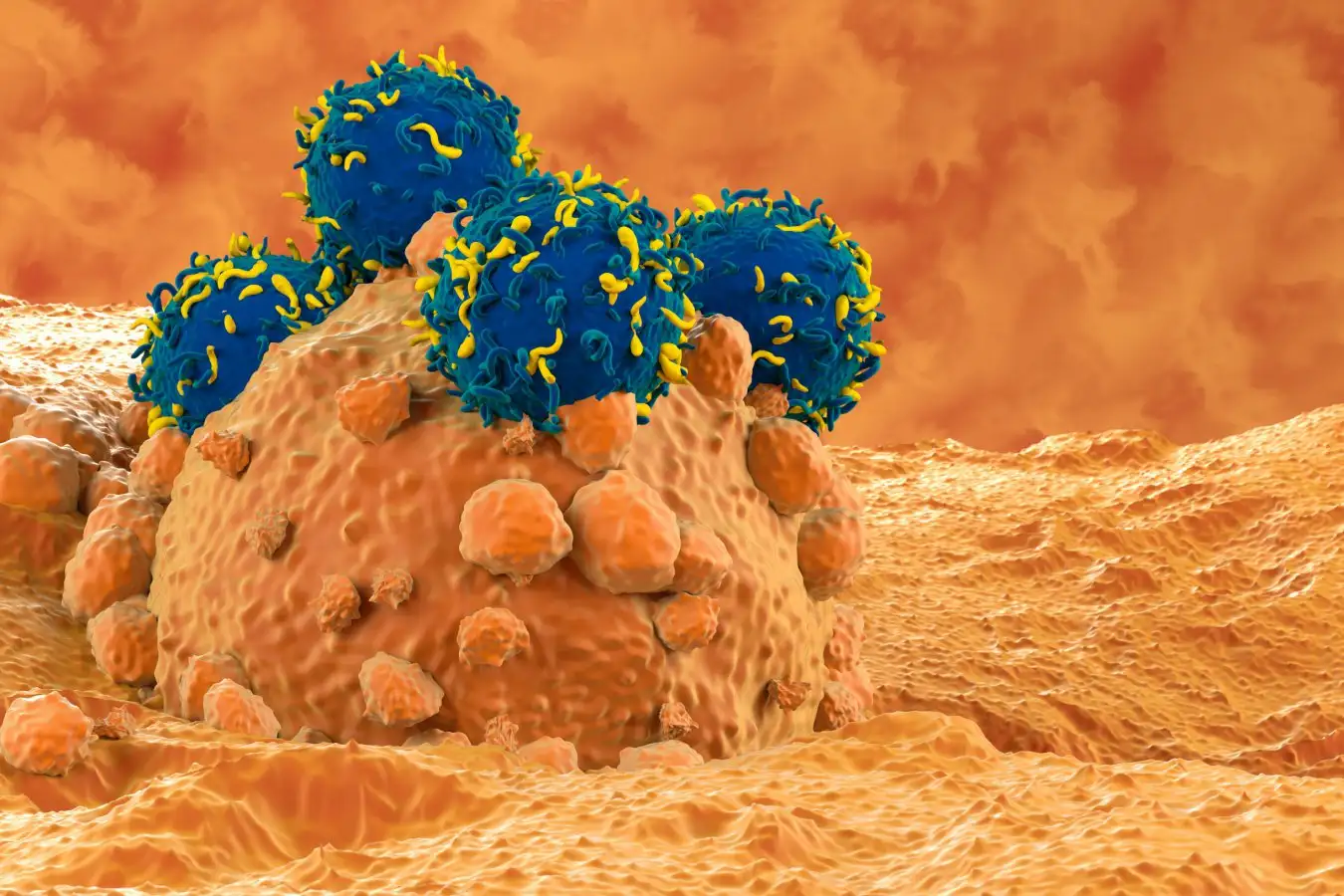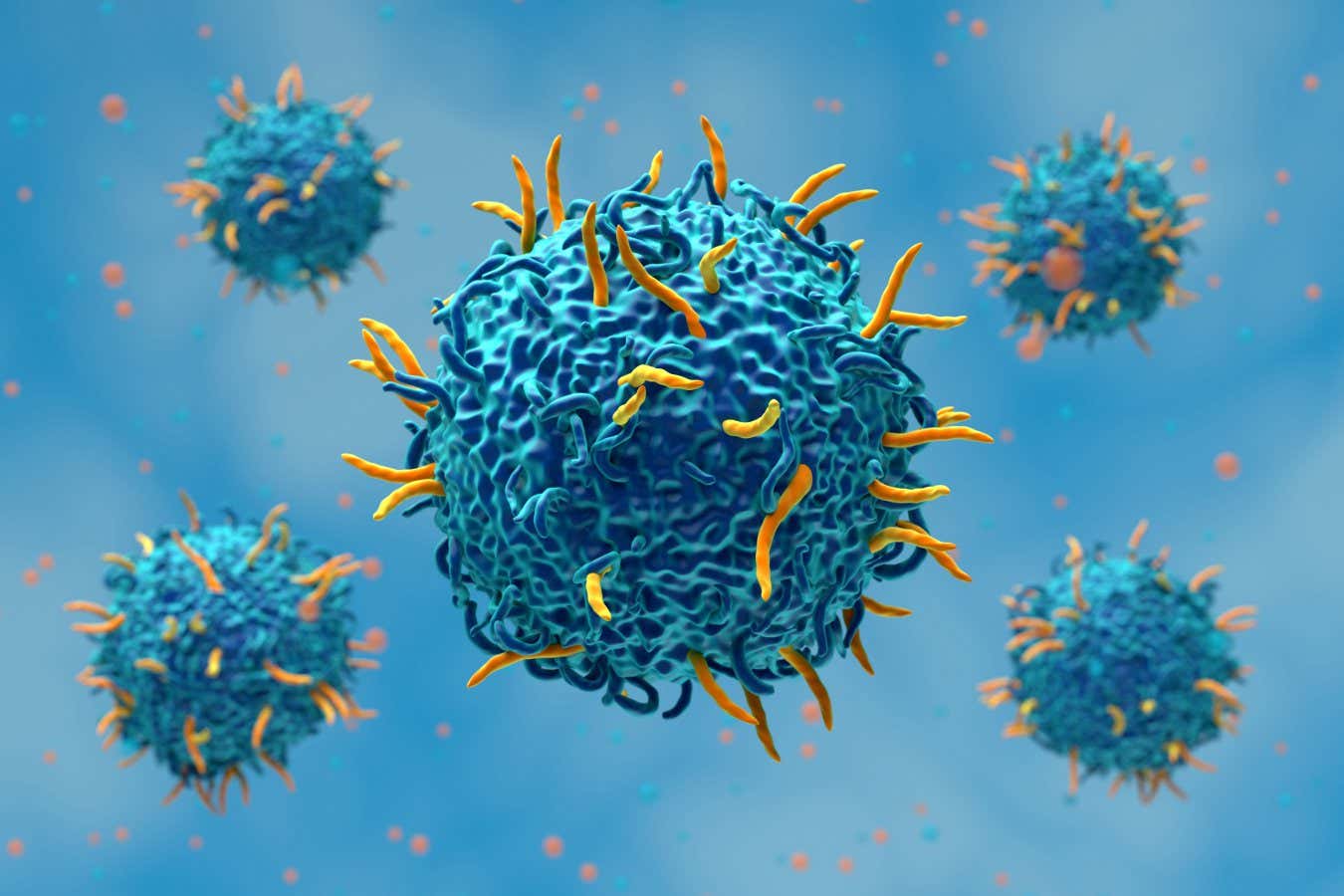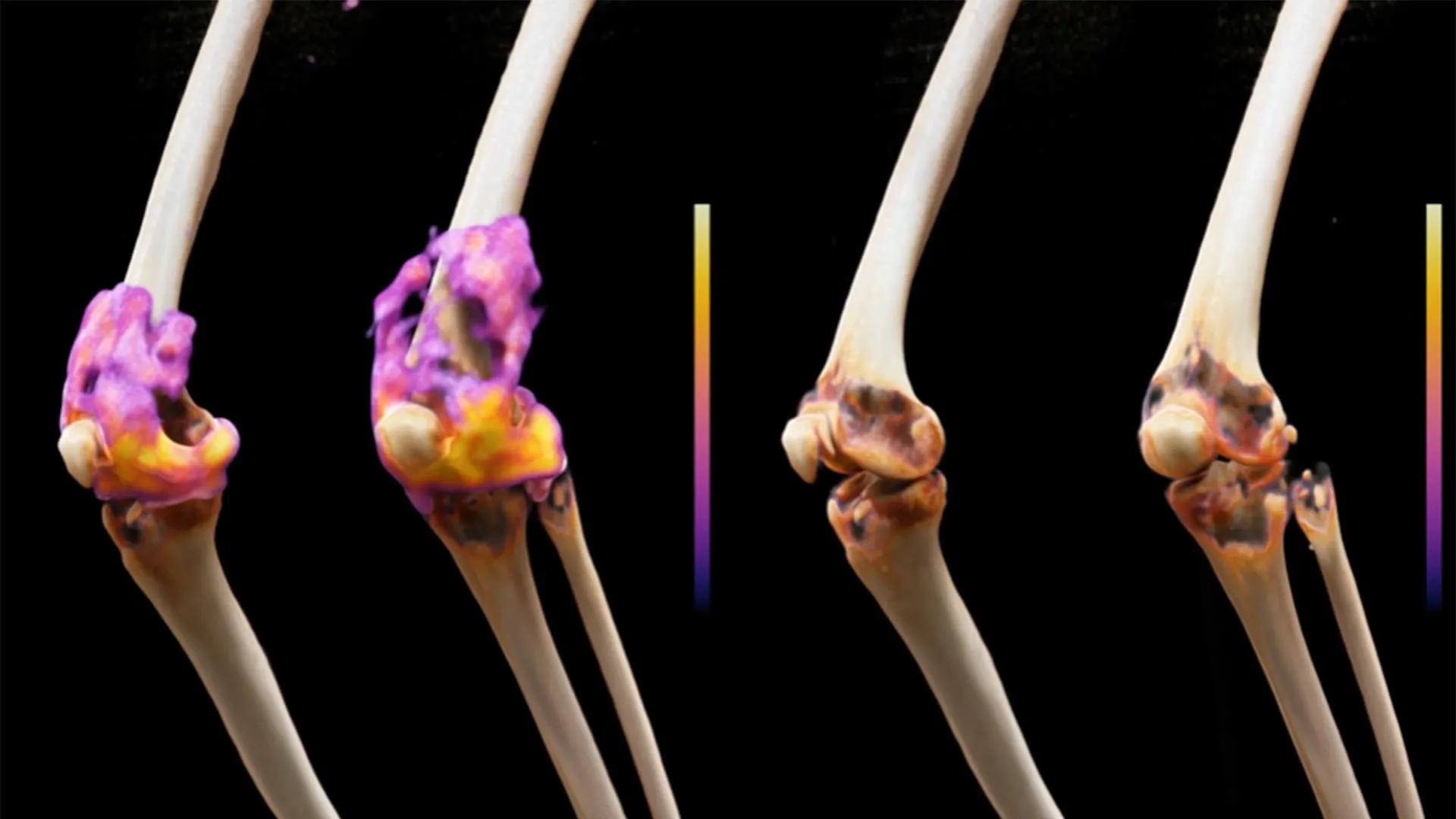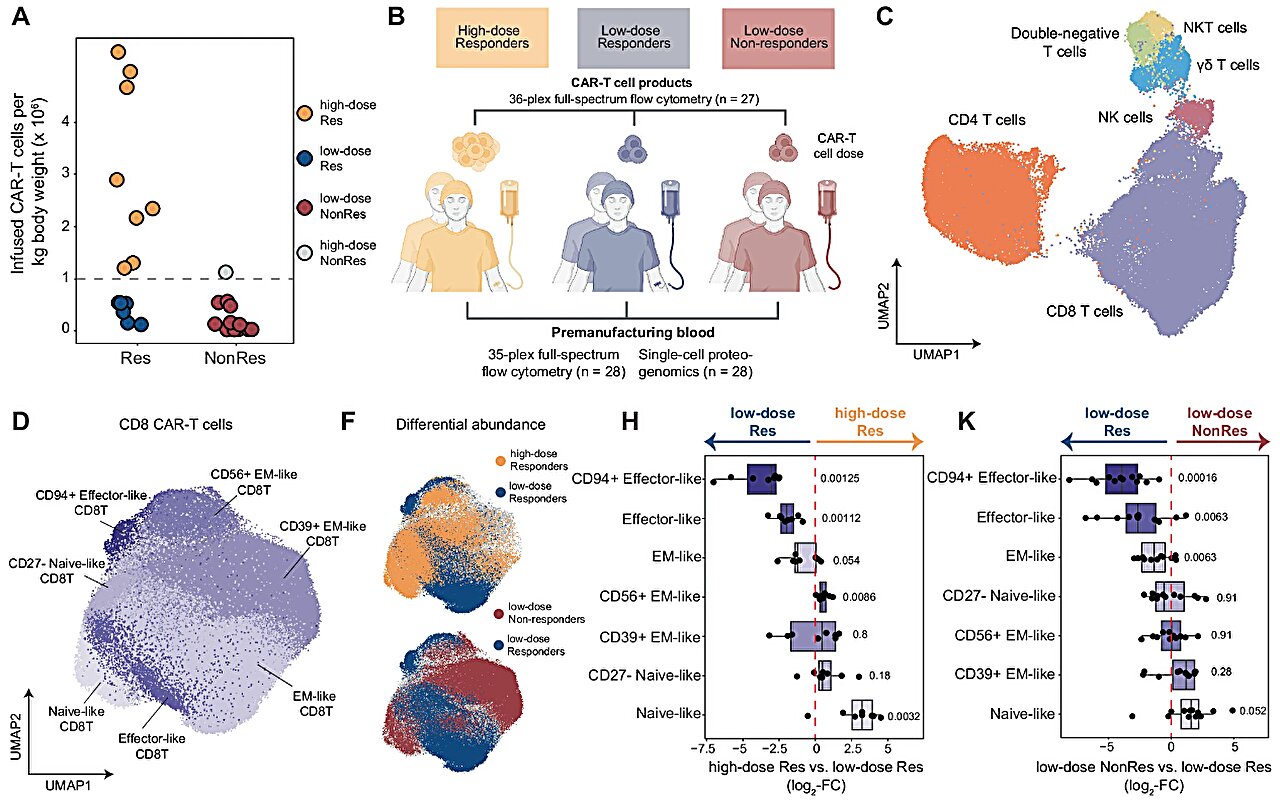
Low-dose responder CAR-T cells exhibit a distinct phenotype. Credit: Nature Communications (2026). DOI: 10.1038/s41467-026-76068-4
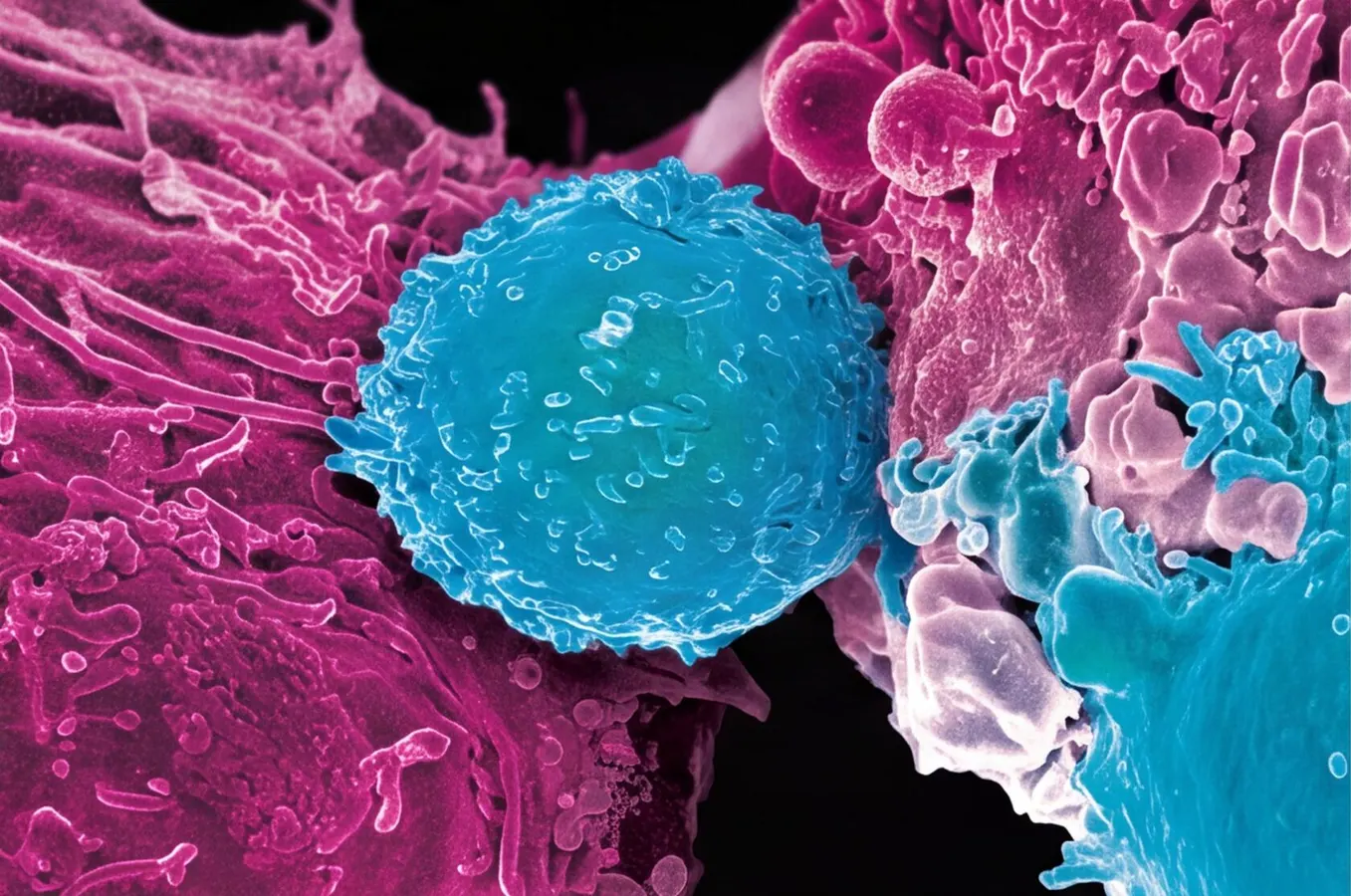
Immunotherapies strengthen the body's own anticancer defenses in a highly targeted manner. In therapies using so-called CAR T cells (chimeric antigen receptor T cells), a patient's immune cells are genetically engineered and directed against individual cancer cells. Until now, it has remained unclear why even very low CAR T-cell doses are effective in some patients while others do not benefit from the treatment.
A research consortium led by the Department of Medicine V at Heidelberg University Hospital and the Berlin Institute of Health at Charité (BIH) has now identified key biological factors that influence the effectiveness of CAR T-cell therapy when lower cell doses are administered. These findings could help improve outcomes for individual patients, further personalize cancer treatment and reduce treatment costs.
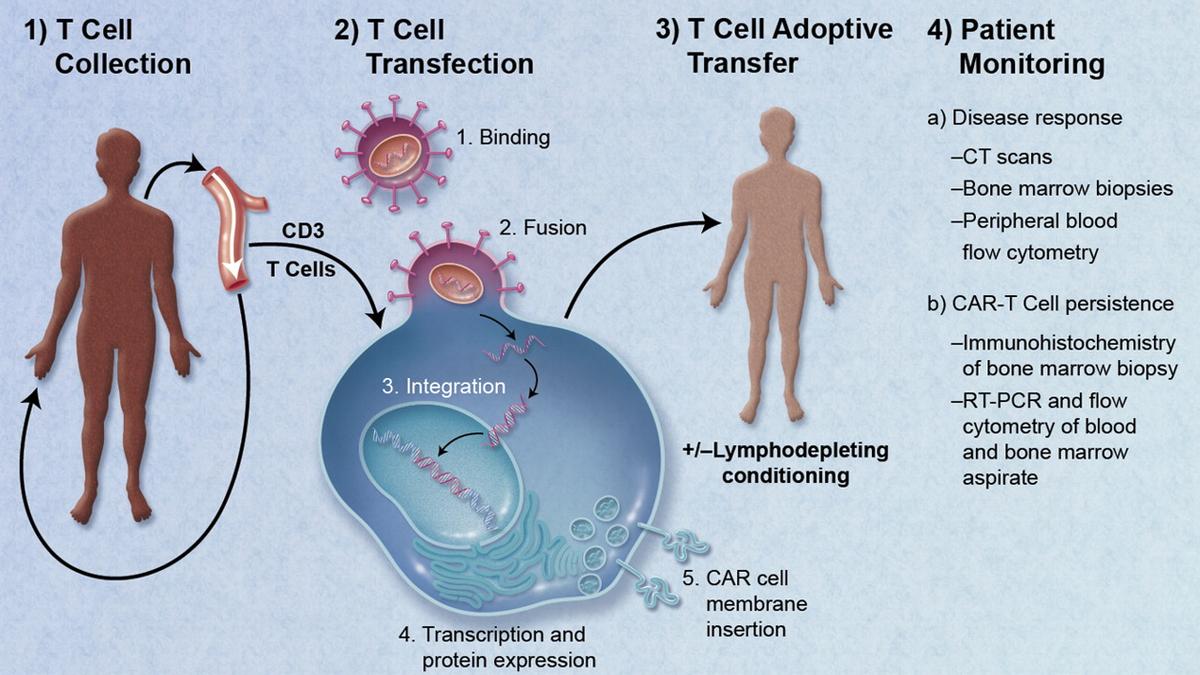
CAR T-cell therapies can be used in certain advanced blood and lymphatic cancers when other treatments, such as chemotherapy or radiation therapy, have failed or after disease relapse. For this approach, a patient's own immune cells are genetically modified in the laboratory so they can recognize a specific target structure on the surface of cancer cells and selectively attack and destroy them.