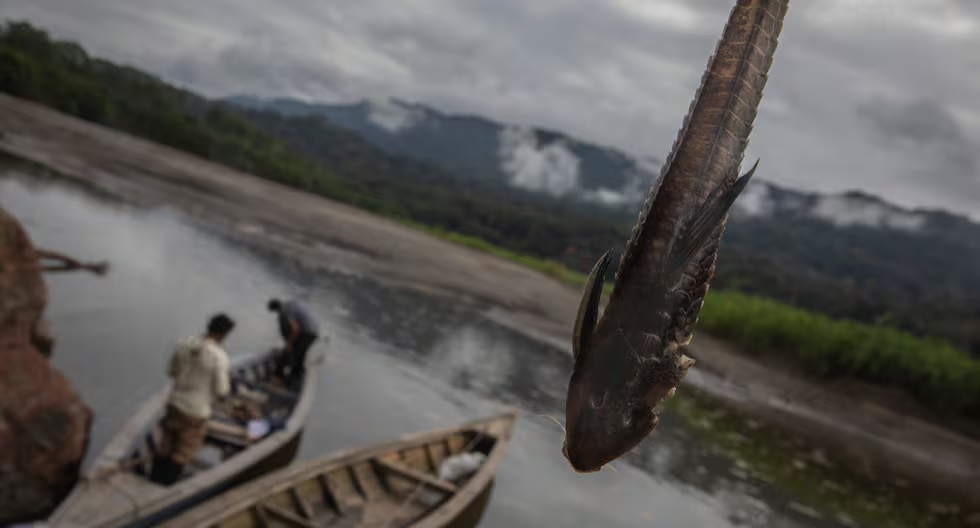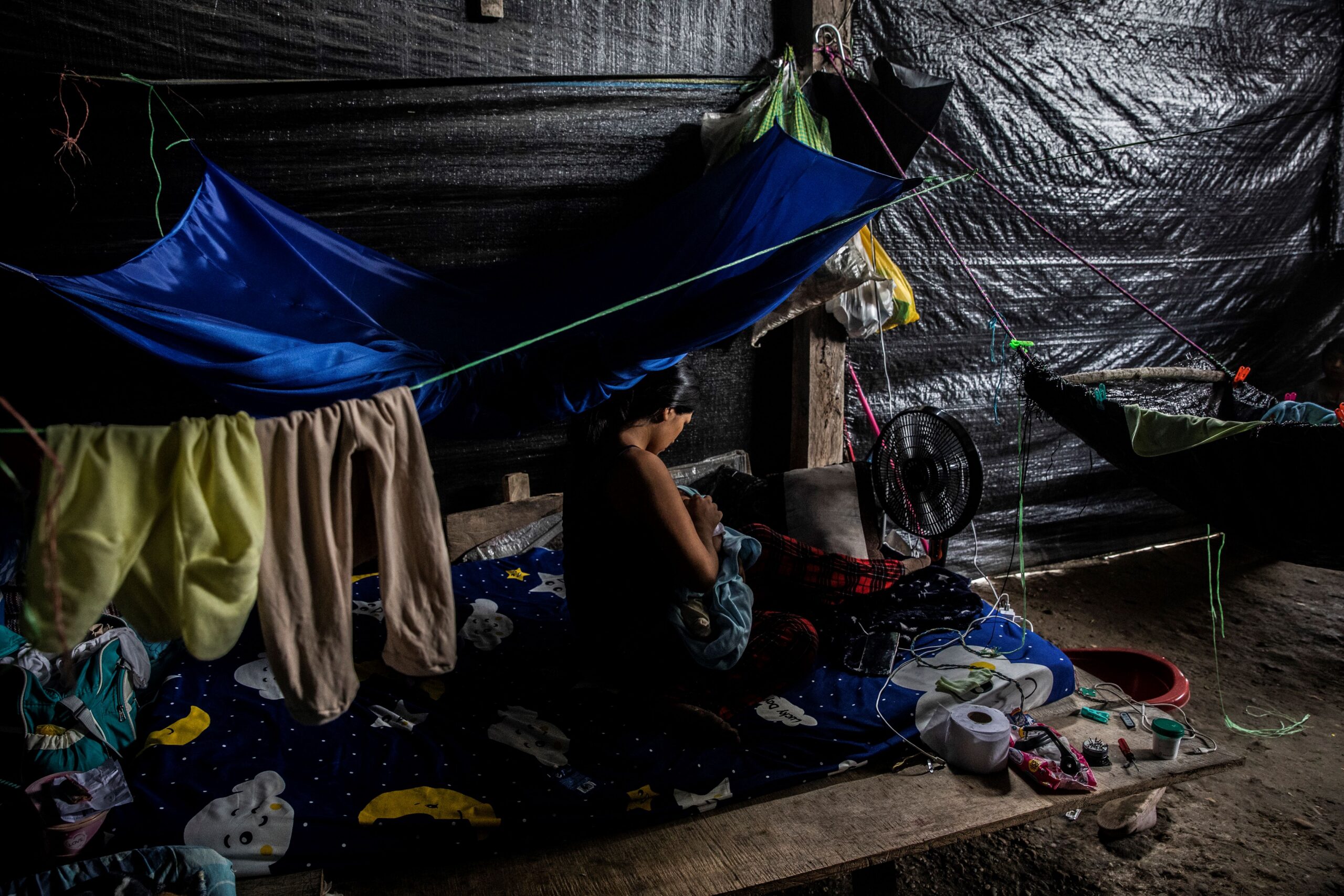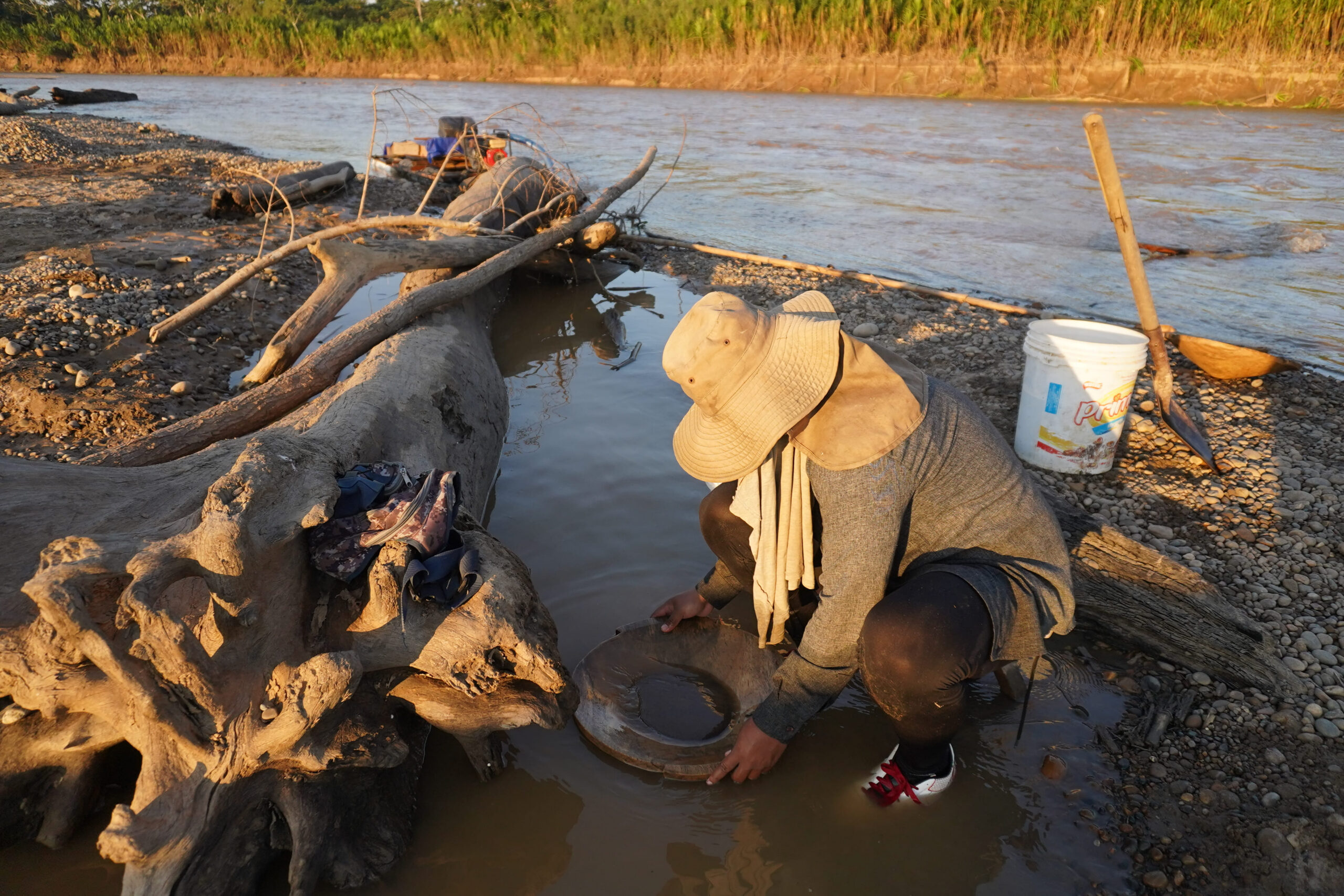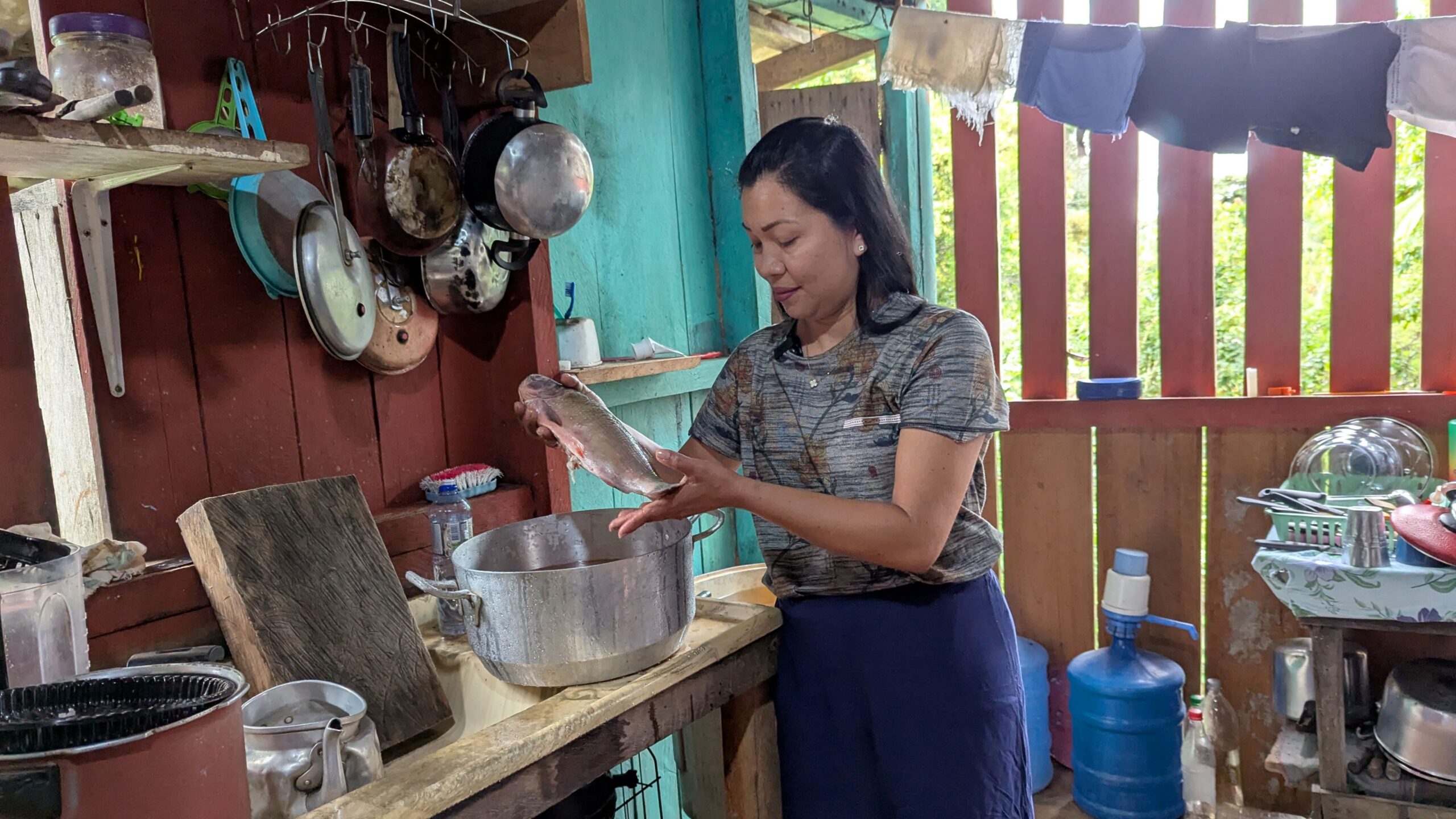
For the first time, Mongabay Latam analyzed 39 scientific studies published between 1997 and 2024 that confirm that 249 Indigenous and riverside communities in Peru, Bolivia and Brazil have been exposed to mercury contamination.
Nearly all of them exceed the limits considered safe by the World Health Organization. The stories reported by three journalistic teams in the field reveal the impact on schools, breastfeeding mothers and numerous Indigenous communities.
Mongabay Latam followed the trail of mercury along 2,763 kilometers of three Amazonian rivers: the Madre de Dios (Peru), Beni (Bolivia) and Madeira (Brazil).
The analysis by Mongabay Latam reveals that another 702 communities located less than two kilometers from the rivers analyzed are at risk and could be living the same situation, but remain uncertain because no assessments have been carried out.
“I had some tests done on my little daughter Bayolet when she was 5 years old. She had already fainted twice at school and we didn’t know why,” says Gladys Ordoñez, a resident of the Indigenous community of Shintuya, in the Peruvian Amazon.