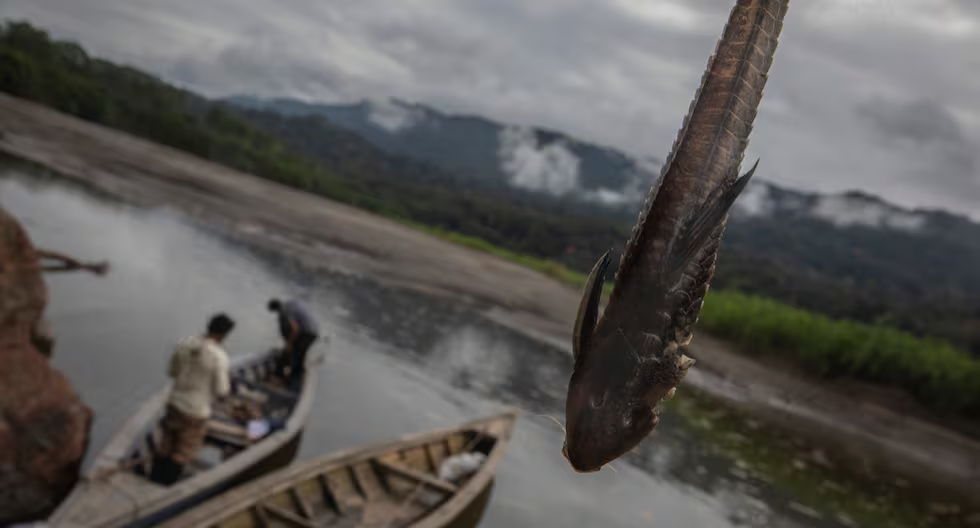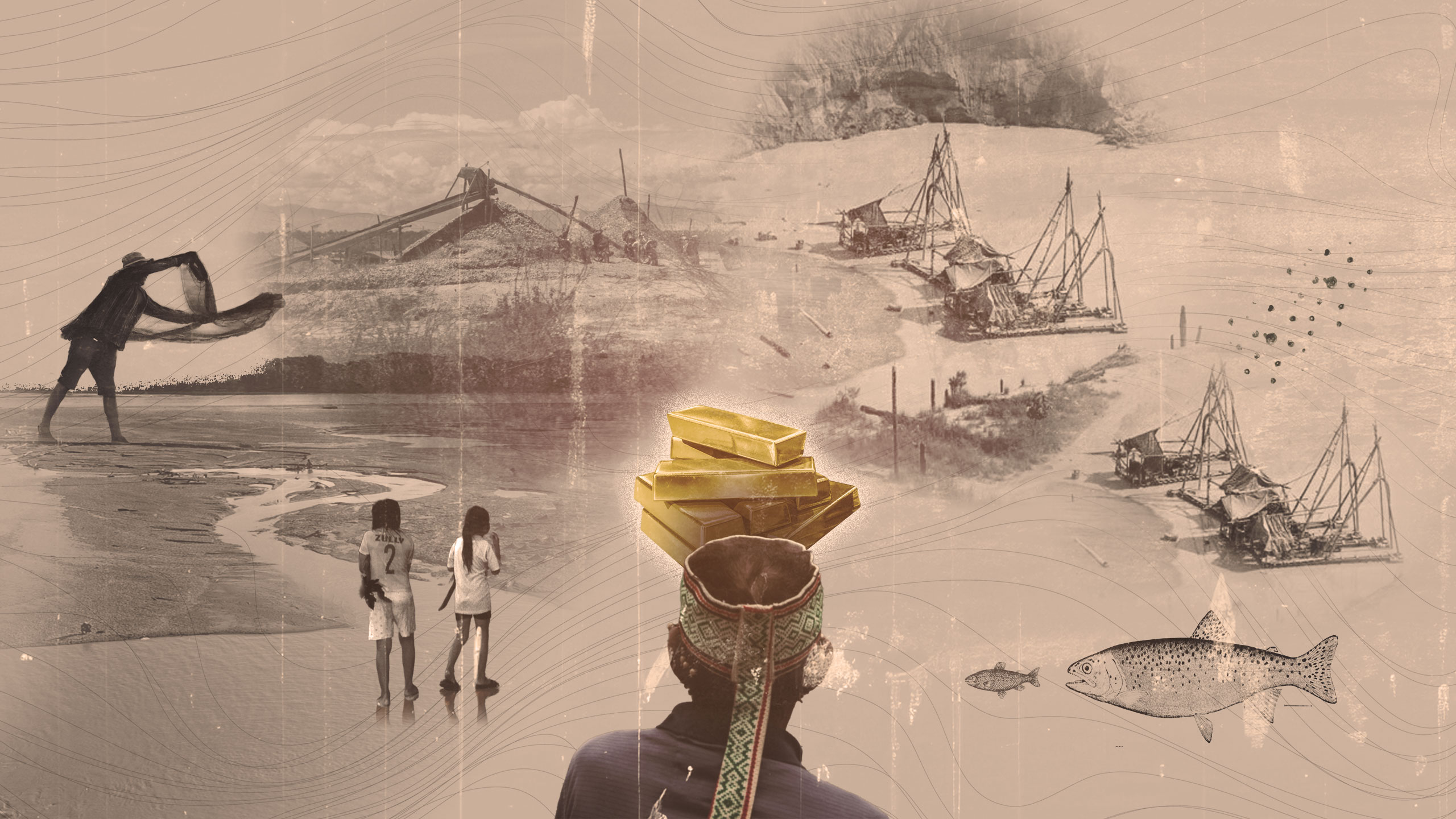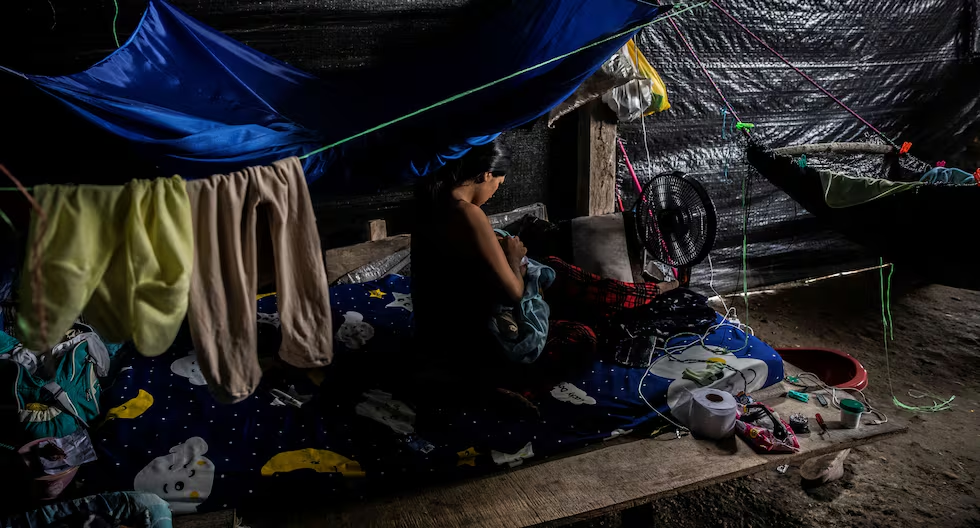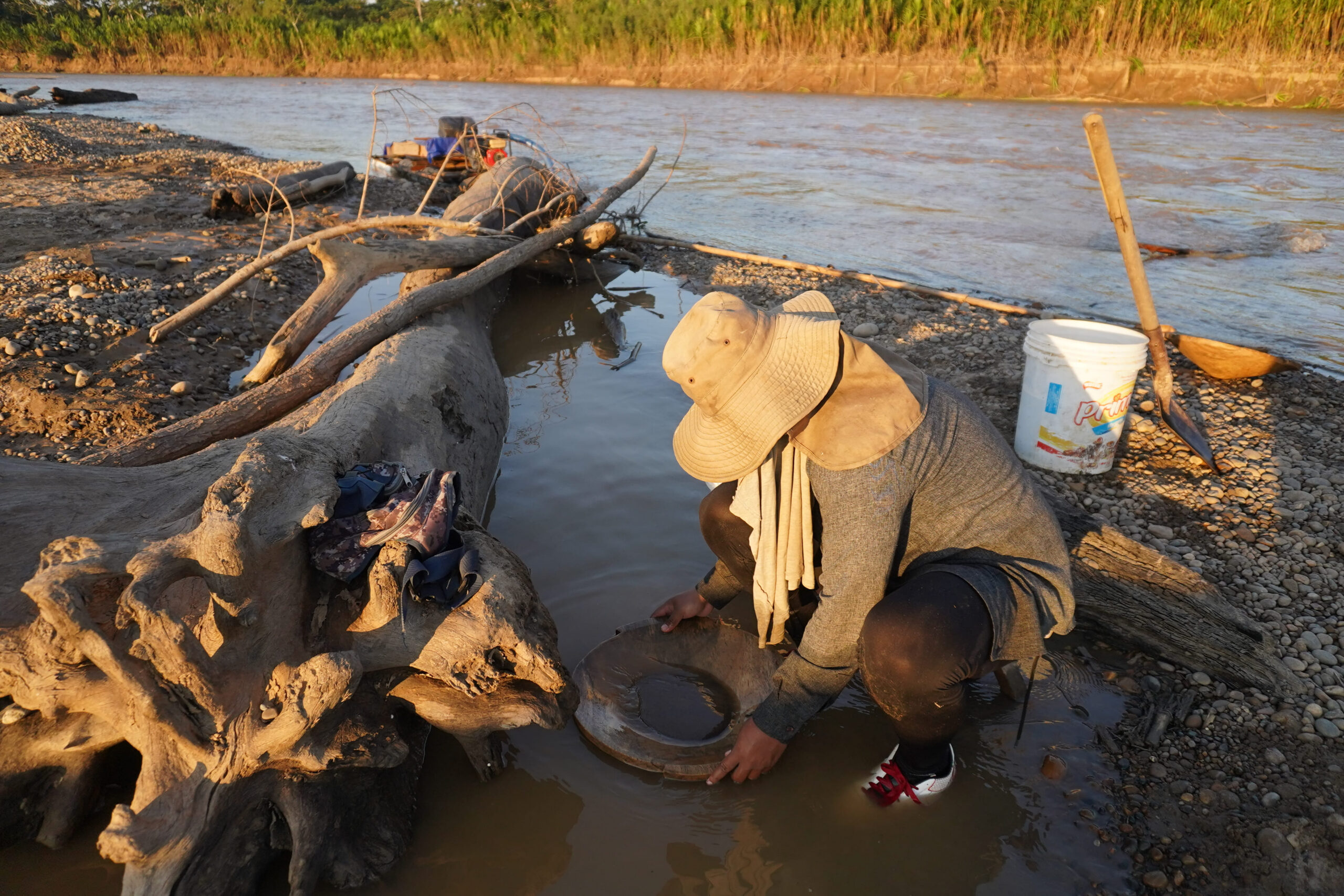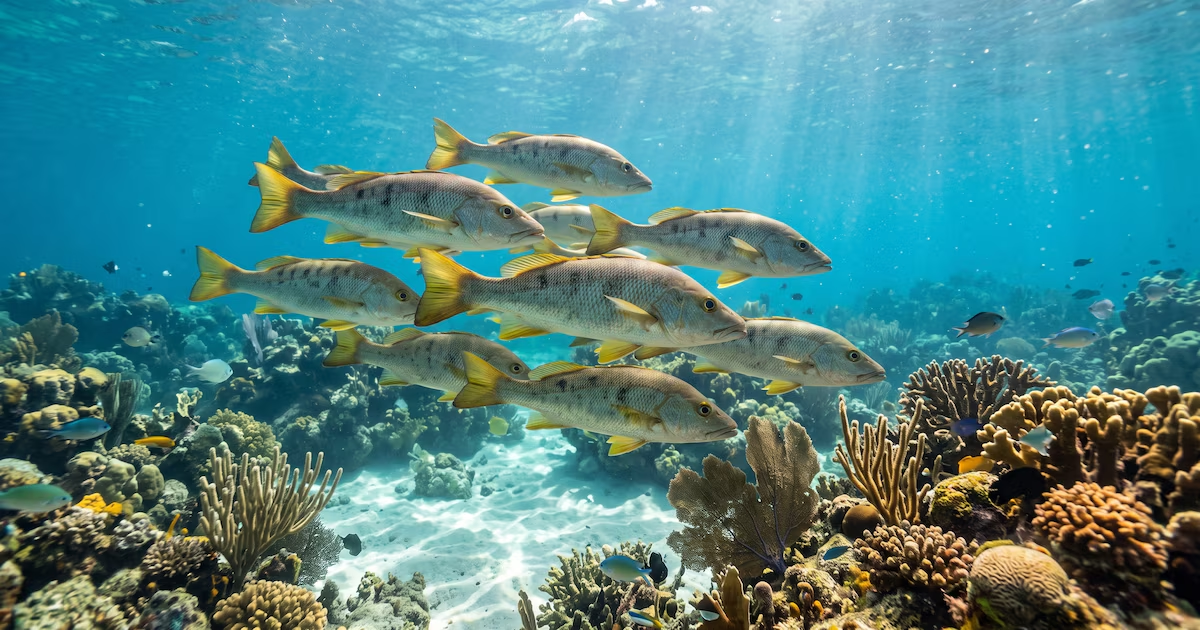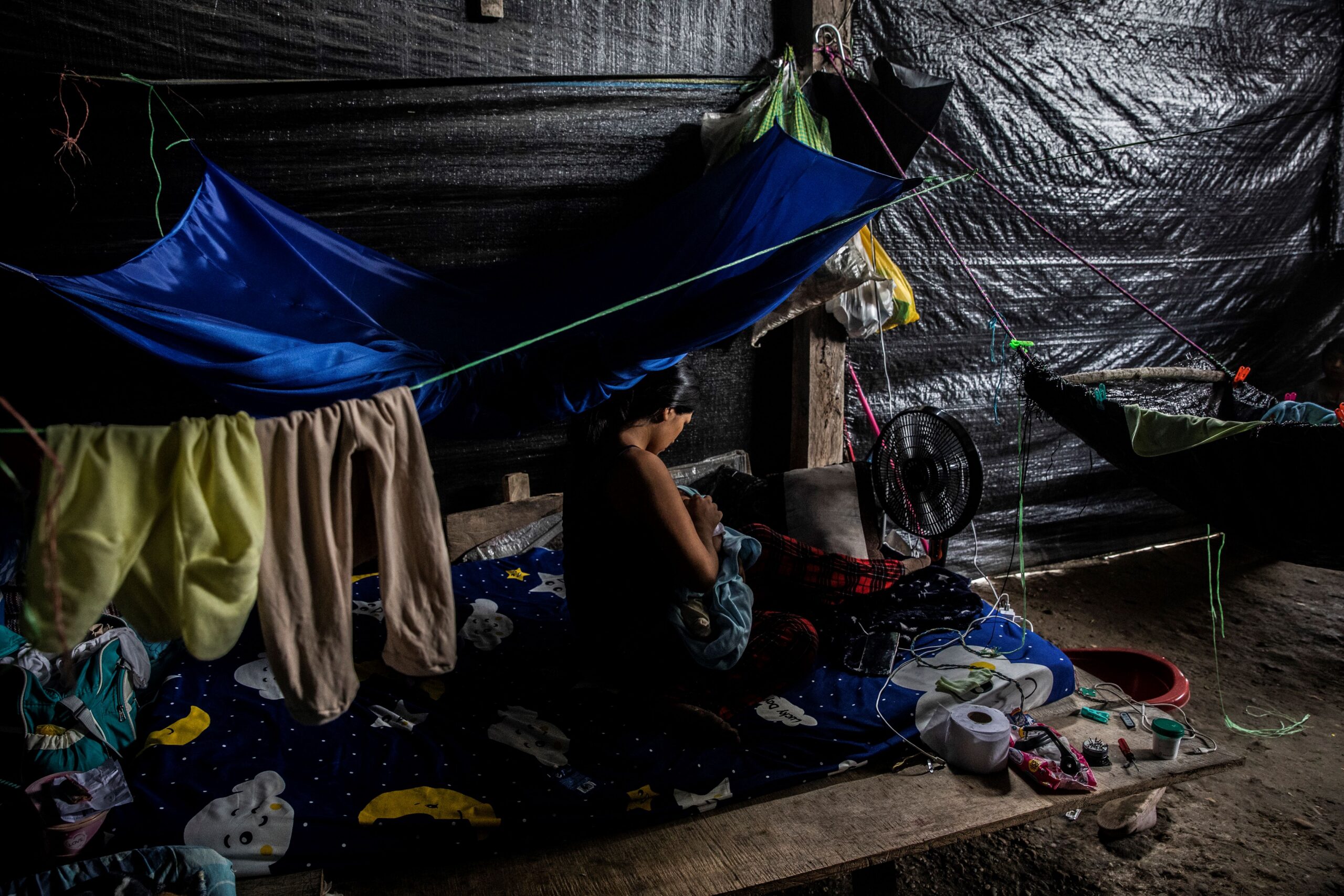
Mongabay reviewed nearly three decades of scientific research on the impact of heavy metals and traveled to several Amazonian communities to track the course of mercury contamination.Previous studies reviewed found that one-third of the children evaluated in the Amarakaeri Indigenous communities in the Peruvian Amazon grew up with mercury levels in their hair that exceed the limit established by the World Health Organization (WHO).The pollution does not remain within mining enclaves: Mercury travels through the river and reaches Indigenous peoples who are unrelated to the mining practice, while pregnant women and newborns show exposure to mercury and lead, with impacts on infant development and birth weight.Meanwhile, the state budget for caring for those affected is minimal, and Peru lacks laboratories to measure methylmercury levels — the most toxic form of this metal, associated with fish consumption.
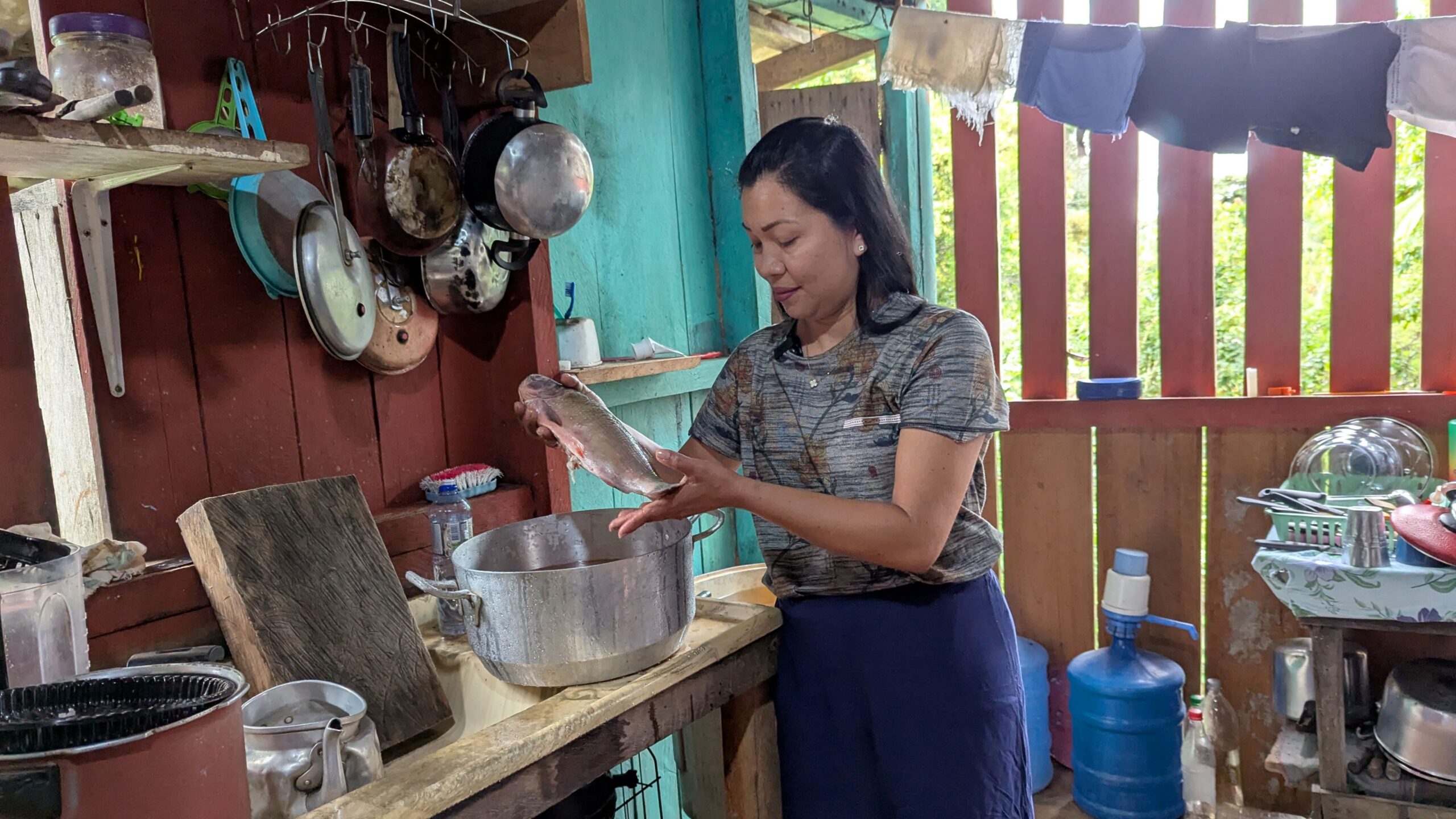
MADRE DE DIOS, Peru — “Bayolet, my little daughter, had some tests when she was five years old,” says Gladys Ordoñez, a mother from the Shintuya Indigenous community, located on the banks of the Madre de Dios River, in the Peruvian Amazon. “She had already fainted twice at school, and we didn’t know why … That’s where they found mercury.”