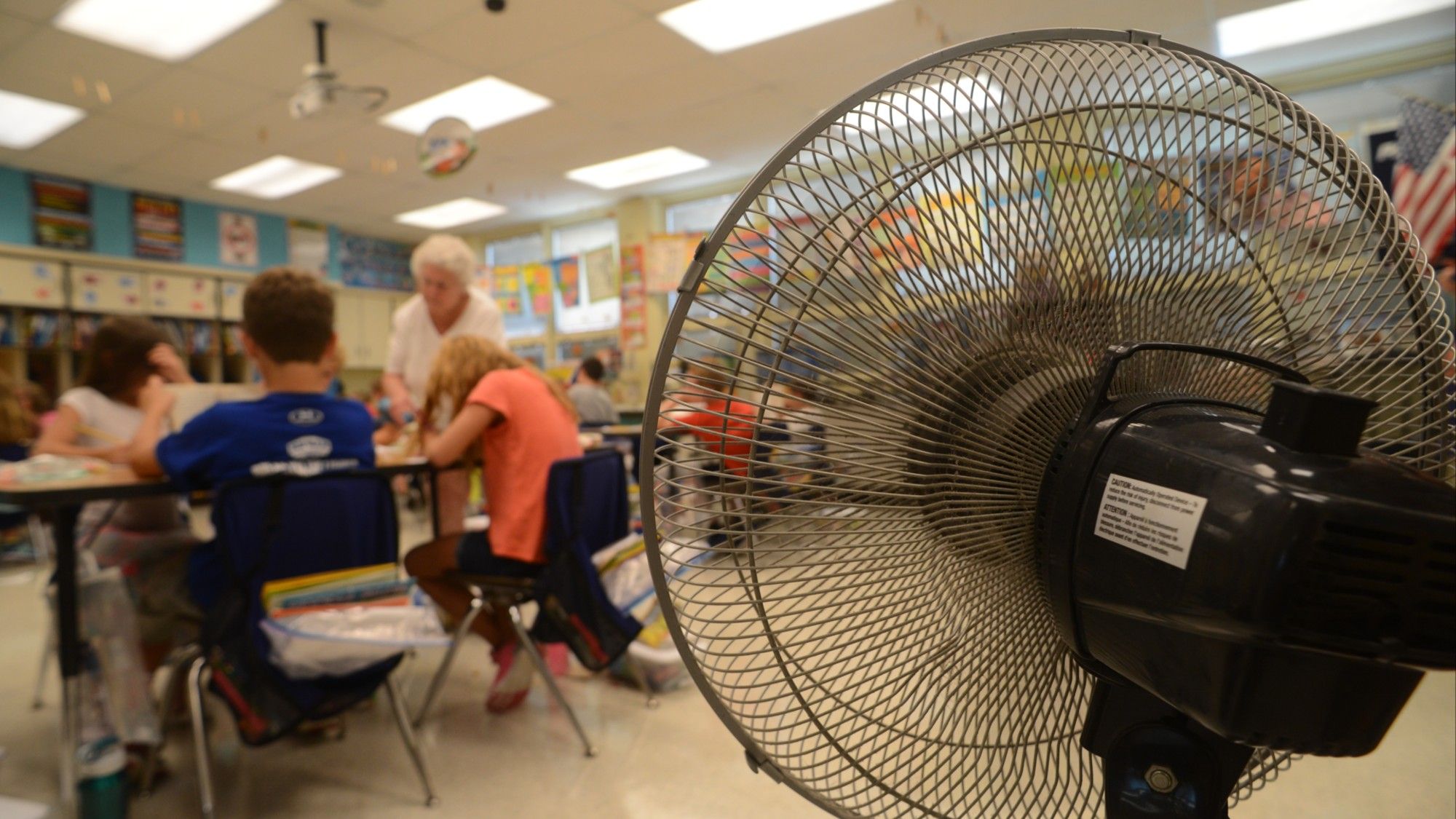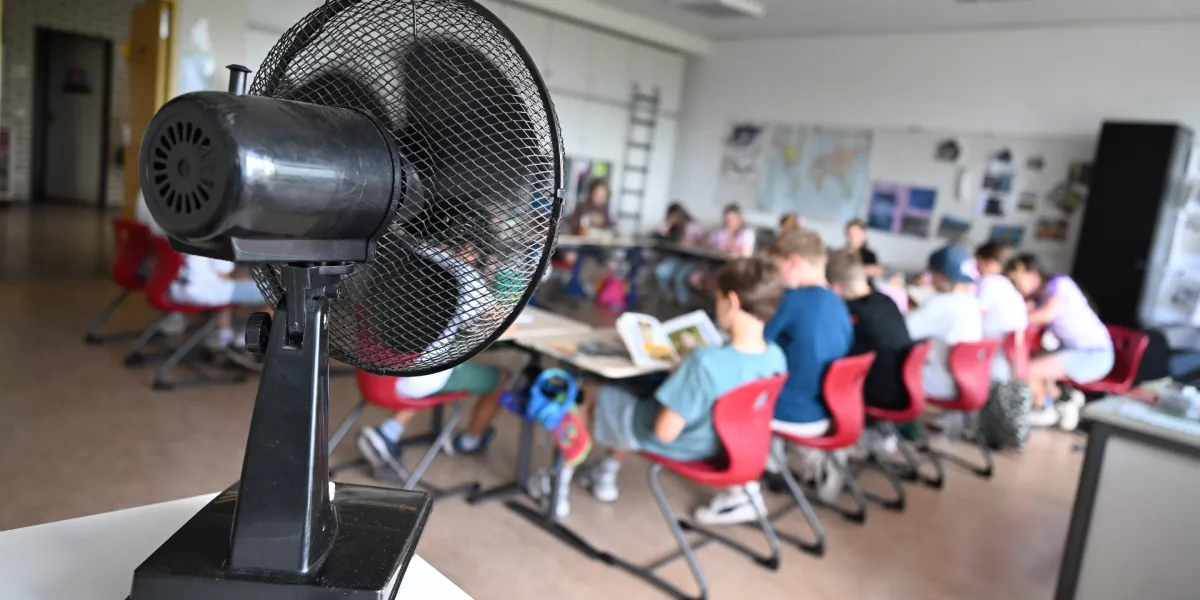
Children across Europe have returned to school after a summer of extreme heat. As the climate warms, one question is becoming harder to ignore: How can students learn when classrooms become dangerously hot?
Extreme weather is likely to disrupt schooling more often in the years ahead. But climate change can influence a child's education even before they set foot in a classroom.
In research conducted with my colleagues, we examined evidence on exposure to extreme weather during pregnancy and early childhood, including floods, droughts and unusually high temperatures. Such exposure has been linked to lower birth weight, poorer childhood development, starting school later, lower enrollment and completing fewer years of education. The effects can be particularly severe in low- and middle-income countries, where families may have fewer resources to cope with a sudden loss of food, income or access to health care.
The reasons can be painfully simple. When crops fail or floods destroy livelihoods, families may have less money for food and medical care. Pregnant women may eat less, work longer hours or struggle to reach health services. Young children may miss out on adequate nutrition or care while their bodies and brains are developing rapidly.