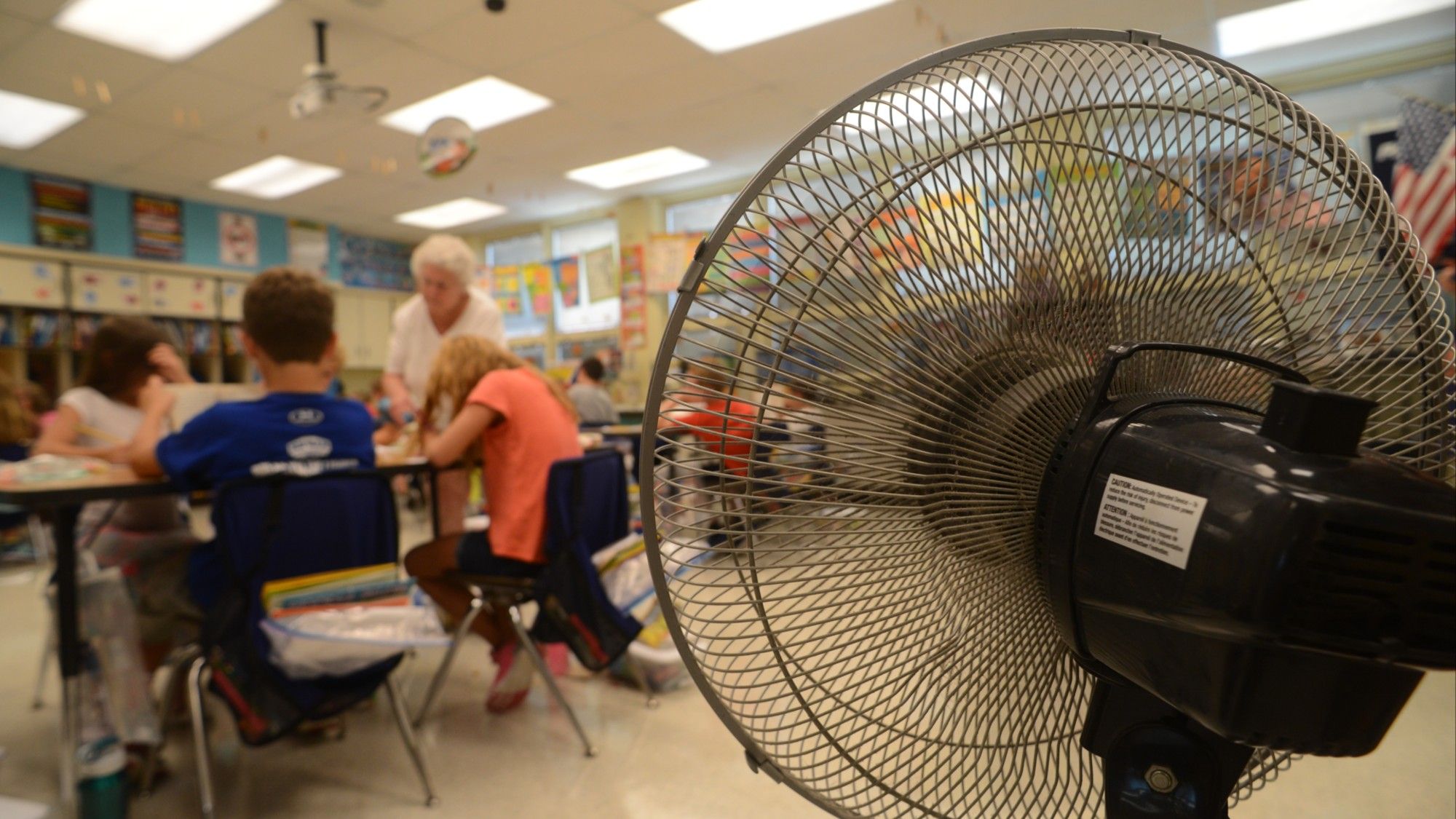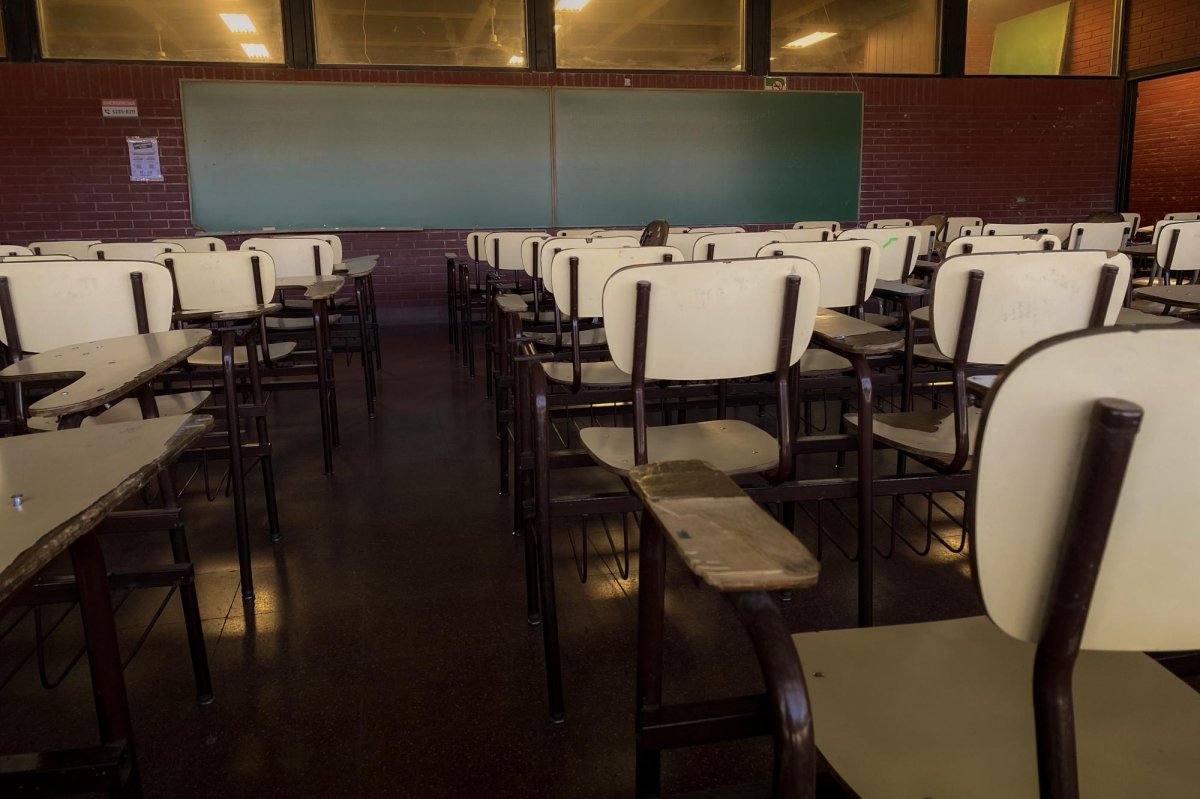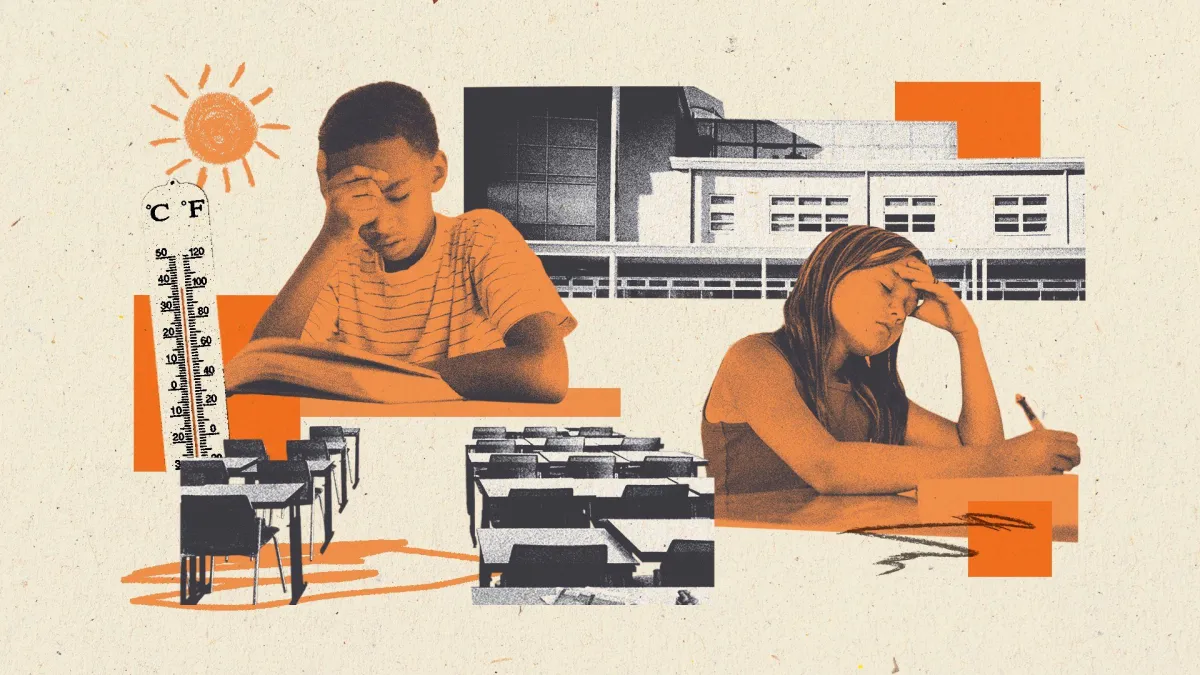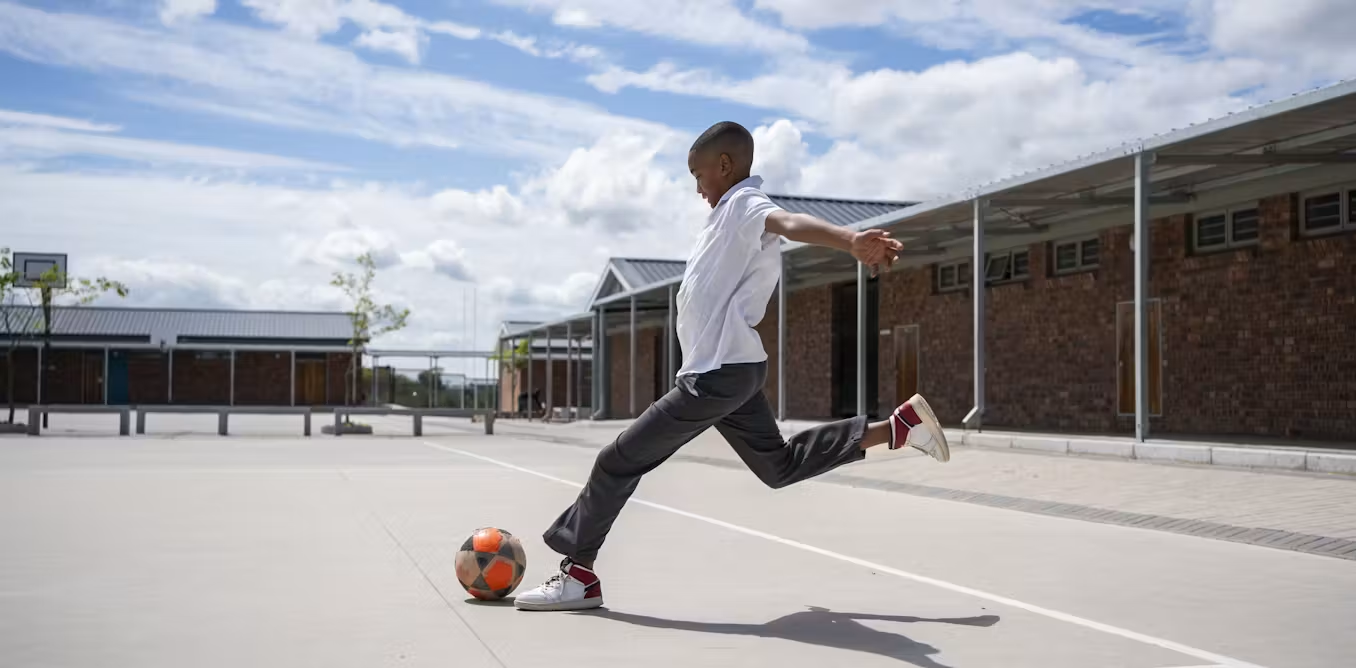
Climate change is making southern Africa hotter. While much attention has focused on climate impacts like droughts, floods and food insecurity, another crisis is unfolding quietly inside classrooms. Research has shown that some schools are becoming dangerously hot places for children to develop, learn and play.
Hot classrooms can affect concentration, memory, behaviour and academic success. Extreme heat also increases risks to children’s physical and mental health, especially in schools with poor ventilation, overcrowded classrooms and limited access to drinking water.
For many children, especially those in poor communities, school may now be one of the hottest places to spend their day. This is a serious but under-recognised education and public health issue.
Our research as environmental health scientists at the South African Medical Research Council highlights how rising temperatures are affecting daily life and well-being. Multiple studies support this.
Together with the University of Johannesburg, we’ve studied classroom thermal conditions and possible impacts on children’s health in Gauteng province – more than half of the temperature and humidity readings called for caution or extreme caution. Another of our studies, led by University of Johannesburg environmental health researcher Shalin Bidassey-Manilal, measured classroom temperatures in Johannesburg and found that almost all the children reported low concentration levels. One of our studies traced relationships between classroom temperature and absenteeism, which increased at temperatures over 25°C.