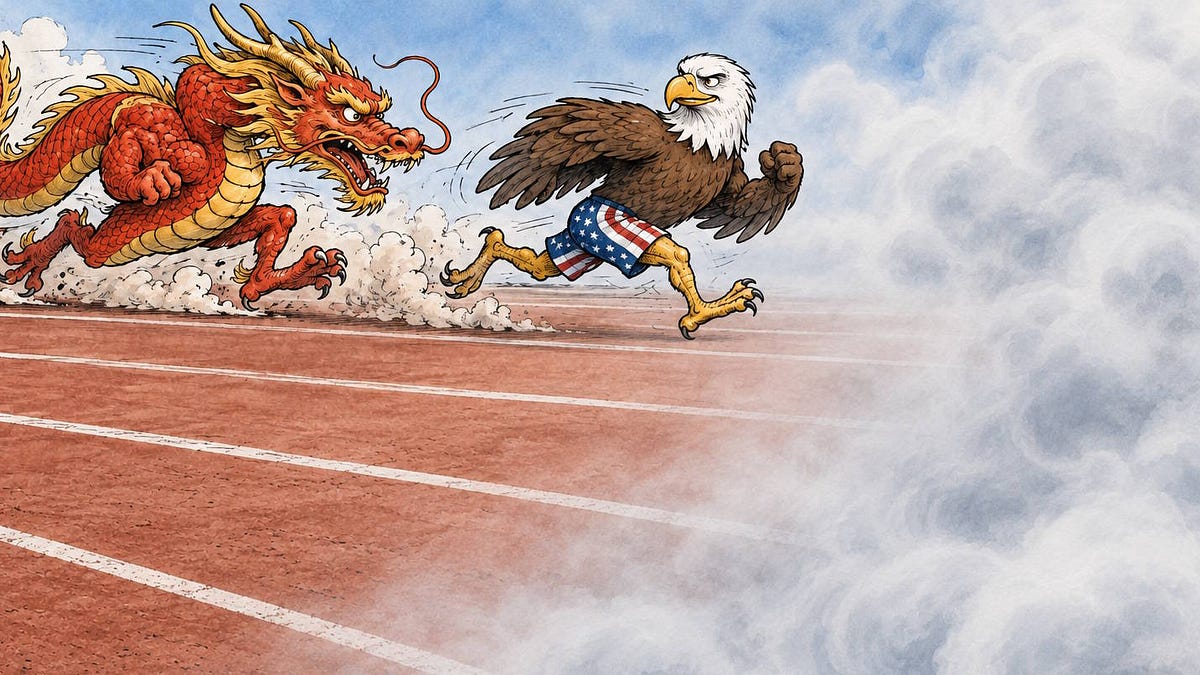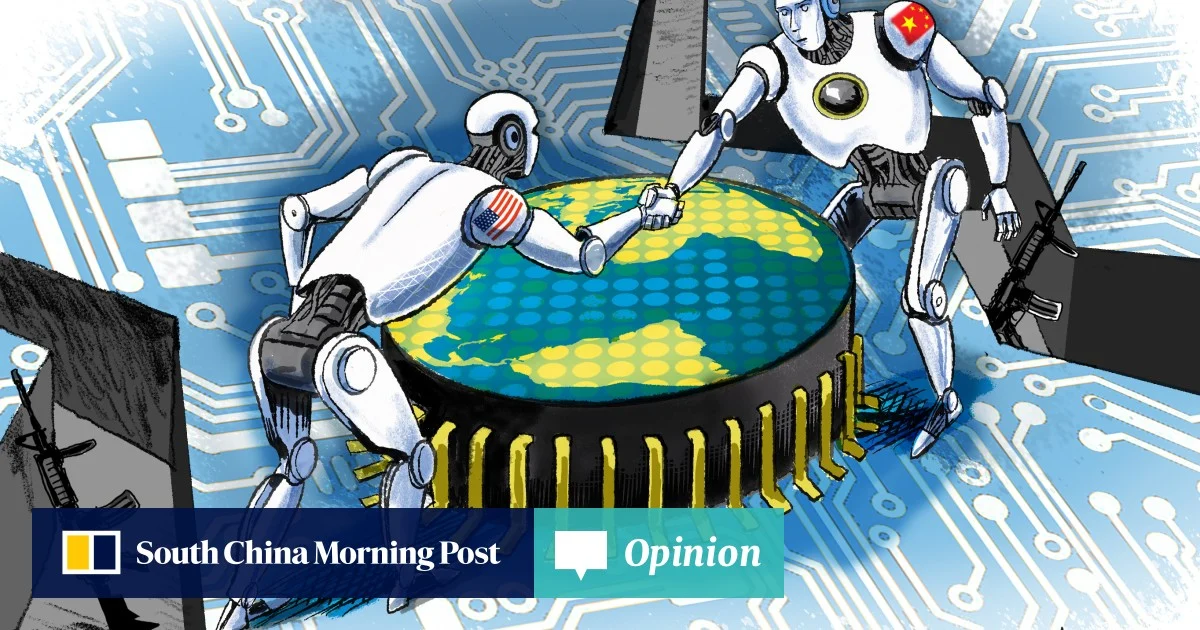
The U.S. debate over how to navigate China’s role in developing and governing advanced artificial intelligence is stuck between two extremes. One camp calls for full-blown international treaties even though the two countries cannot yet agree on AI’s most serious risks, let alone how to manage them. The other is deeply skeptical of dialogue, believing progress will only be possible if the Chinese side is desperate.
A grand bargain may be too ambitious, yet focusing only on what can be agreed on today could lock both sides into a policy regime that becomes obsolete as technology evolves. Doing nothing is even worse because regardless of whether it was developed in San Francisco or Hangzhou, an AI model that makes it easier for terrorists to synthesize deadly pathogens or hack into the infrastructure that underpins financial markets threatens everyone. These risks are becoming all too real as AI systems demonstrate cyber- and biological capabilities that match or exceed those of human experts on increasingly complex tasks.
The U.S. debate over how to navigate China’s role in developing and governing advanced artificial intelligence is stuck between two extremes. One camp calls for full-blown international treaties even though the two countries cannot yet agree on AI’s most serious risks, let alone how to manage them. The other is deeply skeptical of dialogue, believing progress will only be possible if the Chinese side is desperate.