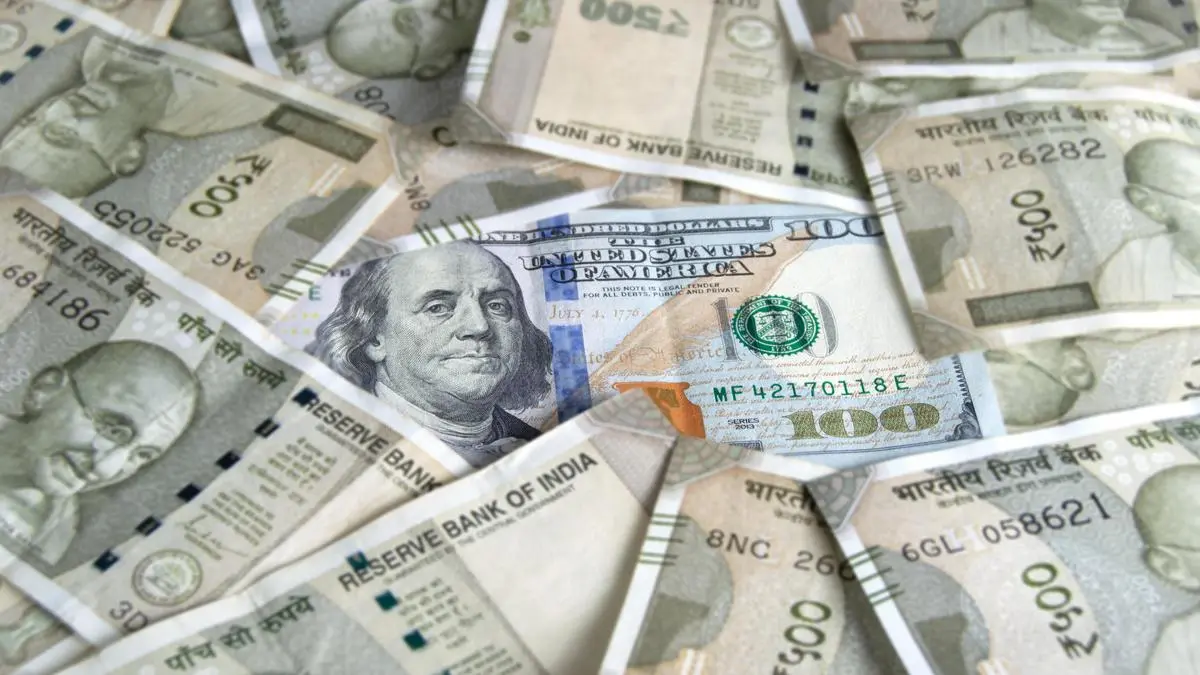
The US Treasury is auctioning $58 billion in 3-year notes, part of a broader debt-issuance week that will see the government tap markets for more than $119 billion across three maturities. Alongside the 3-year offering, the Treasury plans to sell $39 billion in 10-year notes and $22 billion in 30-year bonds, rounding out a full sweep of the yield curve.
The size of the 3-year auction has held steady at $58 billion since at least January 2026, a sign that Treasury is not rushing to expand short-term borrowing even as federal financing needs remain substantial.
What the auction mechanics actually tell us
The metrics bond traders obsess over are the high yield and the bid-to-cover ratio. The high yield for 3-year notes has ranged between 3.5% and 4.3% in 2026, reflecting how much the government is paying to borrow for a short-to-intermediate term. The bid-to-cover ratio, which measures total bids submitted against the amount actually sold, has run between 2.5x and 2.85x in recent months.
Auction results are also broken down by bidder type: primary dealers (the large banks required to participate), direct bidders (institutions buying straight from Treasury), and indirect bidders (a category that captures most foreign central bank demand). The share going to indirect bidders is the one analysts tend to fixate on, because it functions as a rough proxy for international confidence in US fiscal health.