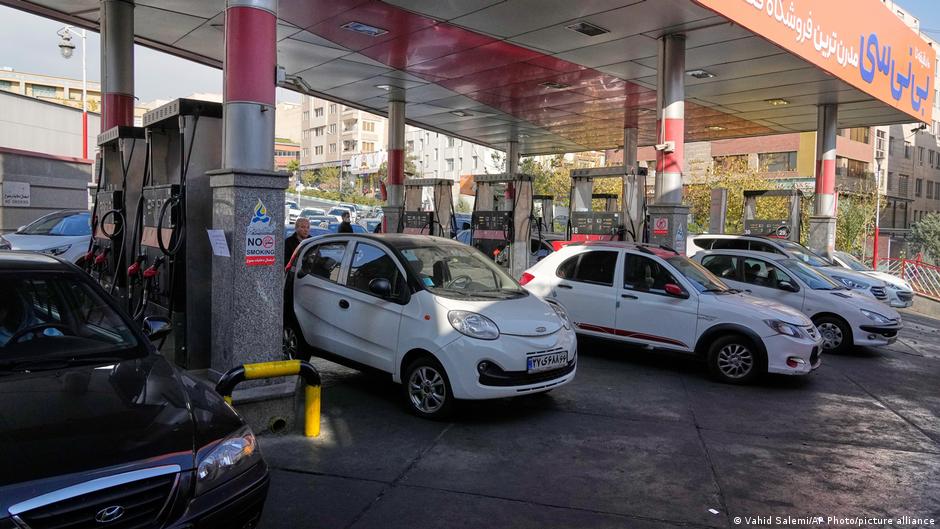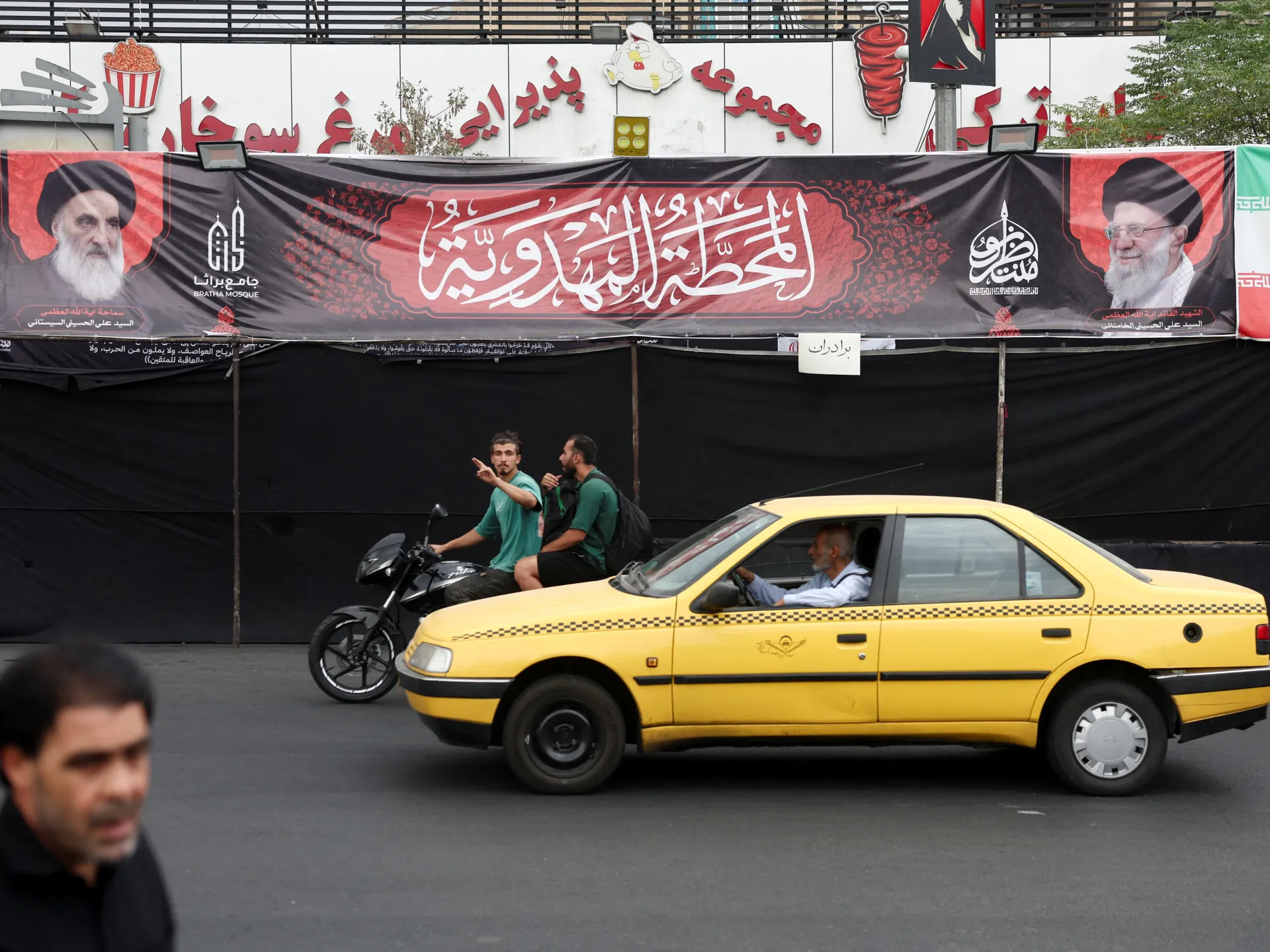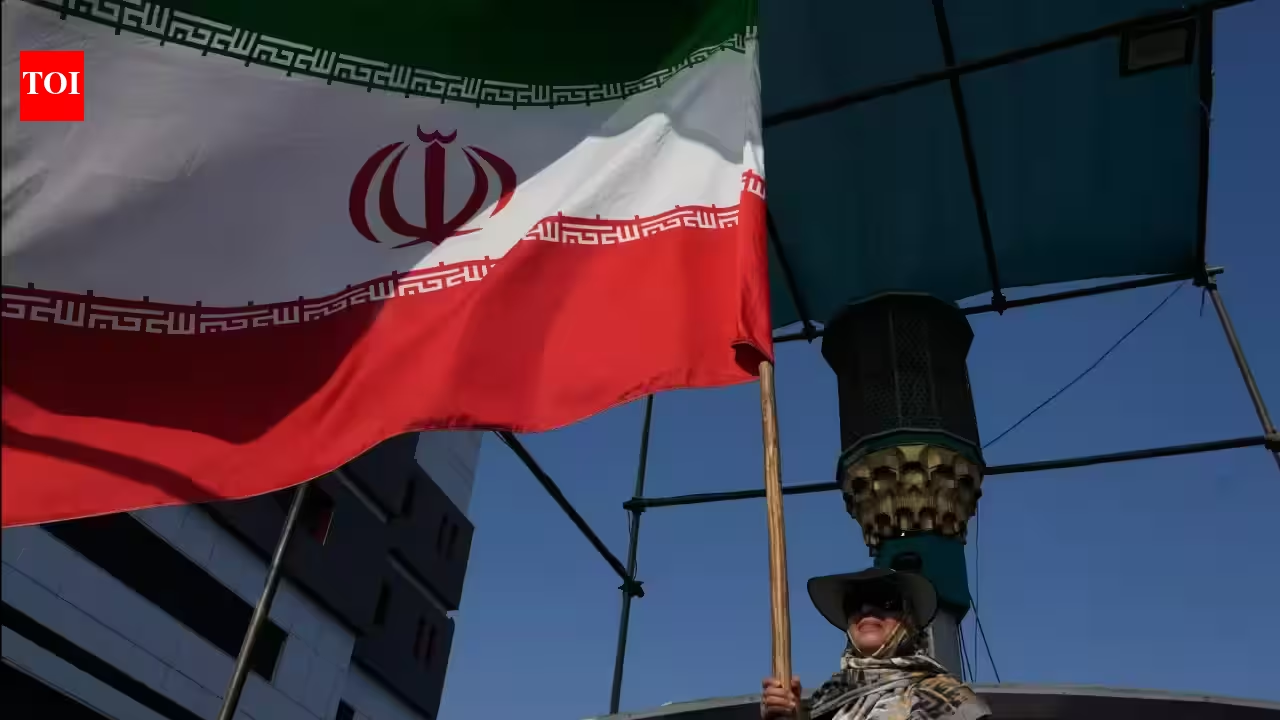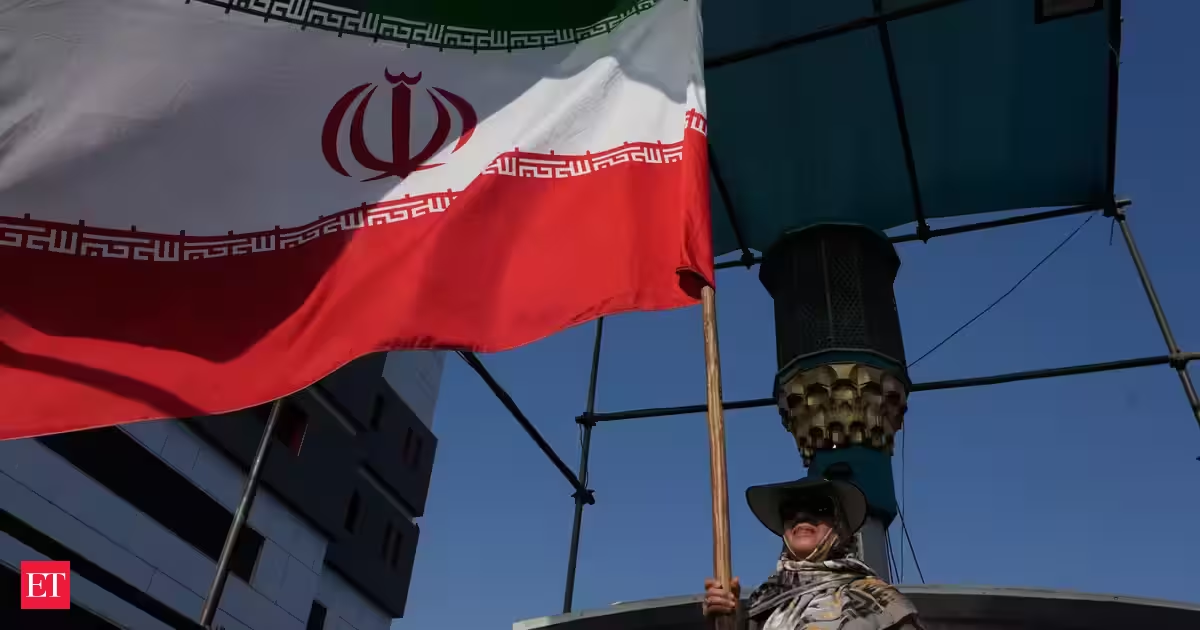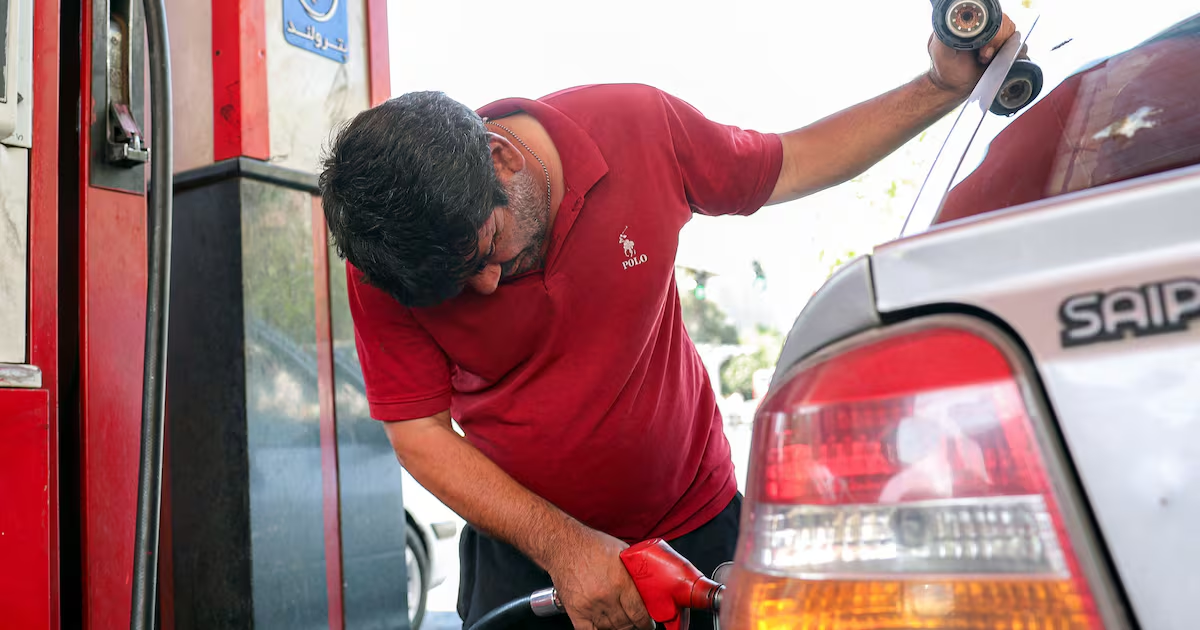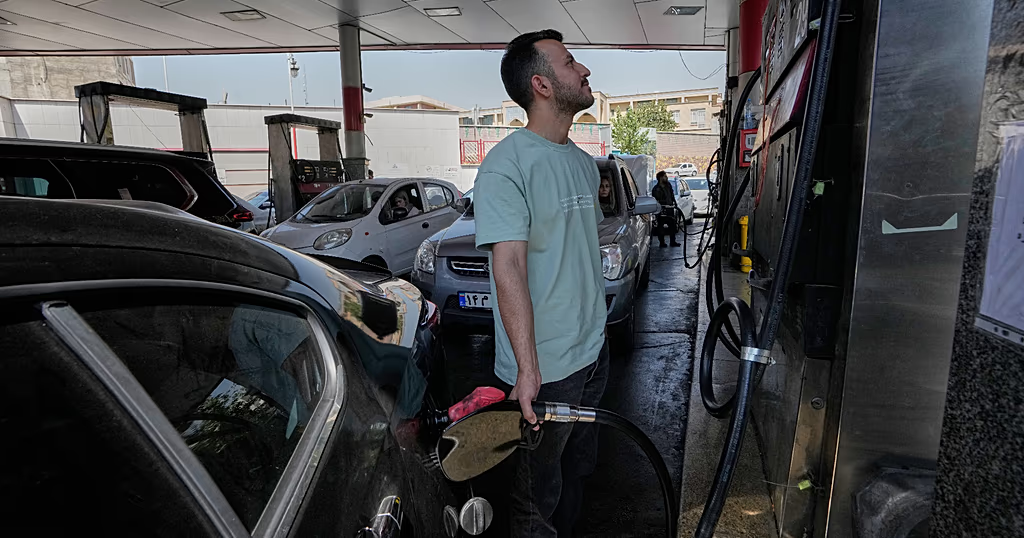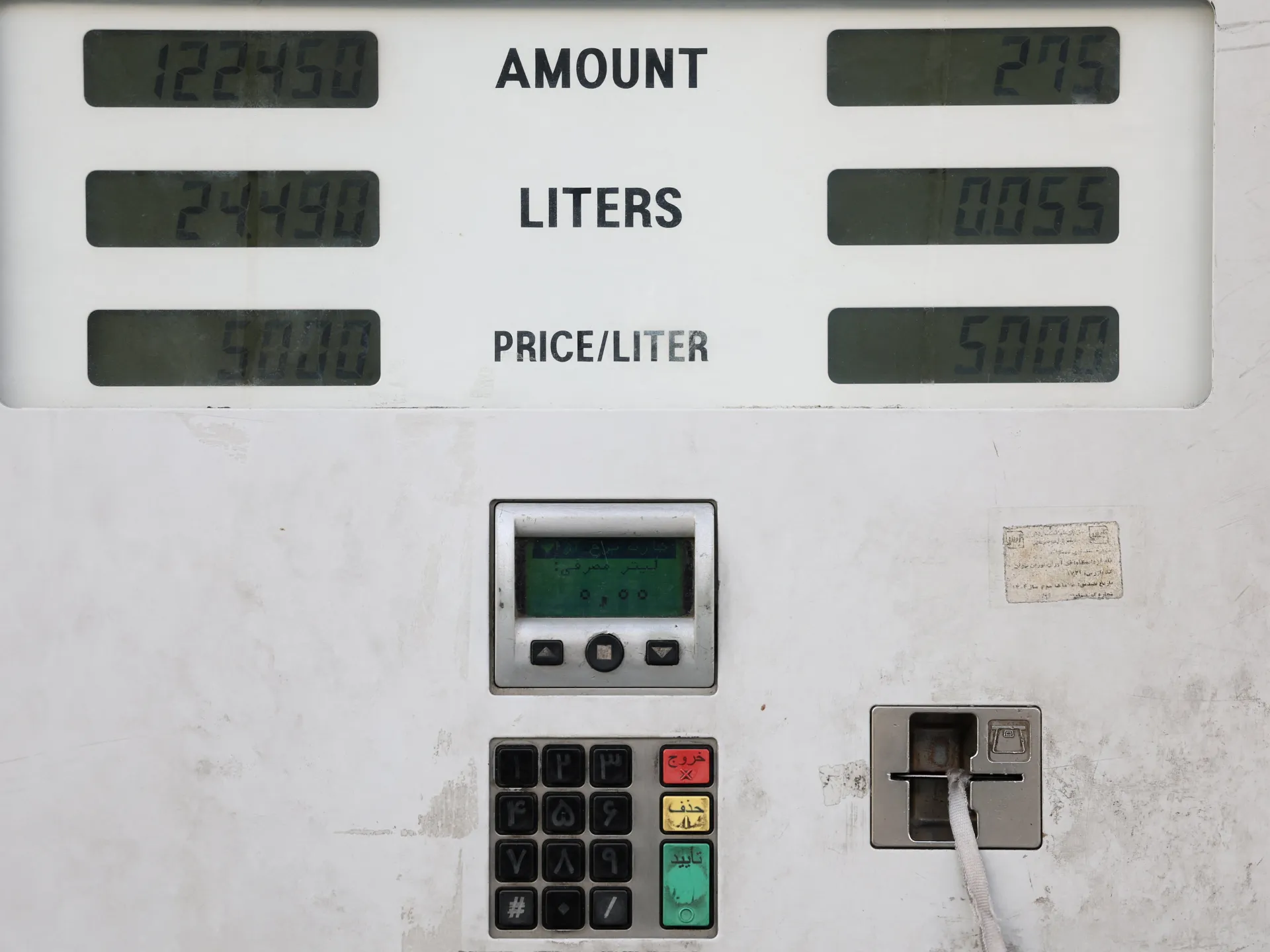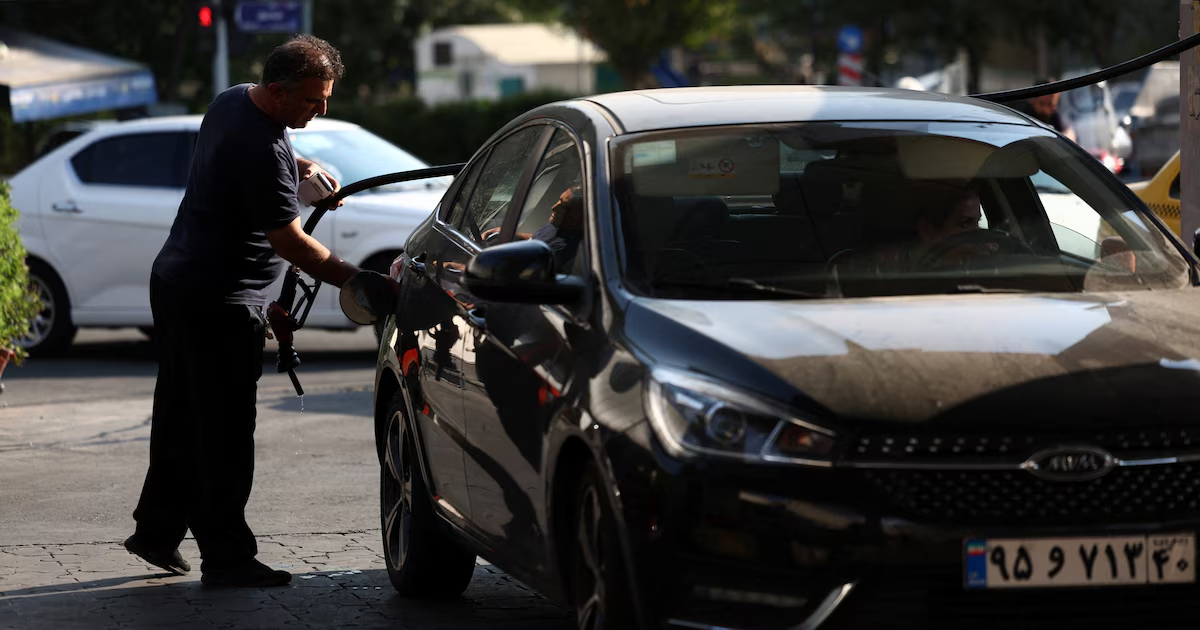
Iran has deployed security forces around fuel stations and on streets across the country following a significant hike in gasoline prices. The increase, which saw the price of third-tier gasoline double, is expected to exert further pressure on household budgets and could lead to rising costs for other goods and services. This development comes as Iran grapples with its second gasoline price hike since December, a move that often ignites public unrest and inflation concerns.
In response to the price increase, Iran has also halted internet services, a tactic previously used to manage public dissent. The official rate for third-tier gasoline increased from 5,000 tomans to 10,000 tomans per liter, affecting motorists who consume more than 110 liters monthly. The inflationary impact of this change is a critical concern, as previous gasoline price hikes have historically led to increased public protests and economic instability.
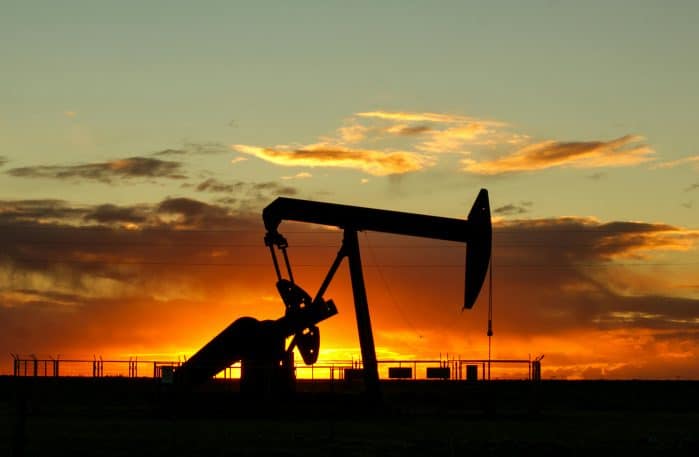
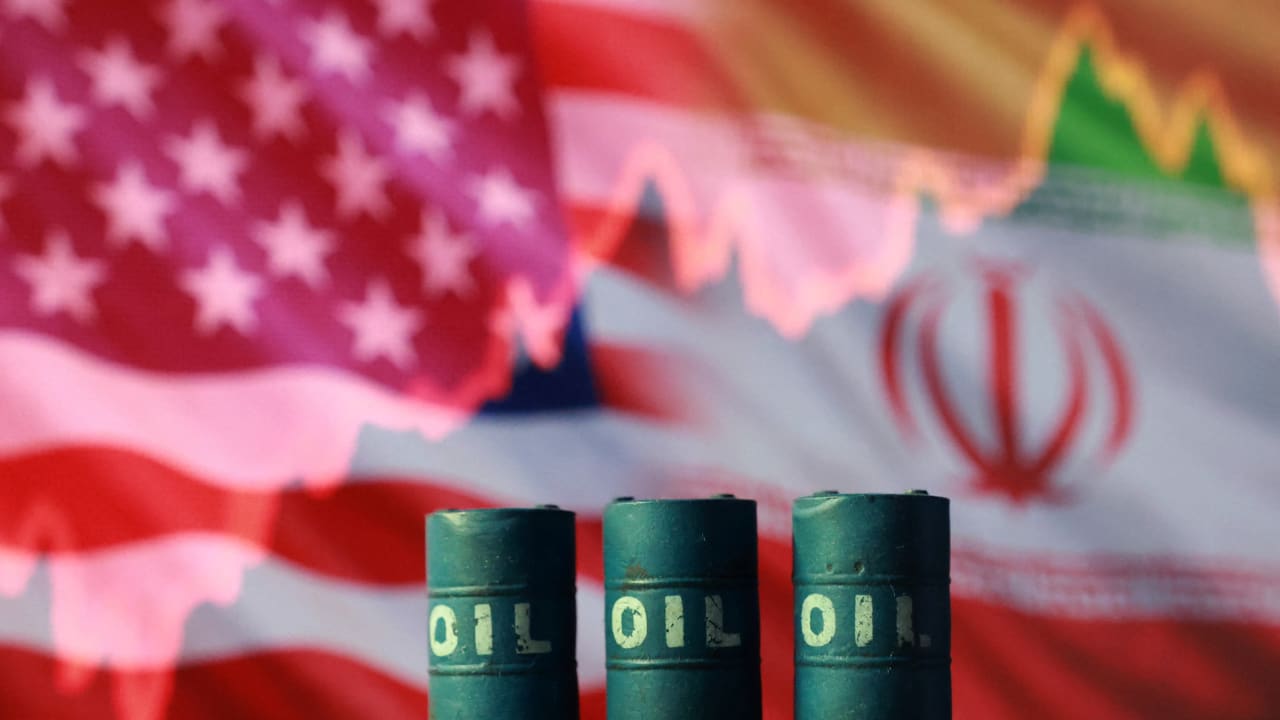
Market participants appear to interpret these developments as potentially impacting the crude oil market. The increased instability in Iran could contribute to higher crude oil prices, as geopolitical tensions often influence global energy markets. Current market pricing for crude oil to reach a new all-time high by September 30 remains low at 1.2% YES, but the December 31 market shows a higher probability at 10.5% YES, reflecting a possible increase in volatility in the upcoming months.