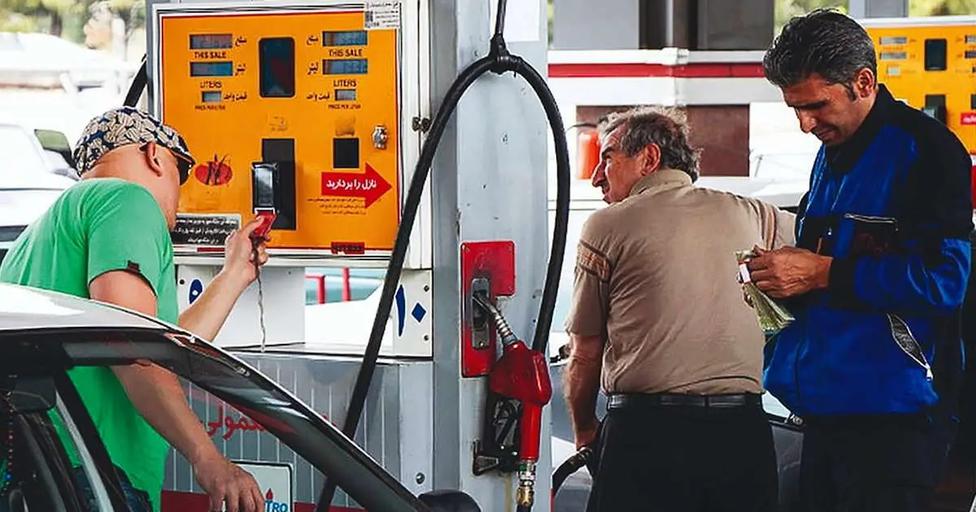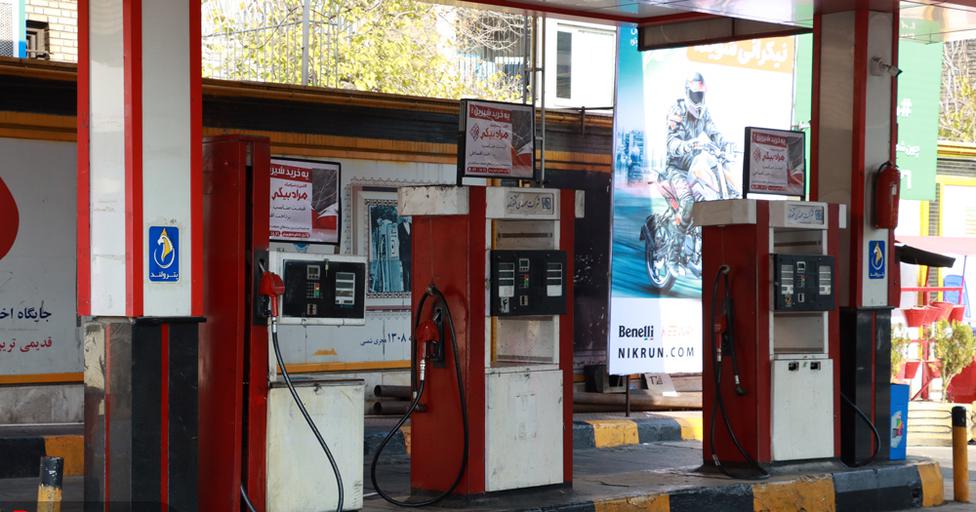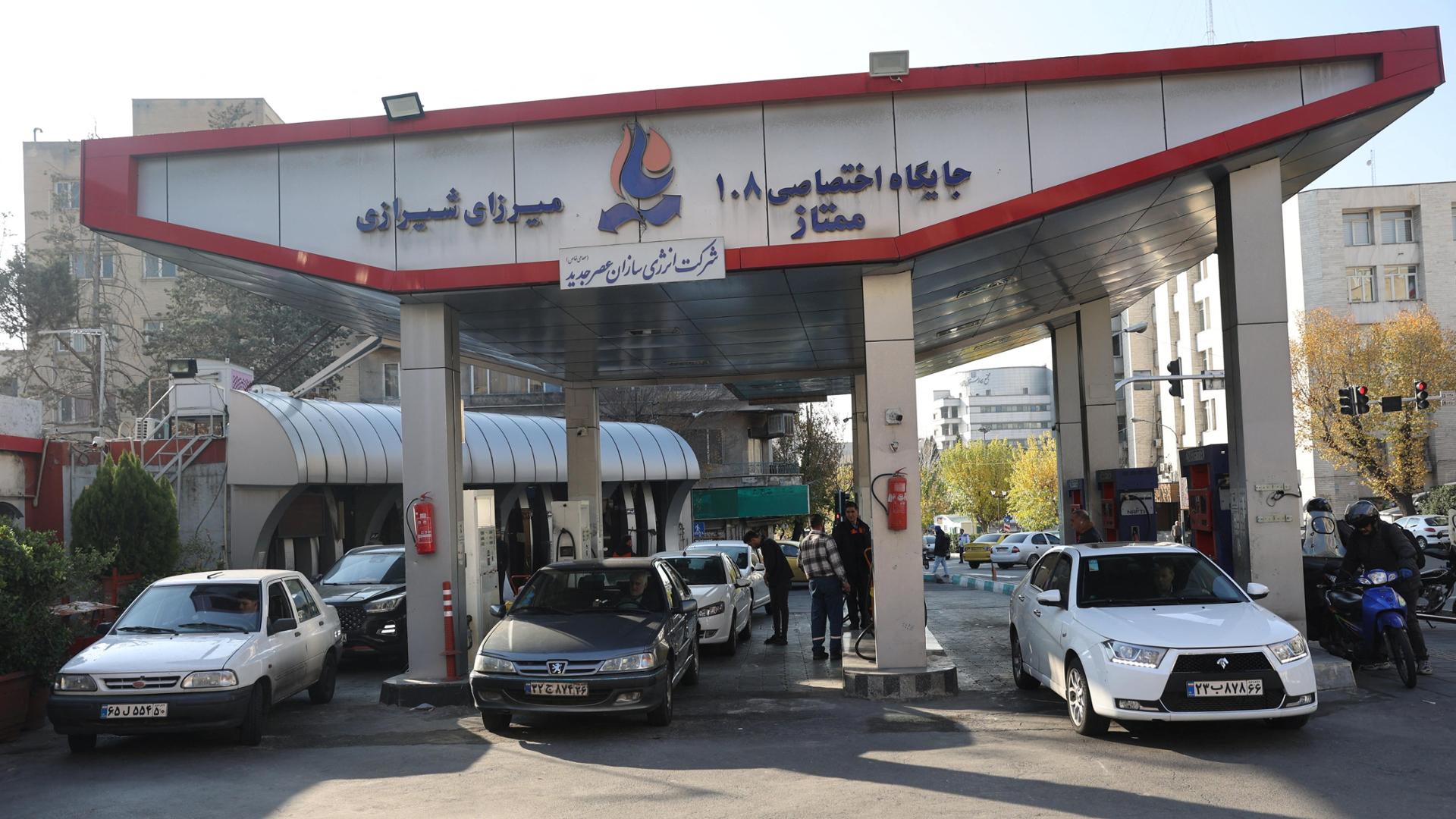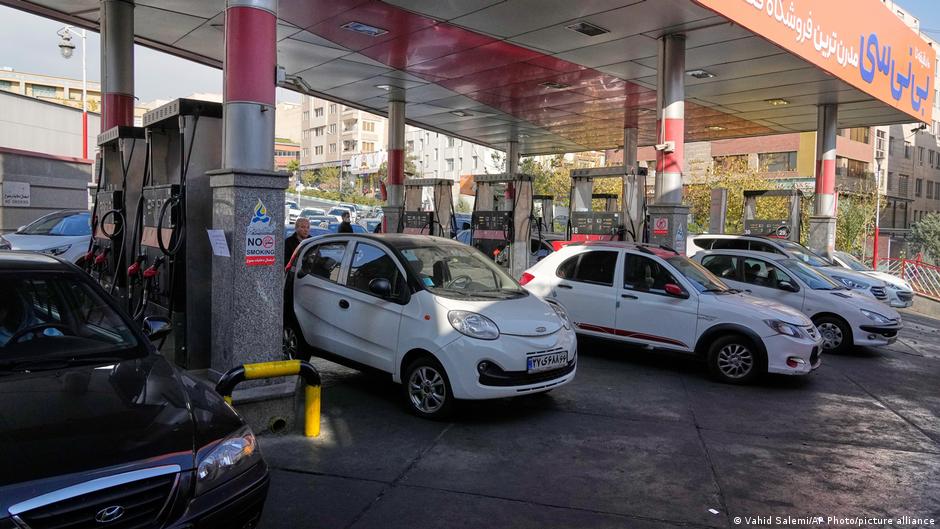
Iranian authorities want to dampen fuel consumption, but a sudden increase in gasoline prices risks social unrest as many Iranian households are already under severe economic pressure.
Iran is moving closer to politically sensitive changes in gasoline pricing as the government struggles with a widening gap between domestic fuel production and consumption, exacerbated by the ongoing conflict with the US.
On July 25, government spokesperson Fatemeh Mohajerani said changes to fuel prices or rationing are "certain and unavoidable," although officials have yet to confirm whether the response will come through new quotas, higher prices or both.
Iran uses a tiered subsidized fuel price system with monthly quotas currently ranging from 1,500 tomans ($0.008) per liter at the lowest rung, to 5,000 tomans ($0.026) at the top. Iranian media have reported the new top rung for gasoline could jump to 10,000 tomans ($0.053) per liter, which would be nearly a 100% increase. The figure has not yet been officially confirmed.
Compared to the rest of the world, gasoline in Iran seems very inexpensive. But after years of sanctions and economic malaise, Iranians are also earning a lot less. Fuel may look exceptionally cheap in dollar terms, but so are the incomes used to pay for it.