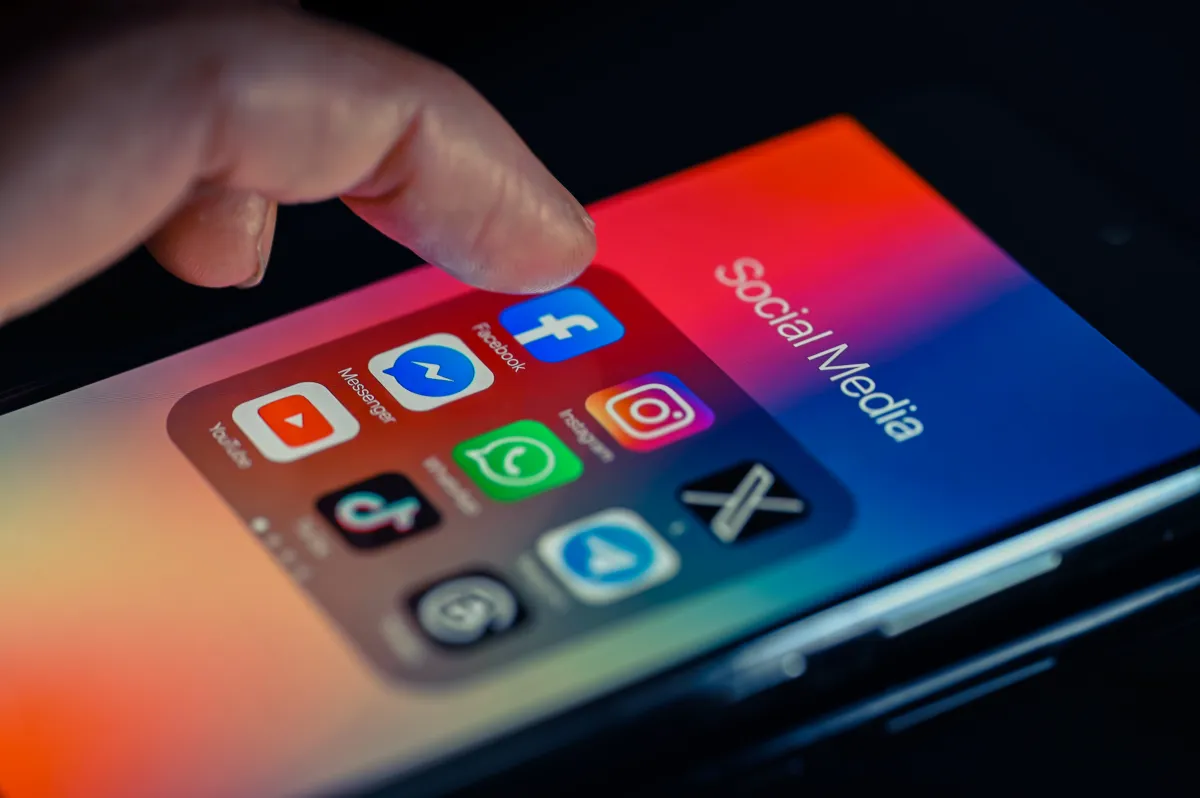
There has always been something a little creepy about the follower. From the earliest days of the social media era the word carried a faint whiff of the compound and the commune, of Charles Manson or Jim Jones. To follow, in ordinary English, is to trail behind someone, to defer, to obey. But an entire communications economy got built on the cheerful assumption that amassing followers was a wholesome ambition, a sign that you had something worth saying.As the platforms grew in reach and scale, the follower count became shorthand for status and proof of influence. To this day you will see it deployed as evidence of raw power. A politician commands millions of followers, a pop star tens of millions, the figures presented as evidence of who matters most.Despite all this, analysts have been predicting the end of the follower for years. The trends they describe are hardly new. Social media platforms that began as chronological timelines, orderly streams of posts from accounts you had subscribed to, have been steadily downgraded or replaced. Facebook and Instagram started weighting feeds by predicted engagement rather than recency more than a decade ago, with Instagram abandoning the purely chronological feed as far back as 2016. TikTok arrived and dispensed with the premise almost entirely, building its whole experience around a For You page that served up strangers rather than friends. YouTube leaned hard into recommendation. One by one, the networks quietly demoted the people you had followed in favour of whatever their ranking systems judged would keep you scrolling.It has taken a surprisingly long time for the implications to be fully grasped. It was Patreon co-founder Jack Conte who coined the phrase “the death of the follower” in a widely shared keynote at the South by Southwest festival in 2024. Conte argued that a follow no longer guaranteed you would reach the person who made it, and that creators should cultivate genuine supporters rather than chase vanity metrics. Others took up the theme. At the Knight First Amendment Institute at Columbia University, researchers set out how these ranking systems actually work, while admitting that the wider research community is unable to observe or explain the feedback loops of human behaviour they set in motion. The machines that now shape public attention gave rise to a cascade of social and psychological effects that are only imperfectly understood.It is fair to say that these developments have not been universally welcomed, including among those who built their business models on the back of the old rules. The marketing industry spent 15 years persuading clients that followers were the goal. A recent trend report from US agency MDRN Logic, also titled The Death of the Follower (these things catch on quickly), counsels brands to stop hoarding followers and instead earn attention afresh with every post, cultivating a recognisable voice rather than mere volume and behaving more like a personality with a point of view. Some of may feel the last thing the world needs is more brands with a point of view, but that’s a subject for another day.Why is dangerous driving hard to police on social media? Video: Bryan O'Brien Editor: Eoin Ronayne More broadly, the uneasy sense that we have lost control of our own feeds is curdling into a more existential sense of dread. That was visible in the debate following last month’s crash on the M9, in which five teenage boys died when their car was driven the wrong way down the motorway Kildare, seriously injuring the four occupants of a car travelling in the correct direction. A grim consensus quickly formed, running from gardaí to child psychologists, that recommendation engines designed to amplify whatever provokes the strongest reaction helped feed a culture of recklessness performed for an audience. The question of who is being served this material, and why, is belatedly being asked.Some are trying to fight back. The steady drift of X/Twitter to the right since Elon Musk’s acquisition drove waves of refugees to the alternatives. Mastodon offers no algorithm at all, only the accounts you choose in the order they posted. Bluesky lets users select or build their own feeds, a deliberate rebuke to the opaque engagement machines of the incumbents. The pitch, in each case, is a return of agency to the person doing the scrolling. But it is far from clear that either platform is achieving critical mass, and Bluesky in particular has been criticised for creating a monoculture where ideological conformity is rigidly enforced.[ M9 crash exposes limits of rules on social media giants when it comes to online harmsOpens in new window ]It’s easy to rage against the machine. It’s harder to propose a viable alternative. But there are advocates and activists who believe that agency can and should be returned to the individual human user. The most recent case for a more optimistic vision comes from Mark Little, the former RTÉ correspondent and founder of Storyful, whose new book, The Last Good Day on the Internet, published next week, argues that we are entering an “age of intention” in which ordinary people reclaim agency. Little acknowledges that recommendation systems have been silently mining our subconscious desires for more than a decade, but retains a belief in the more open and egalitarian principles that animated much of the early years of the internet can be revived. I would love to share his hope but I fear it is misplaced. These decentralised havens and digital commons remain minnows beside the tech giants, and the oligarchs who run them have not the slightest intention of surrendering their power without a fight.
Social media’s age of the follower is replaced by tyranny of the recommender machine
It’s easy to rage against the machine. It’s harder to propose a viable alternative
934 words~4 min read