Academia
Indonesia can always scramble cash after tragedy strikes, but with national buffers tied up and disasters arriving back-to-back, running preparedness on a shoestring is a gamble we can no longer afford.
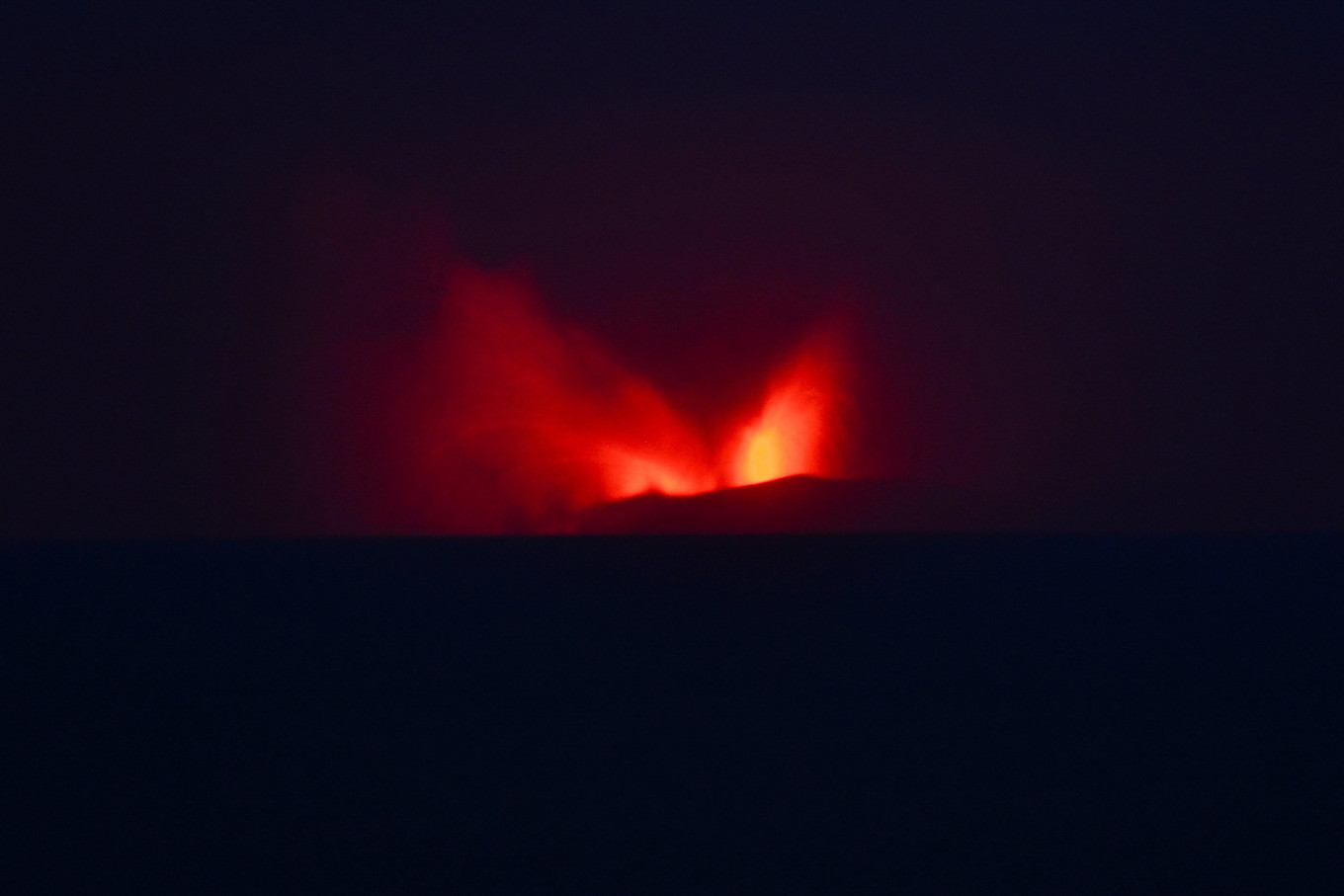
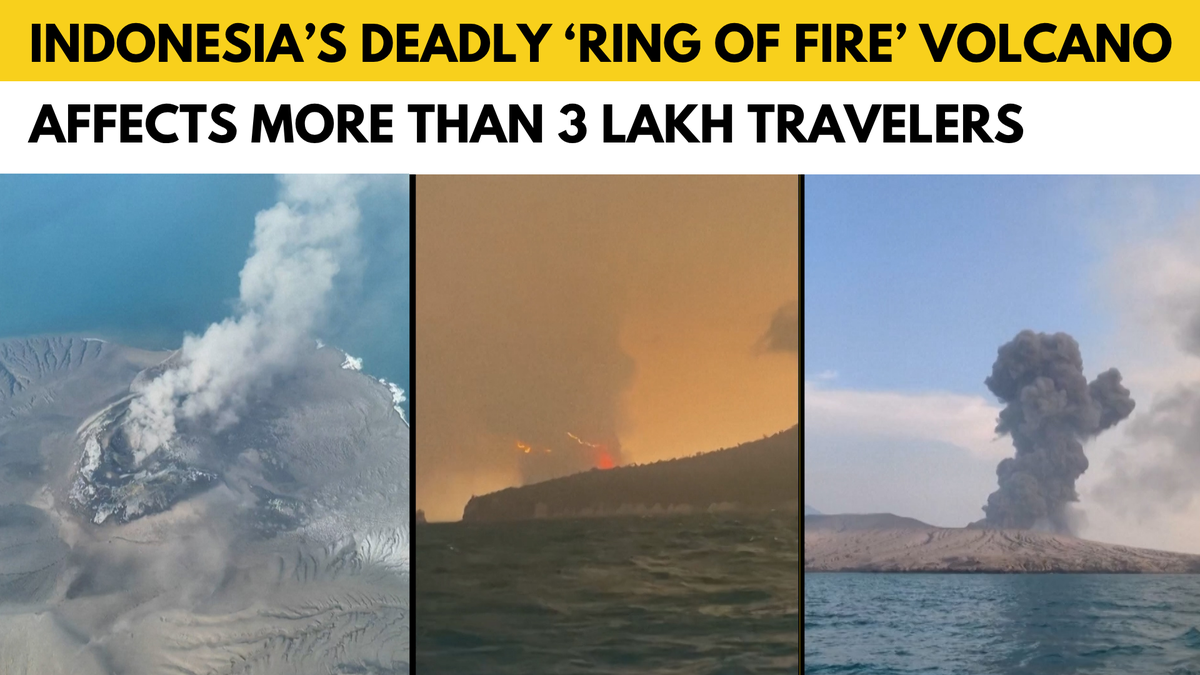
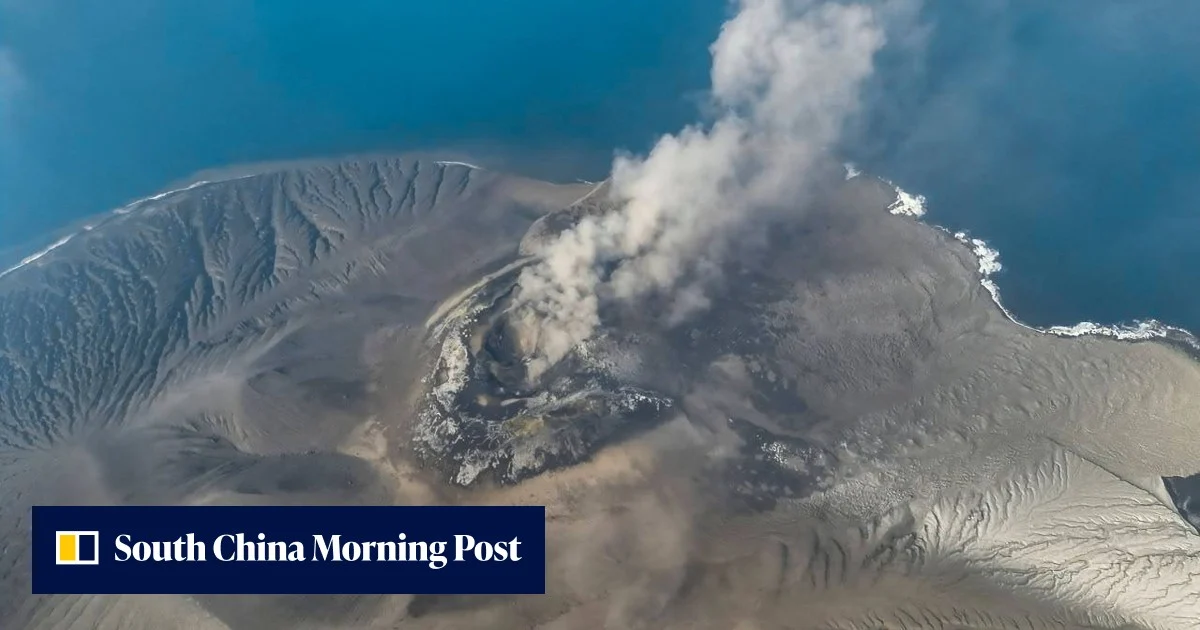
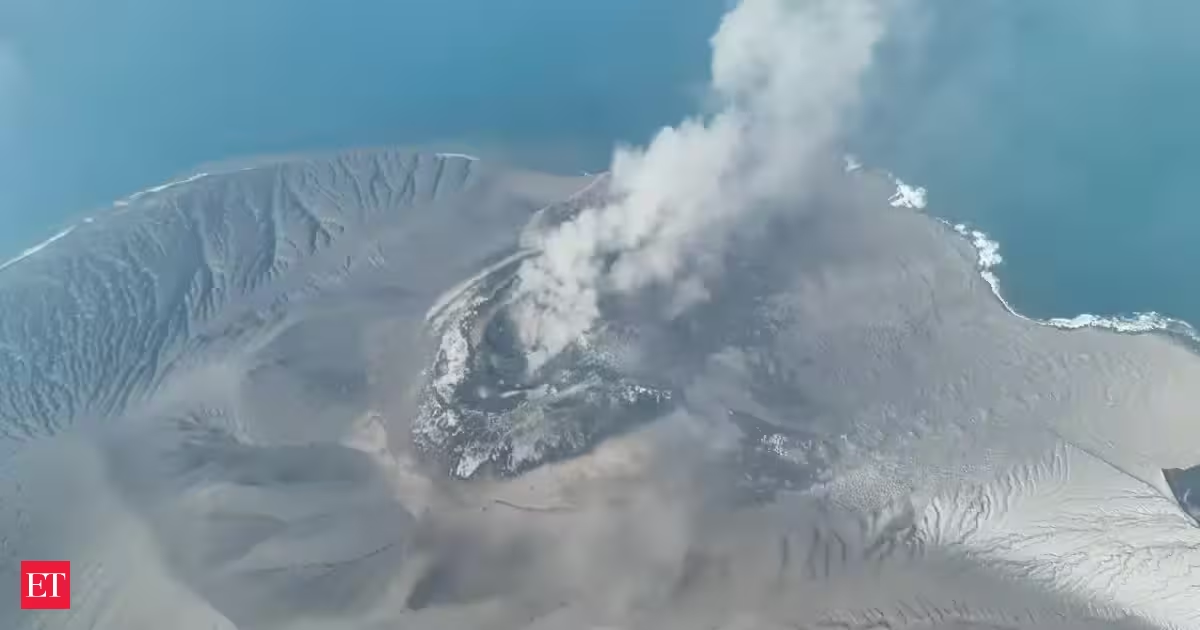
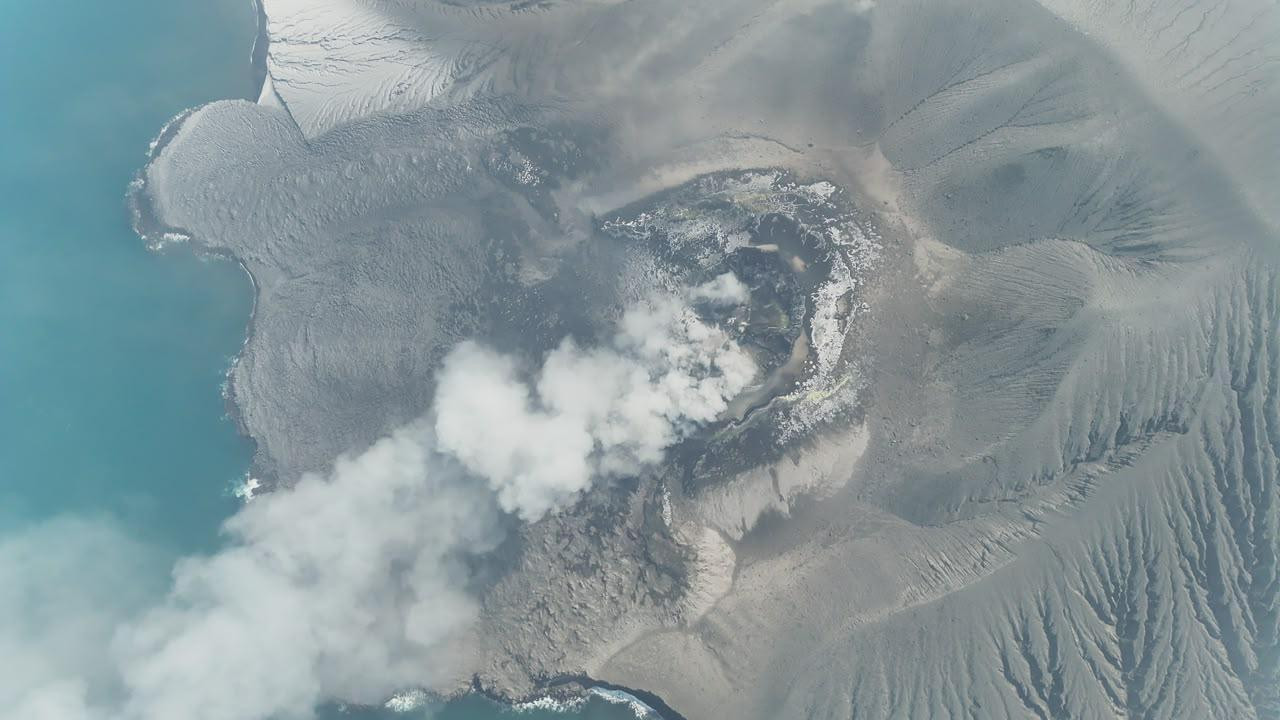
Anak Krakatau volcano erupts as documented by a team from the Center for Volcanology and Geological Hazard Mitigation at the Meteorology, Climatology and Geophysics Agency (BMKG) on Sept. 5, 2026. (Courtesy: Geological Agency/-)
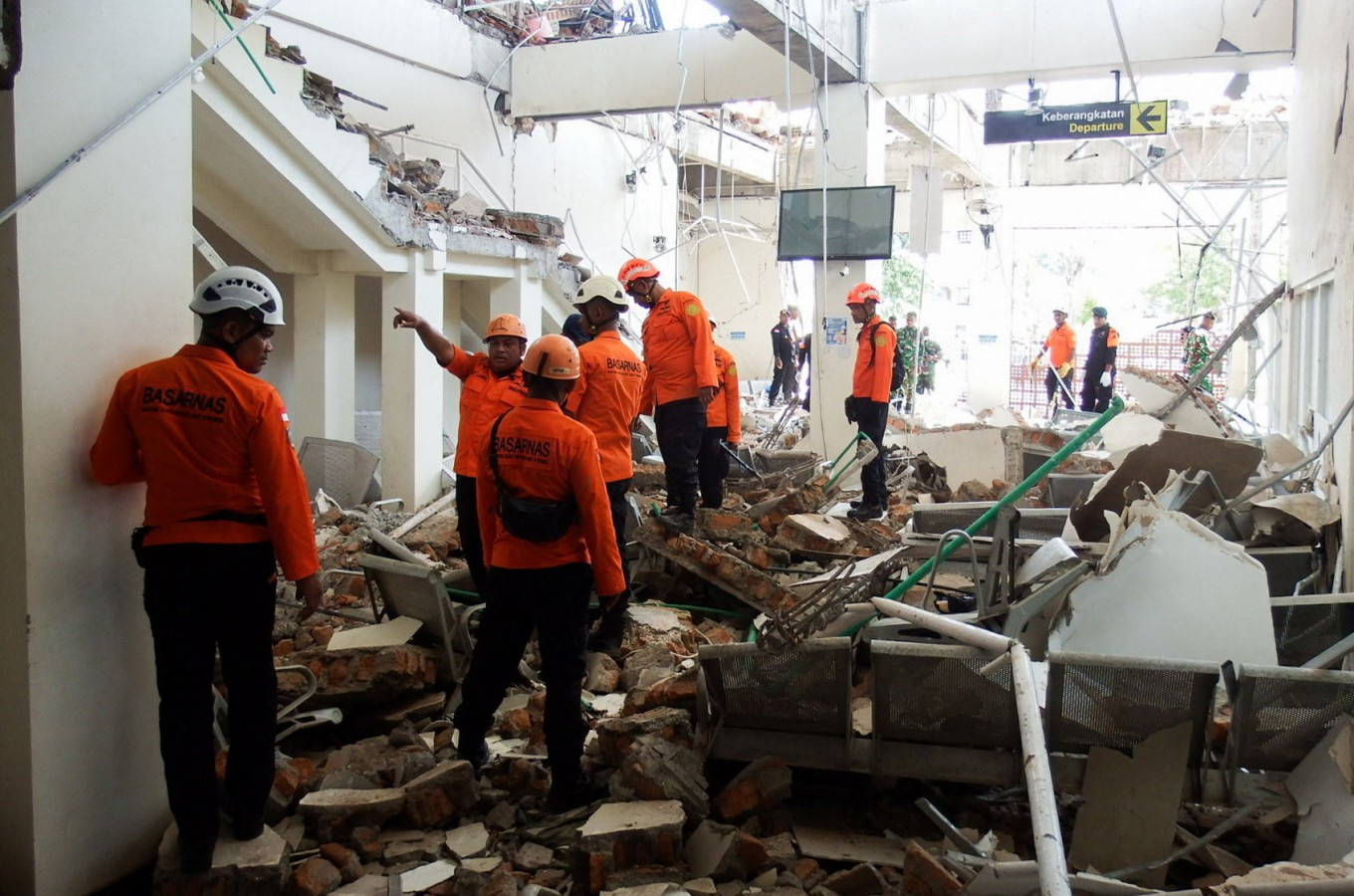
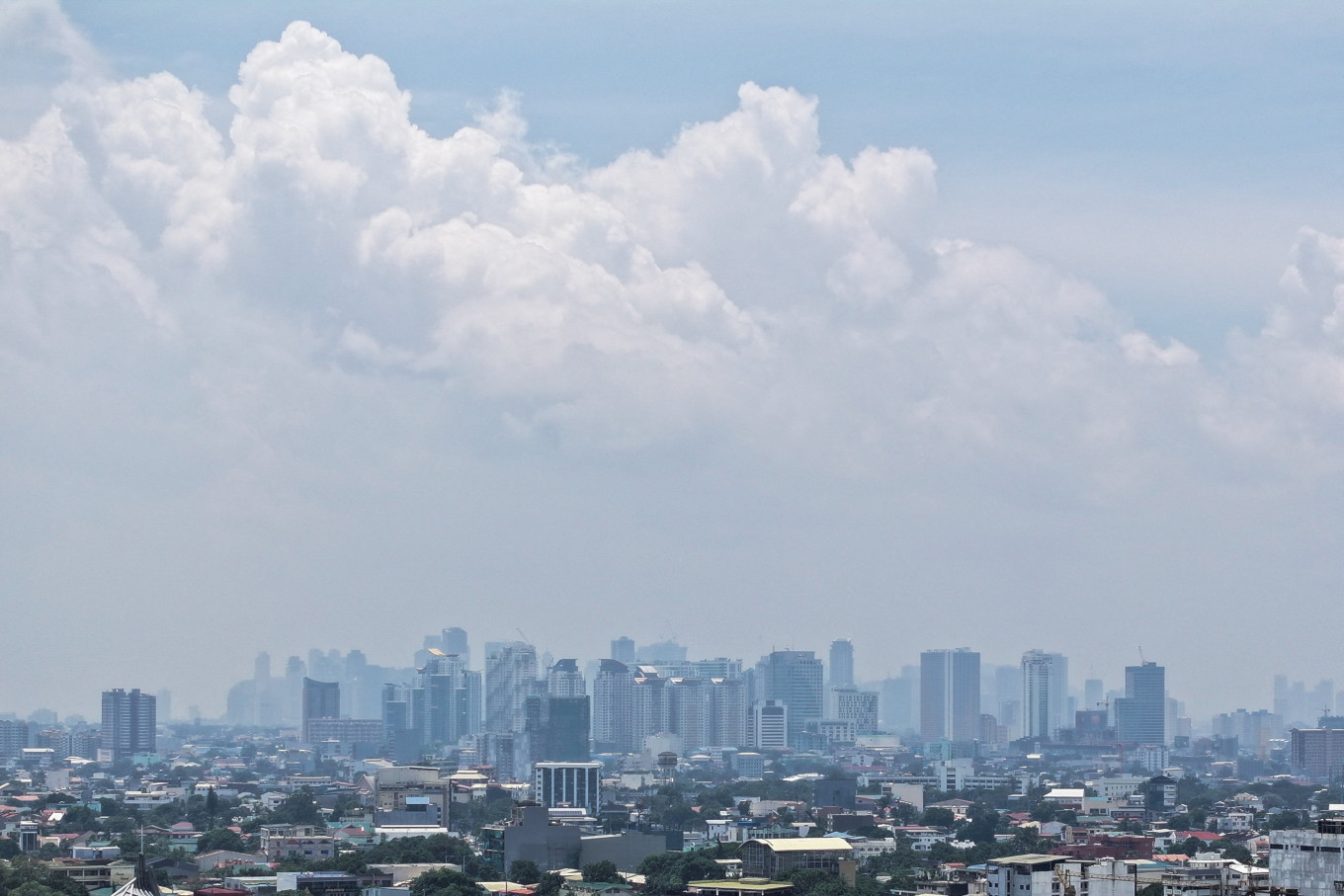
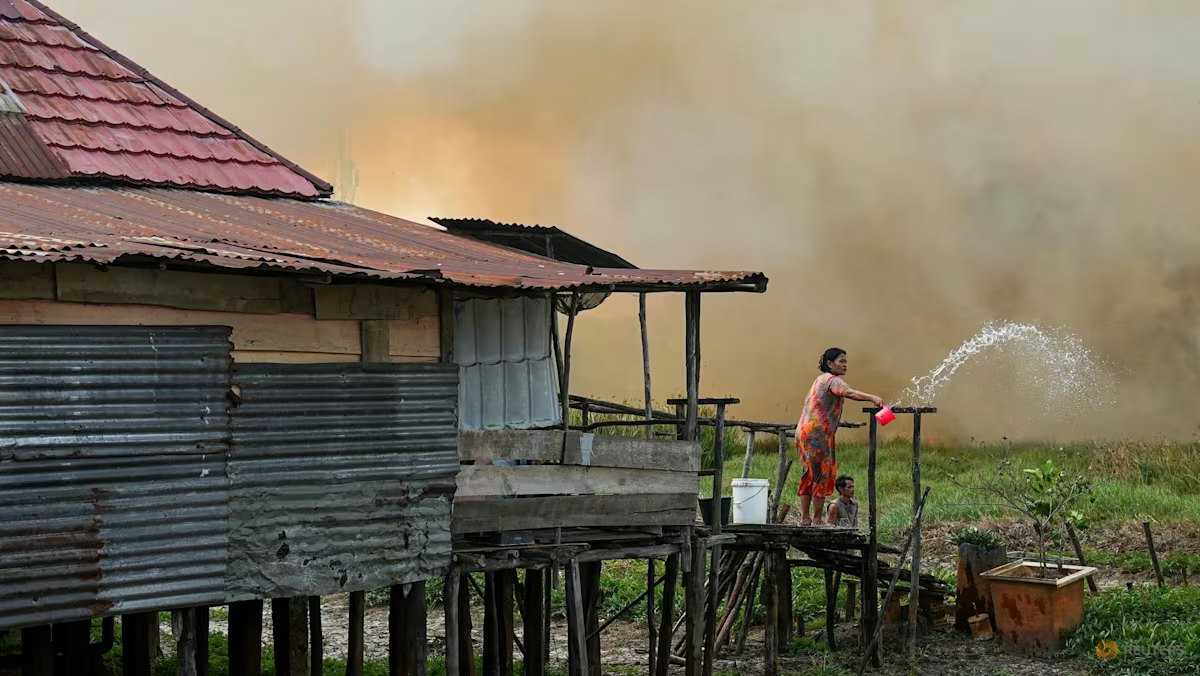
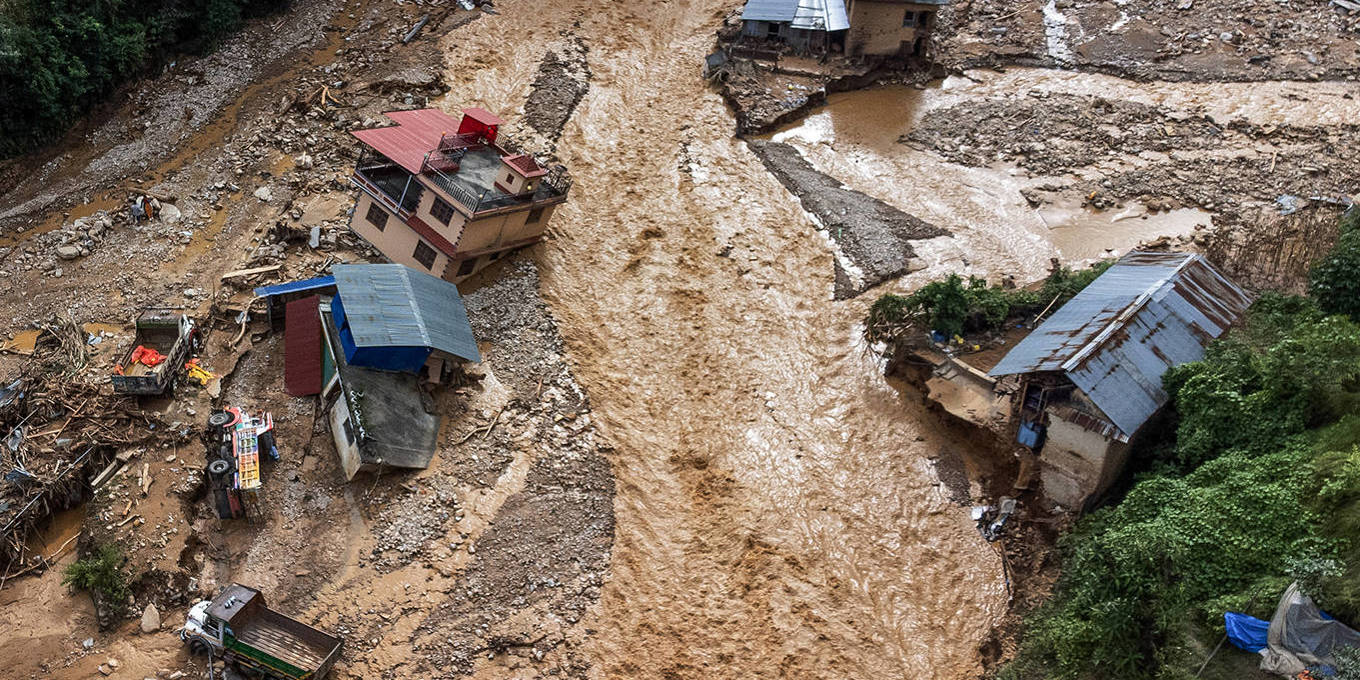
Indonesia has faced an unrelenting convergence of hazards over recent weeks. The dust has barely settled from the major earthquake in Flores, leaving behind a mounting humanitarian crisis and a heavy reconstruction burden, while Anak Krakatau, Sinabung, Semeru, and several other volcanoes have flared into life.At the same time, an intense El Niño has stoked droughts and peatland fires across Sumatra and Kalimantan, choking rivers, snarling supply chains, worsening air quality and threatening crop yields.
None of this is new to Indonesia. What makes this round so punishing is the sheer compression of events: disaster upon disaster, arriving well before communities have managed to rebuild from the last.