Gold is holding steady near $4,400 an ounce as traders try to parse two competing forces: escalating Middle East tensions that should, in theory, push the metal higher, and a weakening US dollar against the Japanese yen that’s doing exactly that.
A year of whiplash
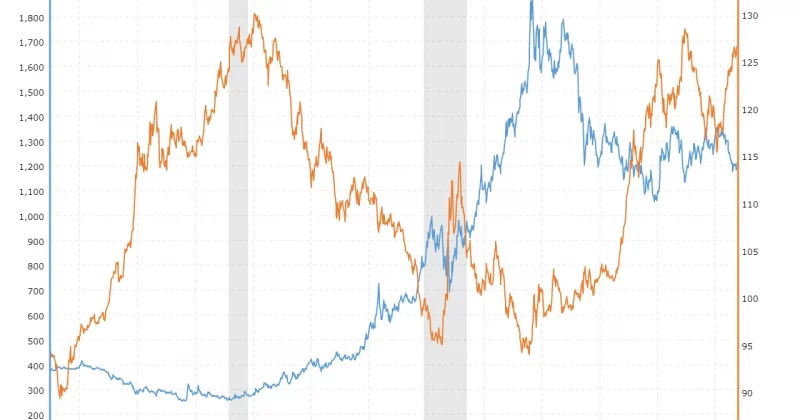
In January, gold was trading above $5,500, riding a wave of optimism and momentum that made the metal look practically unstoppable. Then the US-Iran conflict escalated sharply, with initial strikes landing on February 28, and gold’s trajectory got a lot more complicated.
The instinctive reaction was predictable: investors piled into gold as a safe haven. But the conflict sent oil prices surging, which ratcheted up inflation expectations, which in turn raised the specter of additional Federal Reserve rate hikes. Higher rates make non-yielding assets like gold less attractive relative to bonds and other interest-bearing instruments.
Gold fell hard, dropping to lows in the $4,000 to $4,100 range at various points throughout the year. That’s a decline of more than 25% from the January peak. The metal has since clawed back some of those losses, settling near $4,400.