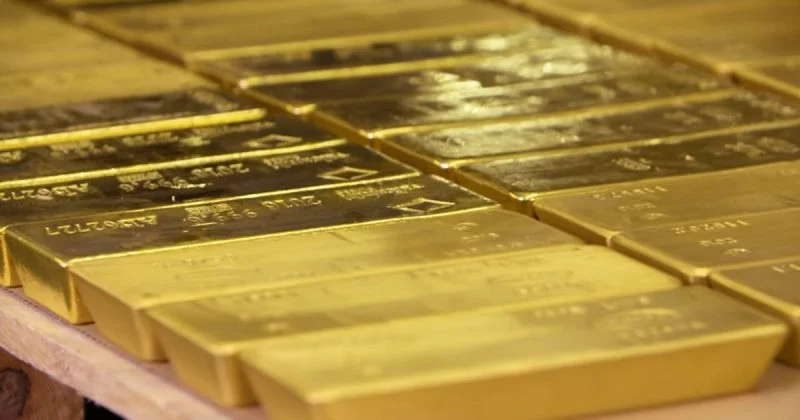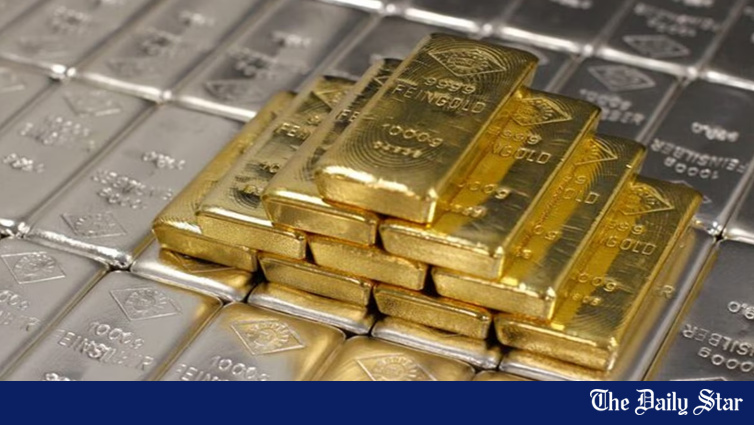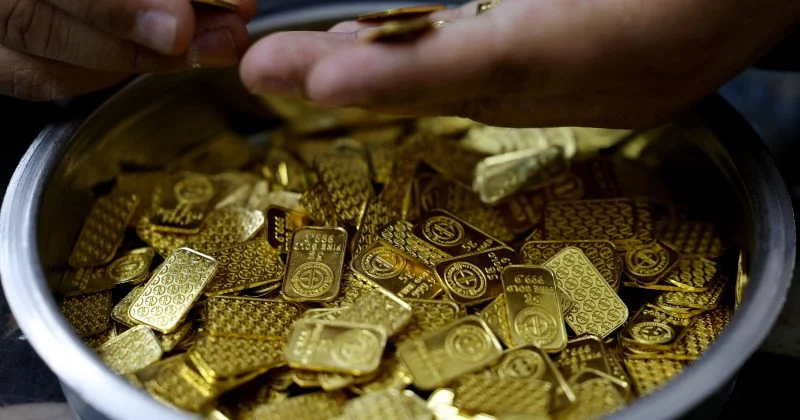
Gold is doing something it’s not supposed to do during a geopolitical crisis: going sideways. Spot prices have been hovering around $4,140 per ounce in early July, a far cry from the $5,598 record set back in January 2026. That’s a 26% decline in roughly six months, which is the kind of drawdown that makes “safe haven” sound more like a marketing slogan than a market reality.
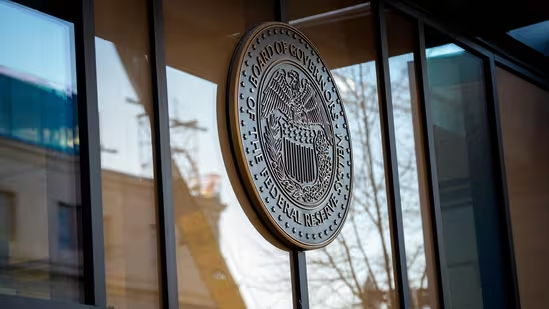
The metal’s muted performance comes as investors try to reconcile two competing forces: escalating conflict in the Middle East that should, in theory, send gold soaring, and the growing likelihood of Federal Reserve rate hikes that make holding a non-yielding asset feel increasingly expensive.
The Middle East factor isn’t working the way it used to
Tensions involving Iran, the US, and Israel have been escalating for months. Incidents in the Strait of Hormuz have rattled energy markets and injected fresh uncertainty into global asset pricing. Oil prices have climbed as a direct result of regional instability.
Instead, gold is 19% below where it was trading at the end of February, before the Iran conflict intensified. The reason is deceptively simple: higher oil prices feed inflation expectations, inflation expectations feed rate hike bets, and rate hike bets feed dollar strength. Gold gets squeezed from both sides.