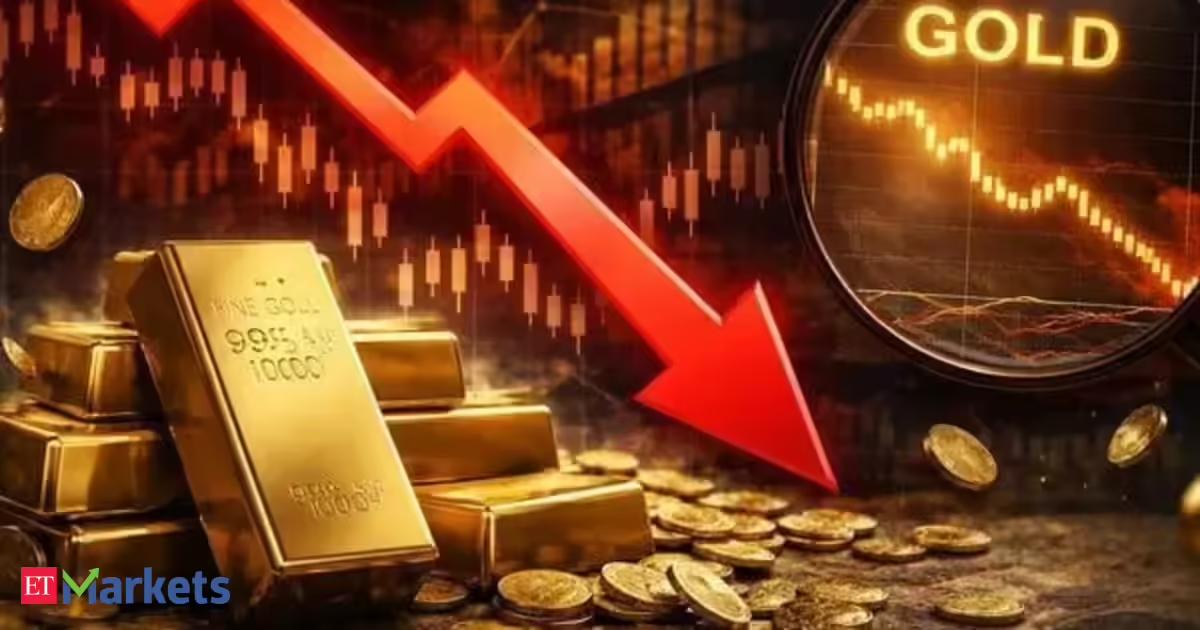
Gold caught a bid on Wednesday after touching its lowest level in six months, but the bounce came with an asterisk. Rising expectations for a Federal Reserve rate hike are capping any meaningful recovery, leaving bullion investors stuck in what has become a genuinely painful stretch.
Spot gold hit an intraday low of roughly $4,023 per ounce on June 11, a price that would have seemed unthinkable at the start of the year. From there it climbed back into a range between $4,079 and $4,334 during the session, driven largely by short-covering rather than any fresh wave of conviction buying.
How gold ended up in bear market territory
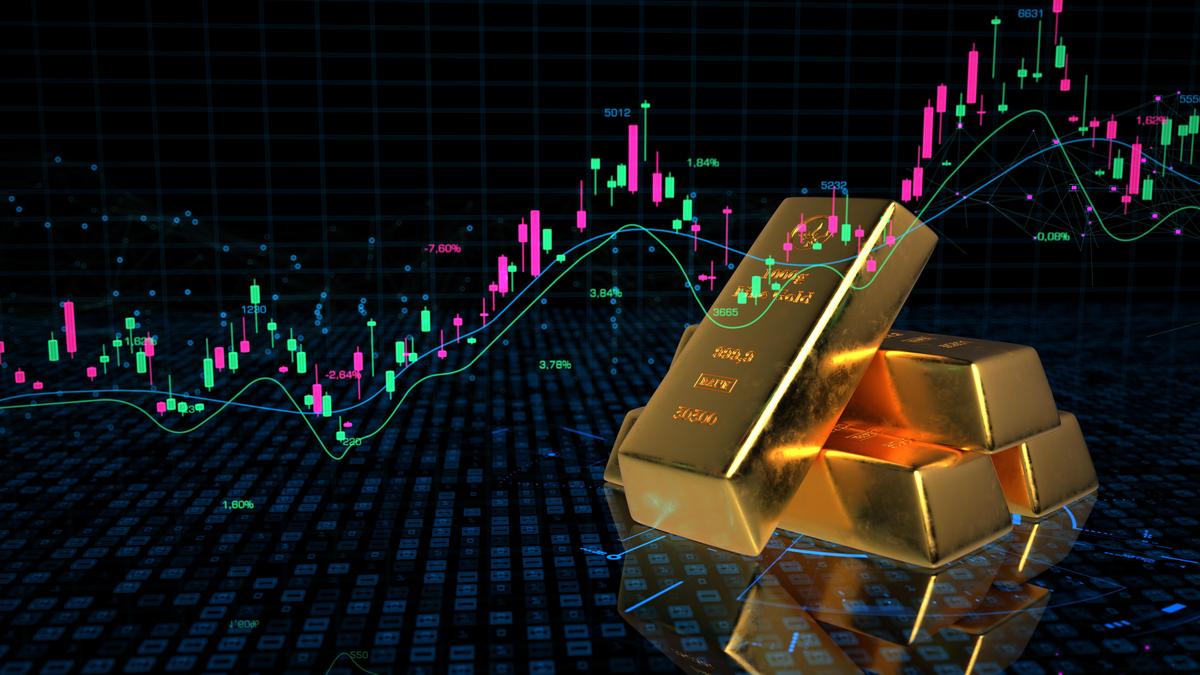
Gold is now down more than 20% from its January 2026 peaks. The metal has also slipped below its 200-day moving average for the first time since 2023.
The culprit behind this slide is straightforward: the US economy refuses to cooperate with the rate-cut narrative that gold bulls were banking on. Stronger-than-expected jobs data from May shifted the entire interest rate picture in a matter of weeks. December rate-hike odds jumped from around 14% to somewhere in the 43% to 72% range within a single month. Markets are now pricing in a greater than 70% probability that the Fed raises rates by December.