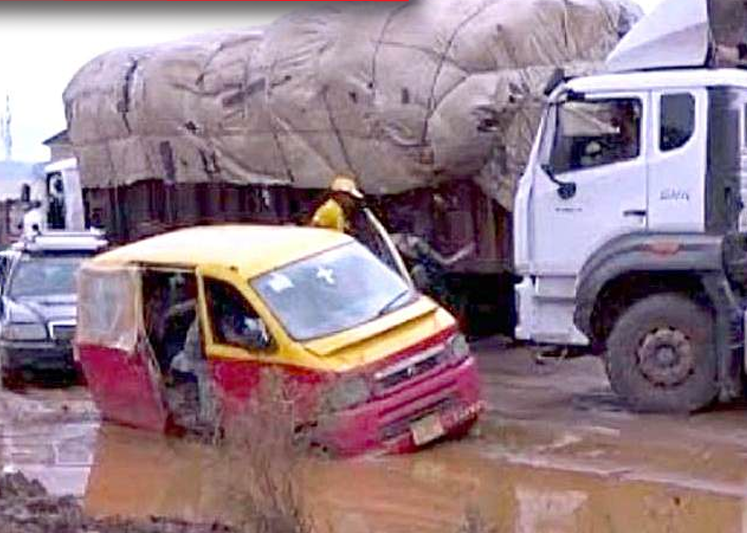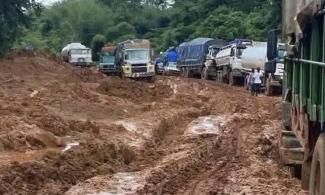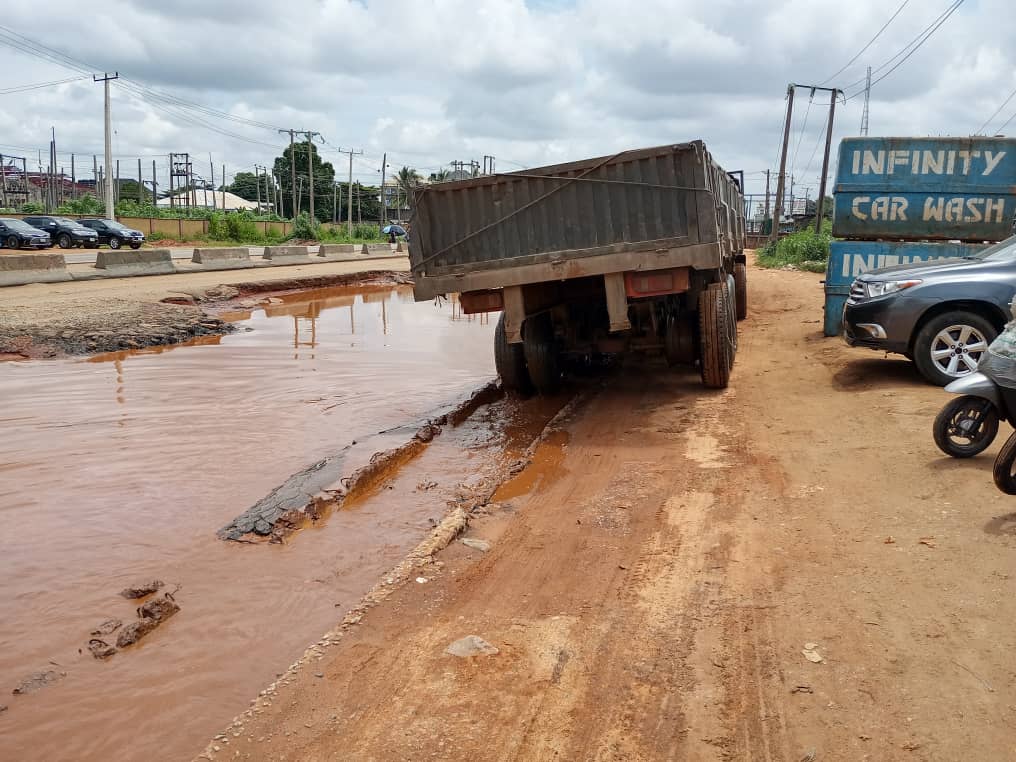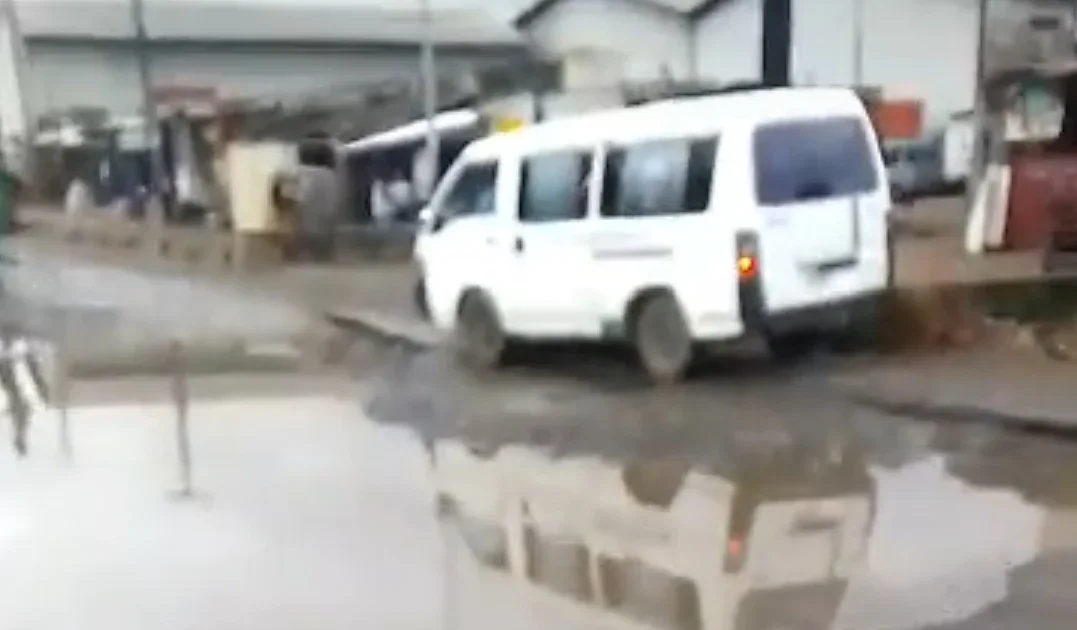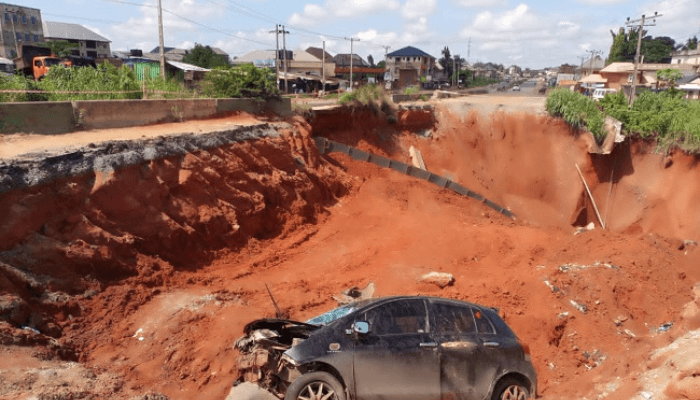
For successive administrations in Nigeria, the battle to salvage failing road infrastructure has posed an unnecessary challenge. The worsening condition of roads across the country, has consequently driven many people to prefer air travel. But, with humongous airfares, a conundrum has arisen, as many travellers are now unable to afford plane tickets. The Benin–Asaba and Lagos–Ore highways, for example, are in such poor condition that commuters have endured nightmares – sometimes spending more than 72 hours on a journey that should take no more than seven or eight hours. The dangers scarcely need spelling out, particularly the risk of being kidnapped in traffic caused by dilapidated roads. Constitutionally, the security and welfare of the people is the primary purpose of government. Bad roads promote insecurity: criminals operate more easily when road users slow down to negotiate perilous stretches. What can be done to remedy this? To whom does the responsibility to fix the roads lie – the Federal or State Governments? Who can be held accountable? The lives of Nigerians are unsafe when the road network is in this condition, quite apart from the resulting damage to commerce and economic growth. Jonathan Gunu Taidi, SAN and Chiedu Ebie discuss the issues and proffer solutions to these problems
Road or Air Travel: The Narrowing Choices of Nigerian Commuters
For successive administrations in Nigeria, the battle to salvage failing road infrastructure has posed an unnecessary challenge. The worsening condition of roads across the country, has consequently driven many people to prefer air travel. But, with humongous airfares, a conundrum has arisen, as many travellers are now unable to afford plane tickets. The Benin–Asaba and Lagos–Ore highways, for example, are in such poor condition that commuters have endured nightmares – sometimes spending more than 72 hours on a journey that should take no more than seven or eight hours. The dangers scarcely need spelling out, particularly the risk of being kidnapped in traffic caused by dilapidated roads. Constitutionally, the security and welfare of the people is the primary purpose of government. Bad roads promote insecurity: criminals operate more easily when road users slow down to negotiate perilous stretches. What can be done to remedy this? To whom does the responsibility to fix the roads lie – the Federal or State Governments? Who can be held accountable? The lives of Nigerians are unsafe when the road network is in this condition, quite apart from the resulting damage to commerce and economic growth. Jonathan Gunu Taidi, SAN and Chiedu Ebie discuss the issues and proffer solutions to these problems