Editorial
As Washington pushes allies to gang up on Beijing, Indonesia must resist the pressure and stay true to its non-aligned roots, or risk becoming the mouse deer crushed between two fighting elephants.
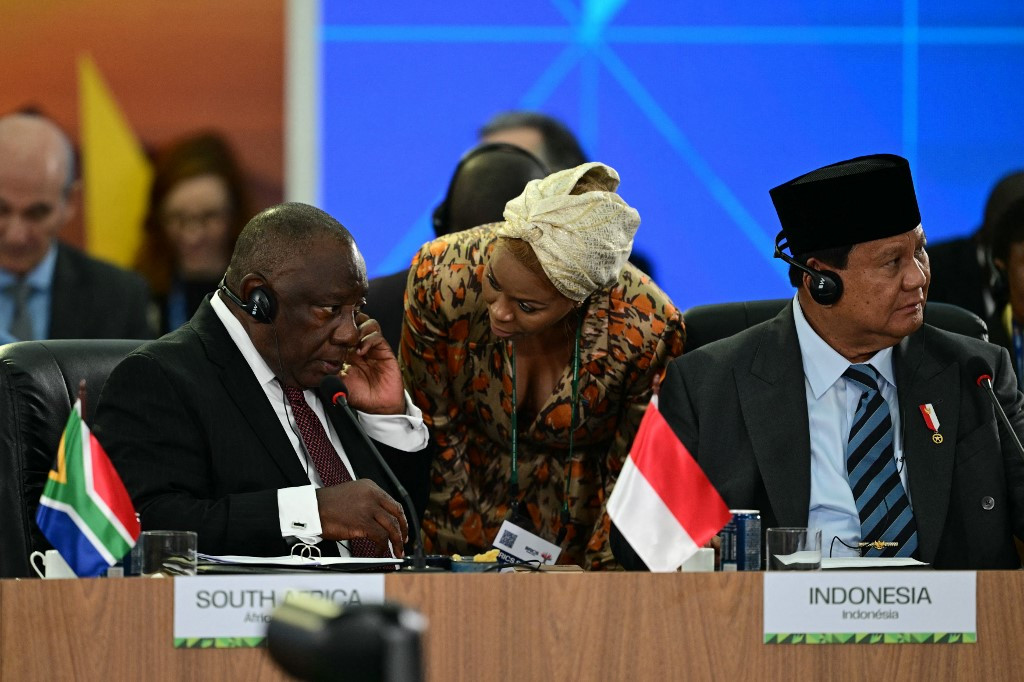
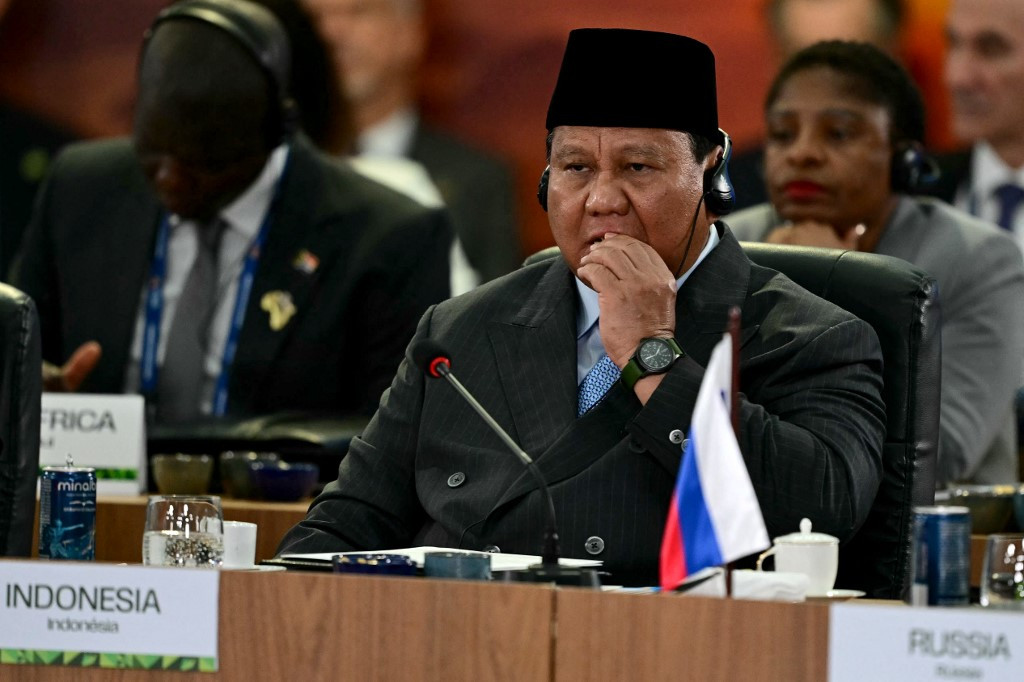
President Prabowo Subianto attends the BRICS summit second plenary session in Rio de Janeiro, Brazil, on July 6, 2025. (AFP/Pablo Porciuncula)
President Prabowo Subianto faces a grueling diplomatic marathon, with five major multilateral summits on his calendar before the year ends. If there was any doubt about the stakes, United States Treasury Secretary Scott Bessent cleared it up last week in North Carolina, putting pressure on Group of 20 (G20) peers to "gang up" on China. The signal is unmistakable: Jakarta must brace for full-blown friction between the world’s two economic heavyweights.As an elected leader, Prabowo answers to the 1945 Constitution, which anchors Indonesia to a bebas aktif (free and active) foreign policy. Critics often dismiss the doctrine as rigid or outdated, but Indonesia’s contemporary history tells a clearer story: Every time a government strayed from nonalignment, it ended in diplomatic embarrassment and regret.
Navigating this turbulence demands a disciplined operation. Foreign Minister Sugiono must keep the cabinet singing the same tune, leaning on career diplomats at Pejambon and foreign missions rather than improvising on the fly. Prabowo is known for impulsive, spontaneous tendencies that may play well on the domestic campaign trail, but carry serious liabilities at high-stakes negotiating tables. He needs to keep them in check.