Jan-Werner Mueller
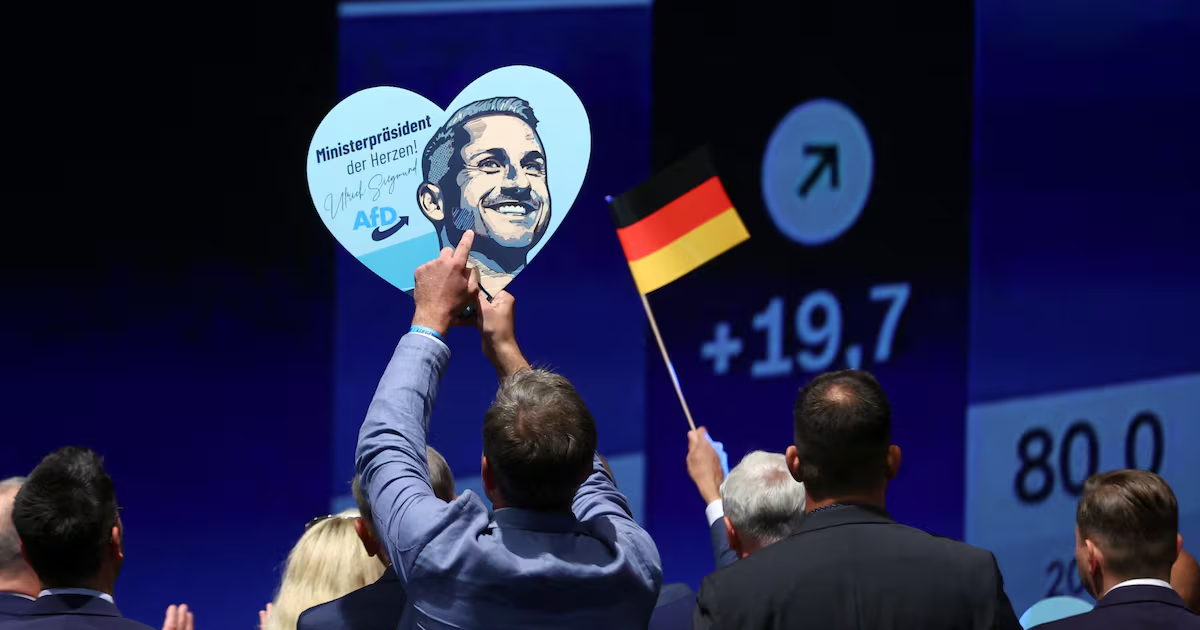
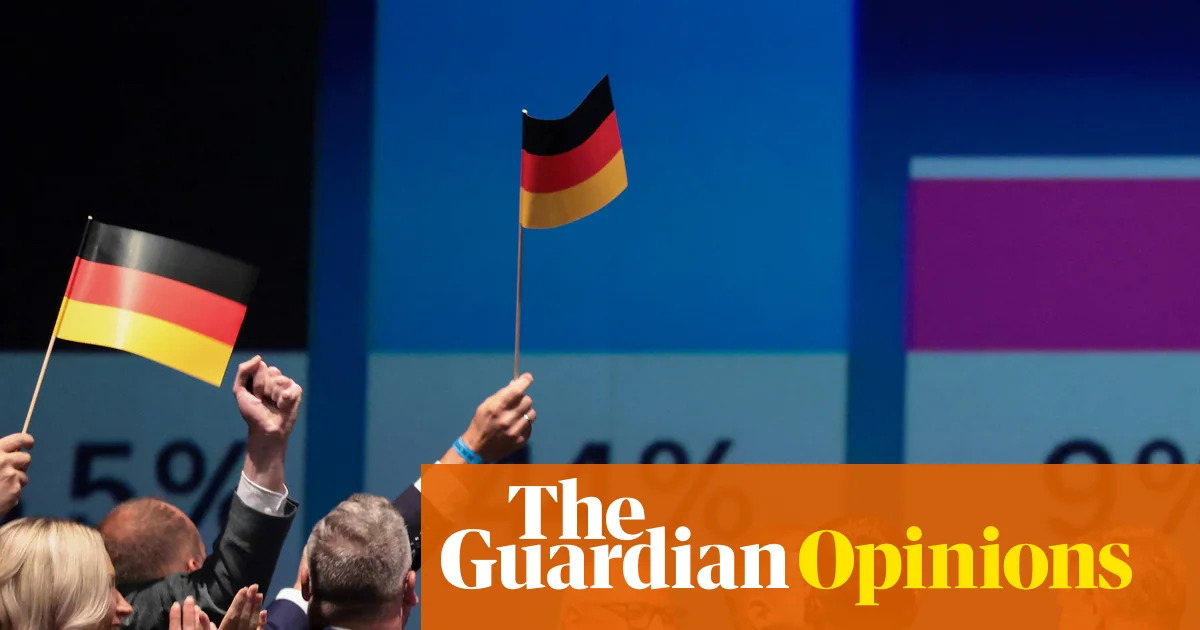
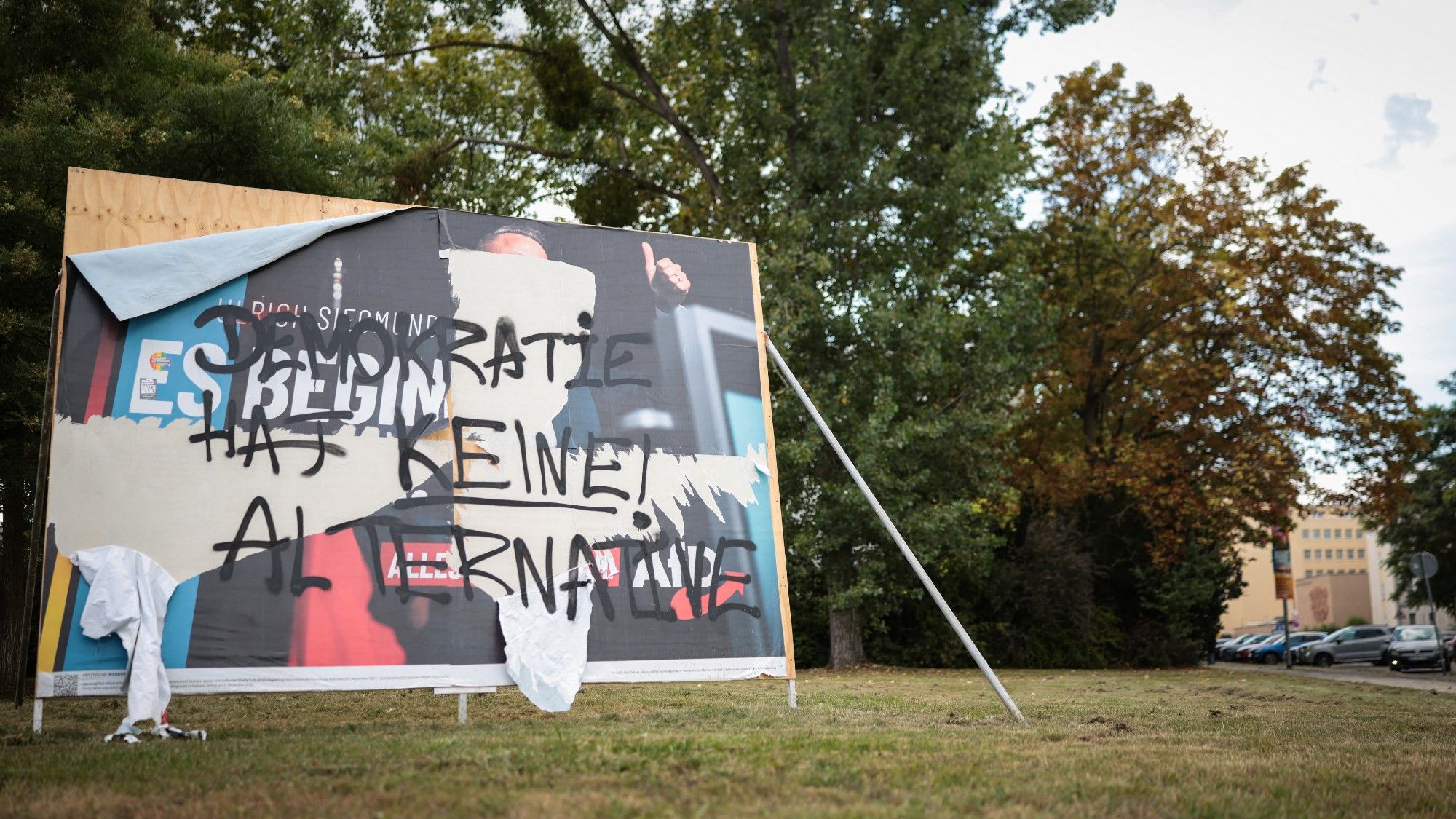
Although the far-right Alternative for Germany (AfD) has been surging in the polls for two years, it has been kept from power by other parties’ refusal to enter governing coalitions with it. But since this “firewall” relies on the AfD never winning outright majorities, it could be fatally undermined by this weekend’s state election in Saxony-Anhalt.
True, even if the AfD can form a government in Saxony-Anhalt, it will not be able to do much about its current preferred topic: migration policies and refugee law. But Germany’s 16 federal states (Lander) do have wide-ranging authority over culture and education policy, and it is here that the AfD’s program has been most revealing (and revolting).
Far-right populists always wage culture wars. Though they sometimes try to take advantage of cost-of-living crises or other economic challenges, peddling the idea that they alone represent what they call the “real people” is their core commitment. Because they insist that only citizens with the “right” characteristics qualify, they never miss an opportunity to push for the “remigration” not only of refugees but also of “unreal” or “fake” citizens, meaning those from the wrong ethnic background (or even those committed to the wrong political positions).