Ulrich Siegmund, top candidate in the Saxony-Anhalt state election for the far-right Alternative for Germany (AfD) party, speaks to media after casting his vote for the state elections in Saxony-Anhalt in Tangermuende, eastern Germany on September 6, 2026.
Yascha Mounk
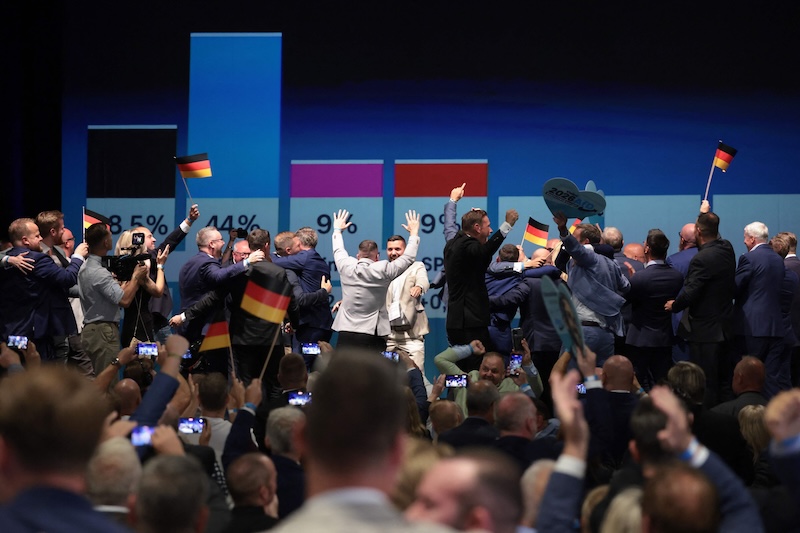
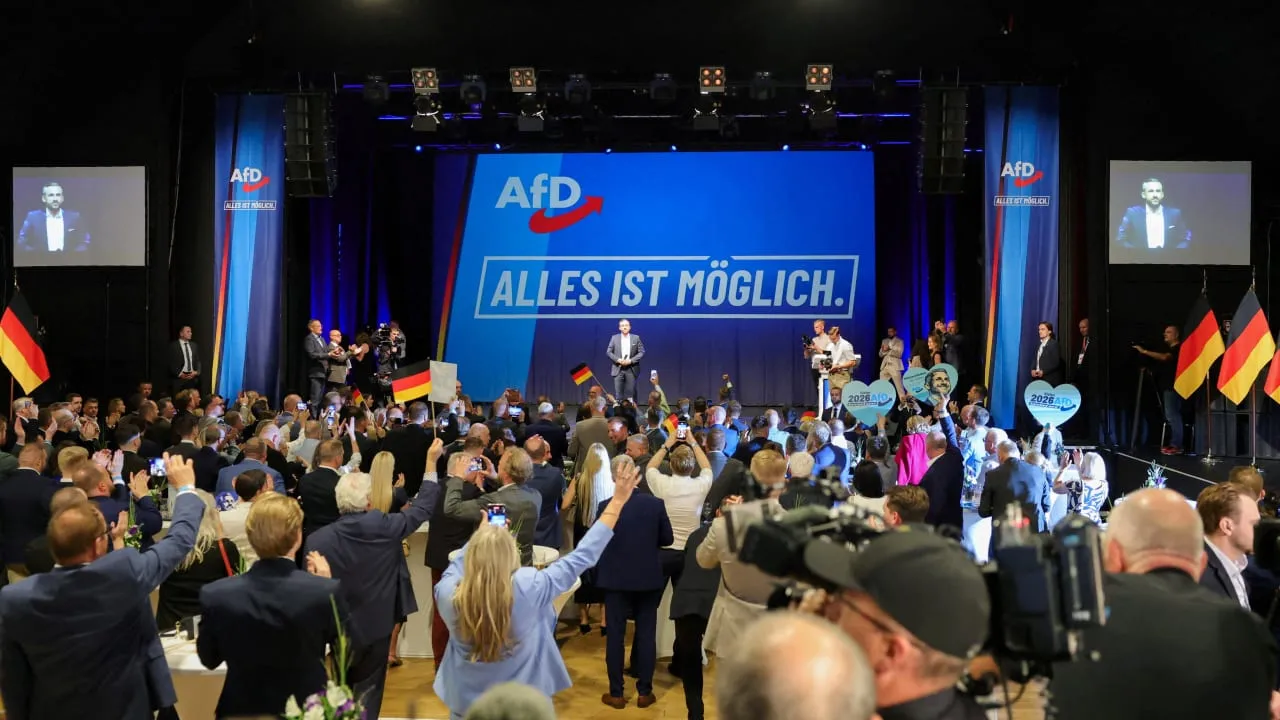
The Alternative for Germany has just achieved the best result of any far-right party in the country’s postwar history. In regional elections in Saxony-Anhalt, a state in eastern Germany, the party more than doubled its share of the vote and is projected to take about 44 percent, likely just short of an absolute majority.
The result could produce a political deadlock in the state. It would take an extremely broad coalition of all other parties represented in the state parliament to keep the far right out of office. Since these parties range from the far left to the center right, the best-case scenario now is a dysfunctional and incoherent government, known among local political journalists as a “Frankenstein coalition.” The worst case is that one of these parties defects, allowing the AfD to take power.
So why did German voters - who have in recent decades proved to be much more moderate than their neighbors - embrace such a radical party?