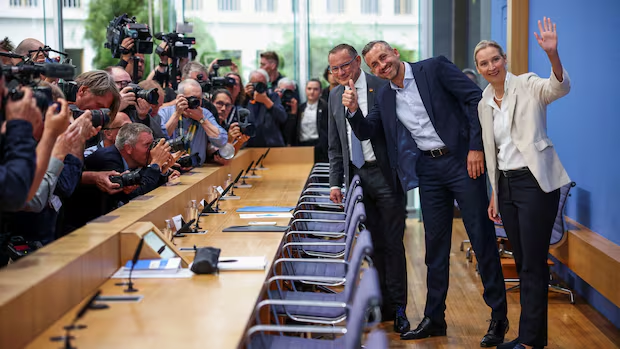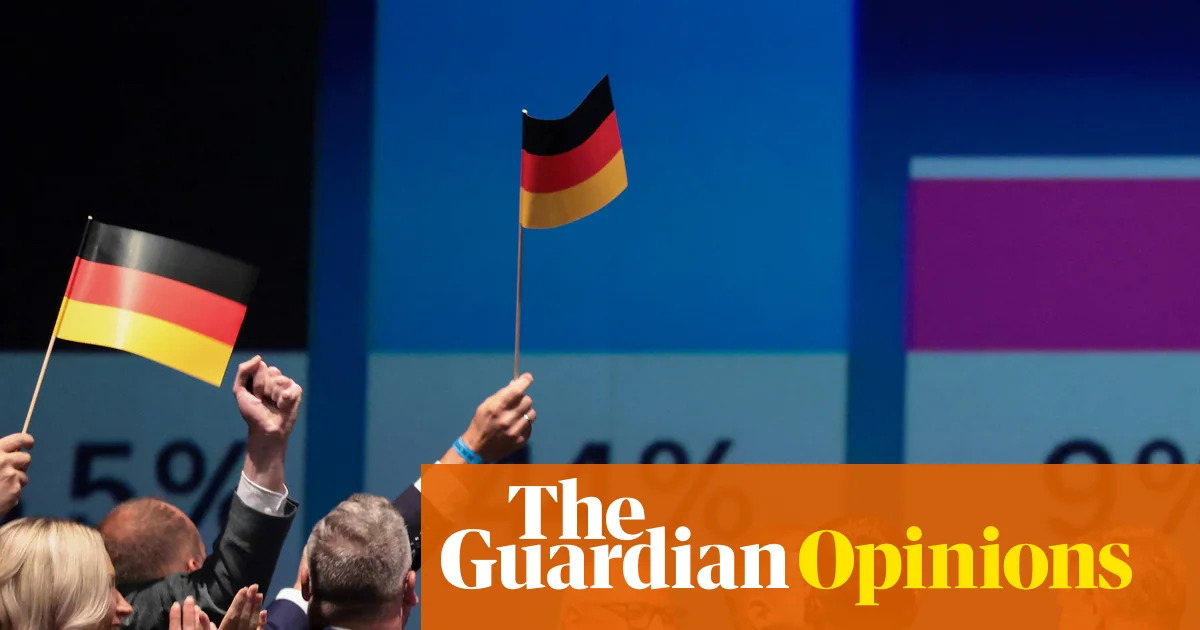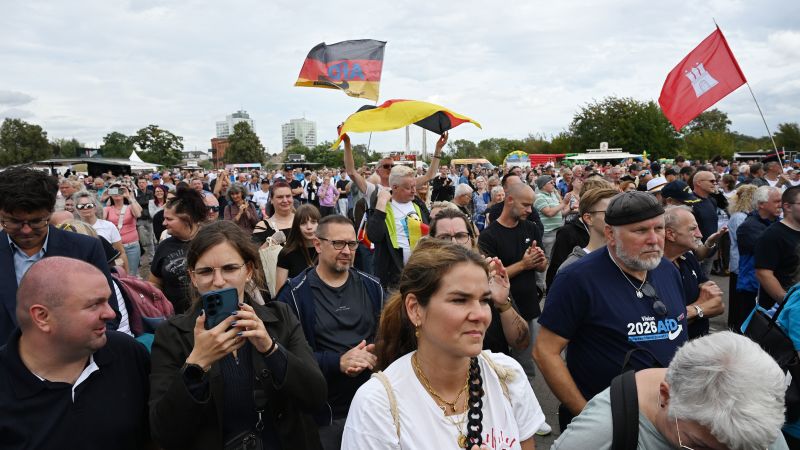
Alternative for Germany (AfD) may not have won the supermajority it sought in the Saxony-Anhalt state election on Sunday, but the far-right party did take another giant step toward power in a country whose postwar democracy was designed to prevent the return of right-wing extremism. The AfD’s win, which co-leader Alice Weidel described as “historic,” also showed that in Germany, as elsewhere in Europe, the center is not holding as firmly as it once did.
German Chancellor Friedrich Merz said the AfD’s victory has shaken his conservative Christian Democratic Union (CDU) “to its very foundations” and would have “consequences” reaching well beyond the region.
“It is an election result we cannot simply move past as if nothing happened,” he said Monday. “It is the most severe election defeat the CDU has suffered in years, indeed in decades.”
On Sunday, the CDU didn’t just lose support to the AfD at the margins, but more than half its 2021 vote outright, with the AfD more than doubling its own share in the former East German state to 44% in a single electoral cycle.
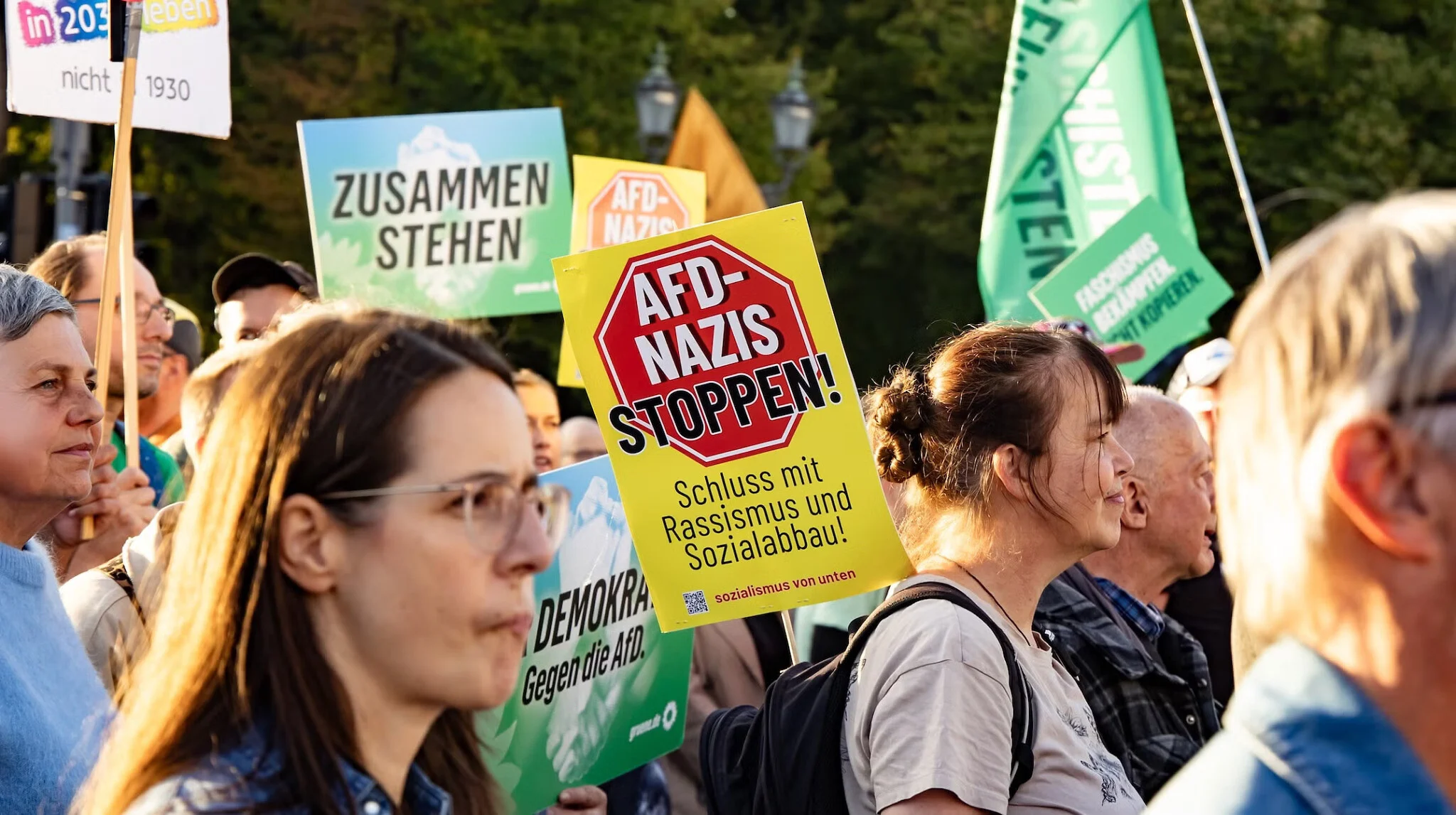
The AfD was already the largest opposition party in the federal parliament in Berlin, making the “eastern exception” argument — that this is a regional, post-Communist phenomenon — harder to sustain. The CDU’s rhetoric on migration has shifted further right as the AFD’s popularity has grown. And with each win at state level, the “Brandmauer,” or “firewall against the far-right,” that prevents ultra-nationalist parties like AfD from joining ruling coalitions is being tested a little more by parliamentary arithmetic as much as by principle. The question now is: How much longer can a democratic argument be made to justify the firewall?