Published Sep 7, 2026, 1:28 PM EDT
The air defense system in place Sept. 11 was built to watch an ocean for incoming bombers, not to defend against a threat from inside the country.
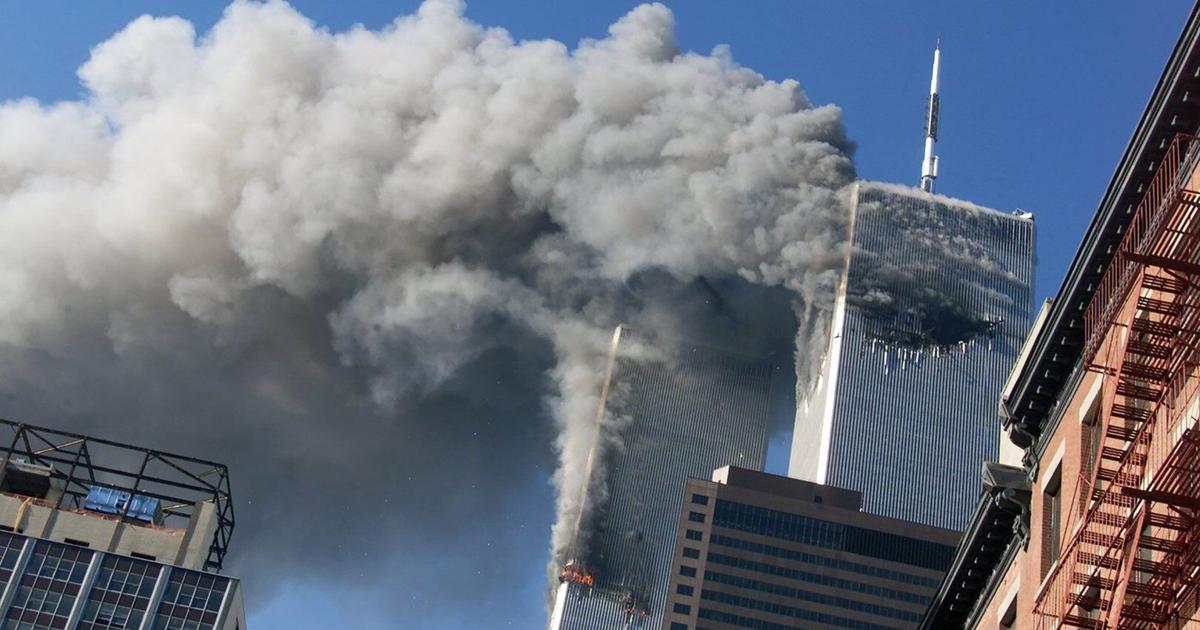
By the time most Americans understood that the country was under attack on Sept. 11, 2001, the military's air defense network had already been improvising for nearly an hour, working with a fraction of the information it needed and, in at least one case, chasing a hijacked airplane that had already crashed. The 9/11 Commission spent years reconstructing what happened inside that network that morning, and its findings, laid out in detail by Air & Space Forces Magazine's minute-by-minute account of the commission's report, describe a military response defined less by failure than by an air defense architecture unsuited to the threat it suddenly faced.
A System Built for the Wrong War
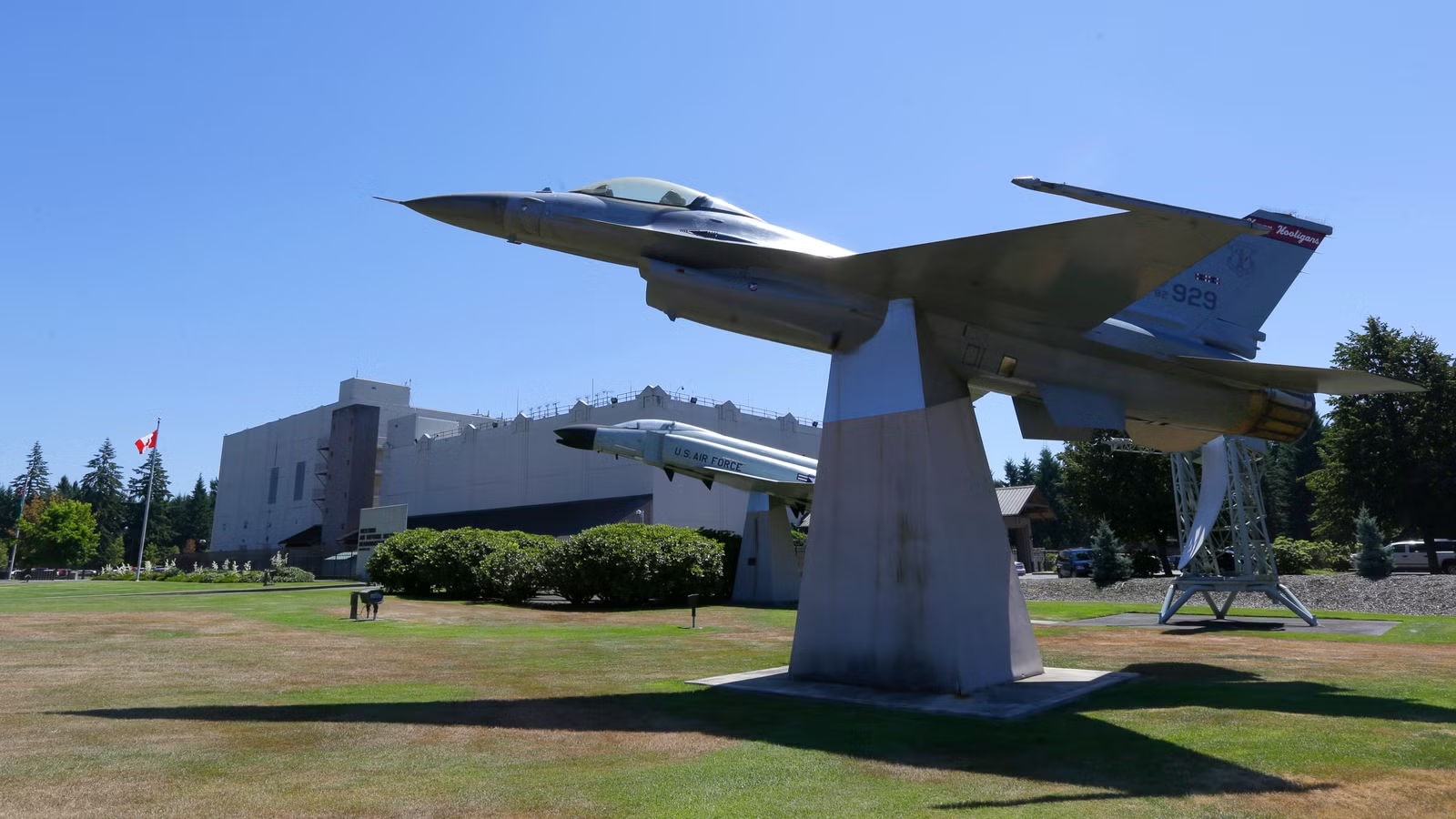
The North American Aerospace Defense Command, or NORAD, was created during the Cold War to watch for Soviet bombers approaching from outside U.S. borders, according to the 9/1 commission's report as summarized by Air & Space Forces Magazine. After the Soviet Union collapsed, the Pentagon scaled back NORAD's alert sites dramatically, and the commission noted that some Pentagon officials in the 1990s had argued that the sites should be eliminated from the continental U.S. entirely. By the morning of Sept. 11, only seven alert sites remained operational nationwide, and none of them sat near New York City or Washington, D.C., the two cities that would be struck that day.