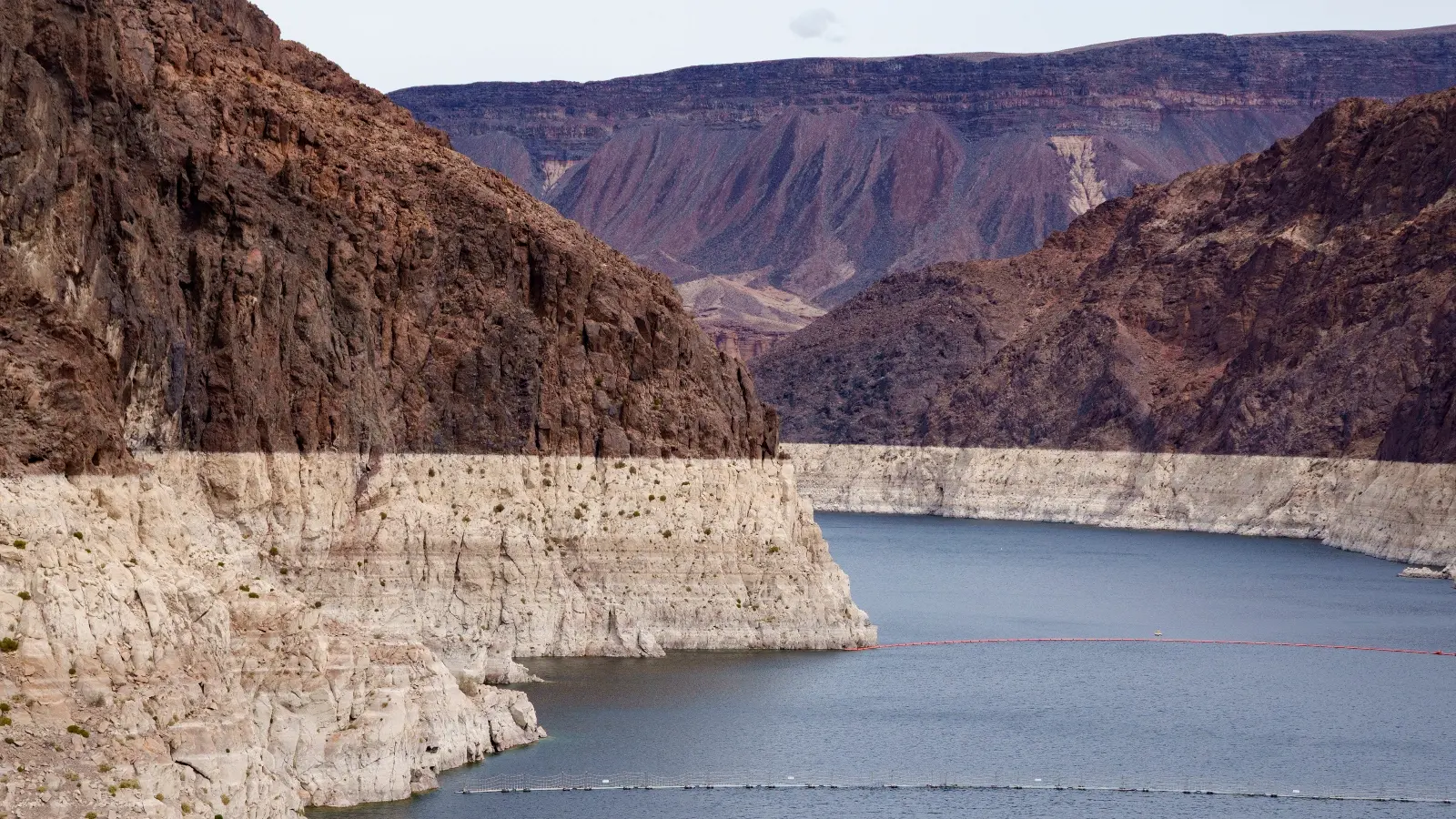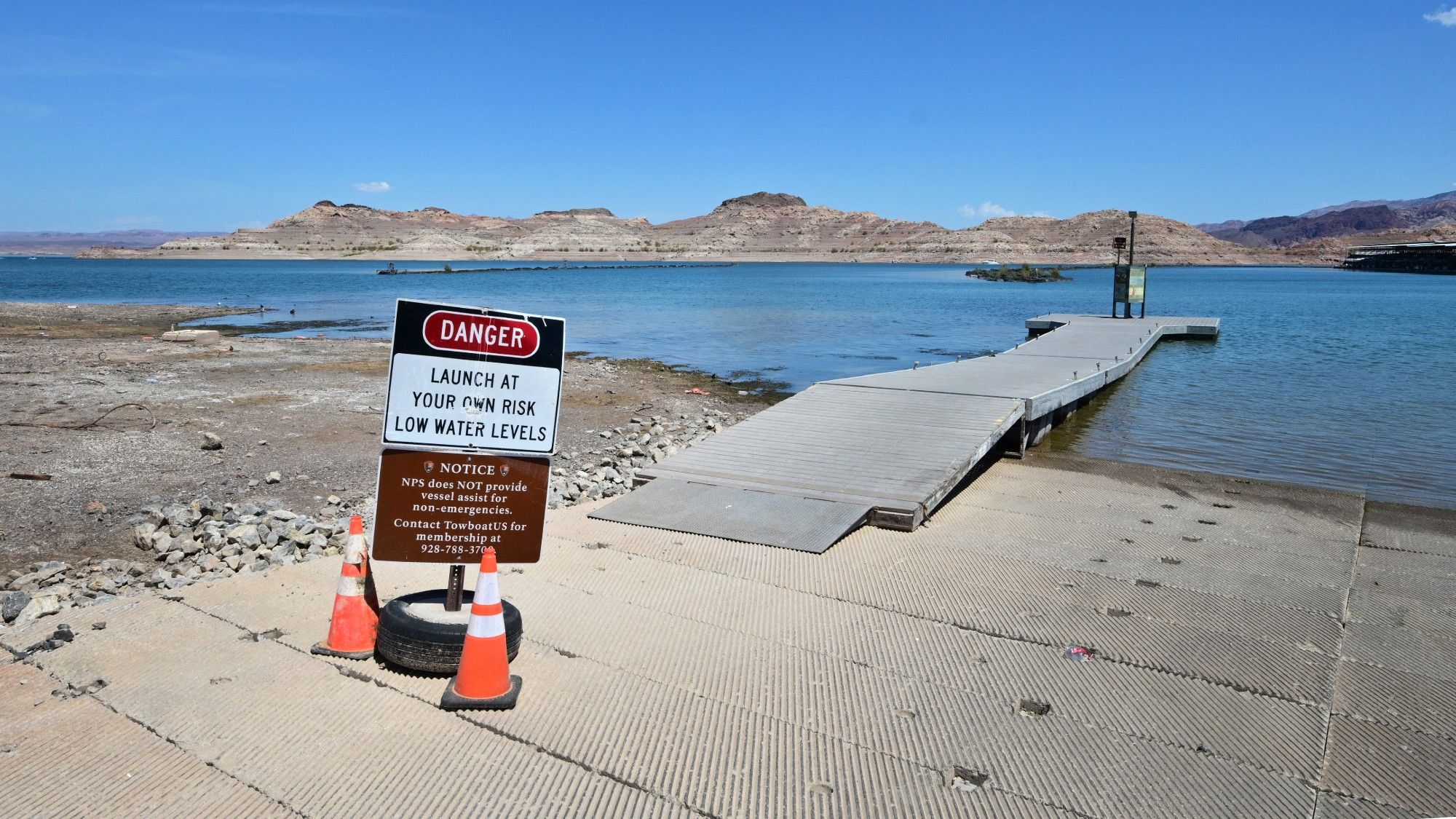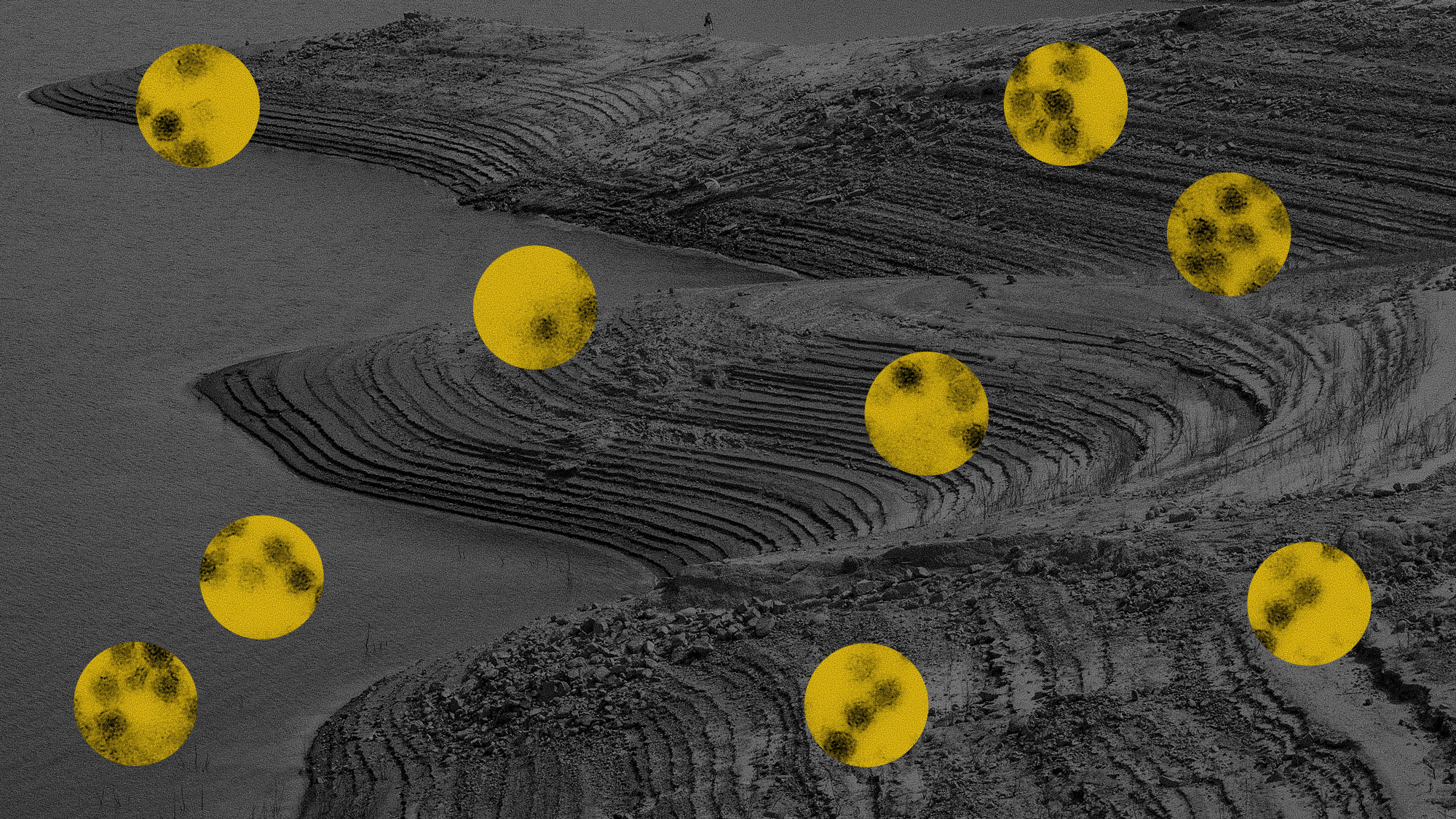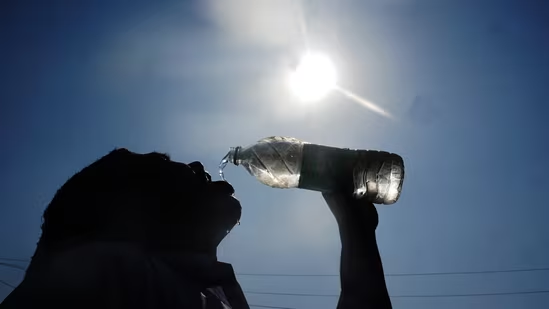
Extreme heat and widespread drought related to climate change have been in the headlines this summer everywhere from Europe to the Colorado River Basin to Puerto Rico and Bangladesh. But drought is only the beginning of the problem for drinking water. Scientists say the depleted groundwater supplies that remain will warm by 2.1 degrees C globally by the end of this century – changing their chemistry and leading to contamination.
And heat is just one concern. Droughts and fluctuating rainfall patterns are also altering groundwater quality. The good news is that around the world, local and regional authorities are experimenting with ways to replenish groundwater, including methods for collecting excess rainfall or surface runoff and channeling it to replenish aquifers. The work is in early stages, but some methods already are showing promise.
Warming water, changing chemistry
As groundwater warms, dissolved gases become less soluble, while organisms underground can consume oxygen more rapidly. Because many aquifers already contain little oxygen, modest warming could make them even more oxygen-poor.
In some aquifers, this shift can mobilize naturally occurring contaminants such as arsenic, manganese, and phosphorus from surrounding rocks into groundwater, making it less safe to drink. The extra phosphorus can fuel harmful algal blooms when groundwater eventually flows into rivers and lakes. Warmer groundwater may also favor pathogens linked to waterborne diseases.