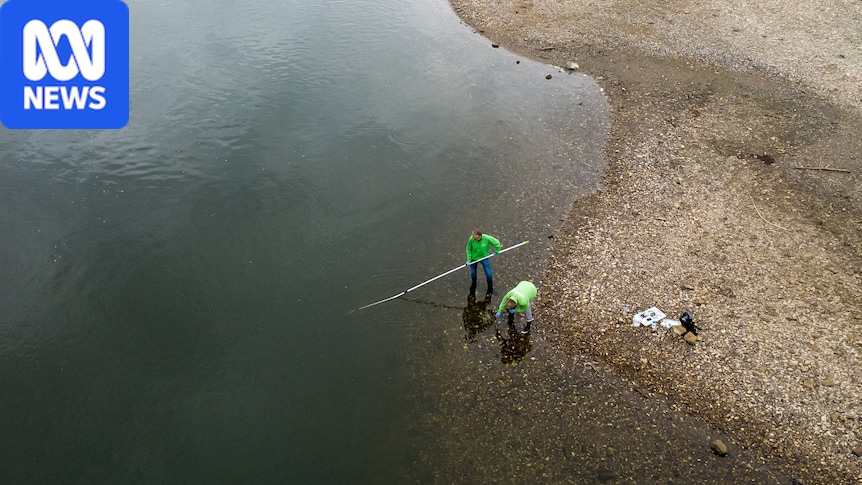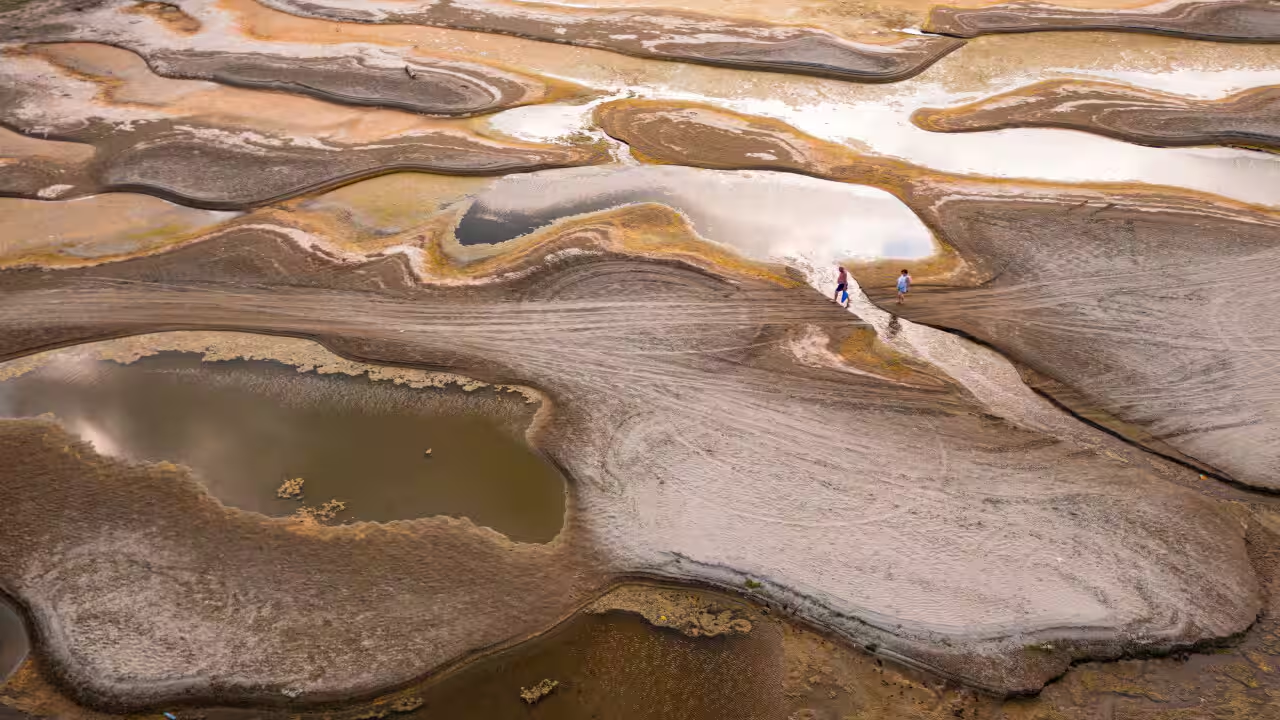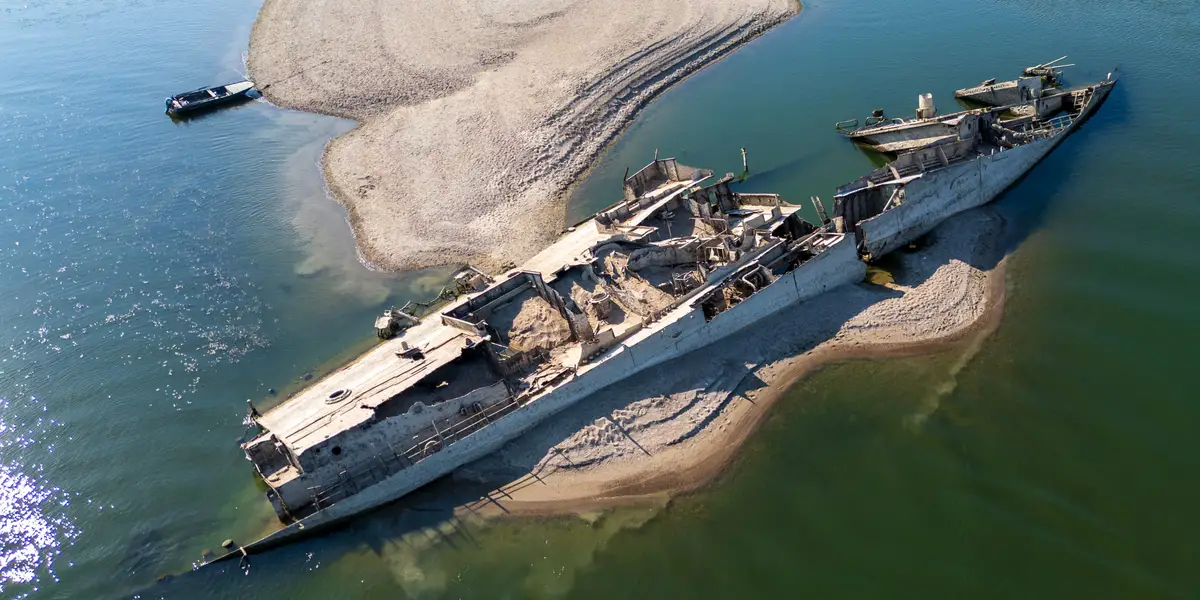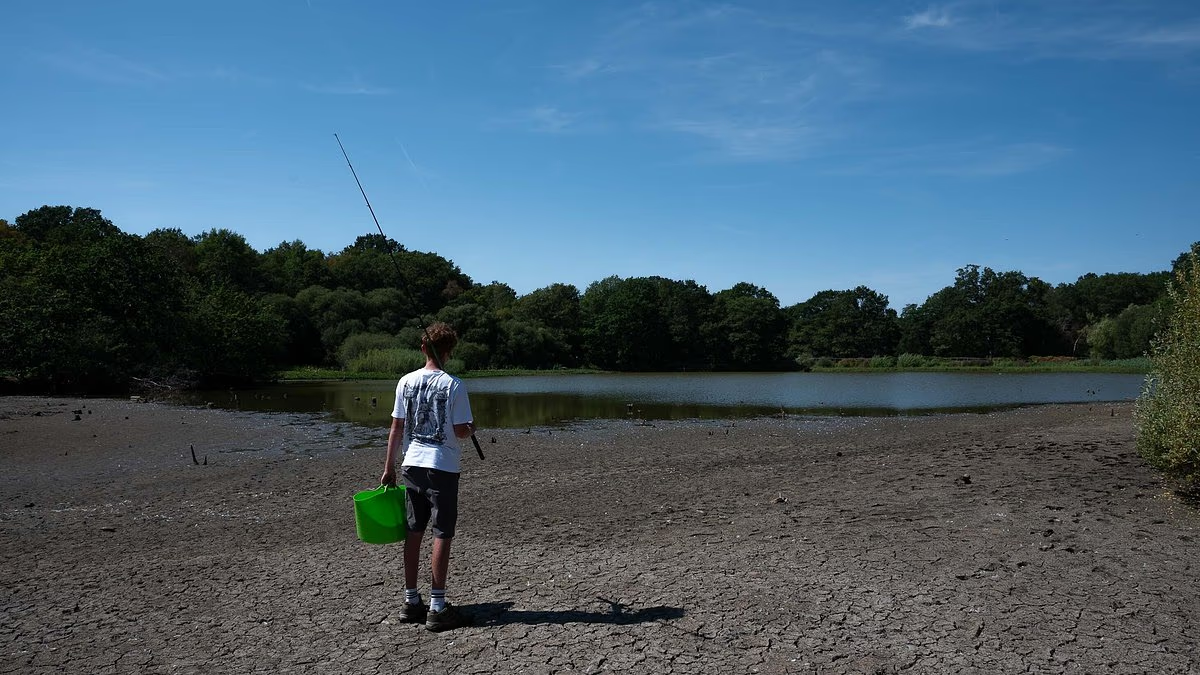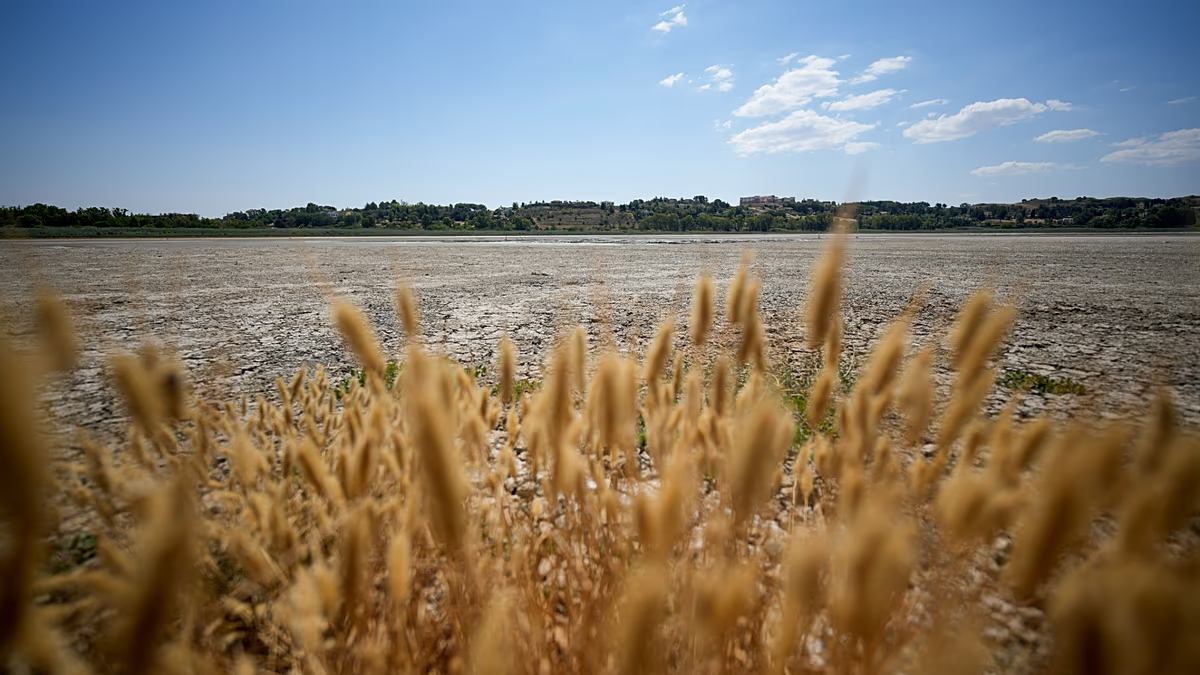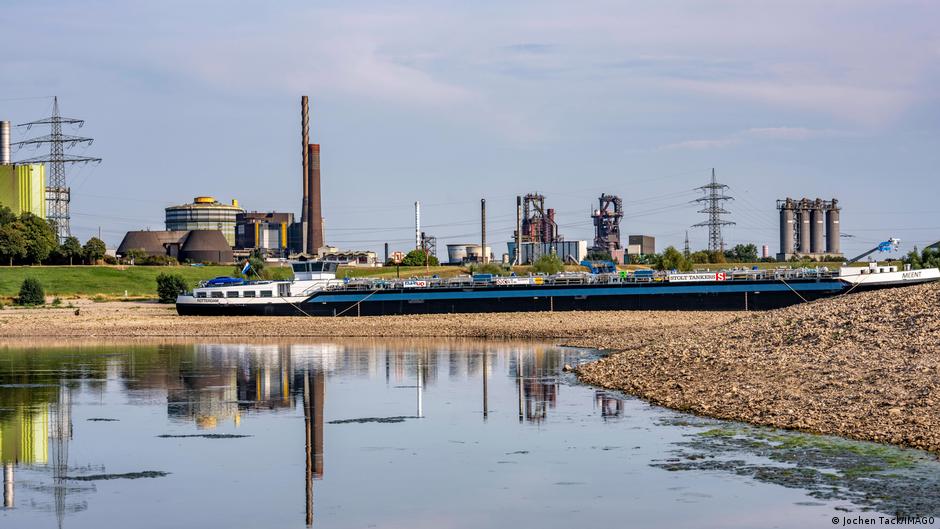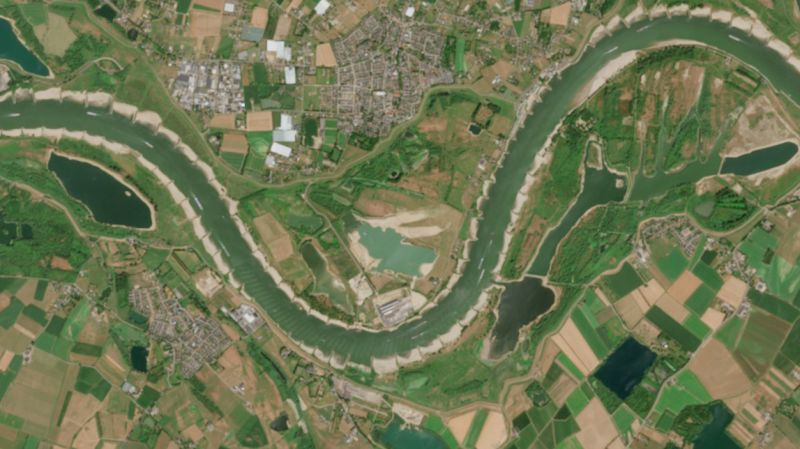
The world has become hotter and, in many places, drier than ever before in recorded history. Just this summer, as some U.S. states battle over rights to the Colorado River, major reservoirs are at historically-low levels. In Puerto Rico, extended drought has exacerbated an infrastructure crisis, leaving residents to suffer weeks-long stretches without water. In Europe, the Danube and Rhine rivers reached record lows, causing nuclear plants to shut down, devastating crops, and revealing long-lost relics from WWII. More than 60 percent of farmland in Italy is affected by critical drought.
Emerging research shows that a drier world is often a sicker one, too. A new paper, published last week in the journal Trends in Ecology and Evolution, takes stock of nearly 100 scientific studies of diseases found throughout the animal kingdom — from humans to large mammals, fish, amphibians, and insects — to reveal how drought can help deadly infections and parasites spread.
The majority of human parasites and many pathogens need water to thrive. And while cases of some infectious diseases — like schistosomiasis, a dangerous flatworm infection also known as snail fever, and malaria — sometimes fall dramatically when ponds and lakes dry up, others — like cholera, West Nile virus, and dengue — end up booming.