As El Niño looms, Africa needs to fortify its resilience against climate variability. A scientist says leaders and communities need to respond today to secure harvests, livelihoods, and health systems.
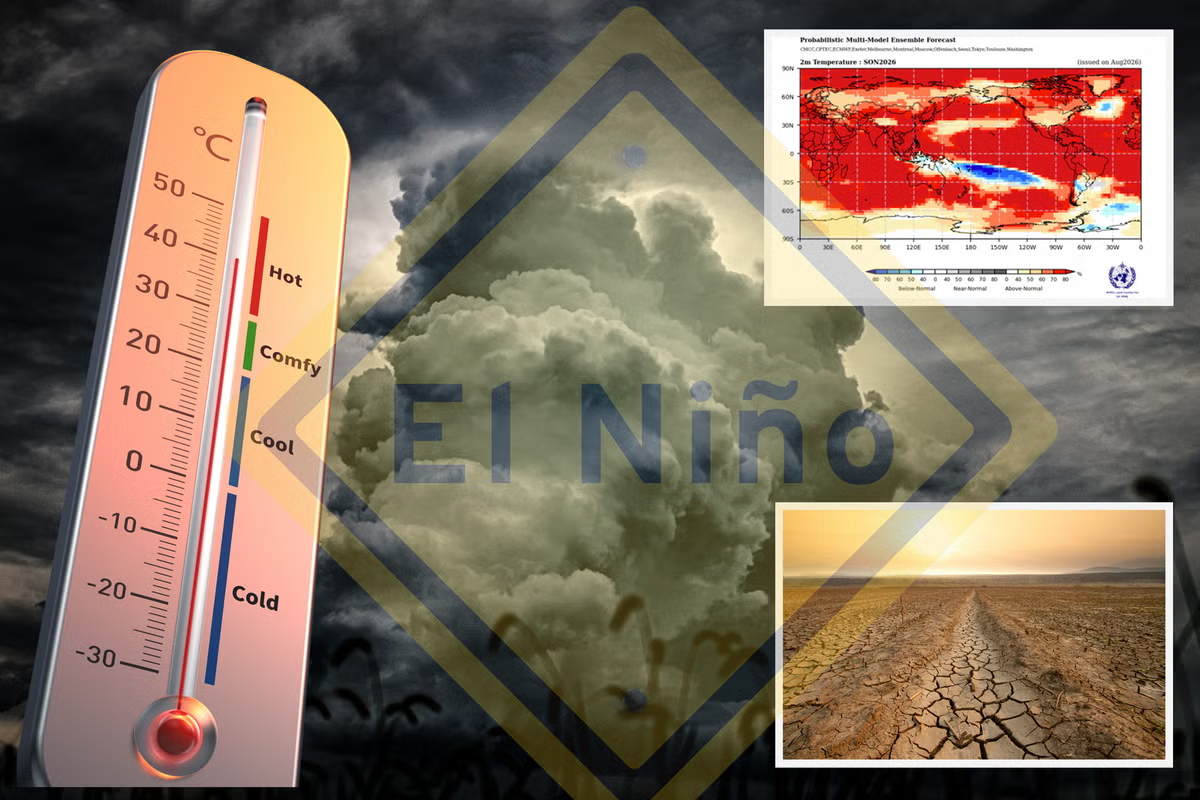
A powerful El Niño phenomenon is gathering strength in the Pacific Ocean, setting the stage for a potentially devastating season across Africa. According to the latest outlook from the United States’ National Oceanic and Atmospheric Administration (NOAA), there is a greater than 90% chance that this El Niño will evolve into one of the most intense events on record during the Northern Hemisphere autumn and winter of 2026/27.
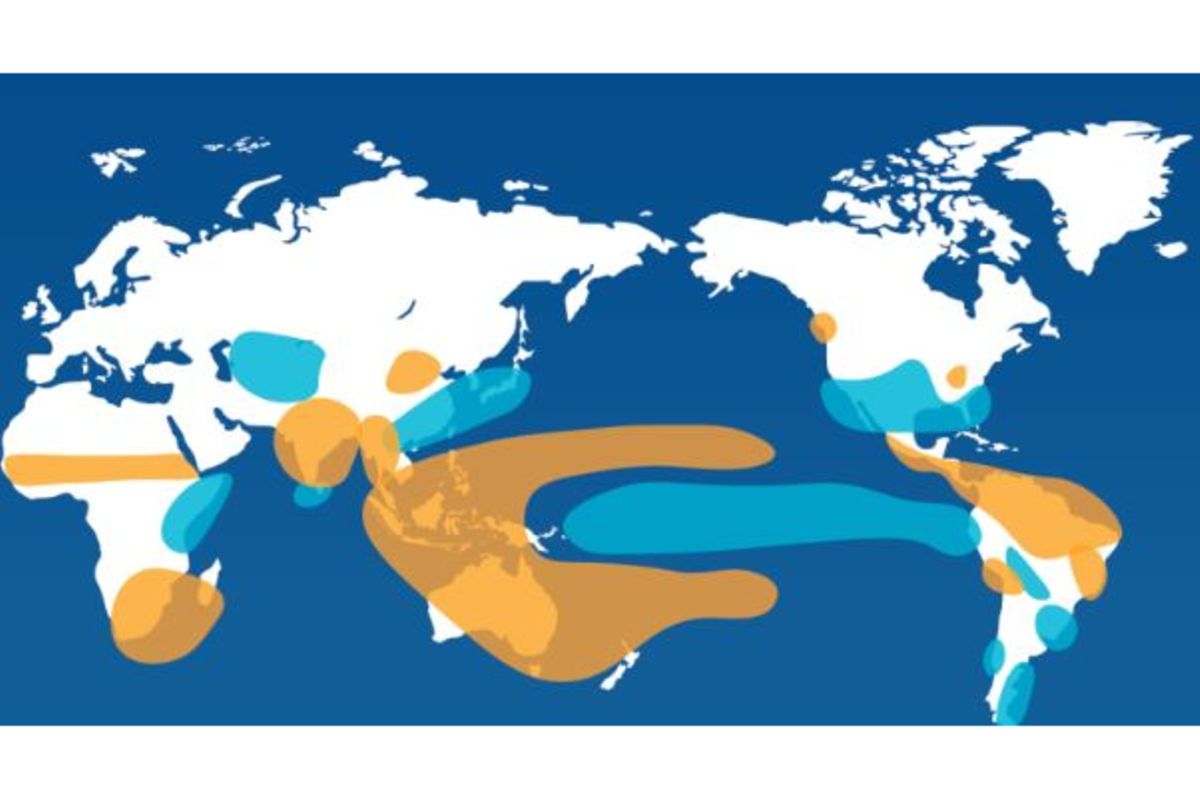
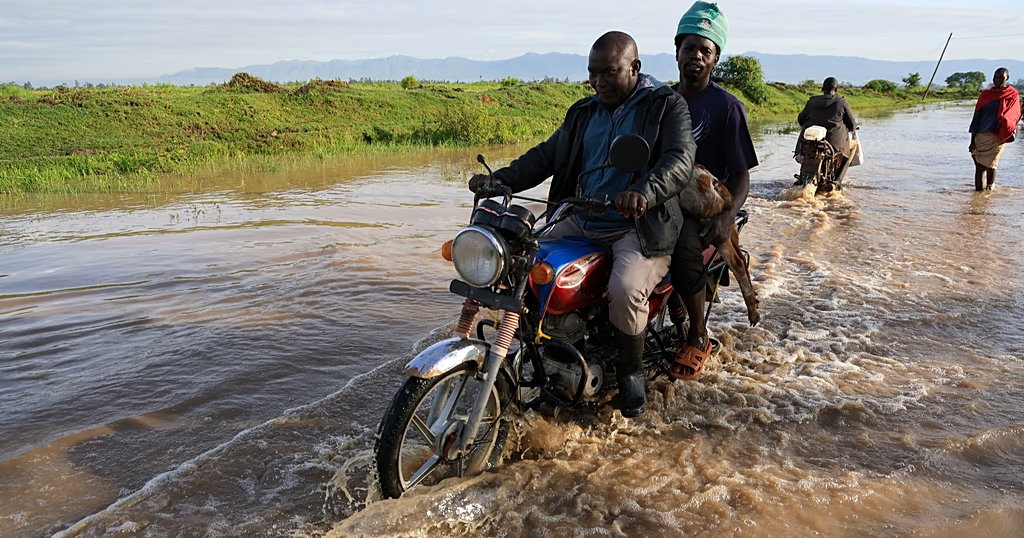
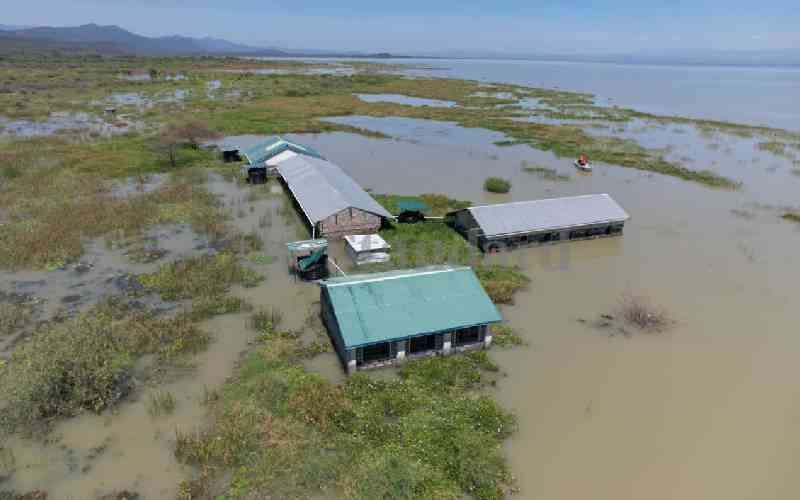
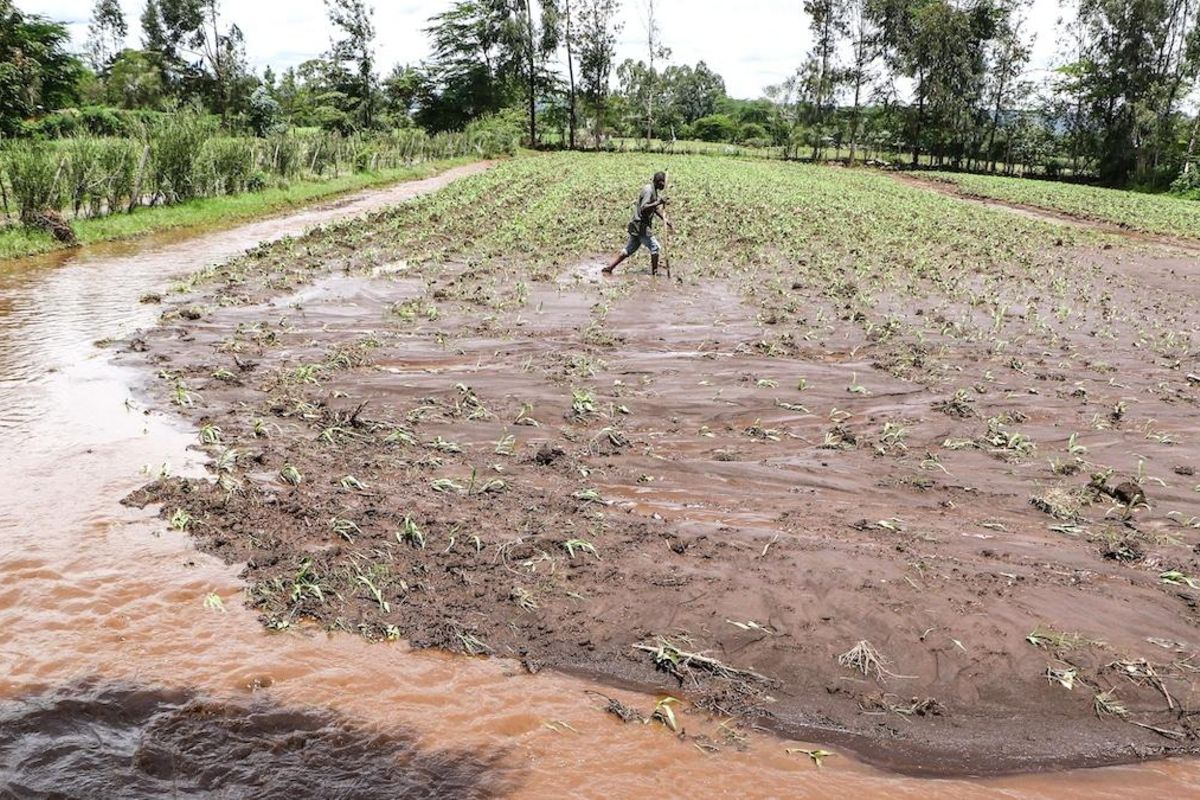
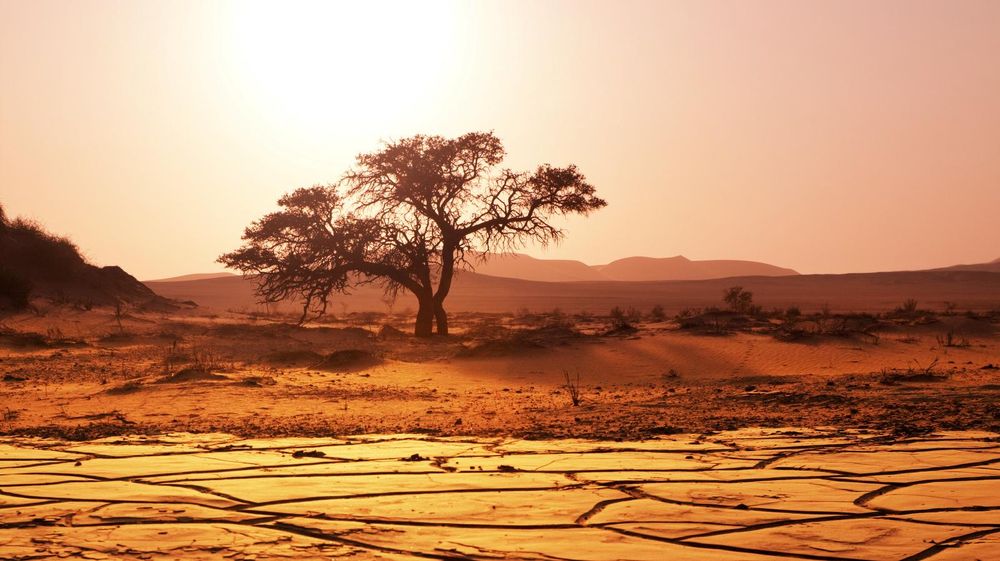
The forecast indicates a 69% likelihood of this event exceeding the strength of any El Niño recorded since 1950, presenting a worrying scenario for the African continent, which stands on the brink of a multifaceted climate crisis. Unlike previous patterns, the impact of this phenomenon promises to be diverse: while Southern Africa may grapple with extreme heat and drought, East Africa could be inundated with excess rainfall and flooding.
Dr Henno Havenga, a senior lecturer in climatology at North-West University, notes that while the term "super El Niño" is often used, it lacks formal scientific classification. Instead, it denotes an exceptionally strong El Niño event that has far-reaching implications for global weather patterns. “El Niño develops when the central and eastern equatorial Pacific Ocean becomes unusually warm, triggering alterations in atmospheric circulation that can influence weather far beyond the Pacific through a process known as teleconnections,” explains Havenga.