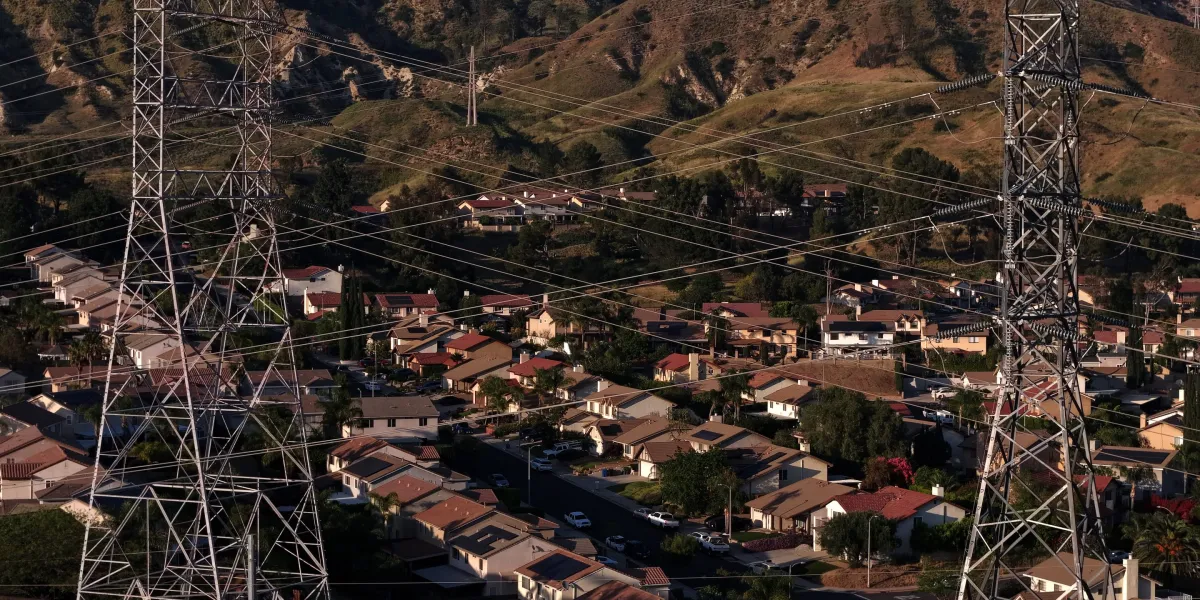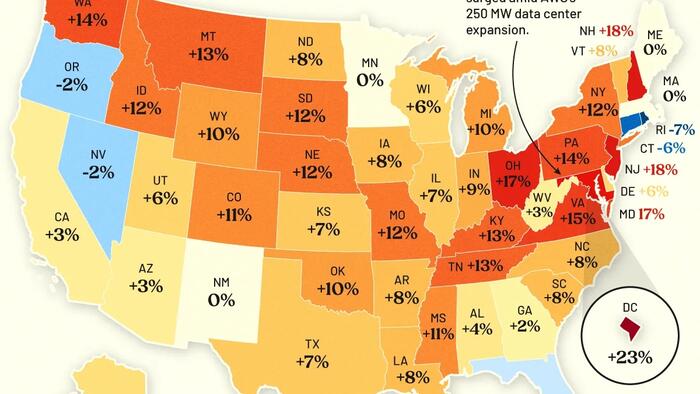
The states that saw the largest increase in electricity prices over the past five years were not states booming with new demand from industrial customers, such as Texas, but states where demand fell. Electricity prices rose 4.2% over the last year, outpacing broader inflation. The popular explanation for the rise in residential electricity prices is the growth of data centers, but state-level data say otherwise.Lower-income Americans have the most to lose from ineffective energy policy. Households in the bottom 20% of income earners spend a median of nearly 10% of their income on energy, compared with 1.2% for the top 20% of income earners. According to the Census Bureau’s Household Pulse Survey, as of September 2024, 44% of adults with household incomes under $25,000 had been unable to pay an energy bill within the past year. In that same income band, 56%, more than 15 million adults, reported that they forwent basic household necessities to pay an energy bill.
Stay informed.Stay ahead.
Join Washington Examiner for unlimited access to the news, analysis, and commentary that matter most.
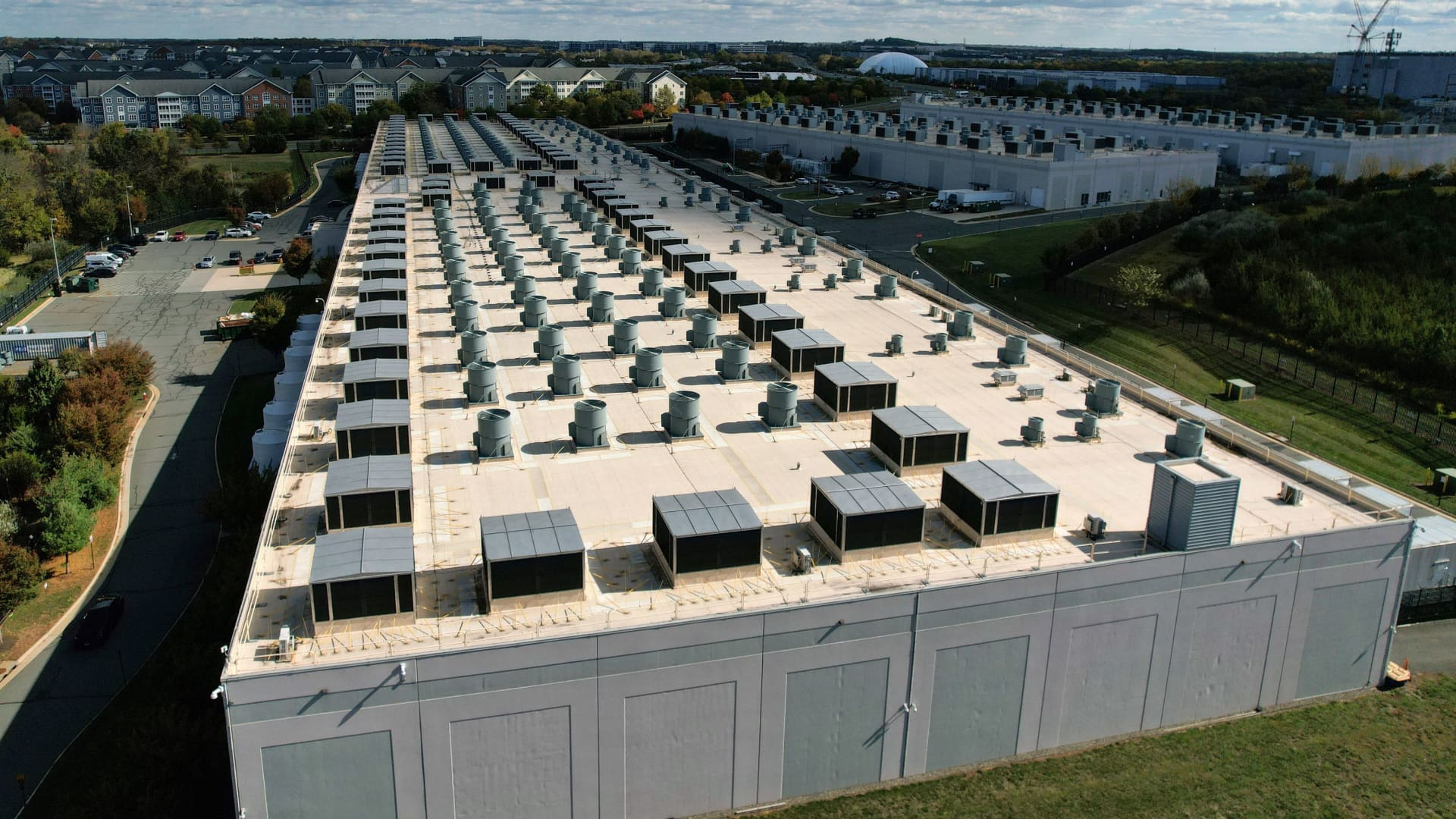
Since January 2020, electricity prices have risen 43%, outpacing broader inflation at 28%. Electricity demand forecasts have accelerated since 2022, ending a decade and a half of flat growth. This demand is driven by data centers, reindustrialization, and electrification. Utilities’ forecasts suggest that the United States will need to add capacity at nearly twice the pace that it did over the last decade to meet demand and maintain reserve margins.