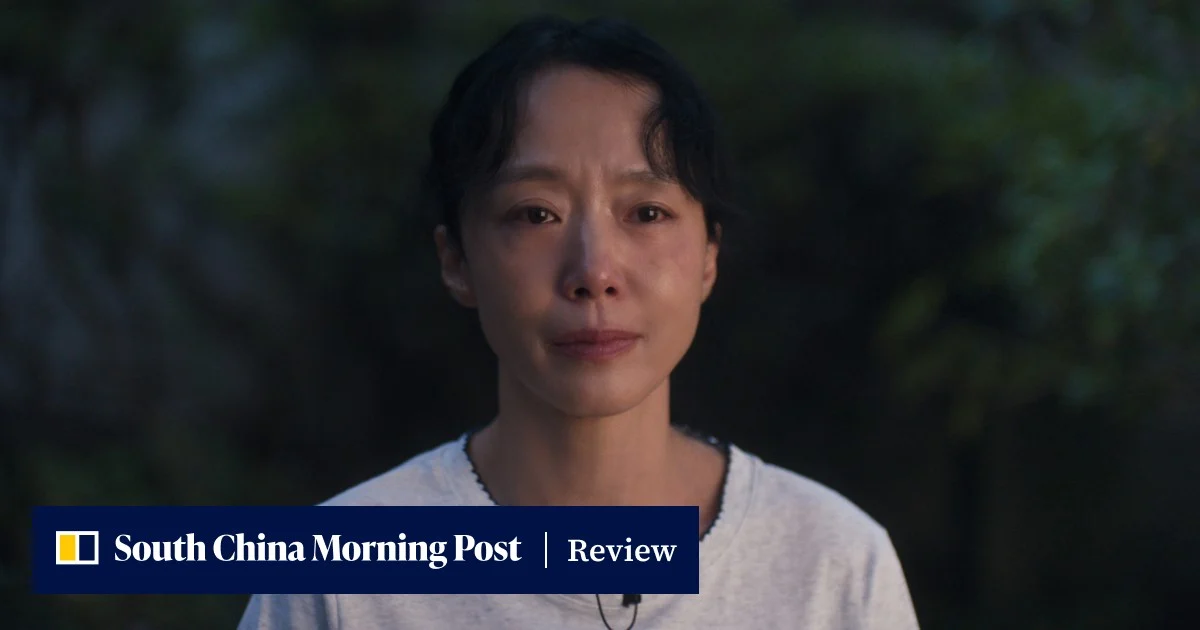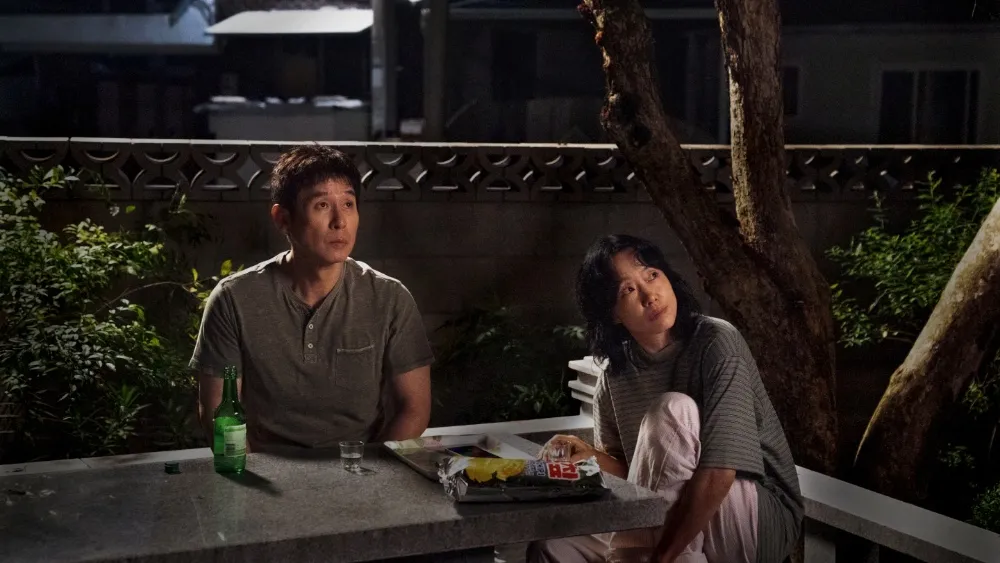
In his exquisitely layered seventh feature, Possible Love (Ga-neung-han sa-rang), Lee Chang-dong’s humanistic observational skills remain at their peak, the acuity of his insights into emotional lives and social conditions unparalleled. More straightforward though no less affecting than the haunting ambiguities of his last film, Burning, the Korean director’s melancholic new work turns his customary slow-burn approach to the simmering tensions between two couples from different economic strata. A profound meditation on trauma, loss of dignity, yearning and class envy, this is a sad but beautiful chamber piece, fleshed out by a superlative ensemble.
The project was announced as part of a series of reinterpretations by international directors of Krzysztof Kieslowski’s landmark Dekalog, which was made for Polish television and inspired by the Ten Commandments. Unlike Asghar Farhadi’s Cannes lowlight, Parallel Tales, Lee’s film is a complete narrative departure from that source. It shares little beyond the commandment at the heart of Kieslowski’s tenth chapter, “Thou shalt not covet,” and a rejection of the moral imperative that religious framework might imply.
Possible Love
The Bottom Line