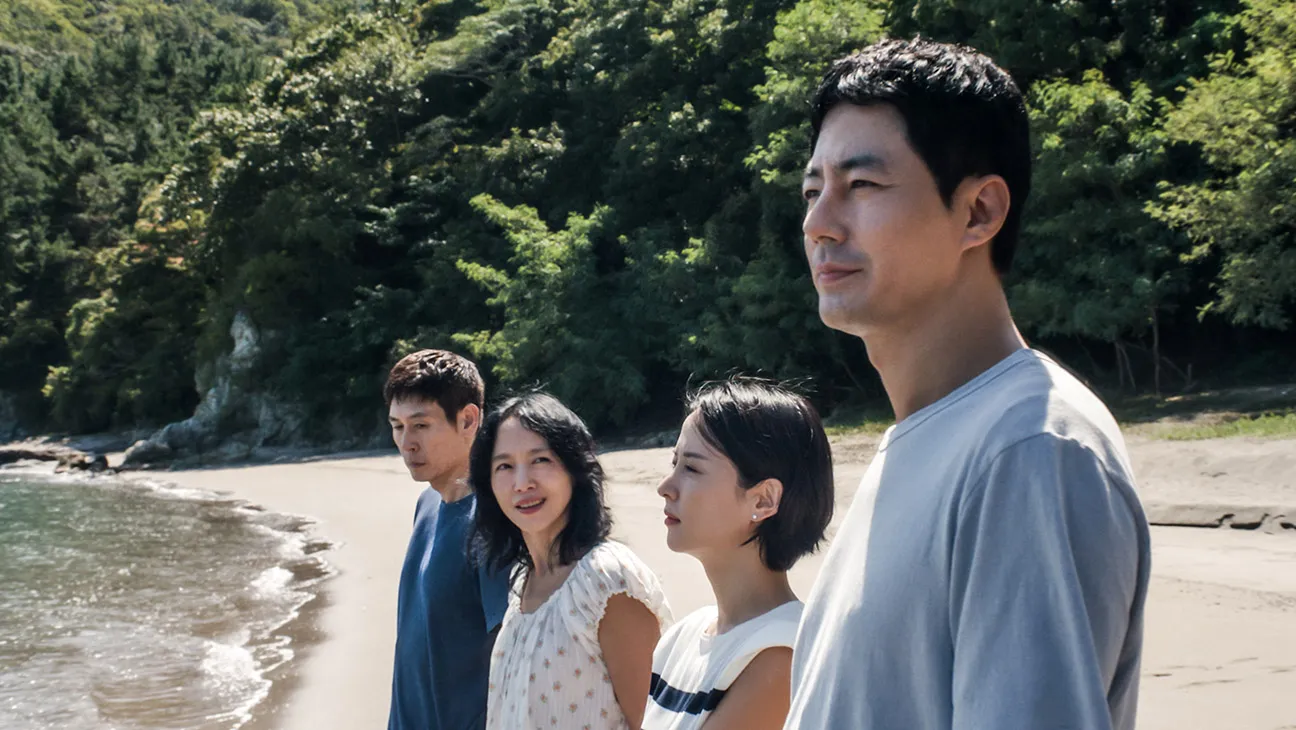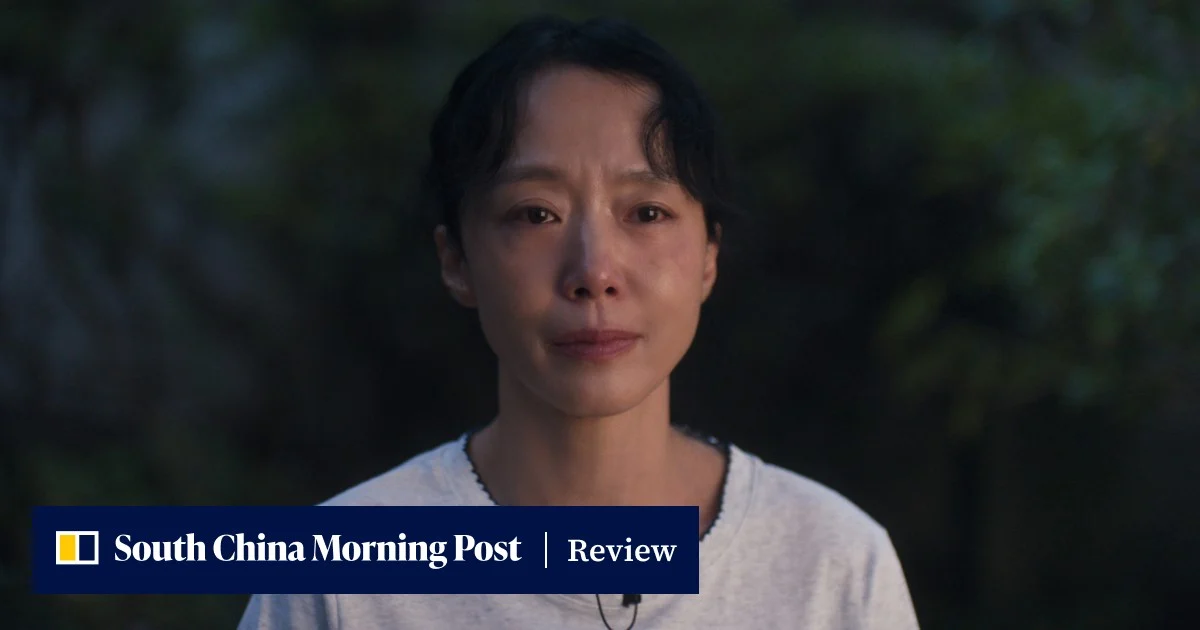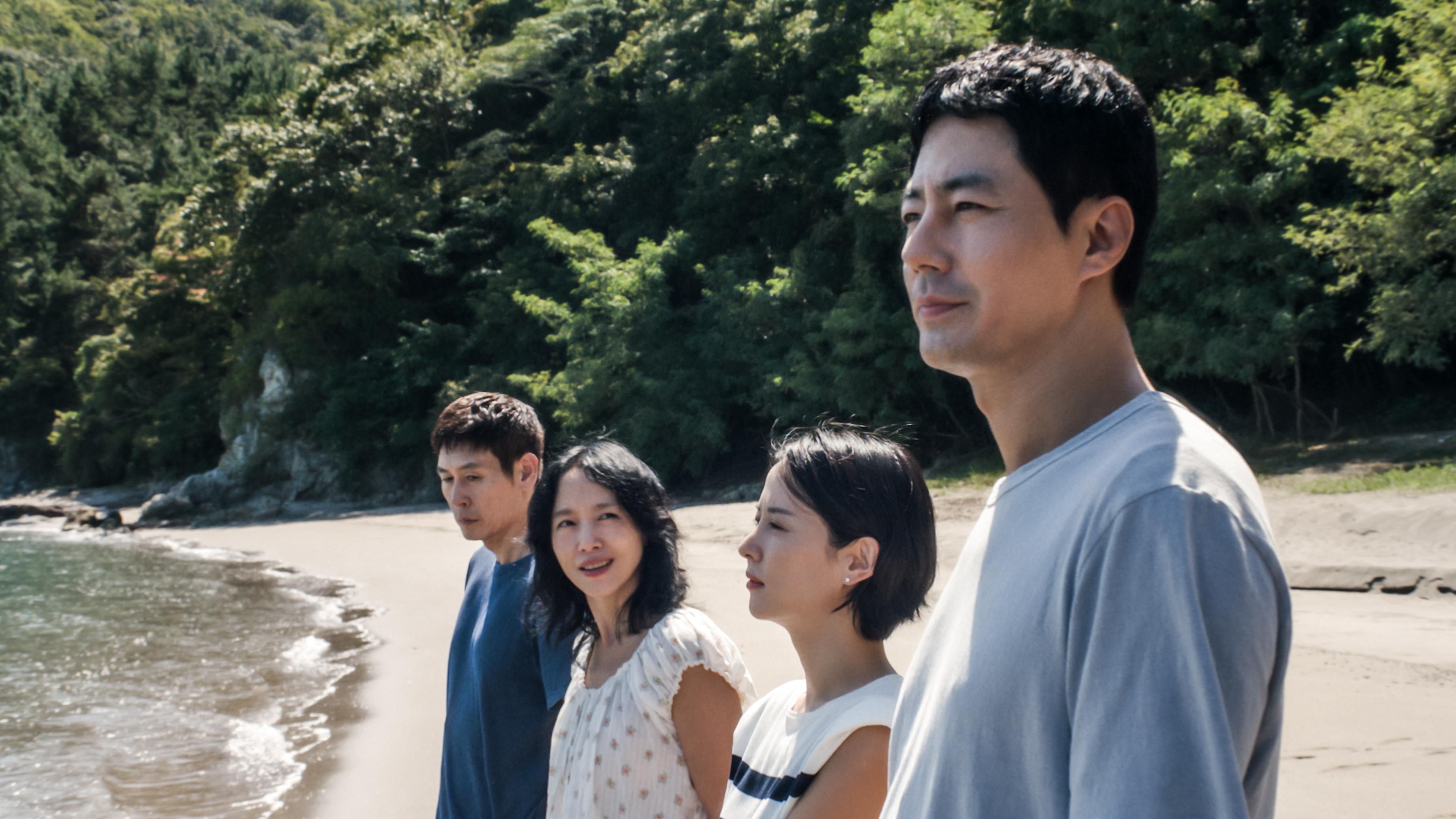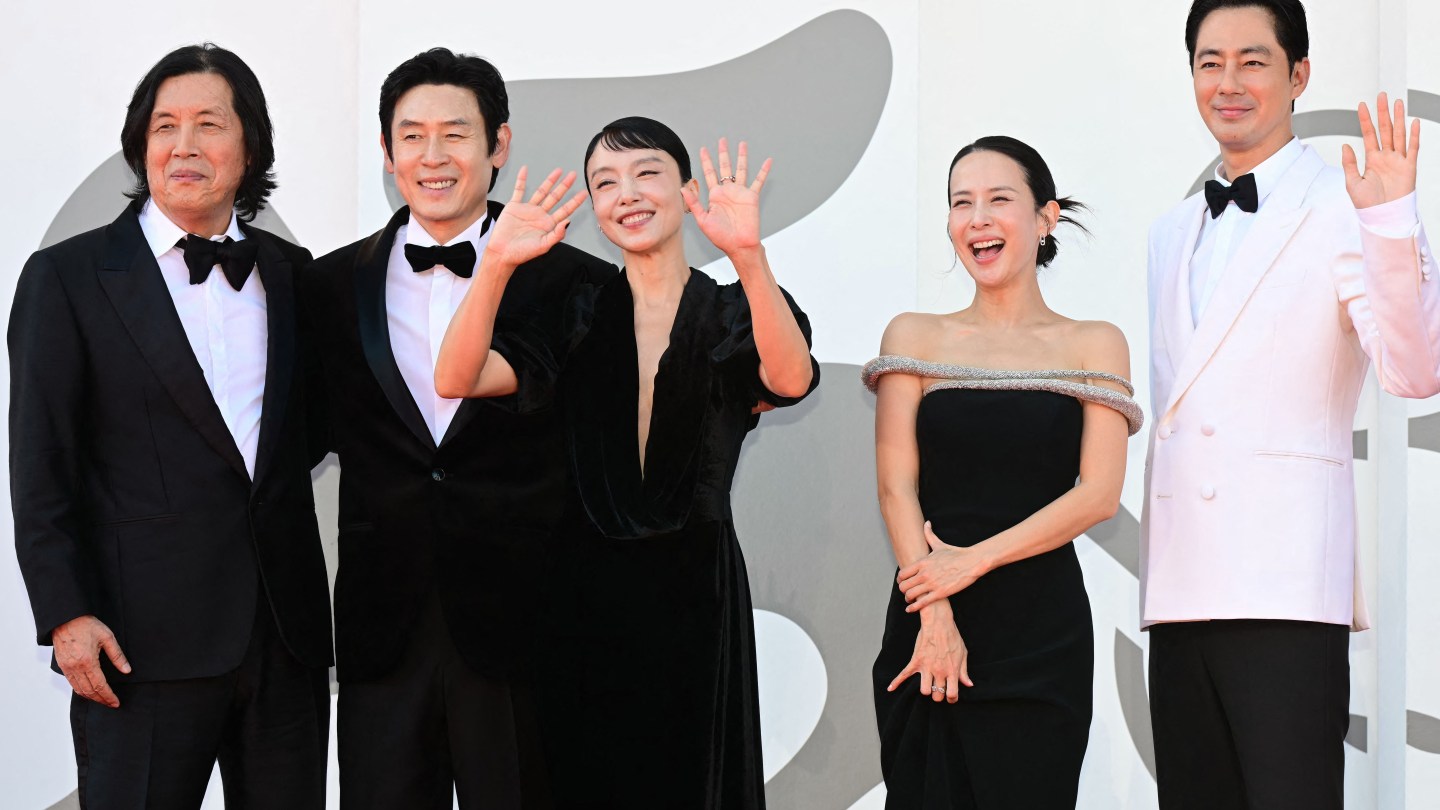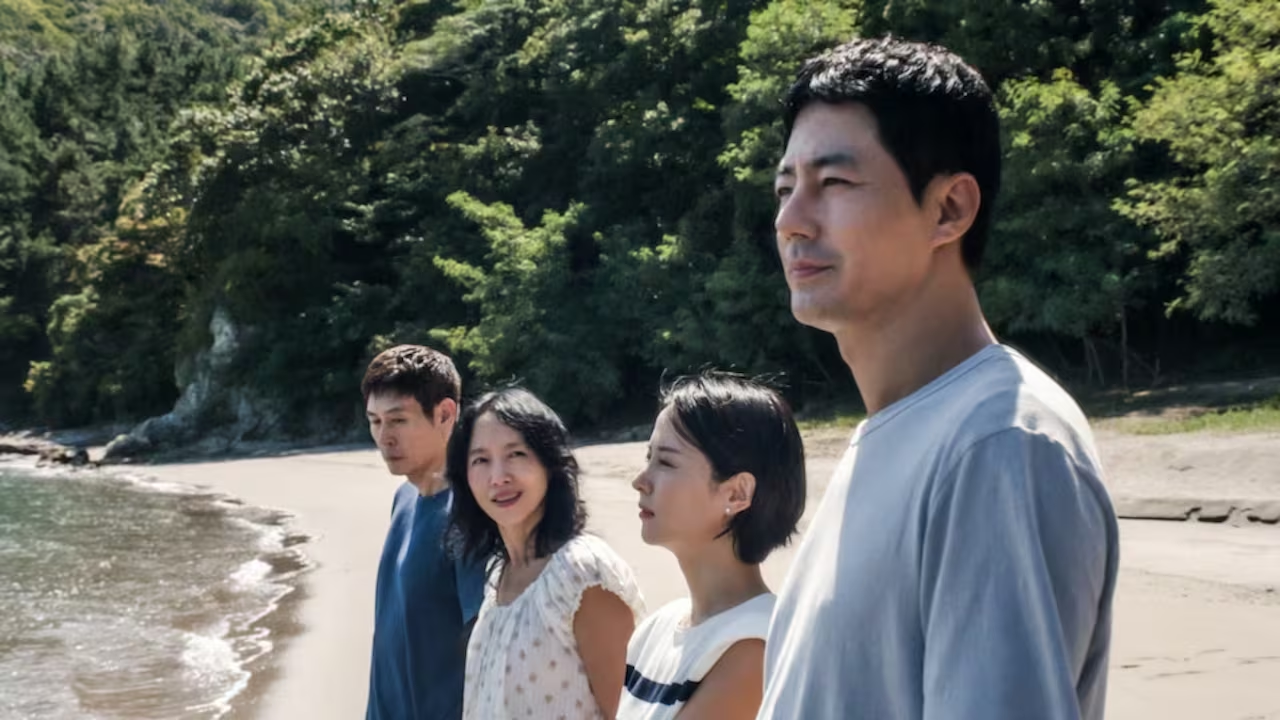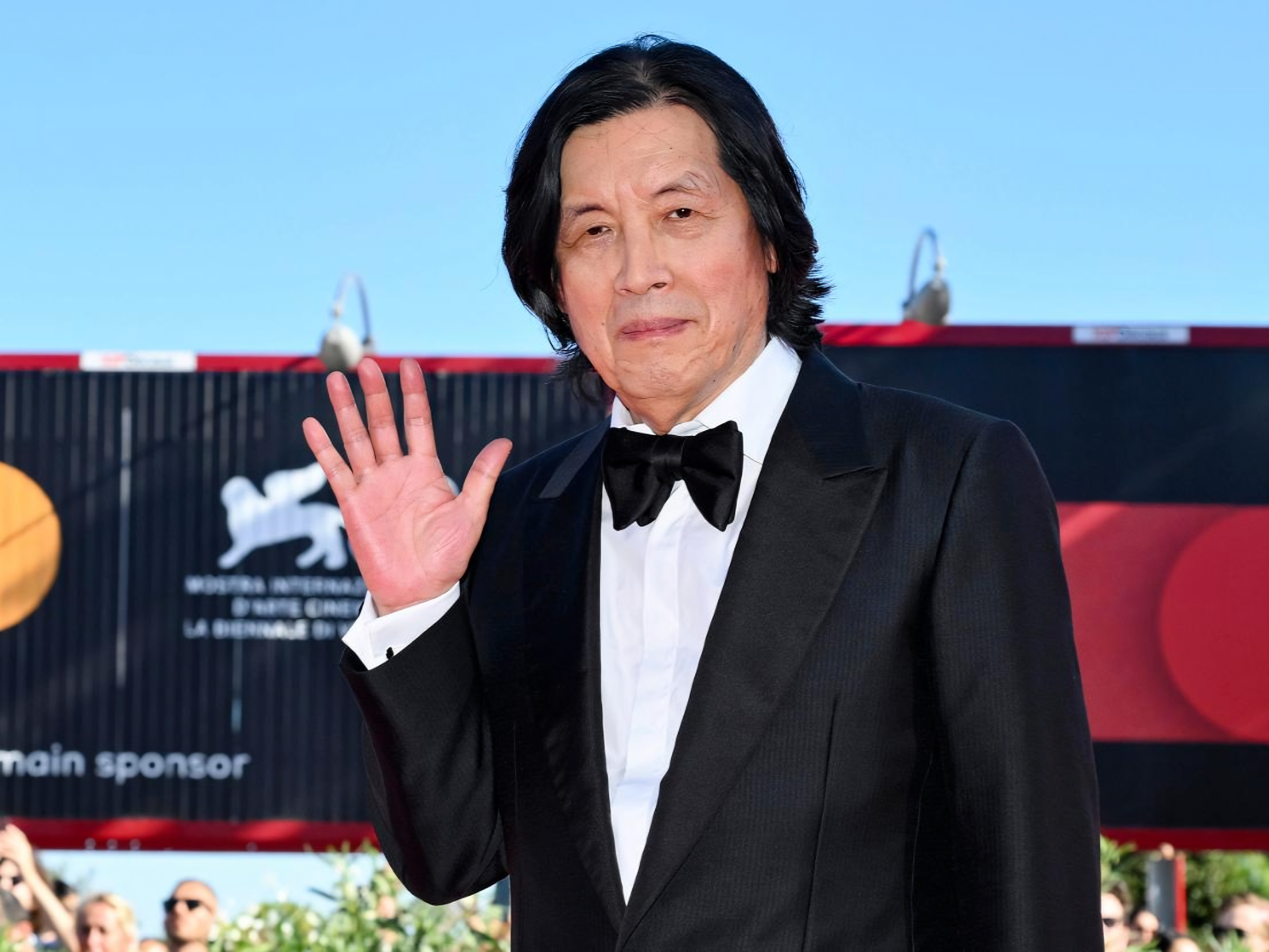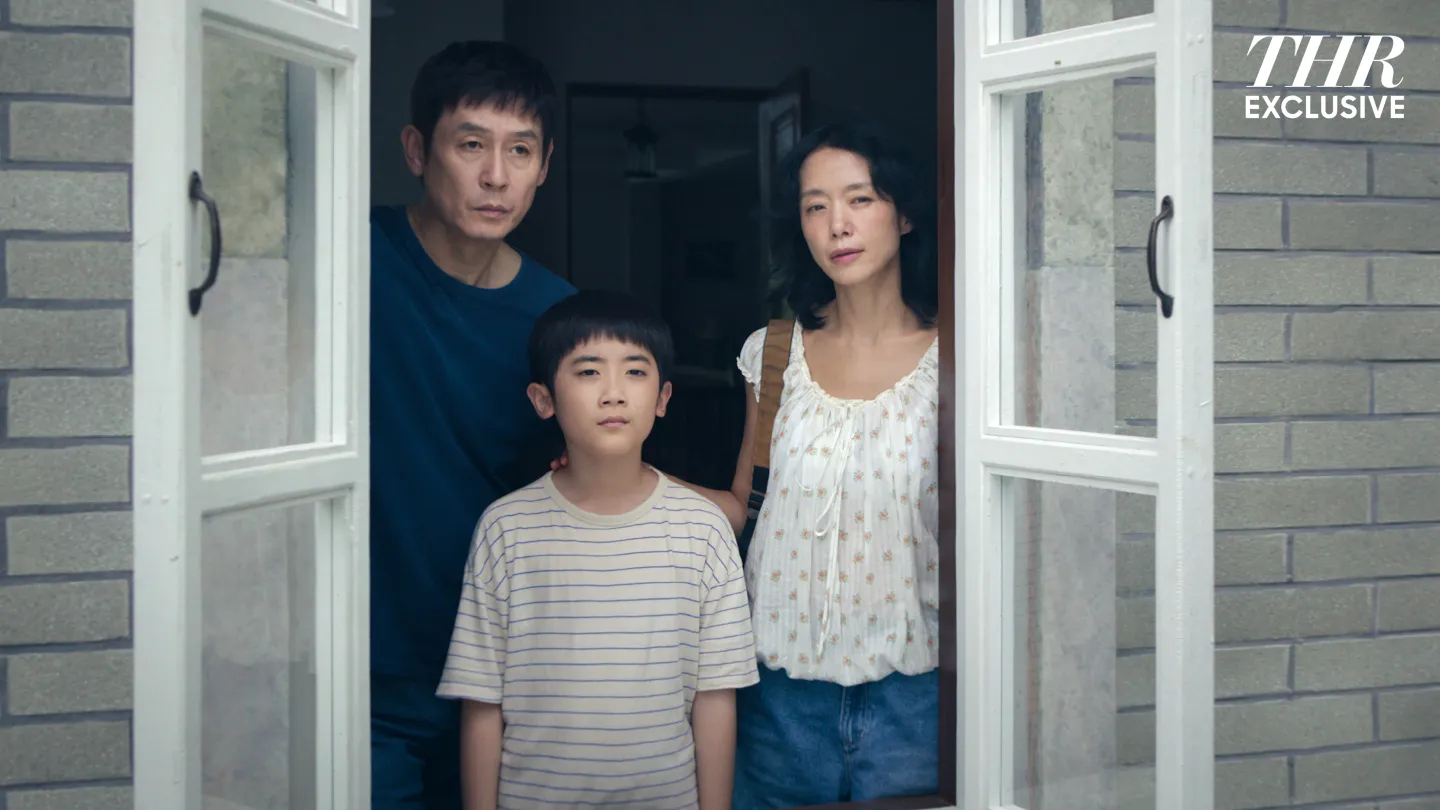
One of the key moments from Lee Chang-dong‘s last film, 2018’s “Burning,” still glows bright in the memory. A girl mimes eating a tangerine, and explains the knack for making it convincing: Don’t try to pretend there is a tangerine, try to forget there is not. It’s a little zen koan that rhymes imperfectly in “Possible Love,” Lee’s wonderfully rich and deep new movie, when Mi-ok (Jeon Do-yeon, delivering one of the most intricate performances of the year) is entranced by the fancy seaside house to which she has been invited. “It’s like a place from a novel!” she exclaims, only for her husband to scoff gently at the idea that Mi-ok reads novels at all. “OK, then,” she says agreeably, refusing to be any less enthused. “It’s like a place from a novel I haven’t read.”
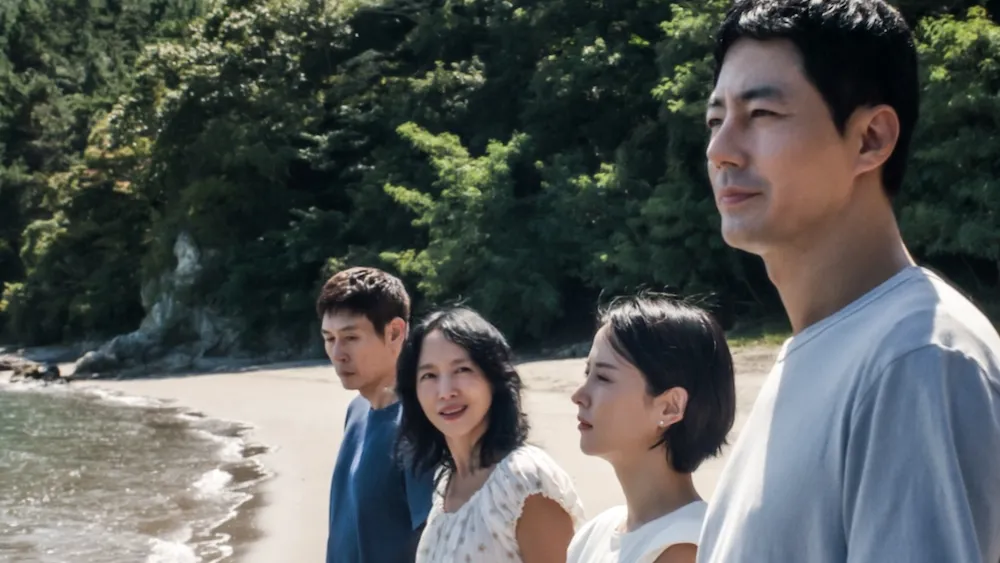
Absences so clearly delineated they read as presences; dreams so unattainable the yearning for them takes on mass and dimension, maybe even brick-and-mortar form. “Possible Love” is not a mystery, but it is rife with such little mysteries. And yet Lee’s elegantly unshowy filmmaking, typified by DP Kim Ji-yong’s coolly discreet photography, and the inner life that Jeon suggests is being lived behind Mi-ok’s bright, disingenuous eyes, are grounded in the prosaic reality, trenchantly observed, of Korean classism and labor exploitation. It is perhaps only Lee Chang-dong who can so seamlessly integrate such radically separate themes and moods, with every event being of consequence but nothing feeling forced. “Possible Love,” ostensibly a relationship drama tracking two marriages from opposite sides of the social divide, unfolds with surprise and inevitability held in such perfect balance that each moment feels like it’s telling you something you’ve always known, but have just never thought of before.