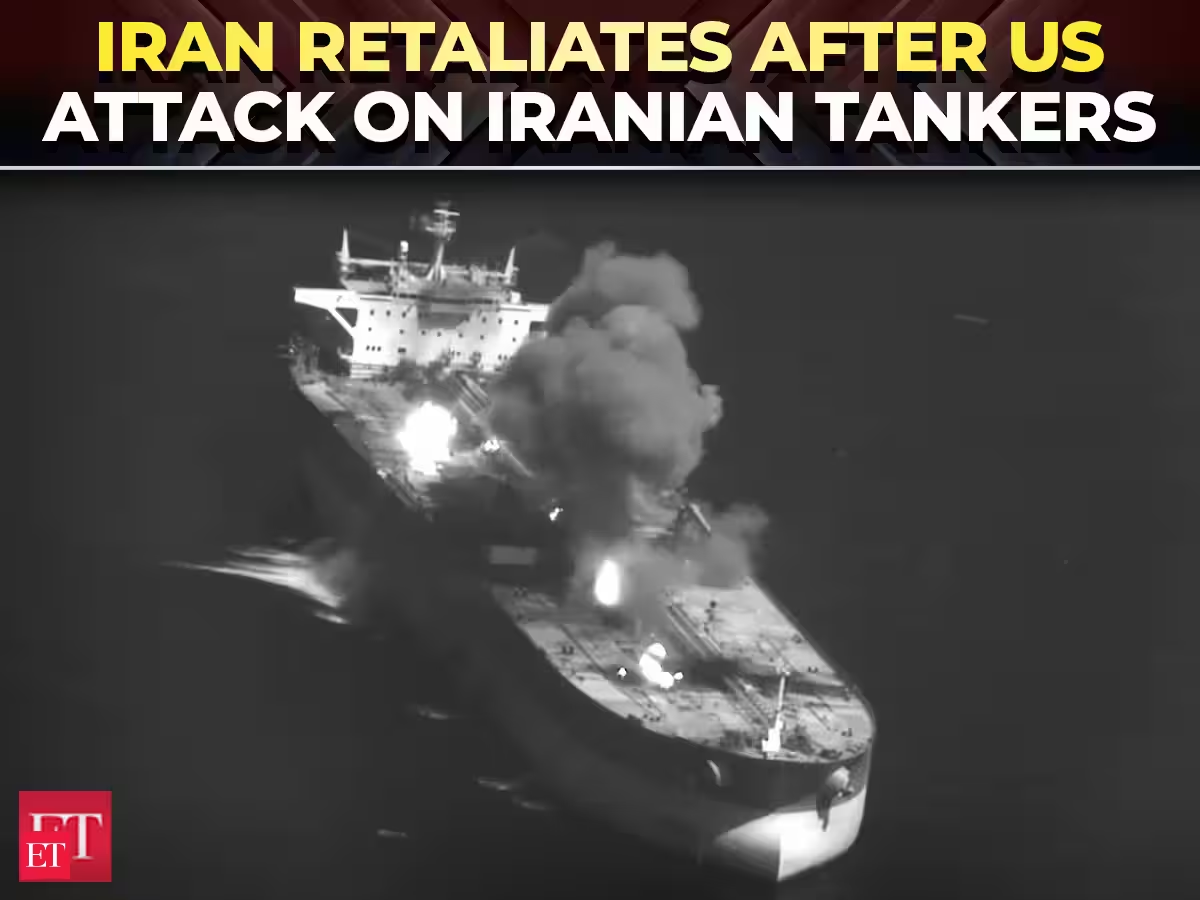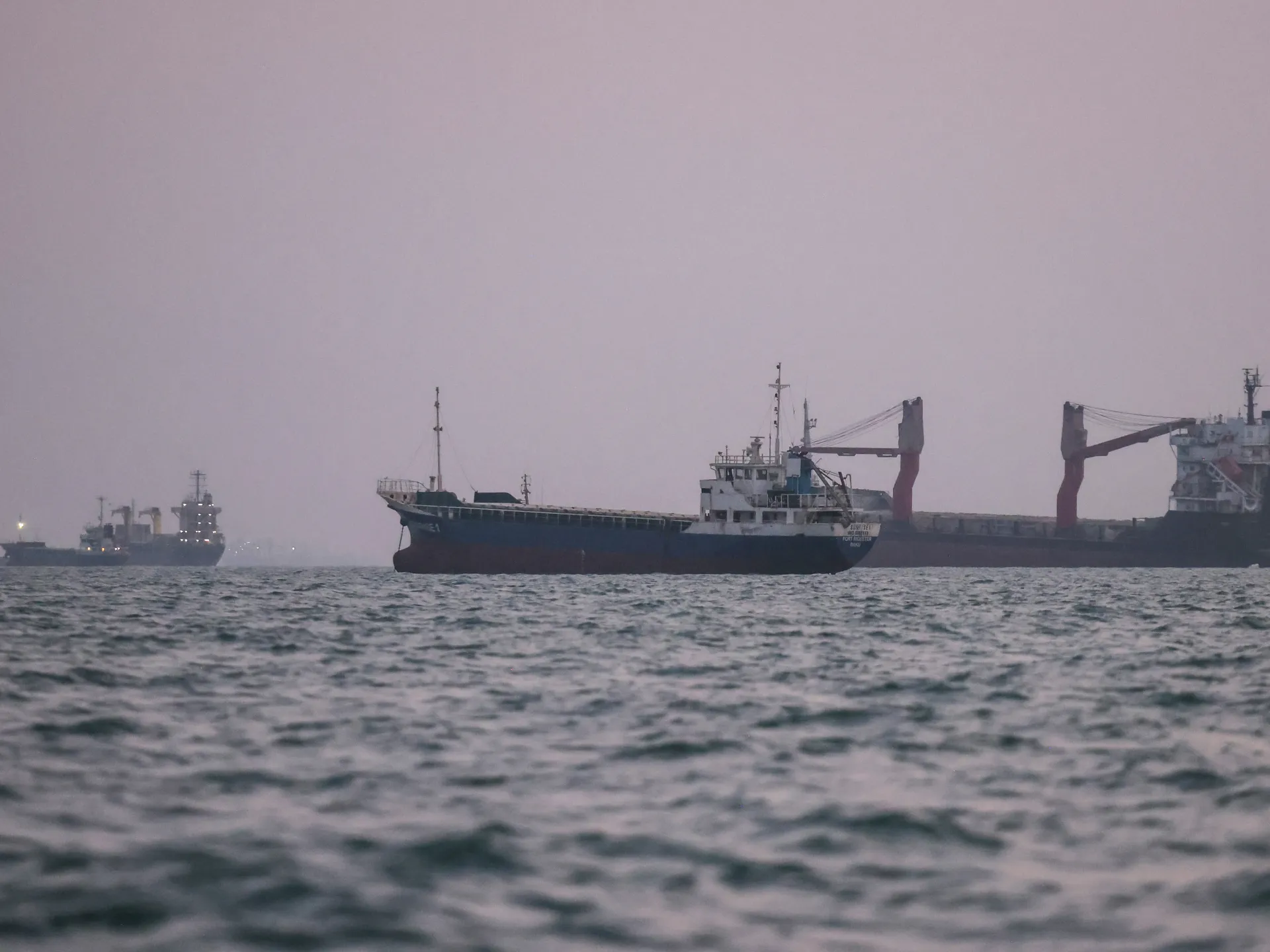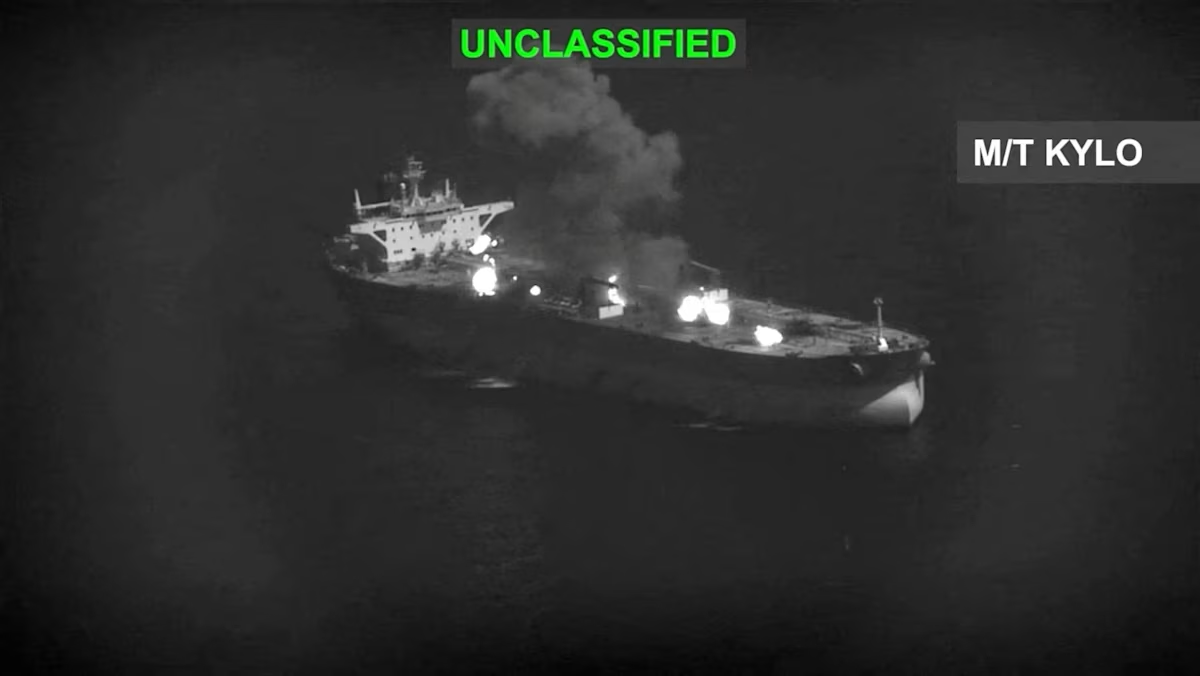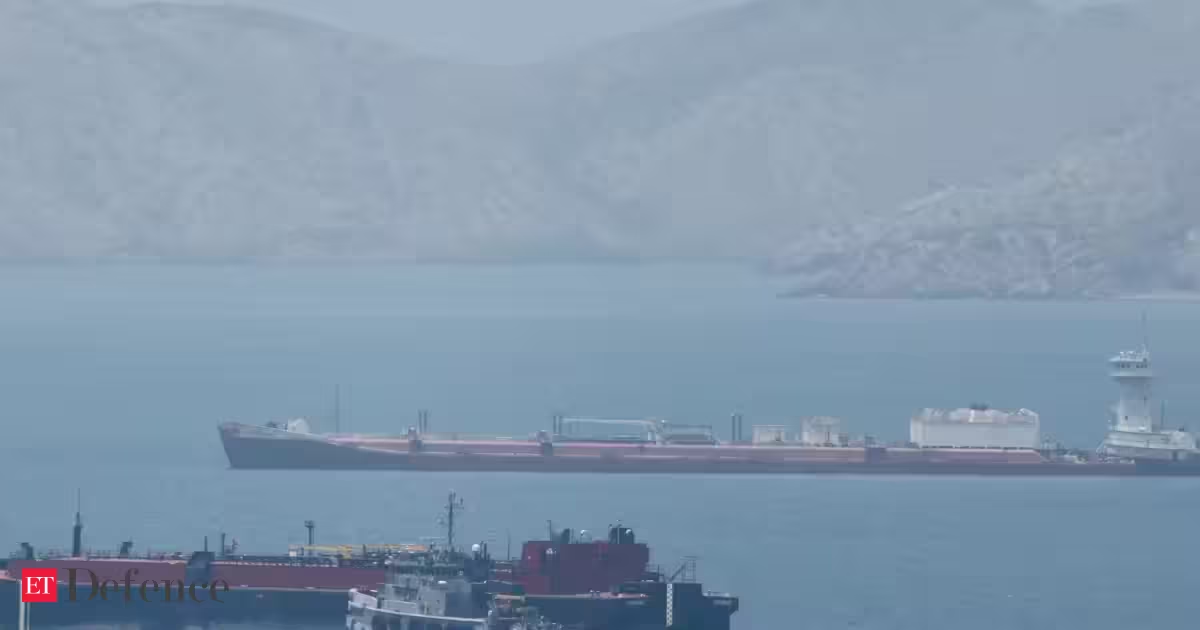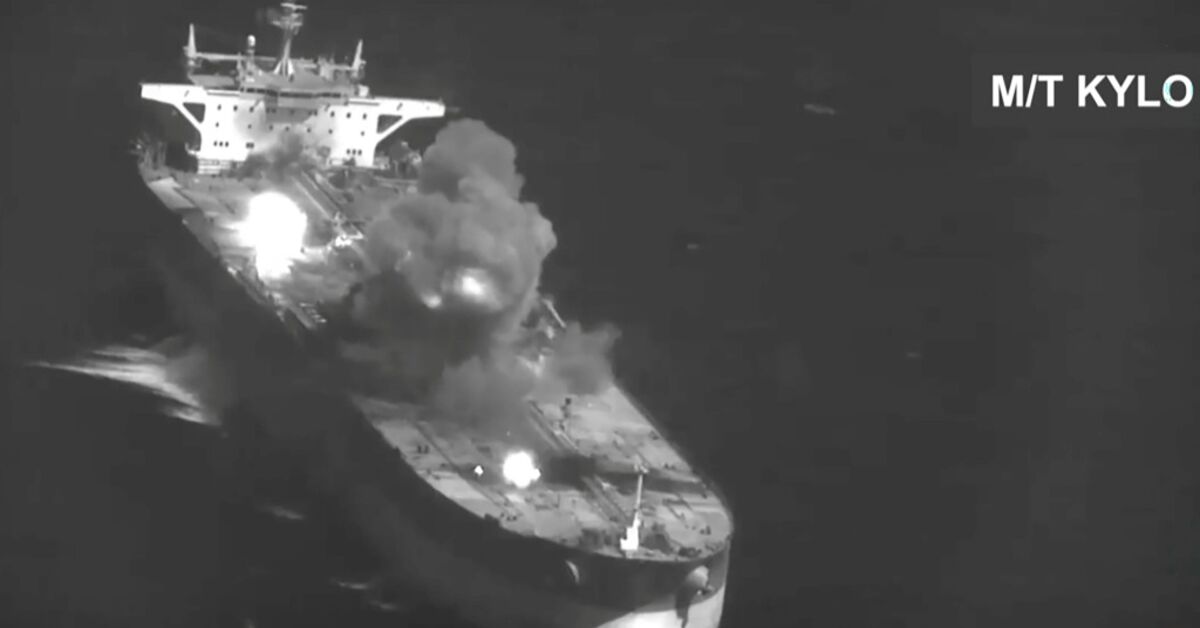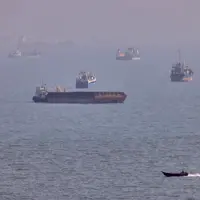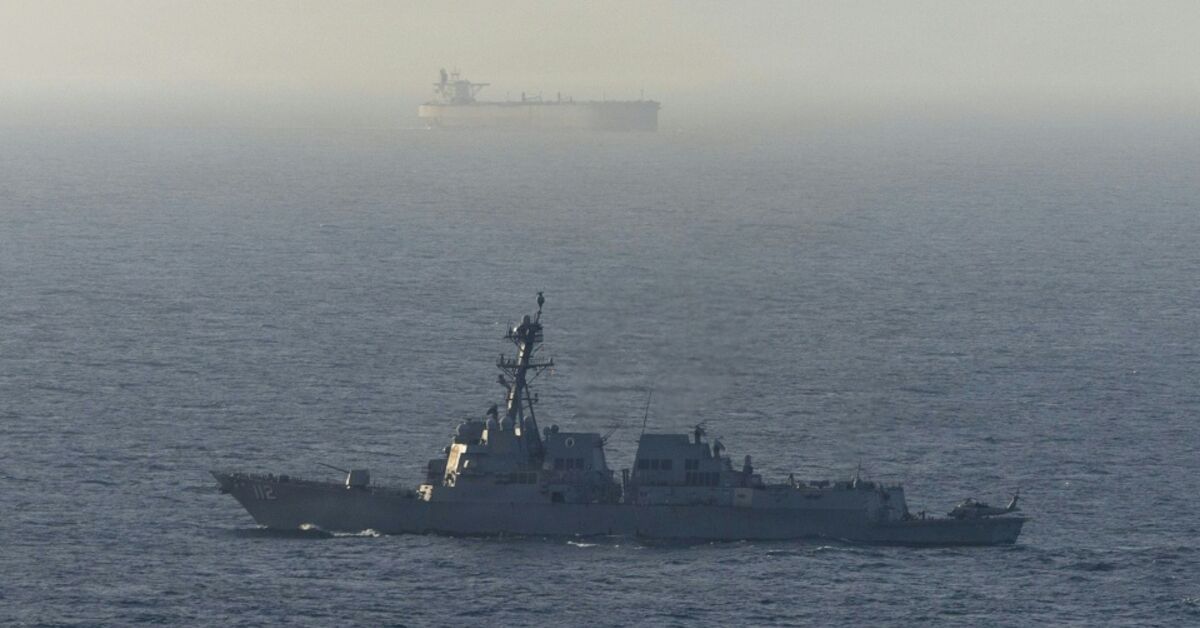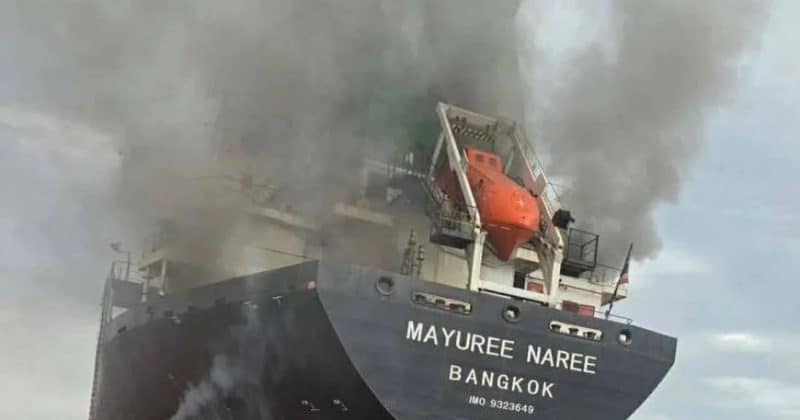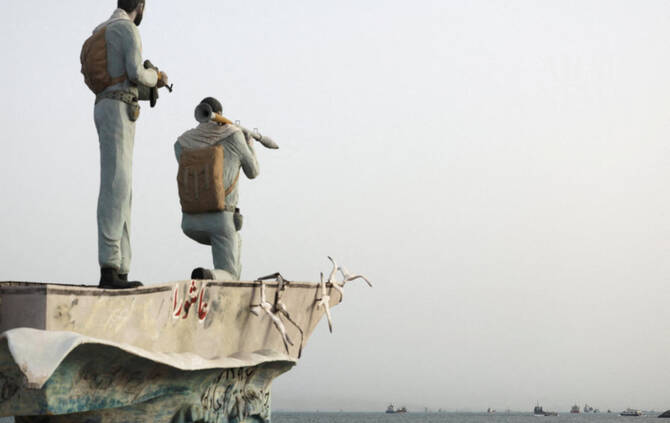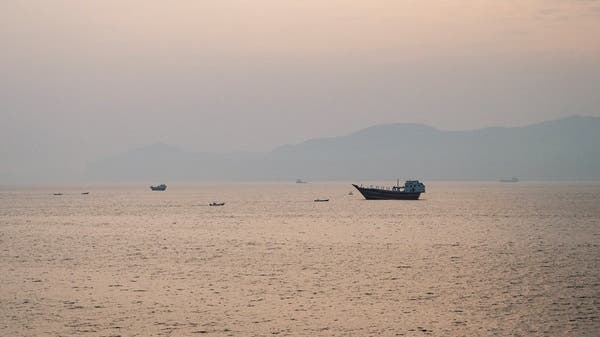
Iran’s Islamic Revolutionary Guard Corps Navy targeted three oil tankers and three vessels linked to the United States in the Strait of Hormuz on September 6, accusing them of navigating unauthorized routes through the waterway.
The strait ordinarily handles roughly 20% of all global oil and gas shipments. At its narrowest point, it’s about 21 miles wide, with shipping lanes in each direction that are only two miles across. Saudi Arabia, Iraq, Kuwait, the UAE, and Qatar all depend on it to get their crude to market.
Tit-for-tat on the water
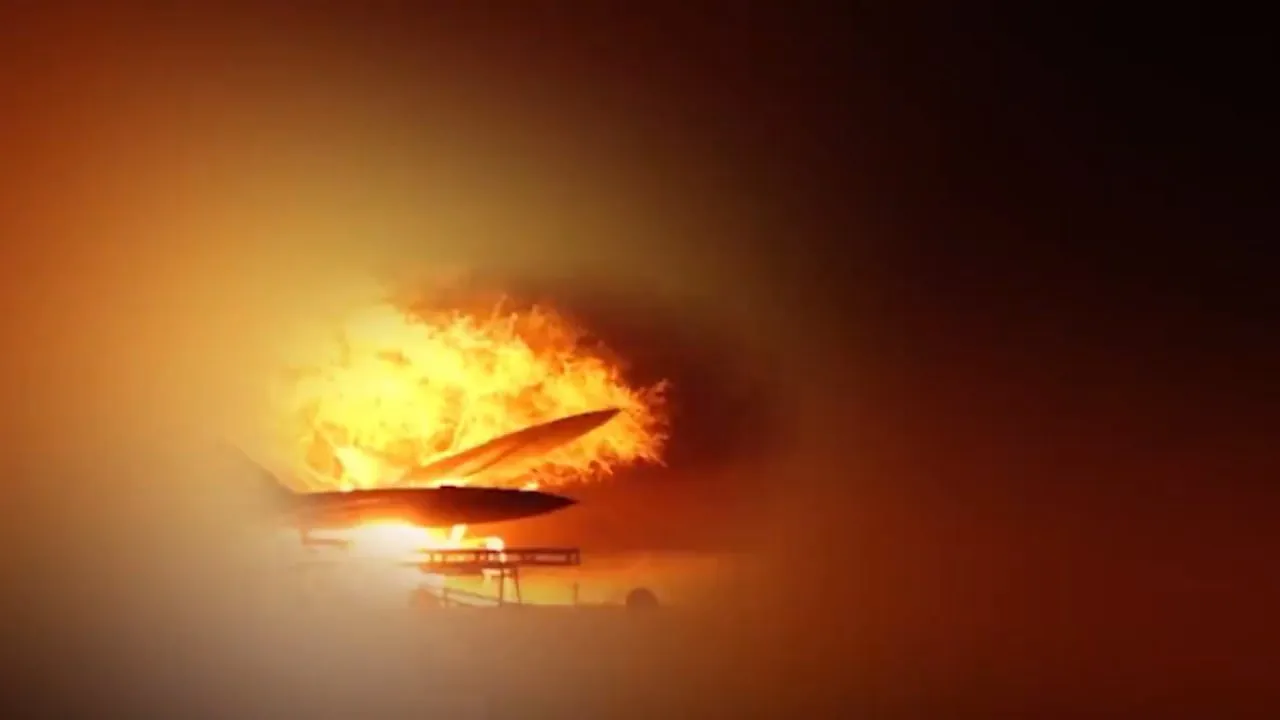
The IRGC framed its actions as retaliation. US forces had previously struck three Iranian oil tankers, one of which reportedly sank in the Gulf of Oman after IRGC forces launched missiles at US Navy warships. US Central Command confirmed its airstrikes against Iranian vessels, placing the strikes within the broader context of ongoing bilateral tensions.
Iran’s spokesman Ebrahim Zolfaghari went further, threatening additional strikes on US vessels if what Tehran describes as a blockade of Iranian shipping continues.