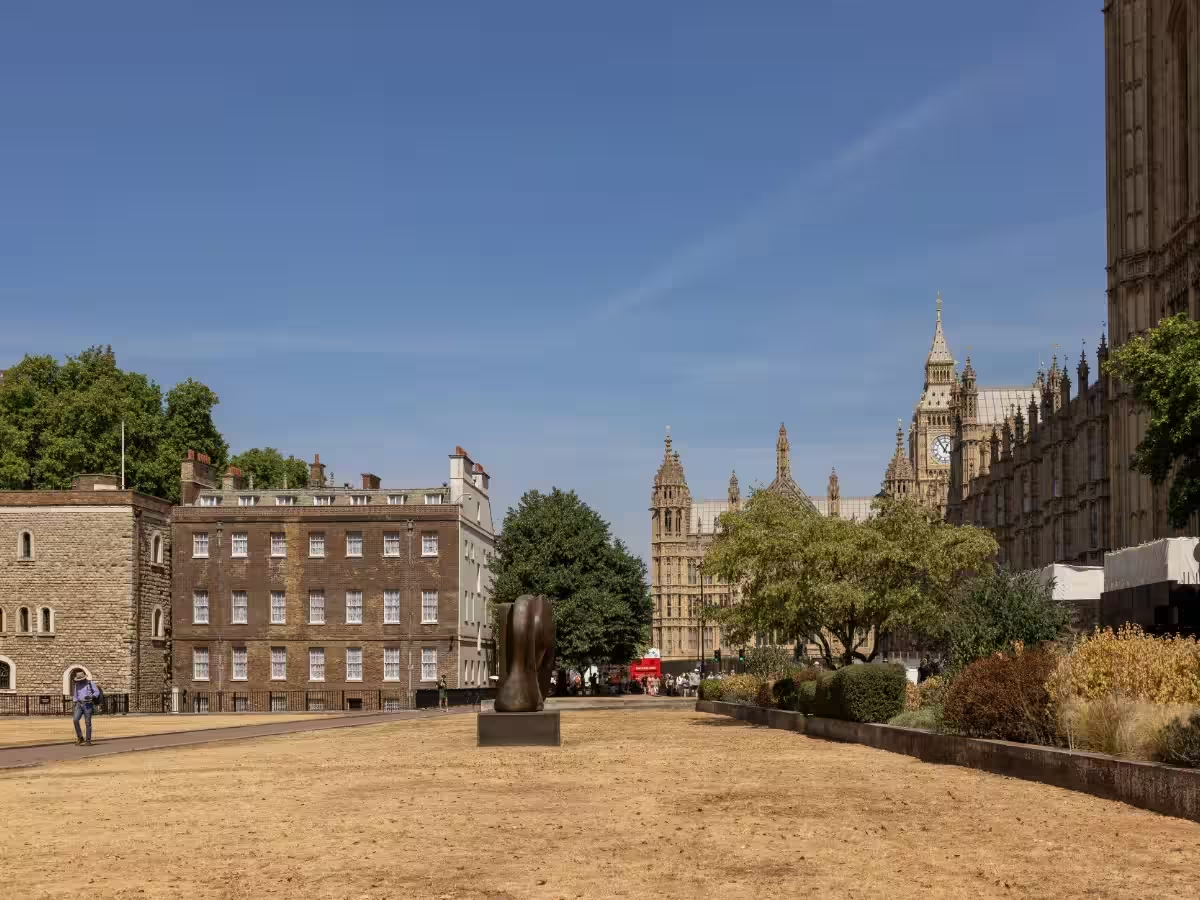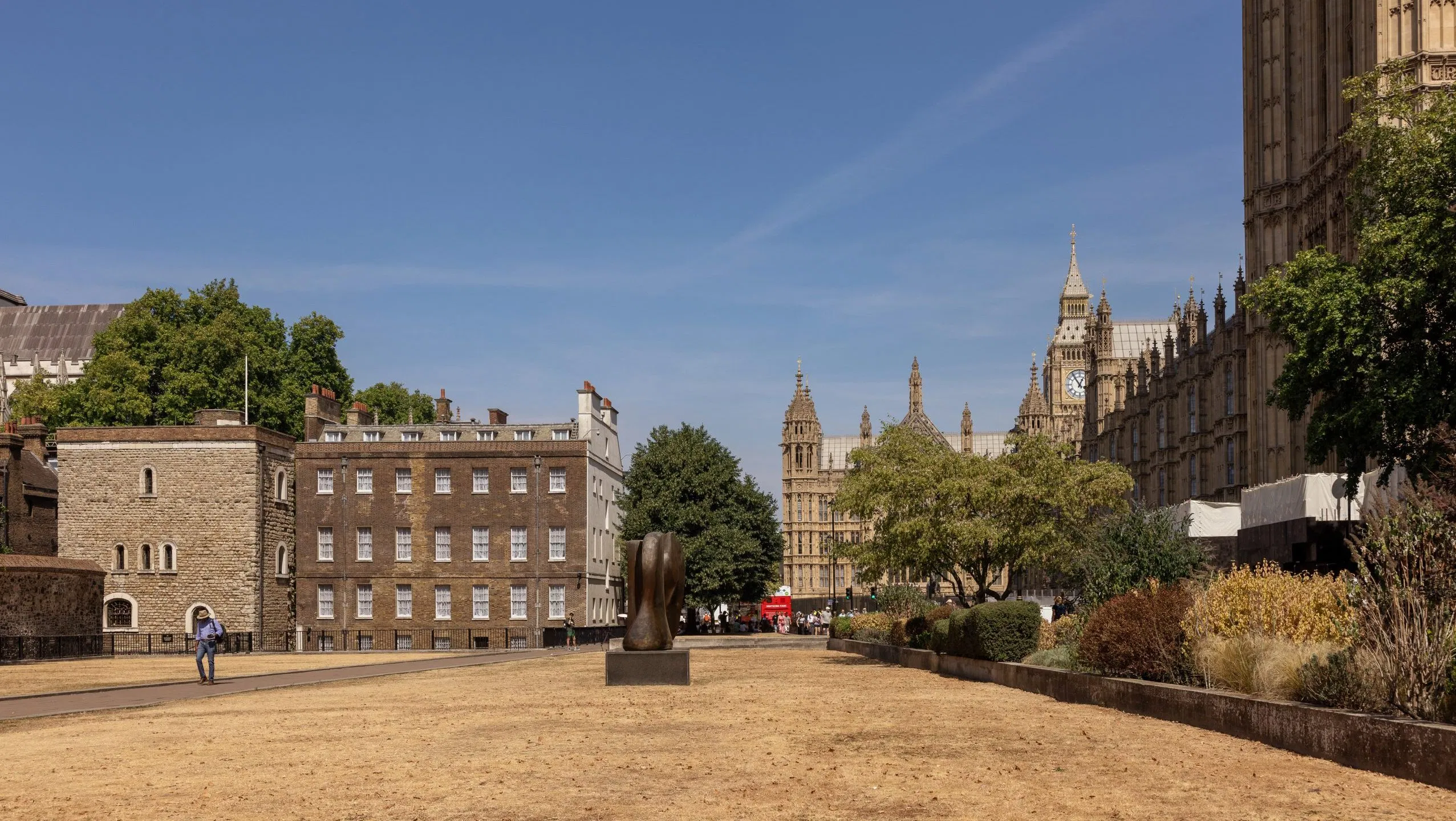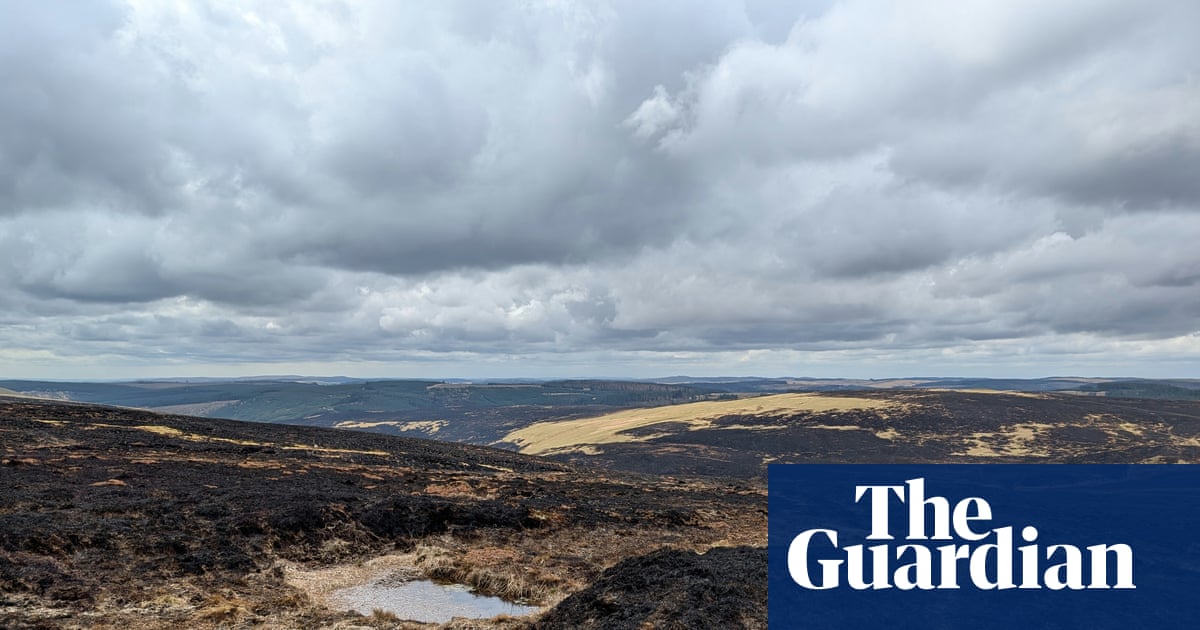
THE WEATHER this summer in southern England, where I live, has been brutal: exceptional heatwaves and record-breaking spells without rain. Tracks have buckled, disrupting transportation, and crop yields are down substantially, with farmers warning of food shortages next year.
Some experts tell us that this is merely what we can expect based on long-standing climate-change predictions of „hotter drier summers”. But such predictions do not explain what we experienced this summer and it is important—and urgent—to understand why not, at least if we are to be prepared for next summer and those immediately after.
De redactie van NRC selecteert de beste artikelen uit The Economist voor een breder perspectief op internationale politiek en economie.
The perhaps familiar predictions of „warmer wetter winters, hotter drier summers” describe what is called the „thermodynamic” aspect of climate change: the generic consequence of the fact that global surface temperatures are warming from greenhouse-gas emissions, and that a warmer atmosphere necessarily contains more water vapour. With more humid air, the standard low-pressure systems that bring rain to the British Isles in winter will bring even more rain under climate change. In summer, by contrast, where such low-pressure systems are suppressed by the reduced equator-to-pole temperature gradient (a consequence of the Sun moving northward), the warmer air will dry the land, reducing rainfall further. We understand this thermodynamic signal extremely well—not least because the underlying physics is simple.