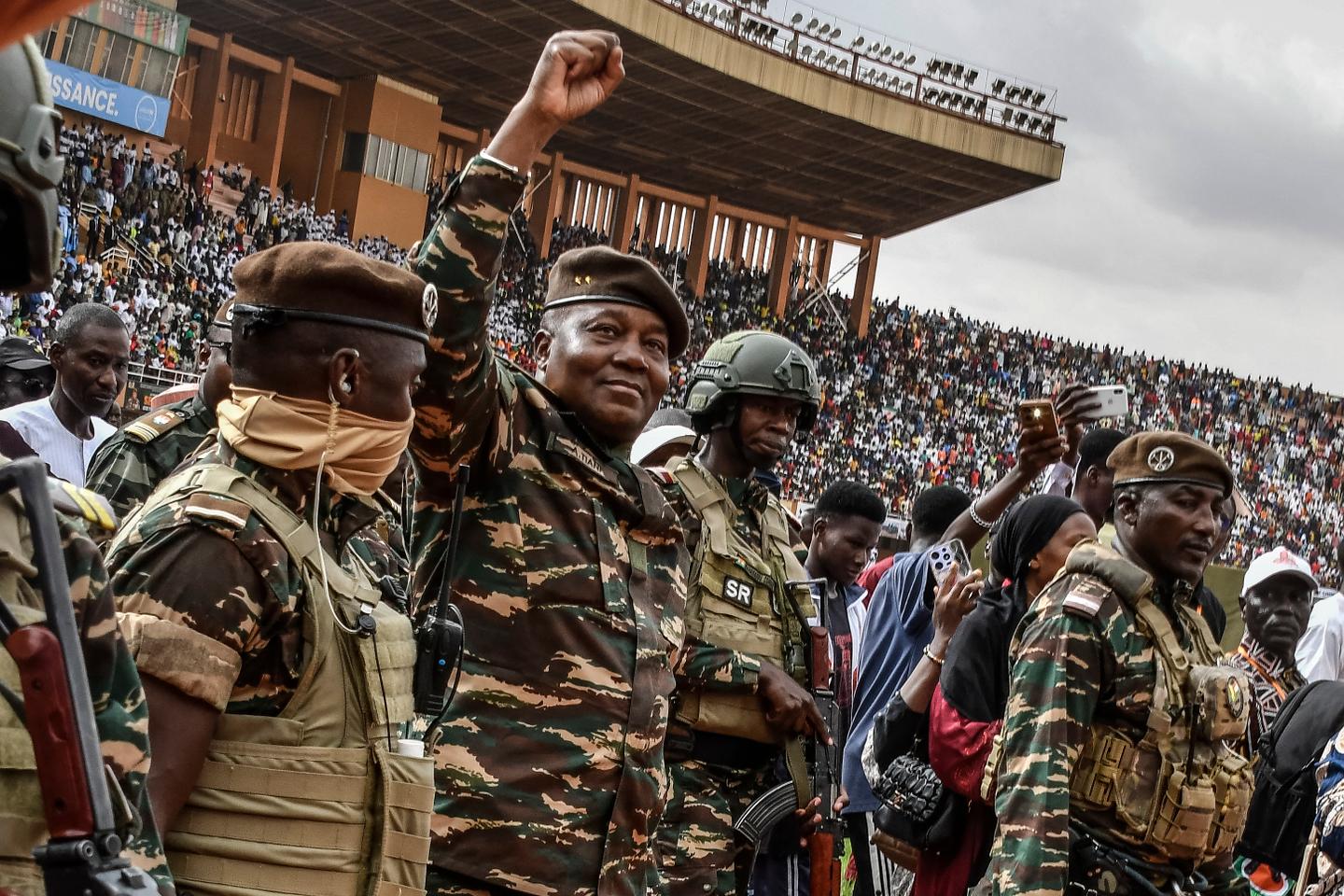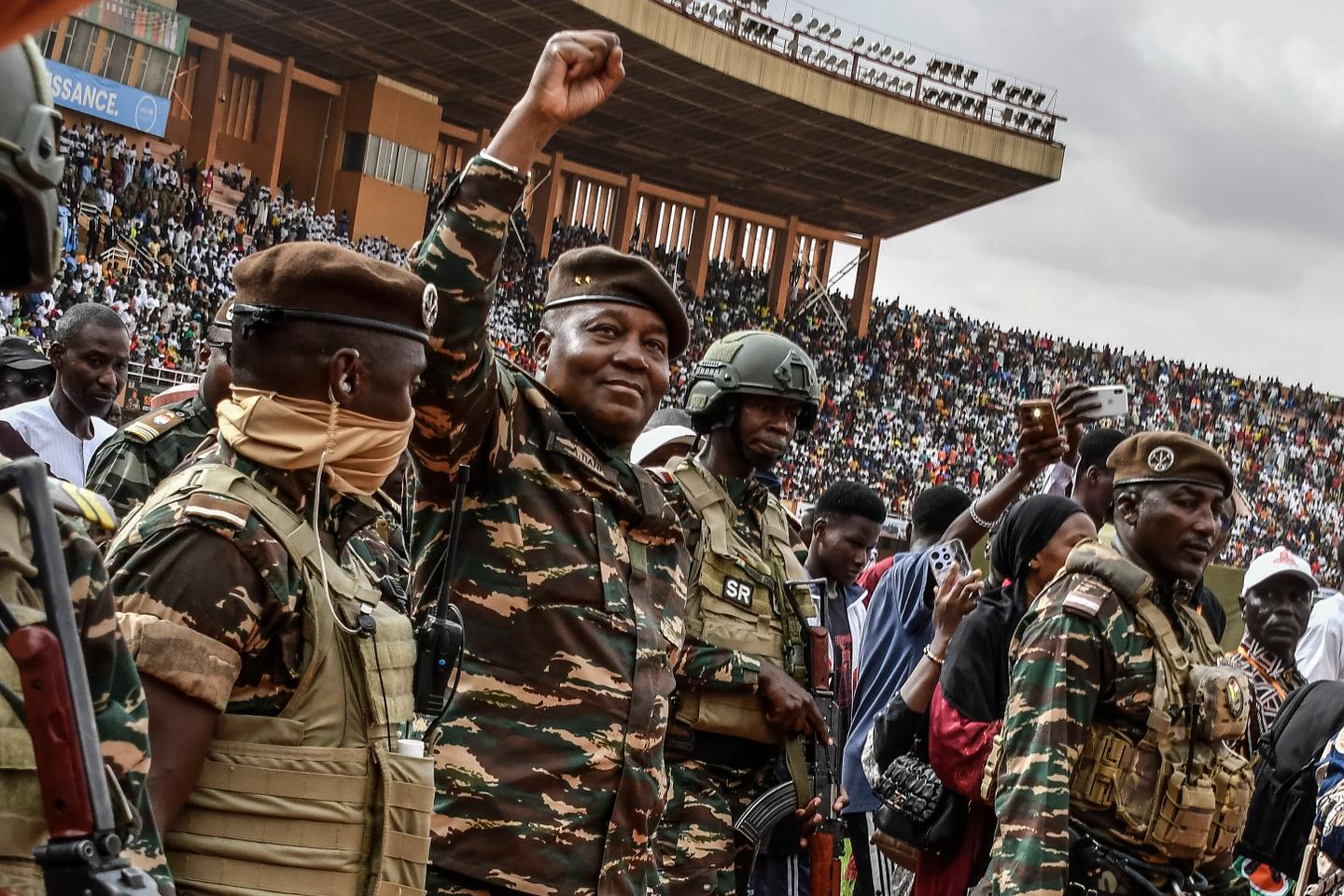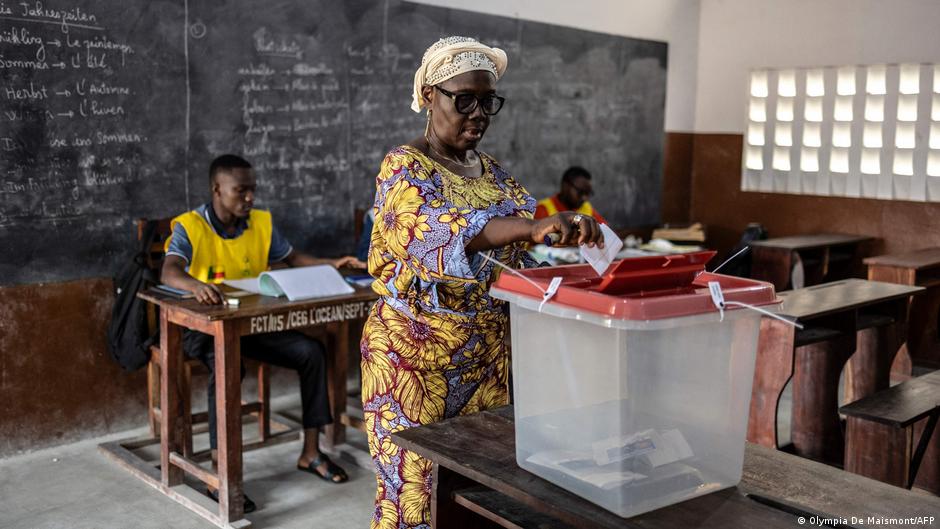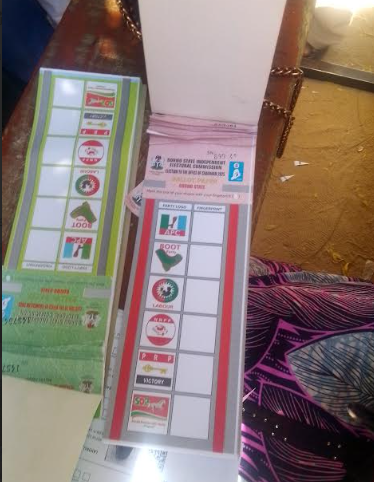
The future of liberal democracy in Africa may not be bright because it has the great potential to unnecessarily generate coups d’état. In international relations, coup d’état is illegal but the illegality is conveniently acquiesced to in protest against bad democratic governance. In order to promote democracy, France, generally supported by other European Union (EU) Member States, made the adoption of democracy a conditionality for the grant of development aid to African countries. President François Mitterrand made this clear at the 1990 sixteen Franco-African Summit, held in the coastal resort of La Baule in southern France. However, this conditionality has been selectively applied, and thus making non-democratically-elected governments to thrive and condoned.
Coup d’état, as a concept, dates back to antiquity. It dates back to the time of Julius Caesar’s march on Rome. Its modern usage began with the Coup of 18 Brumaire when Napoleon Bonaparte overthrew the French Directory on November 9, 1799. At that time, coup d’état was still defined as a sudden blow against the State or as an illegal overthrow of an existing government. In the late 1700s, it specifically meant a sudden strike by political or military insiders to seize power from the top. Coup d’état, unlike a revolution, is often carried out by a group of small, elite people.