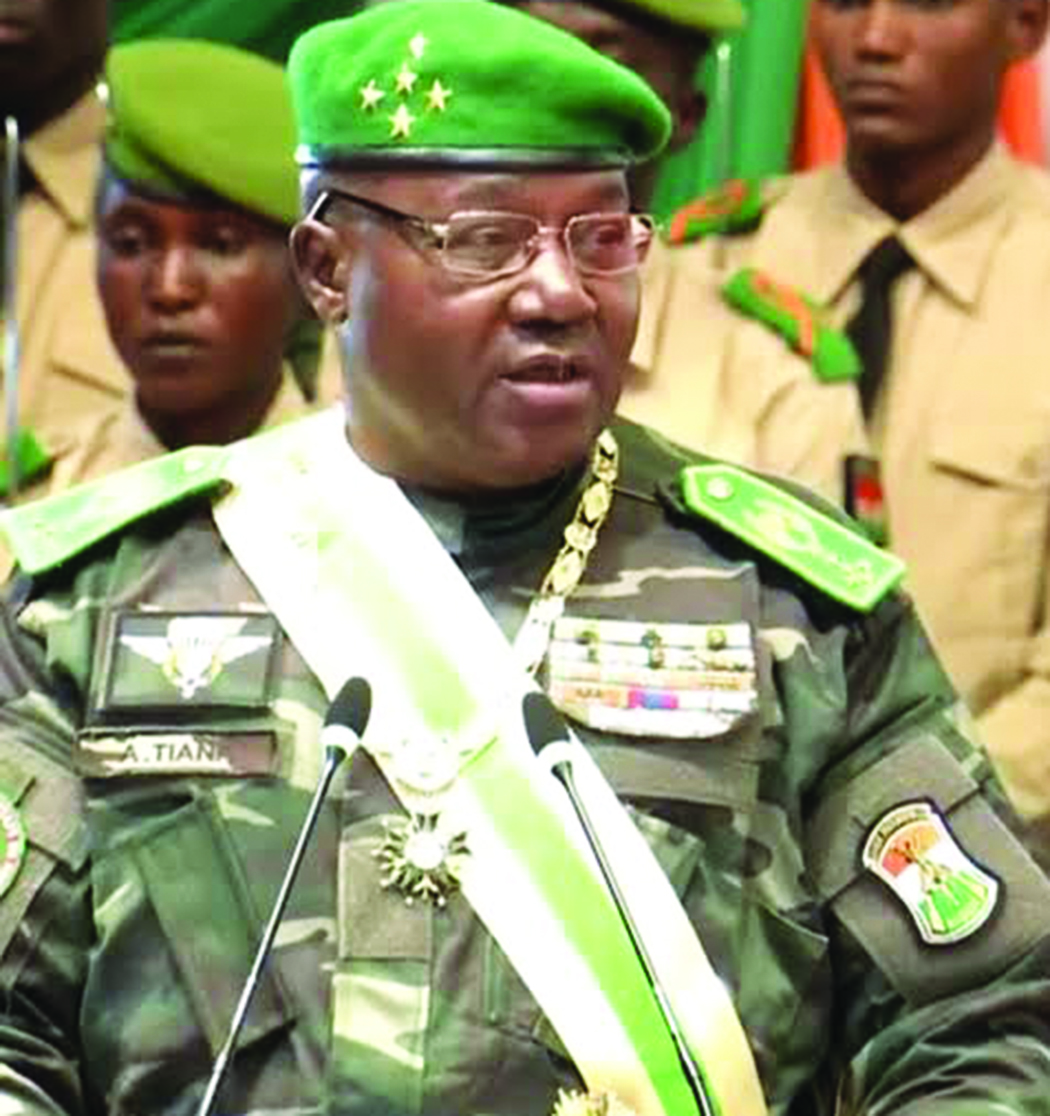
The new Sahelian juntas have rebranded the soldier as saviour. In Mali, Burkina Faso, and Guinea, military rule now wears the garment of liberation — presented as the lesser evil compared to democratic sheriffs who plunder state coffers while chanting constitutional hymns. When democracy repeatedly fails to deliver development, citizens begin to flirt with alternatives. As Afrobarometer data shows, support for elections weakens when they fail to hold leaders accountable.
Africa’s tragedy is not that its people reject democracy. On the contrary, Africans’ demand for democracy remains durable. What they reject is deception masquerading as democracy.
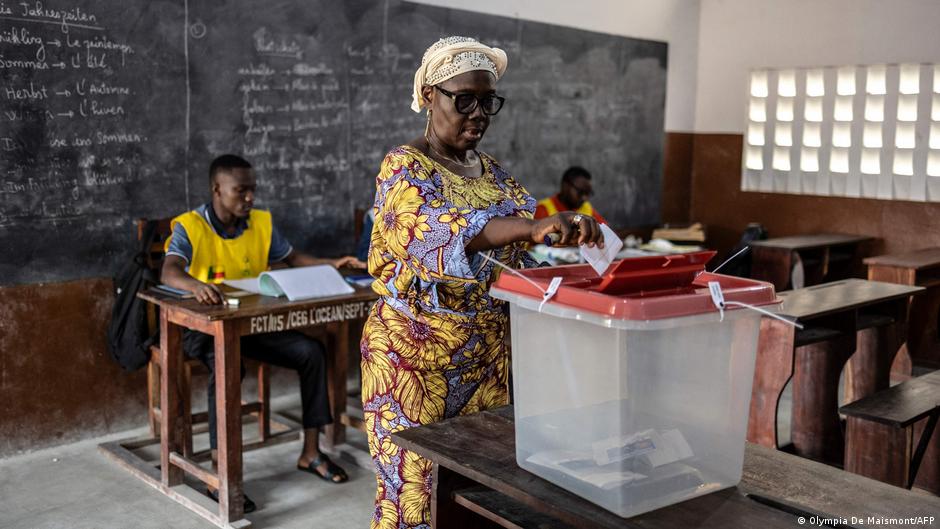
In theory, elections are the heartbeat of democracy. In practice, across parts of Africa, they have become elite choreography — ritualistic performances where outcomes are whispered long before ballots are cast. Lindberg advanced that repeated elections could deepen democracy over time. But repetition without reform produces fatigue, not freedom.
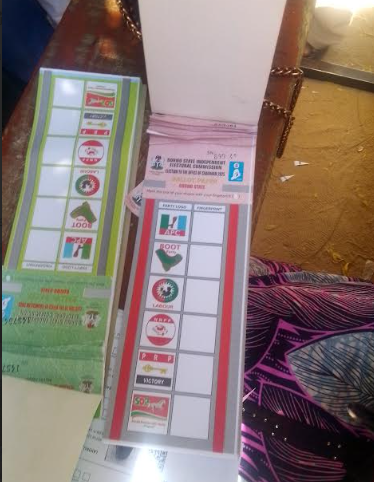
Nigeria illustrates this paradox. Since returning to civilian rule in 1999, elections have been held regularly. Yet democracy feels less like popular sovereignty and more like what I call “capture.” Institutions meant to referee the contest — electoral commissions, courts, and security agencies are often accused of partisan compromise. As Cheeseman and Klaas document across African contexts, electoral manipulation no longer requires tanks; it requires control of institutions, money, and narrative.