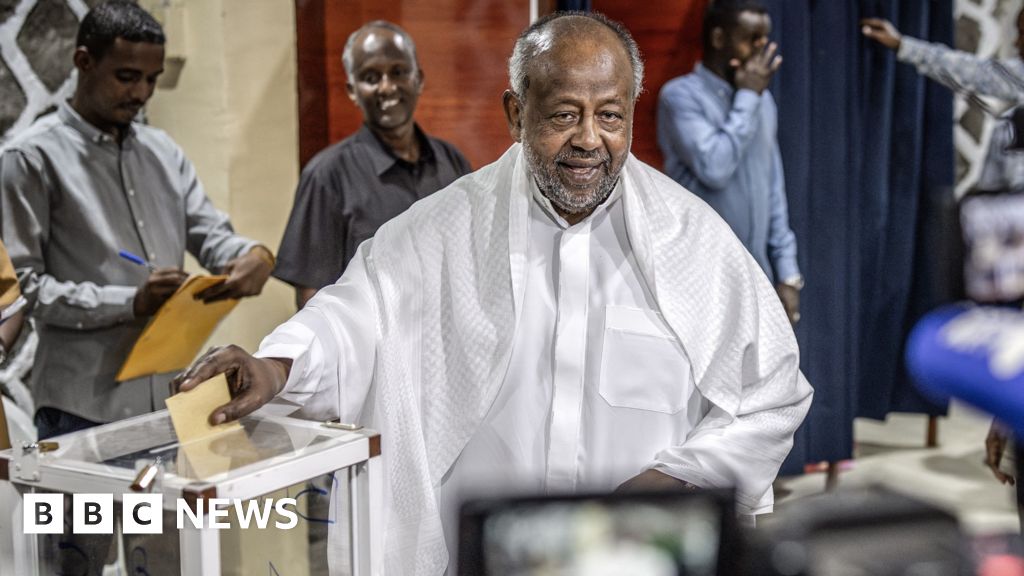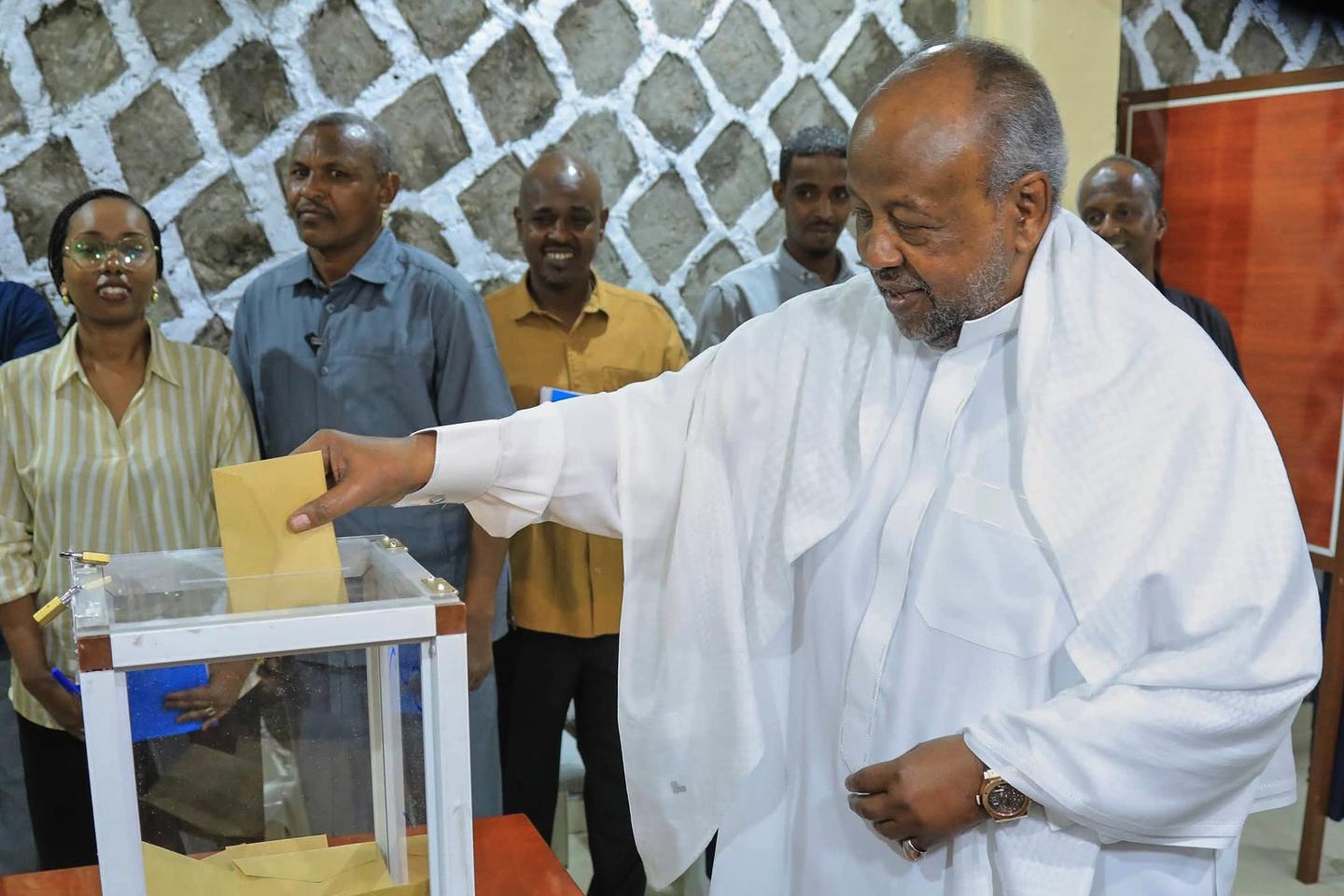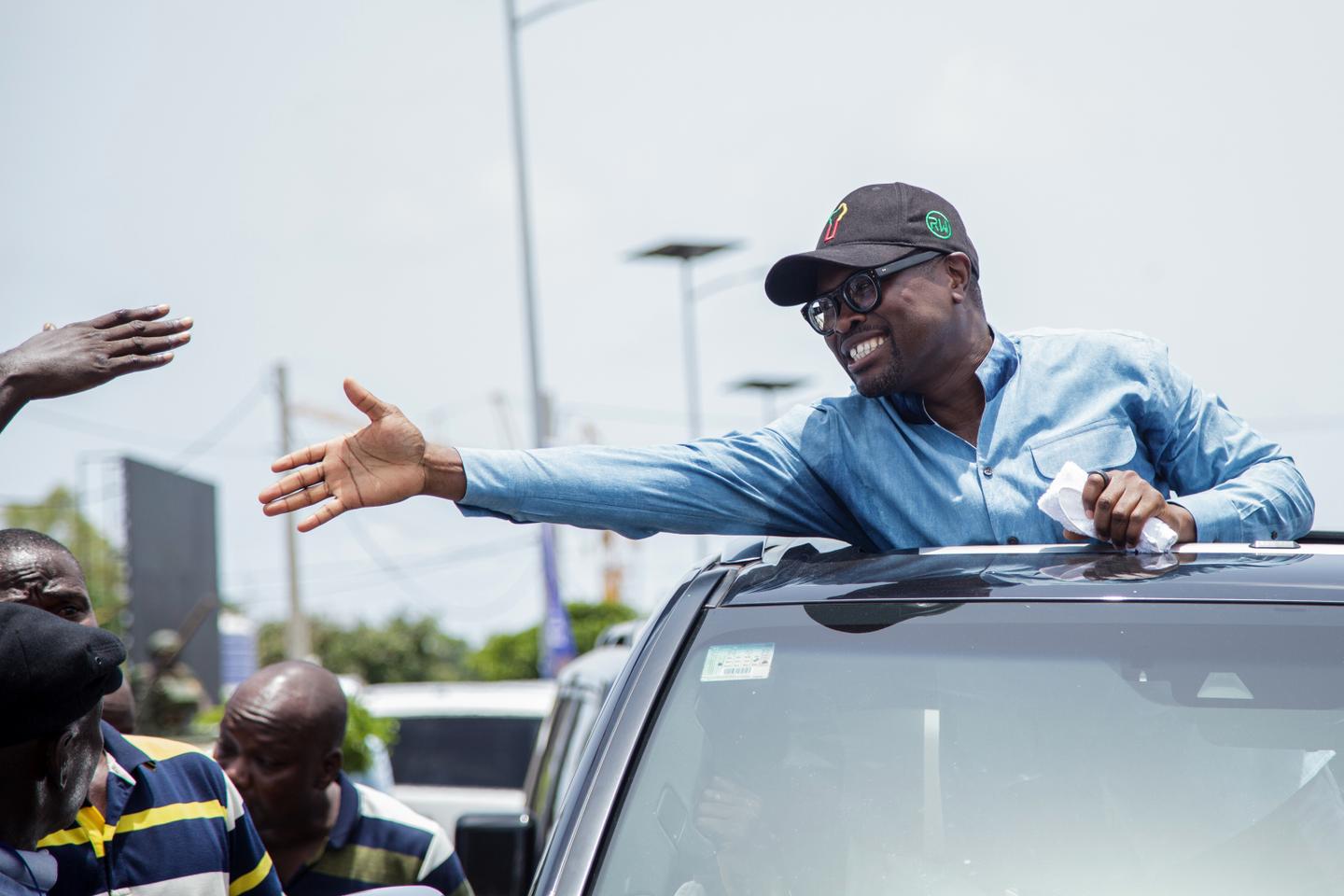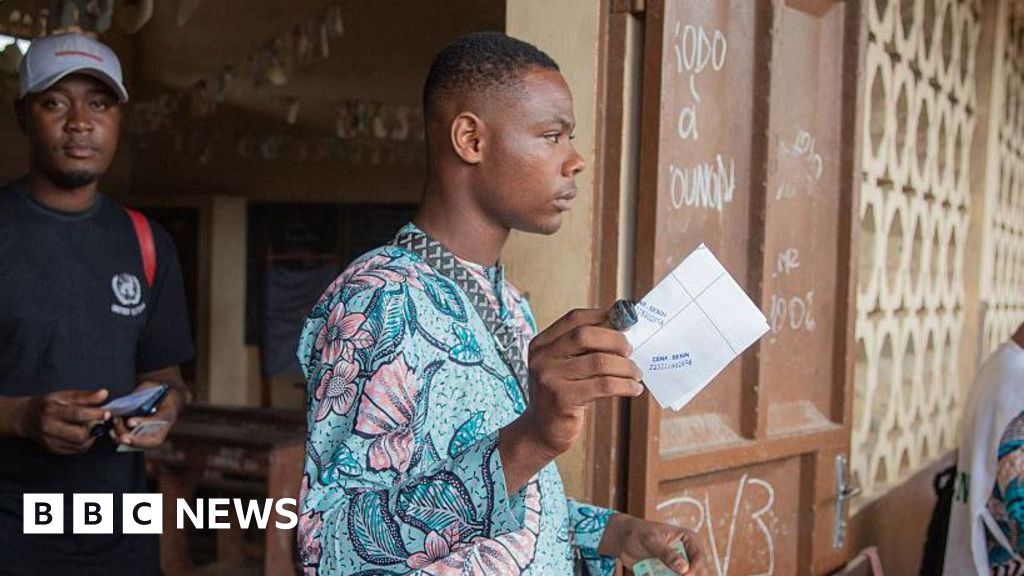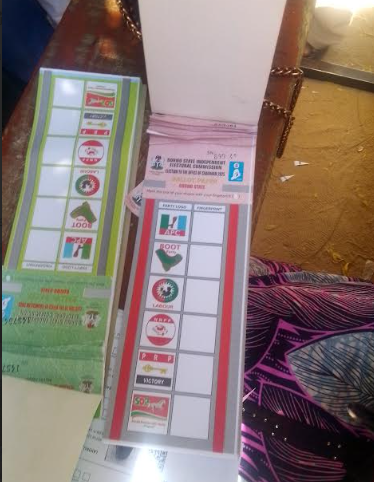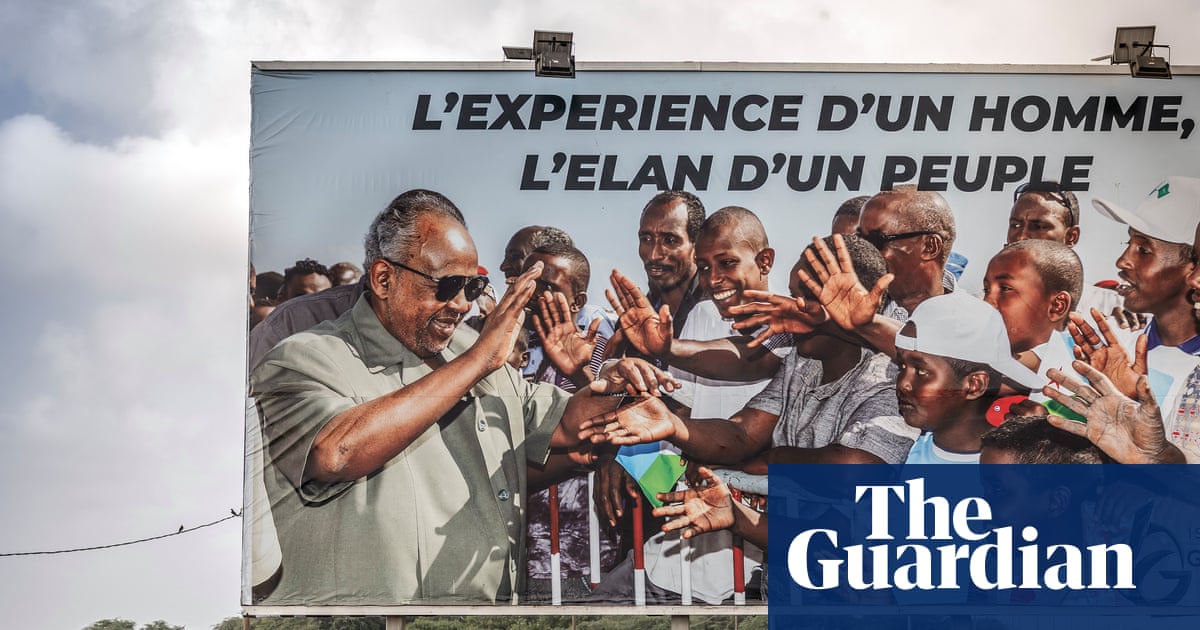
Presidential elections in Djibouti and Benin at the weekend highlighted how a costly electoral system is reshaping democracy
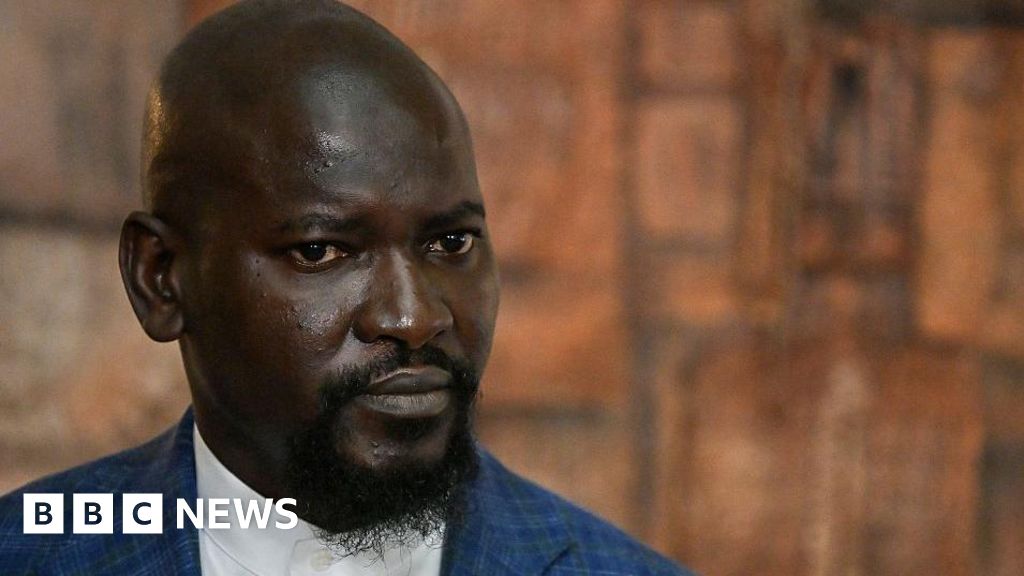
Alexis Mohamed would have loved to stand against his former boss. A longtime adviser to Djibouti’s president, Ismail Omar Guelleh, Mohamed resigned last September, citing democratic regression in the country.
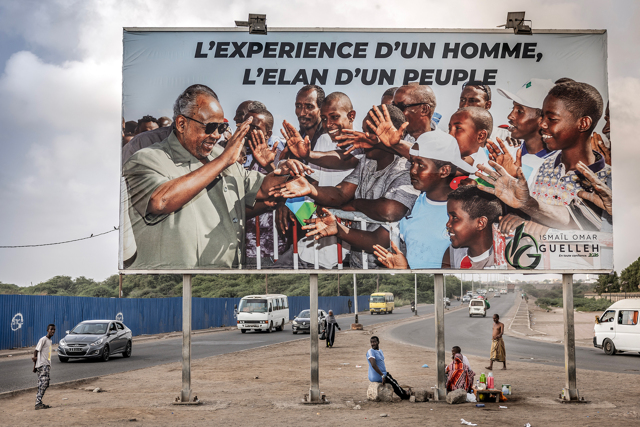
But at the election at the weekend, Mohamed was not on the ballot. Now outside the country, he says he cannot return home to file nomination papers or campaign freely without credible security guarantees. Even if he were allowed to compete, nomination costs would still loom as a steep barrier in a political environment many critics describe as ceremonial, with Guelleh the habitual winner.
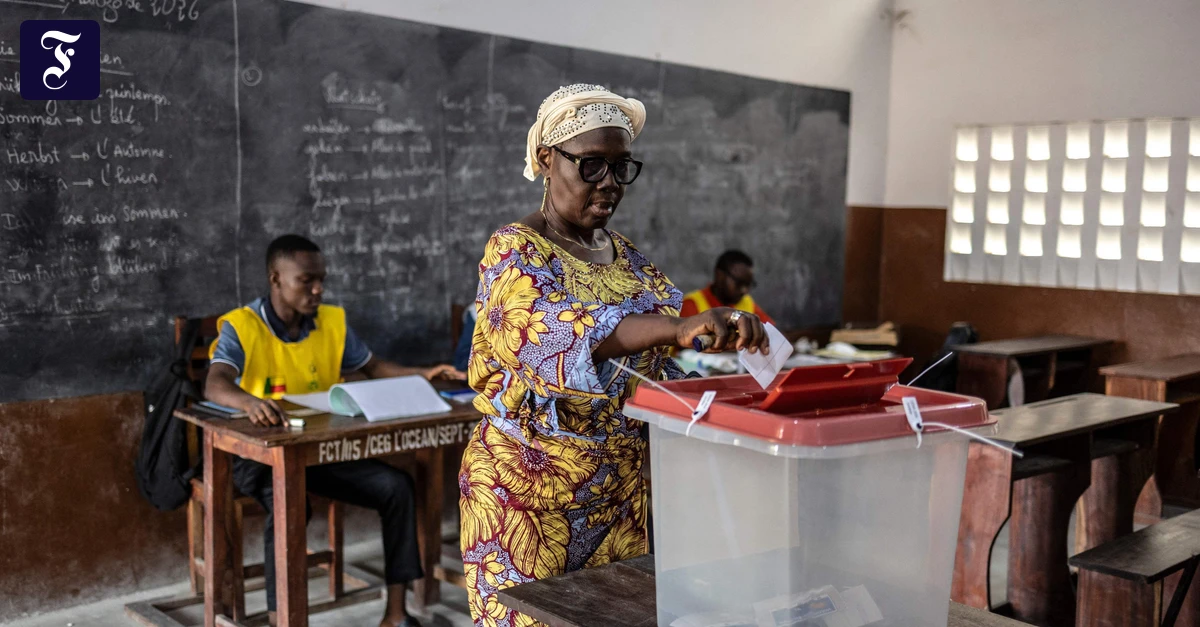
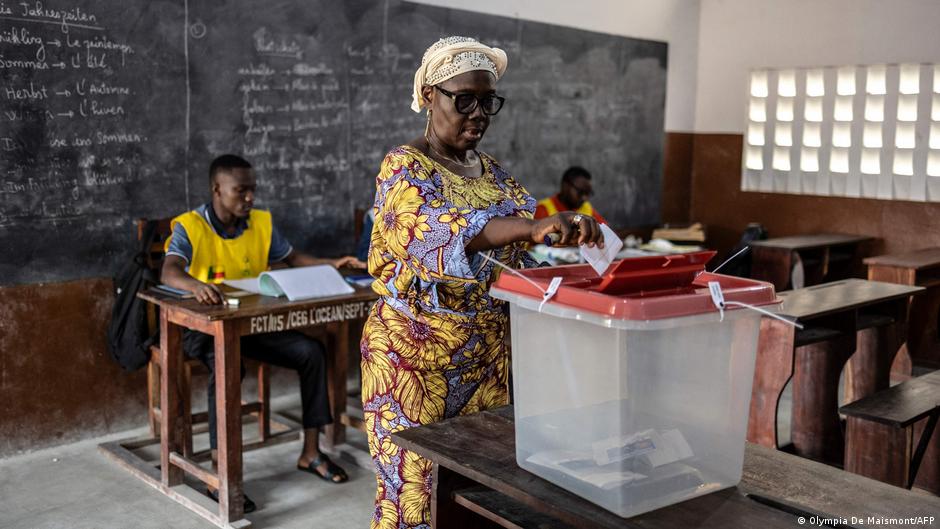
Djibouti and Benin held presidential elections at the weekend, joining the 18 or so African nations going to the polls in 2026. The two French-speaking countries share one striking feature: high nomination fees that have attracted widespread protest. Djibouti’s fee was set at about the equivalent of £20,000 while Benin has pegged it at about £328,000.
“On paper, this may appear to be a simple legal requirement. In reality, it is an additional mechanism of selection and exclusion,” says Mohamed, describing participation in the election as a waste of time and money. In Djibouti, the nomination fee is refundable only to candidates who obtain at least 10% of votes cast.