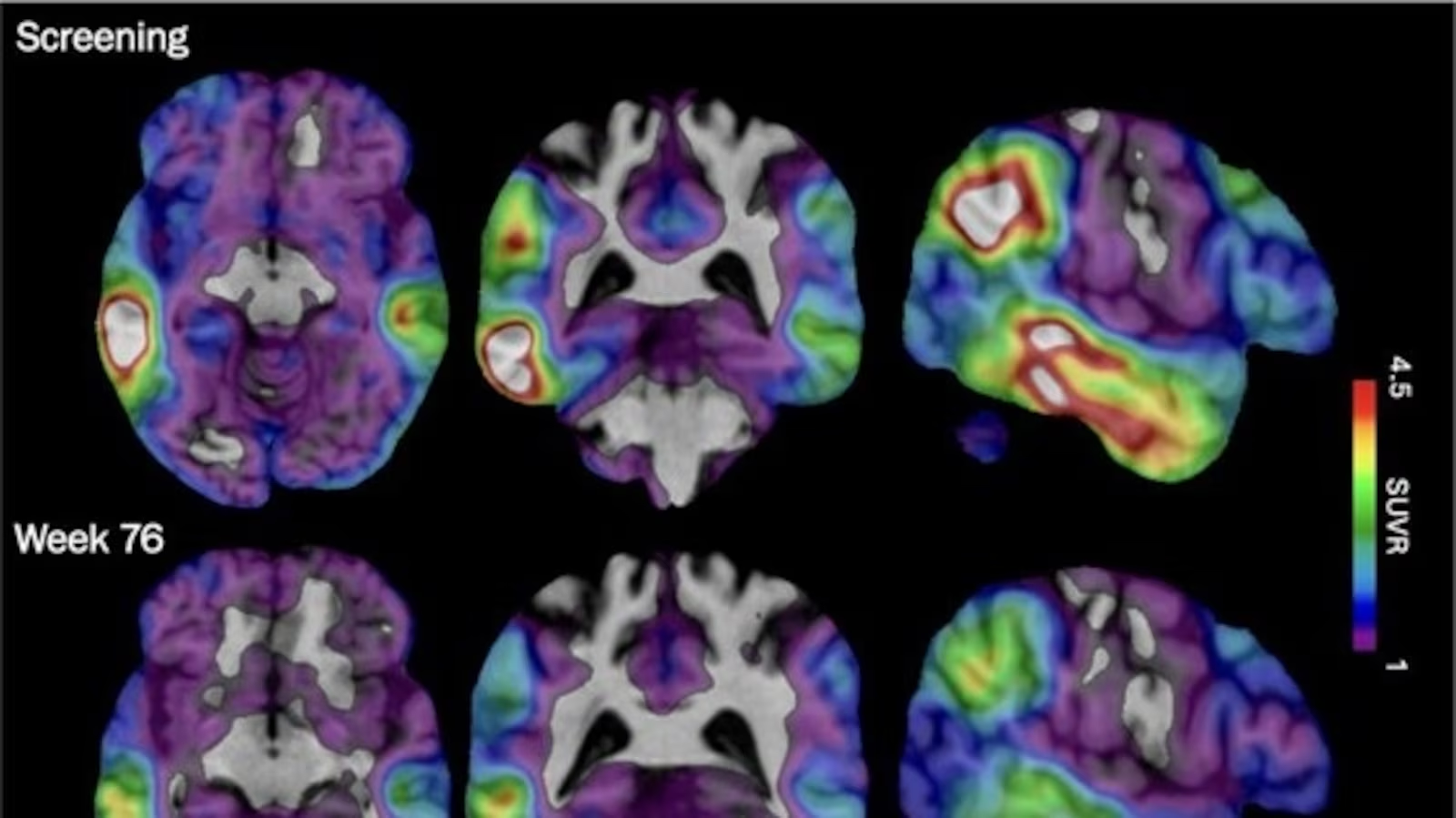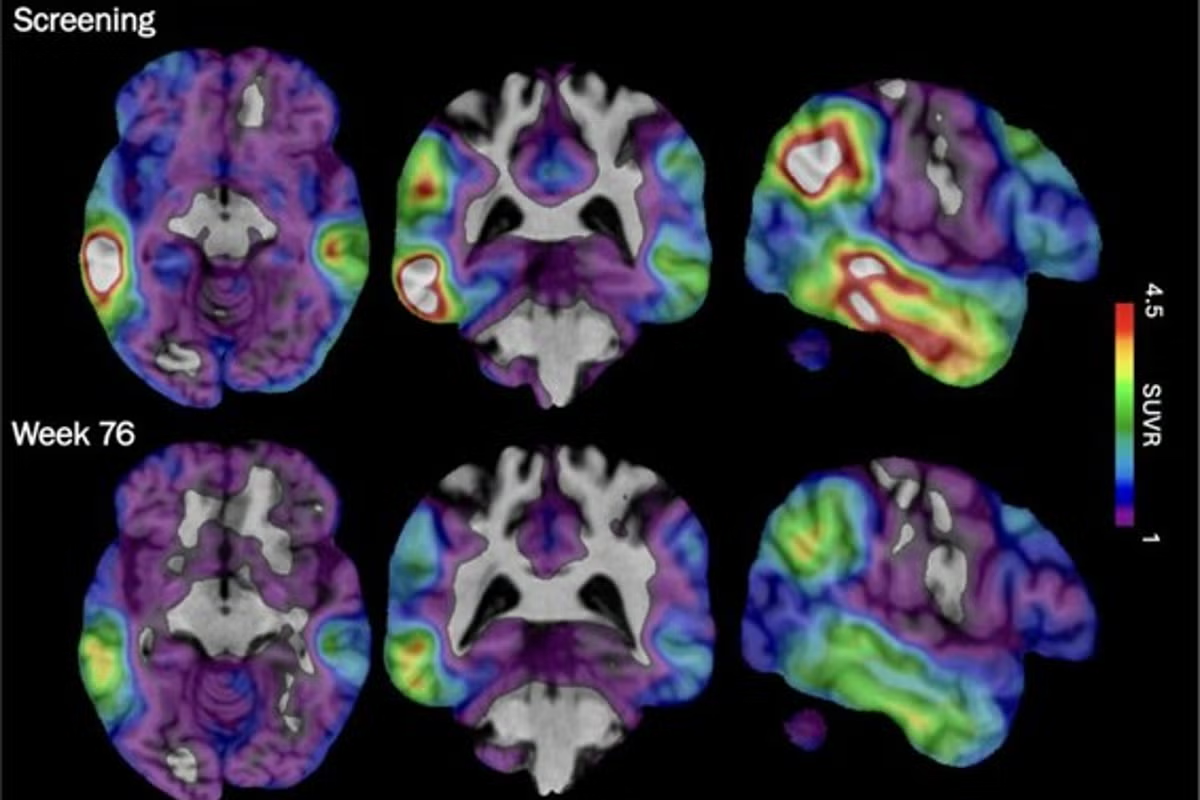
Roche’s experimental Alzheimer’s drug, trontinemab, has cleared harmful protein deposits from the brains of nine out of 10 patients within 28 weeks, giving fresh hope in the search for treatments that can slow memory loss.
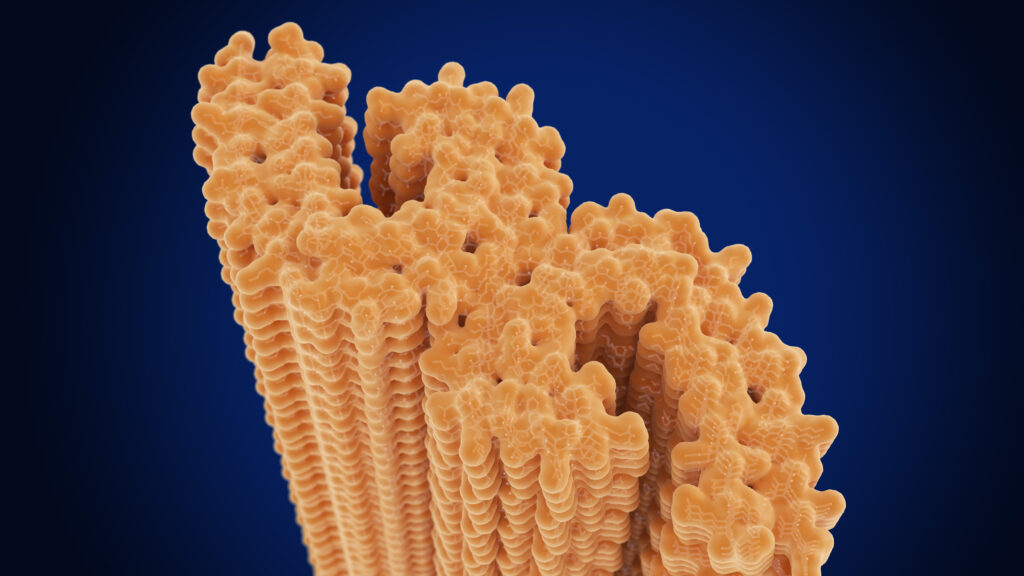
Alzheimer’s disease is a condition that gradually damages the brain and makes it harder for people to remember things, think clearly and carry out everyday activities. One of the things that happens in the brains of people with Alzheimer’s is that a protein called amyloid builds up and forms sticky clumps, known as plaques.
These plaques can damage brain cells over time. Trontinemab is designed to help the body remove these plaques from the brain. In simple terms, the drug acts like a guided clean-up system, helping the brain’s natural defence cells find and remove some of the harmful protein deposits.
Roche reported the 28-week result from its Phase 2 trial in July 2025. The study involved about 100 people with early-stage Alzheimer’s disease or mild cognitive impairment.
The result was striking in that, about 90 percent of the patients had their amyloid plaques cleared within 28 weeks.