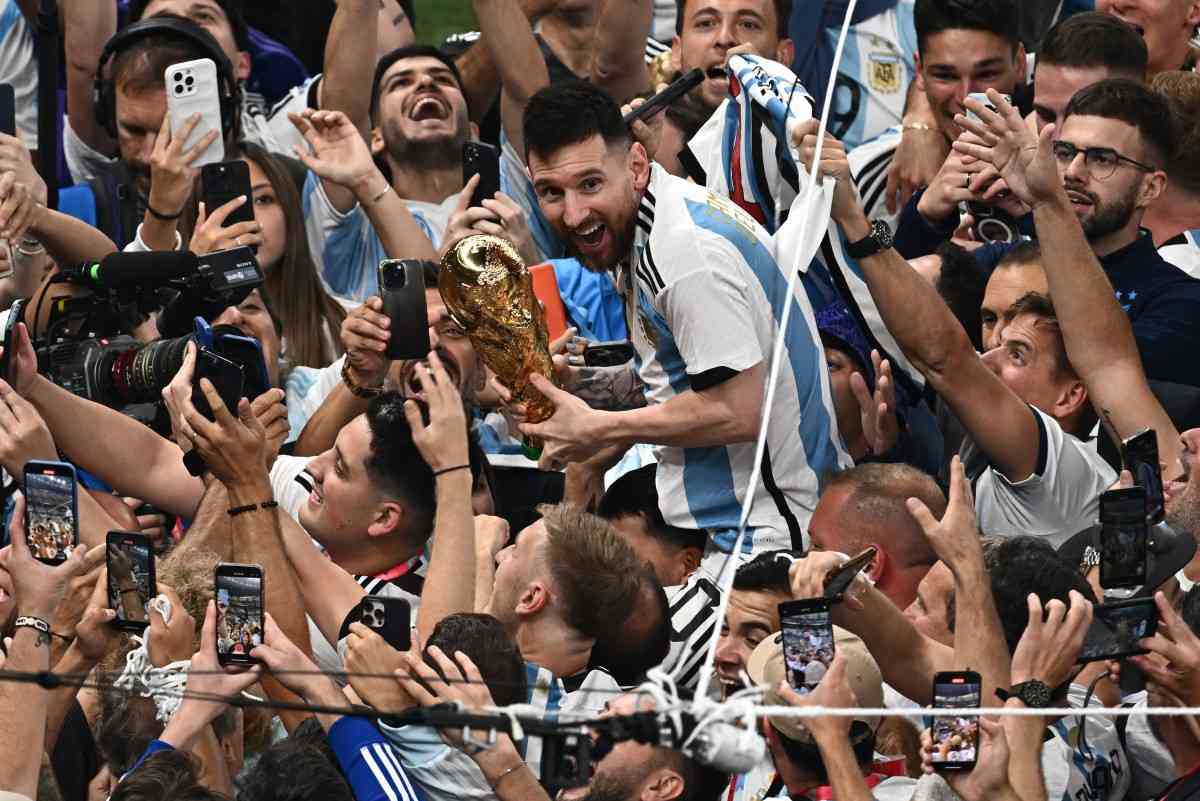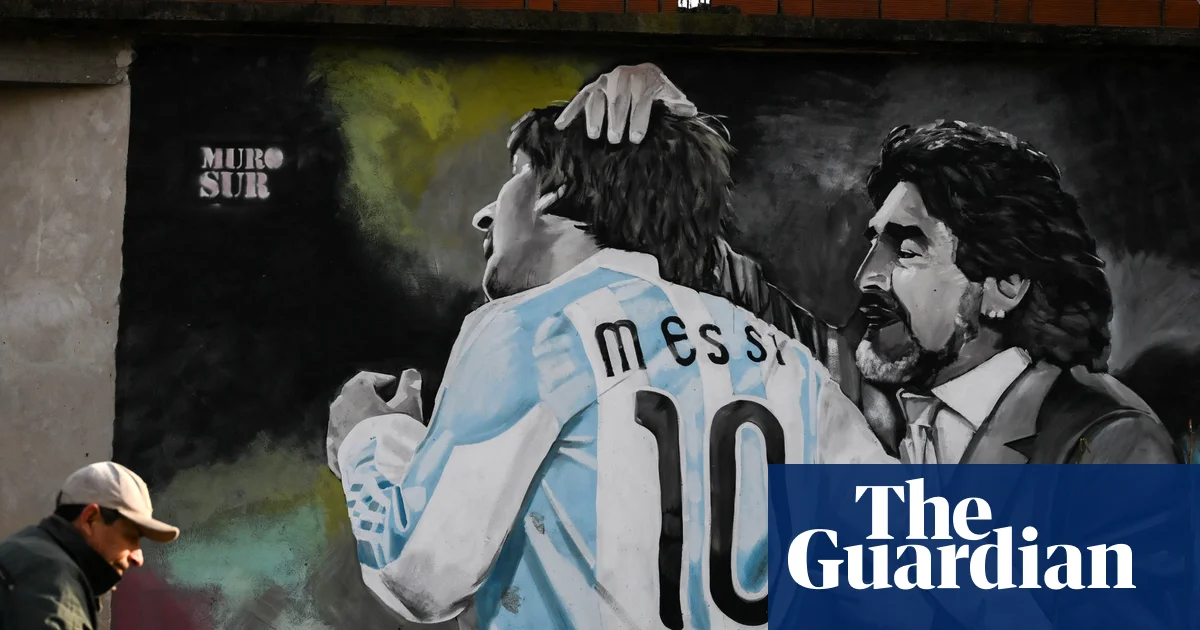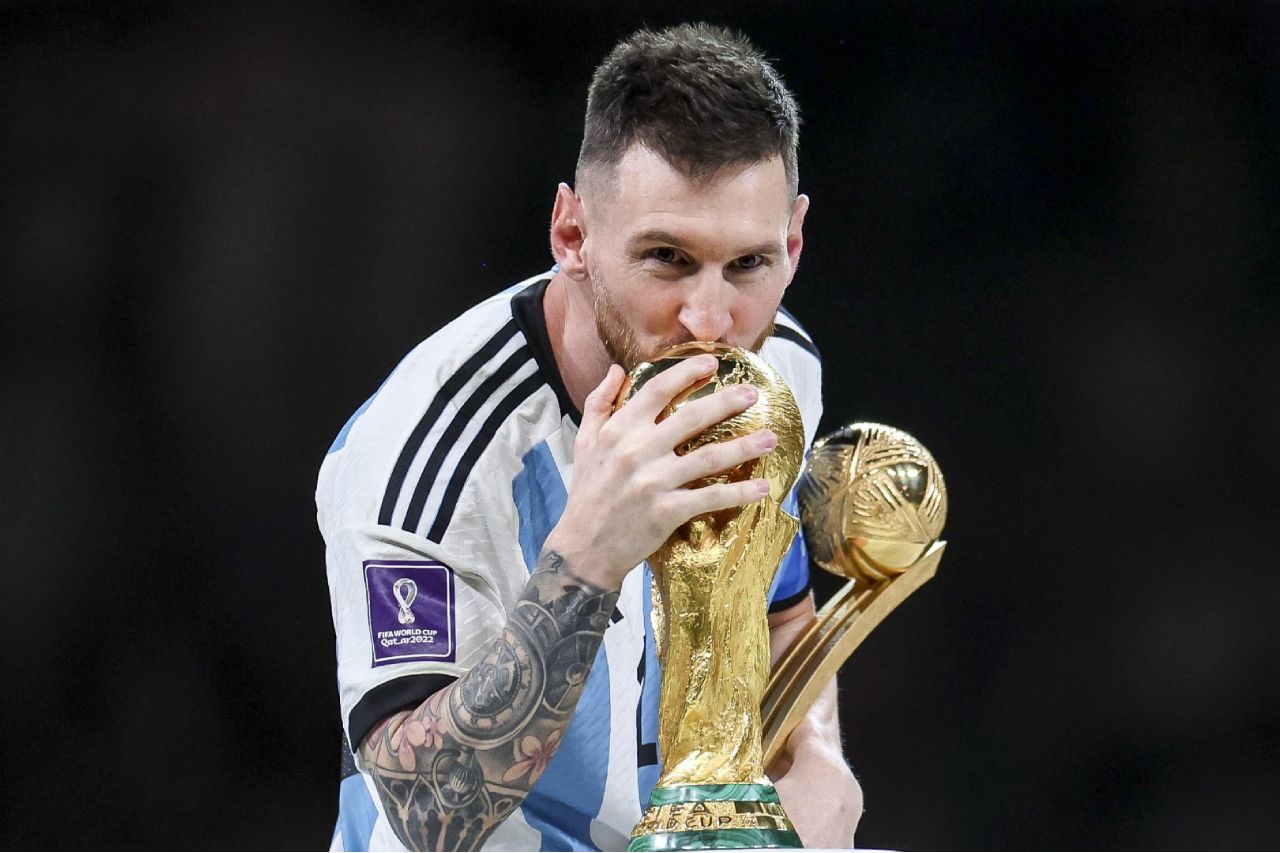
Ever since Diego Maradona’s forced exit from the national team after he was banned at the 1994 World Cup for doping, Argentine football had been searching for a new Diez.
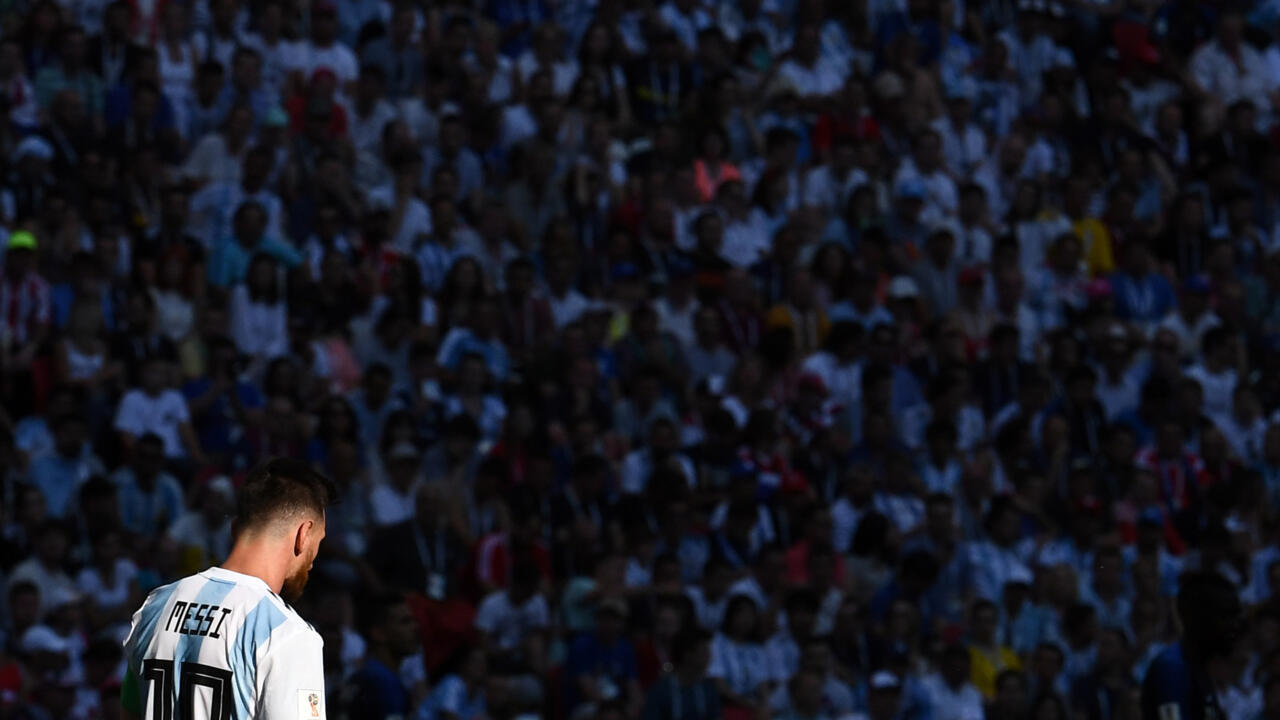
Ariel Ortega, Pablo Aimar and Andrés D’Alessandro, to name a few, all sat on the throne — or rather, were placed on it by fans and the media — and suffered under the freezing cold of the long shadow cast by the 1.61-meter Argentine superstar.
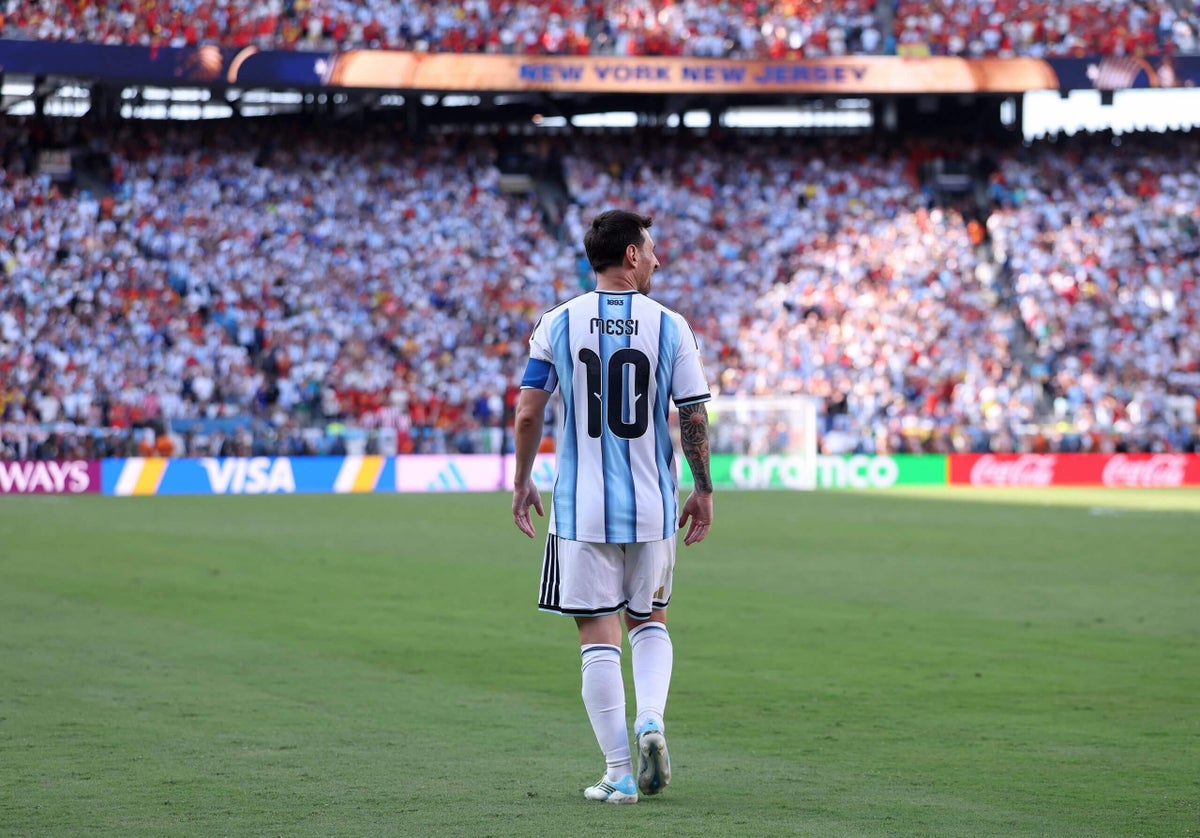
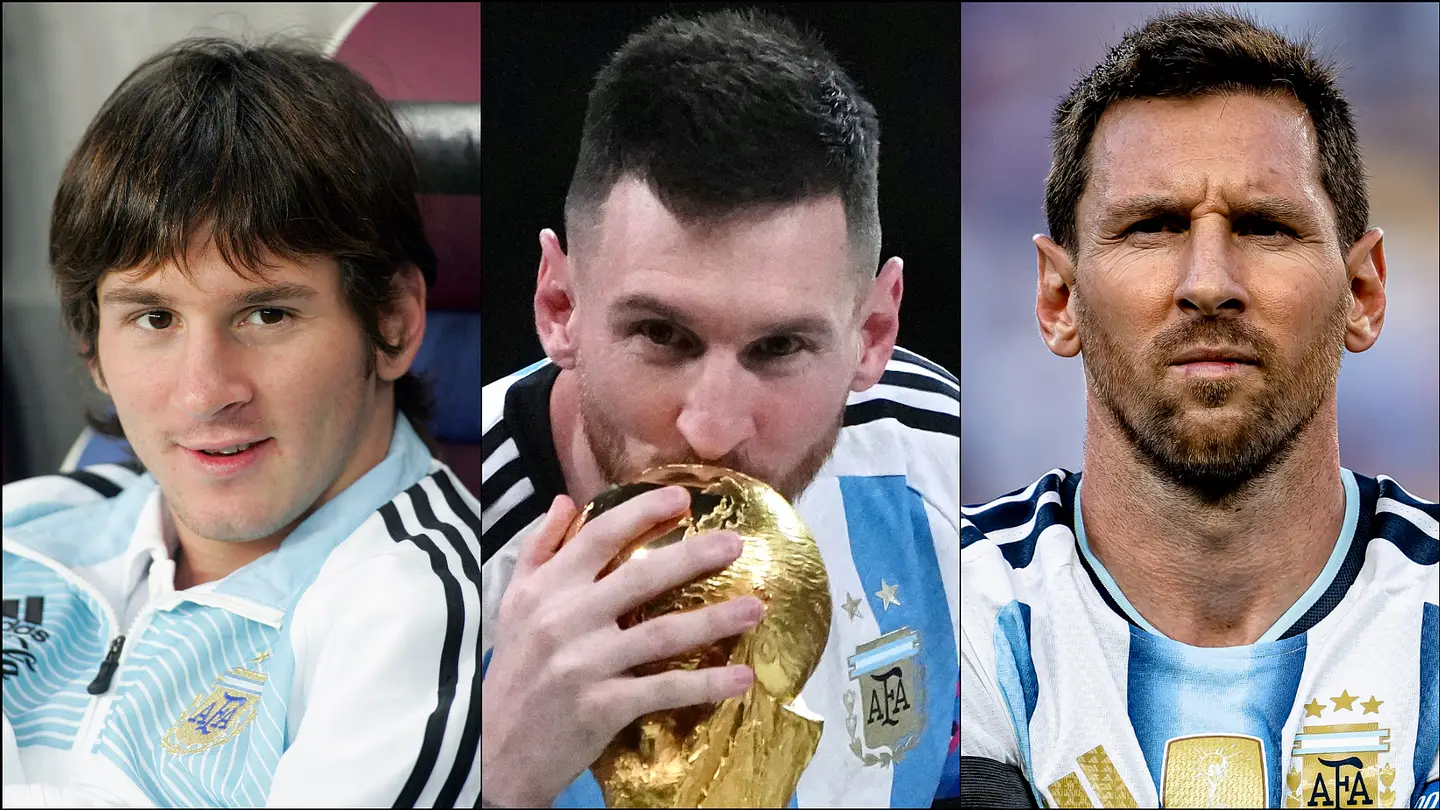
That was the weight of expectations Lionel Messi carried on his back when he stepped onto the pitch in 2006 for his World Cup debut, at just 18.
Admittedly, the shoe seemed to fit almost too well. A short, skillful and pacey left-footed creative midfielder, more adept at exploiting narrow spaces to score than performing trick moves or setting up the perfect assist, it almost felt like déjà vu.
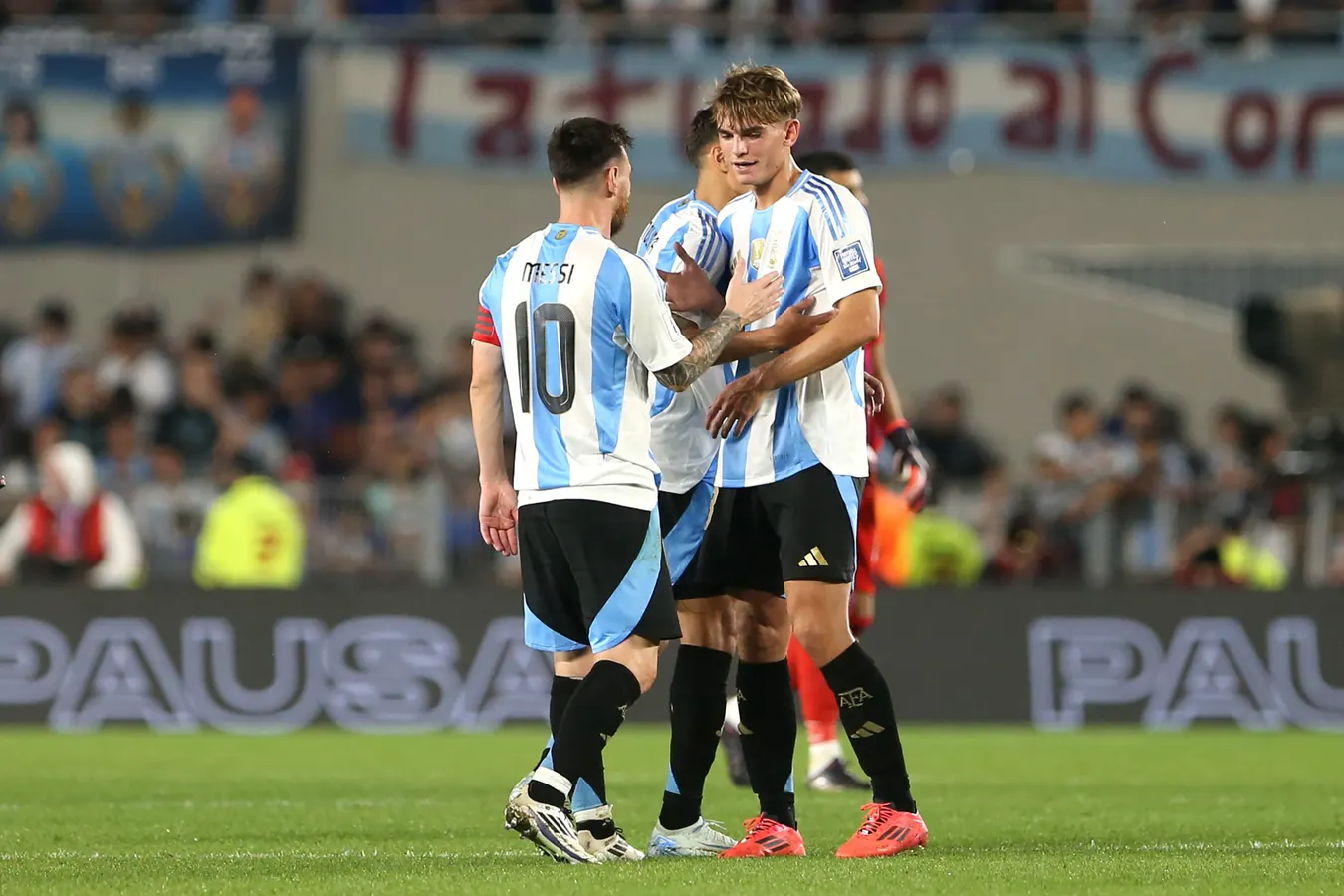
Now, as the heir-turned-king vacates the throne once again, it’ll be his own shadow that weighs heavily on the shoulders of the new generation, one that — as Messi himself said in his goodbye letter — is knocking on the door.