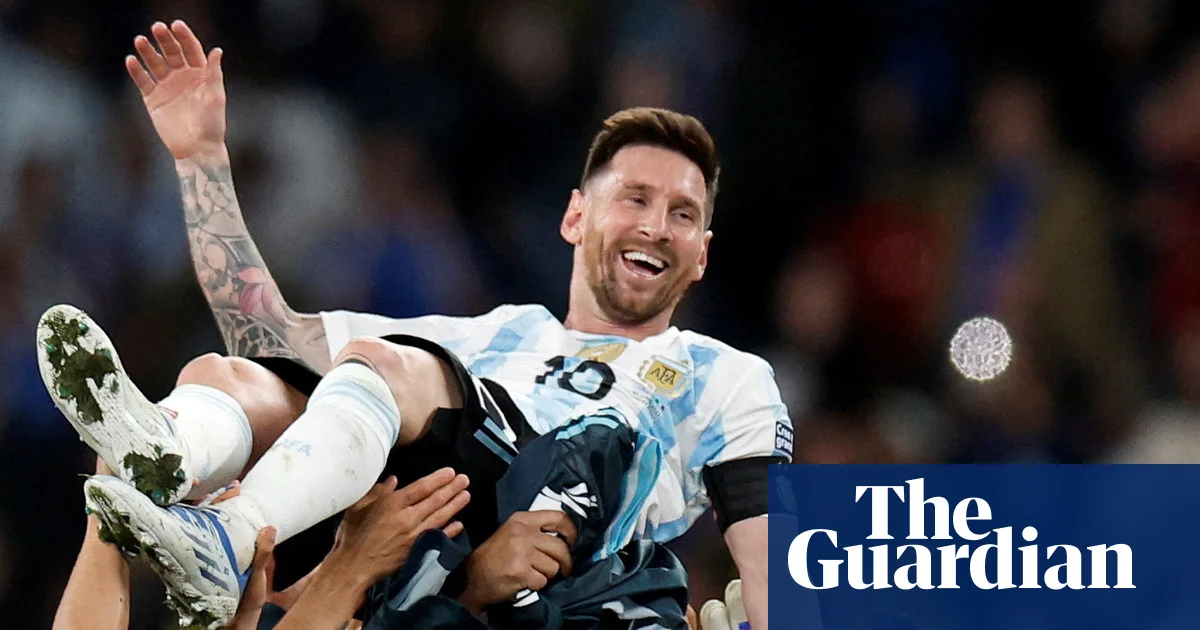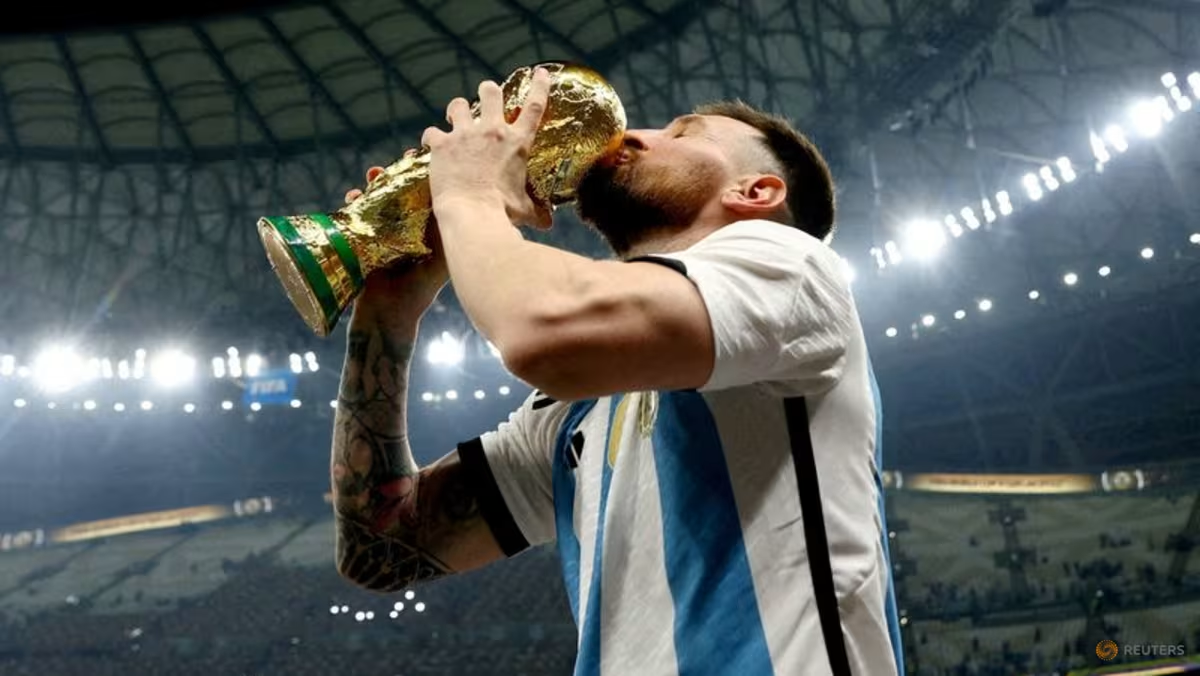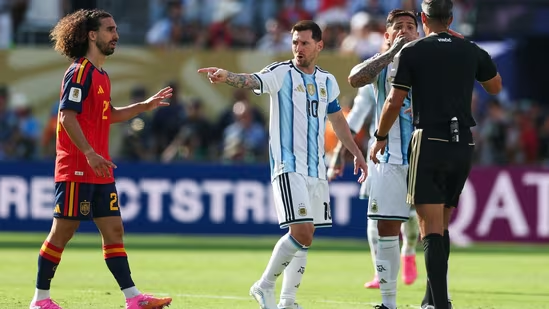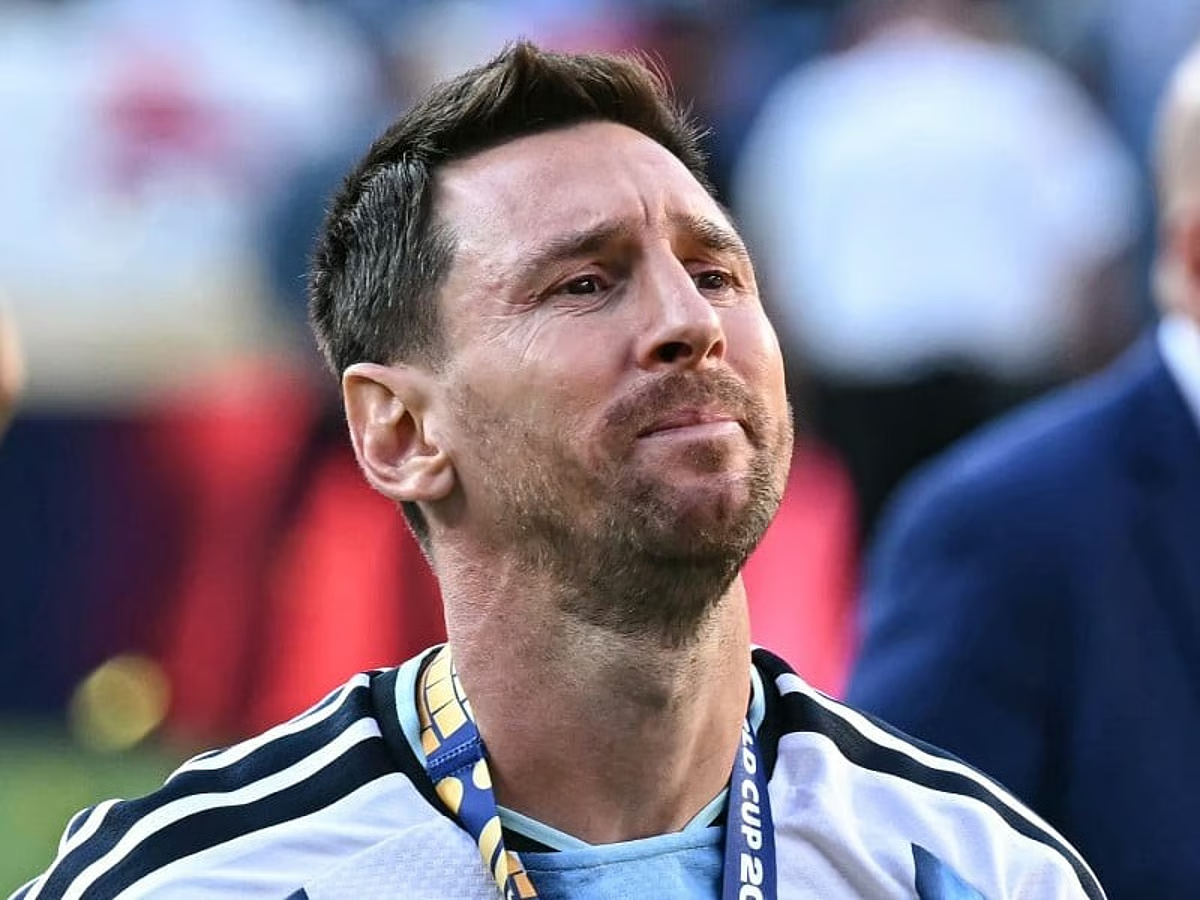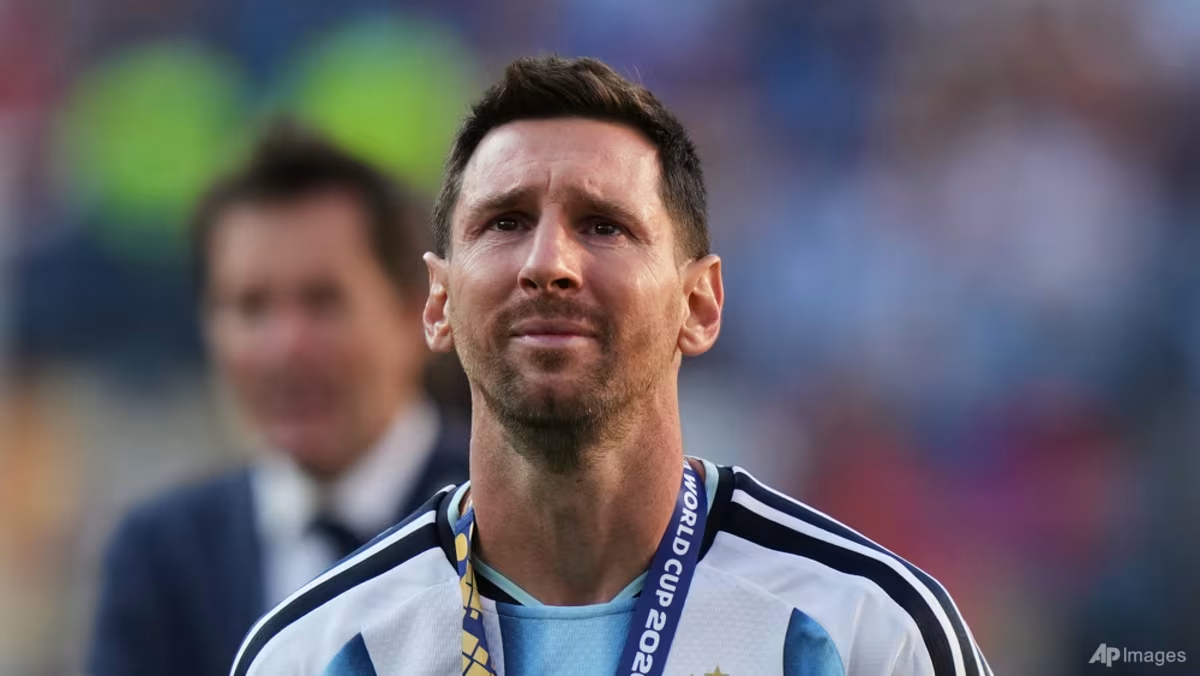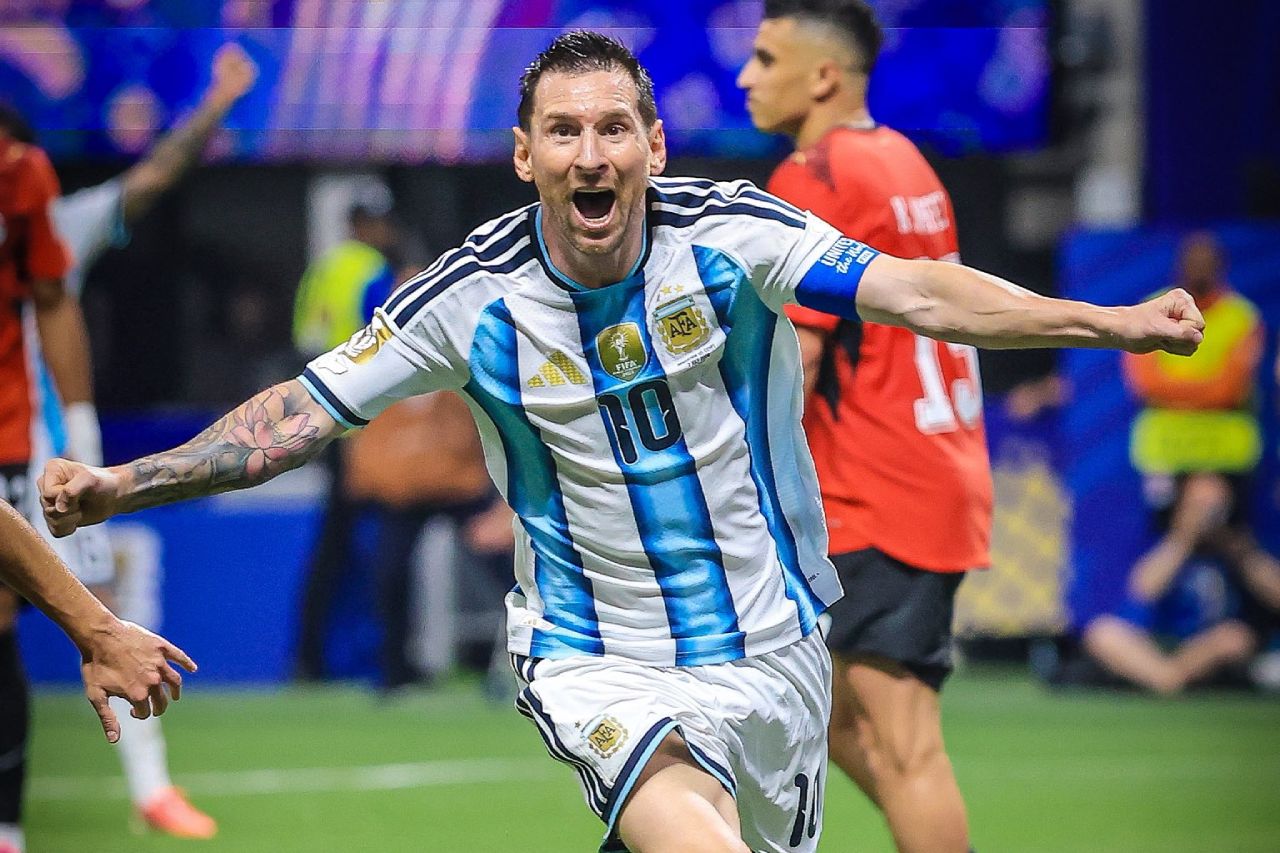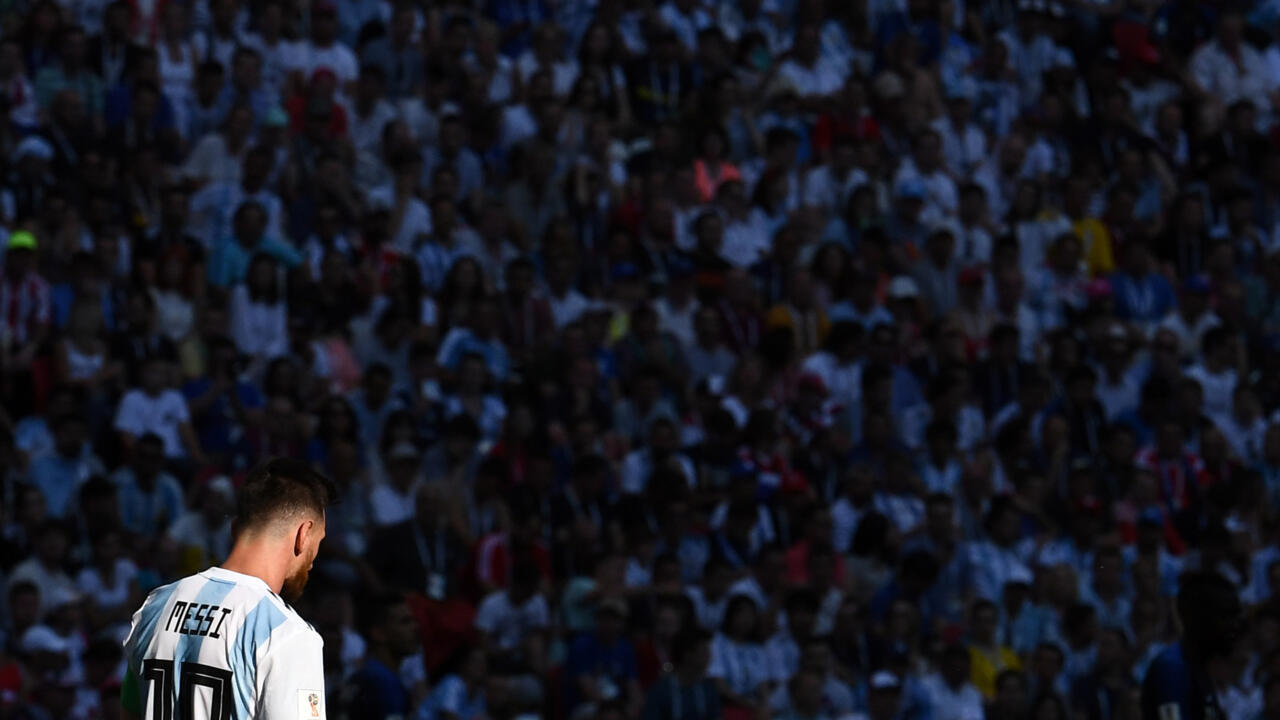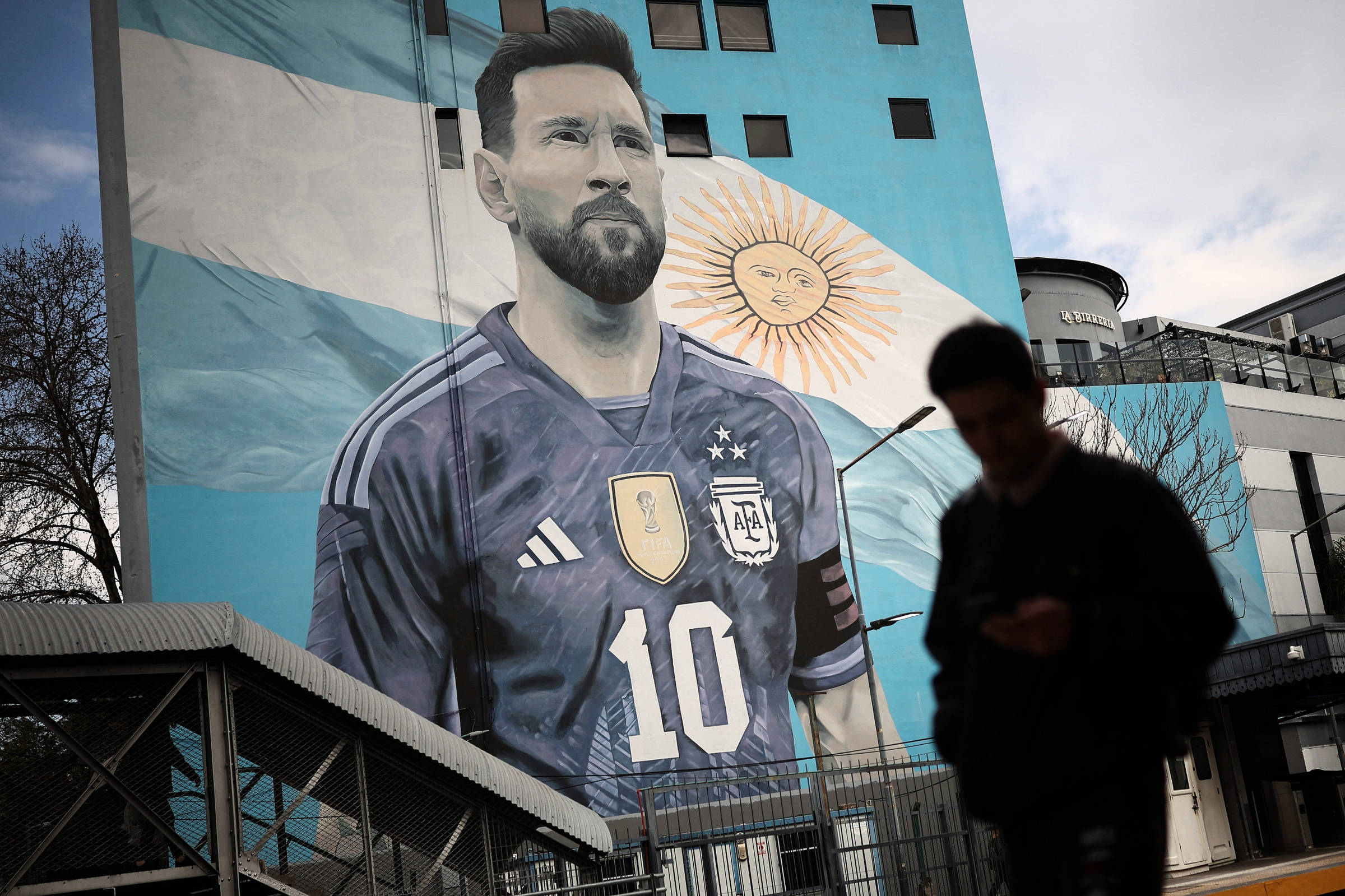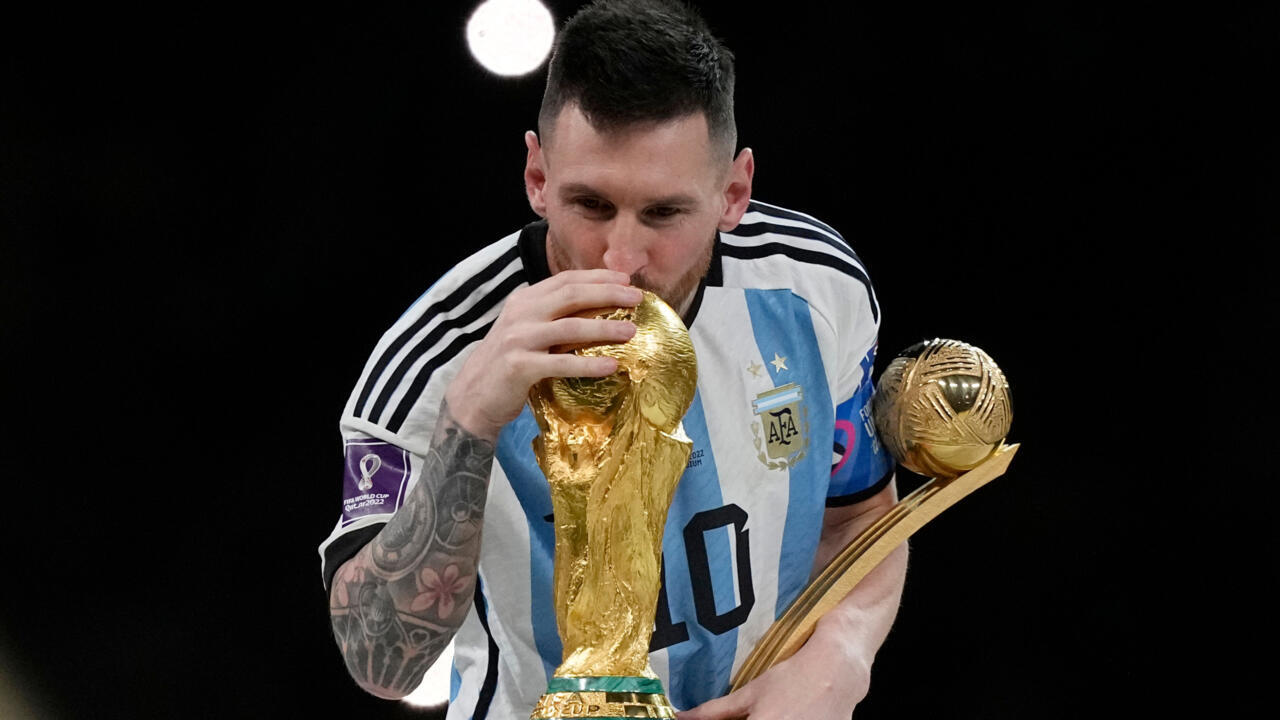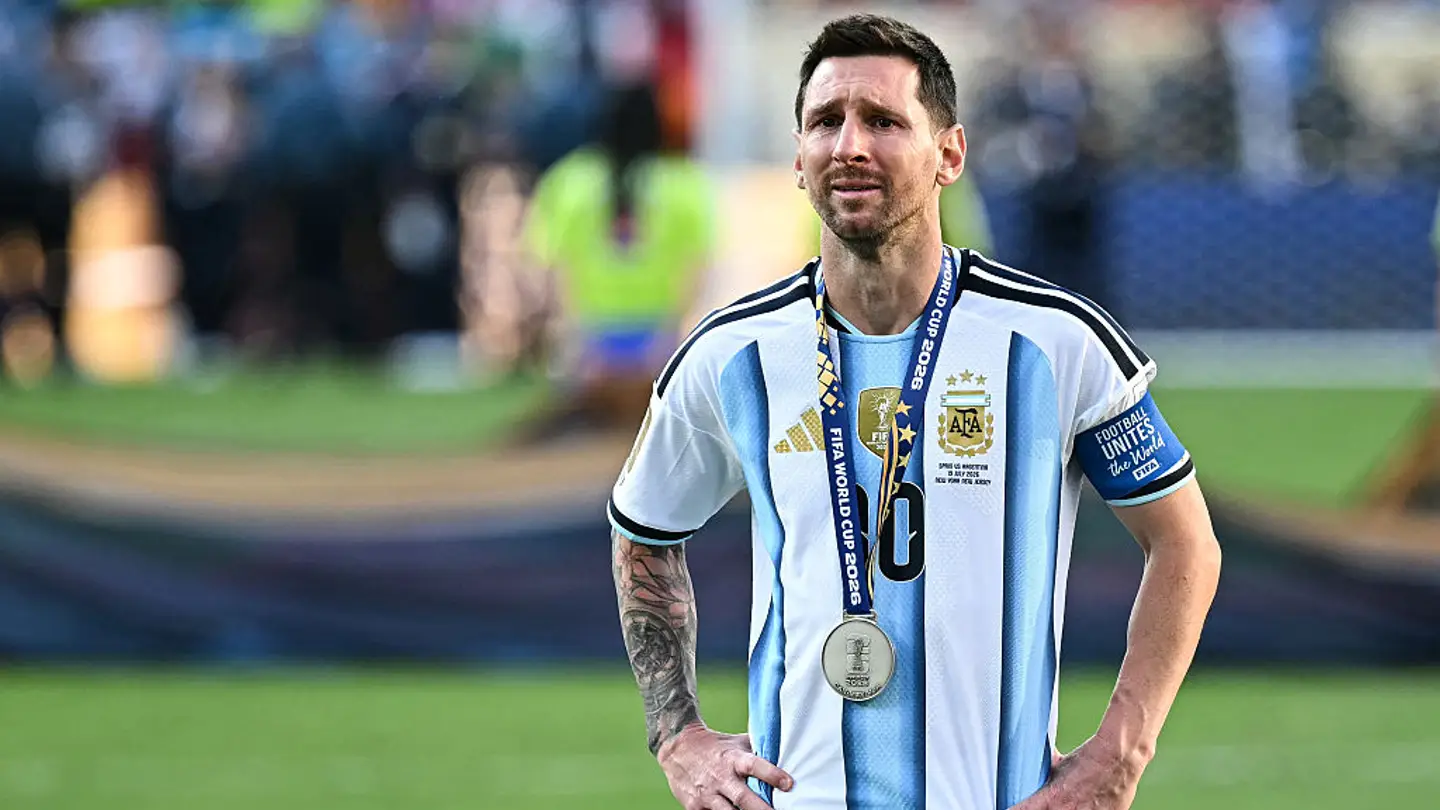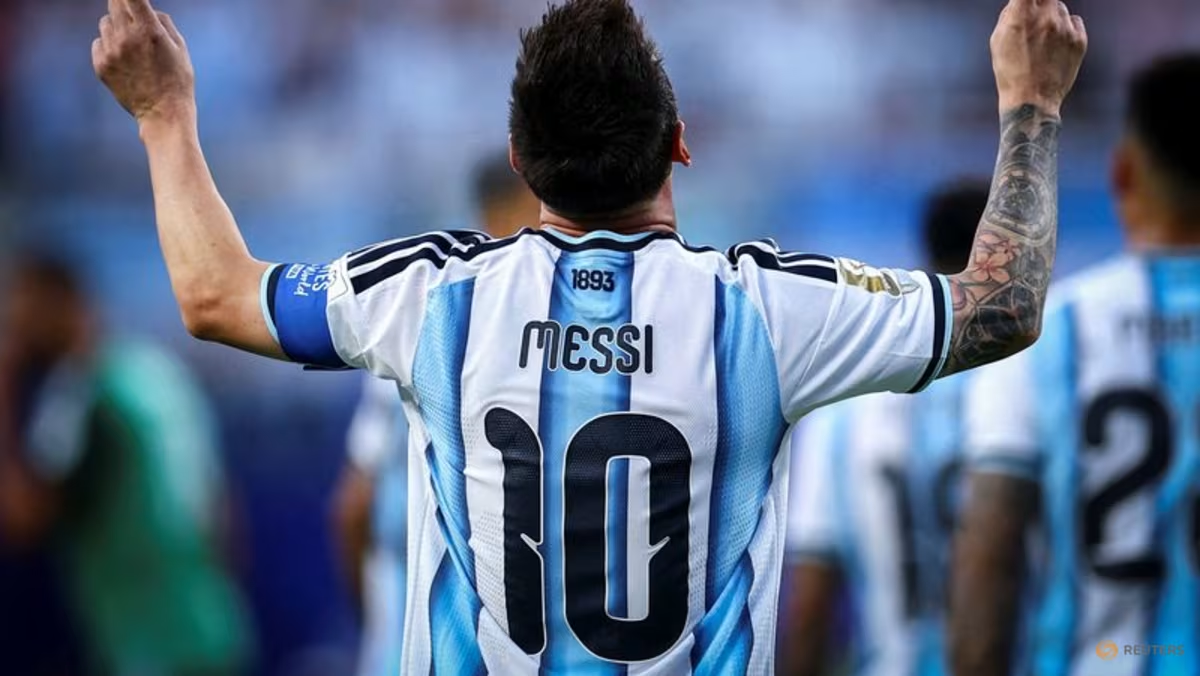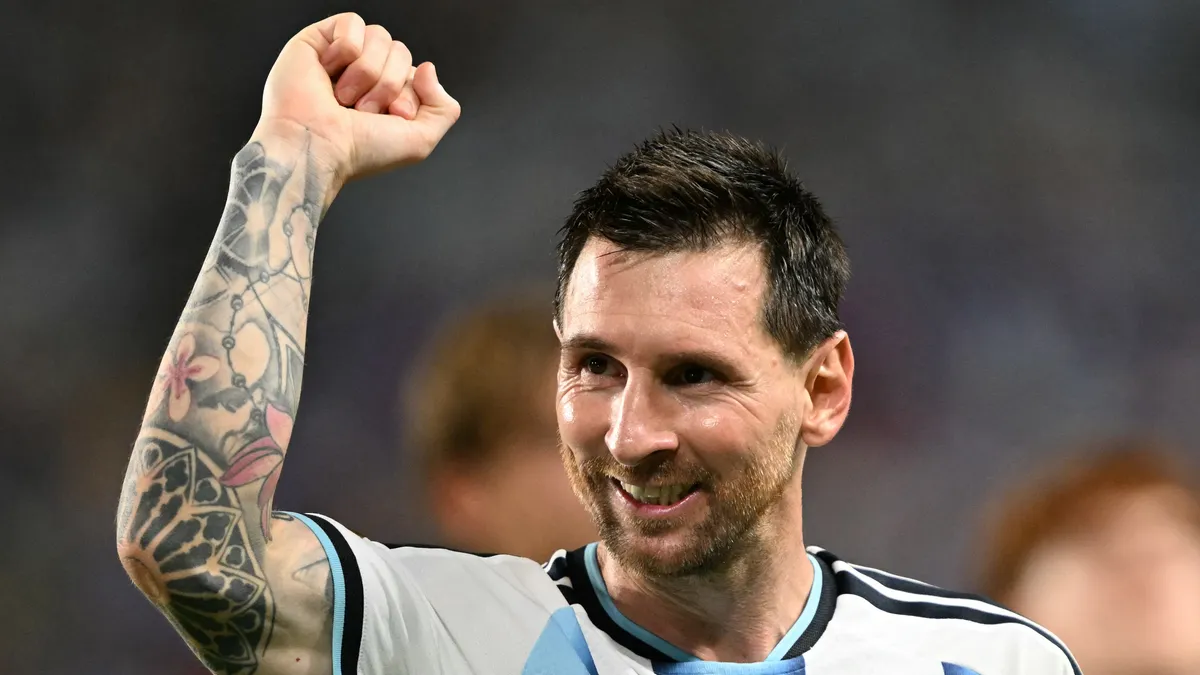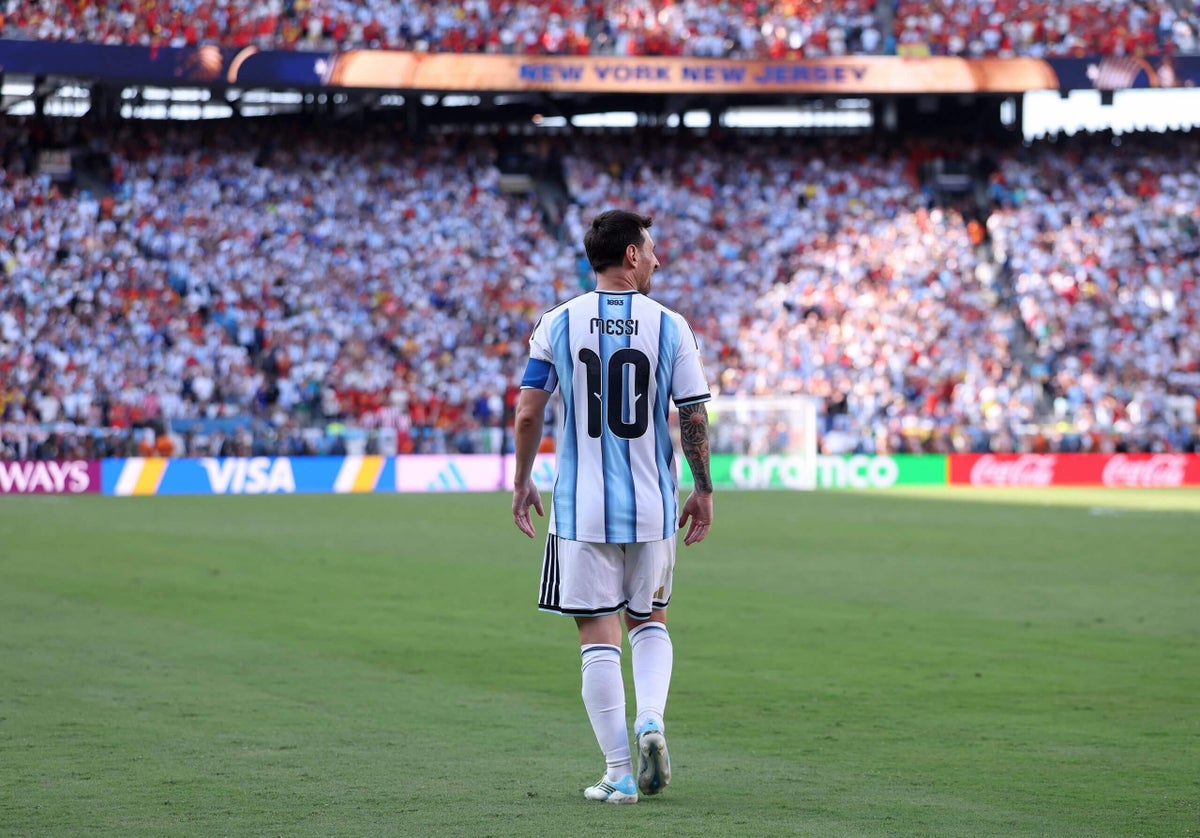
The boots had been customised for the occasion, inscribed with the words “El ultimo tango”. Win or lose, it would be Lionel Messi’s last dance on the international stage.Sitting there forlornly at the end of the 2026 World Cup final, taking off those boots in a gesture that looked highly symbolic, choking back the tears as Argentina’s supporters serenaded him, he knew it was over.He continues to illuminate Major League Soccer on a weekly basis, scoring another four goals for Inter Miami against CF Montreal on Sunday evening, but Messi announced on Monday that his time on the international stage had come to an end. After 21 years, 207 appearances and 125 goals for Argentina, he said this was “the right moment” to leave the international stage.He knew it at the time. He said he wrote yesterday’s statement on July 21, two days after defeat by Spain in that World Cup final, but had spent the past six weeks reflecting further as well as taking the time to grieve the death of his father, Jorge. “Today, after what happened with my dad,” he said, “I’m even more convinced of this decision than before.”He said he was leaving the stage “with peace and pride”, secure in the knowledge that he and his team-mates had given themselves and the Argentine people moments and experiences — winning the Copa America in 2021 and 2024 and, best of all, the World Cup in 2022 — they had spent their lives dreaming of. He also spoke about pain. He used the verb ‘doler’ (to hurt) on three occasions, referencing the hurt “deep in my soul” that the decision had brought him, recalling a “beautiful but difficult journey” with his national team and touching on the bad moments as well as the “unforgettable memories and moments”. Ultimately, he said, “I gave everything I had — and I don’t have anything more to give.”Argentina fans make their feelings towards Messi known (Marcelo Endelli/Getty Images)It looked that way at times during this year’s World Cup. Messi produced so many thrilling moments, but there were also periods when games were passing him by, when his team-mates and supporters looked to him in desperation and, for a time, with the clock ticking down, inspiration appeared not to be coming… until, dramatically, it did.So many times en route to the final, Messi seemed to summon something from deep inside him. The goals flowed freely for him in the group stage (three against Algeria, two against Austria, one as a substitute against Jordan), but perhaps even those memories will be eclipsed by those of his match-turning contributions from losing positions against Egypt in the round of 16 and England in the semi-finals, demonstrating a force of personality that he was at times accused of lacking earlier in his international career.Up against Spain in the final, that magic touch deserted him — or, more accurately, the opportunity passed him by. To perform the way he had done at his sixth World Cup was a source of wonder. To expect yet another match-winning performance at the age of 39 and against a far superior team, on a day when most of his team-mates looked more interested in roughing up their opponents than trying to establish any kind of rhythm, proved too much to ask of even Messi.There was no happy ending. But Messi had already done it all.
Farewell Lionel Messi, the genius who made Argentina dream again
The man who had delivered some of his country's greatest football memories realised he simply had nothing left to give
1,682 words~8 min read