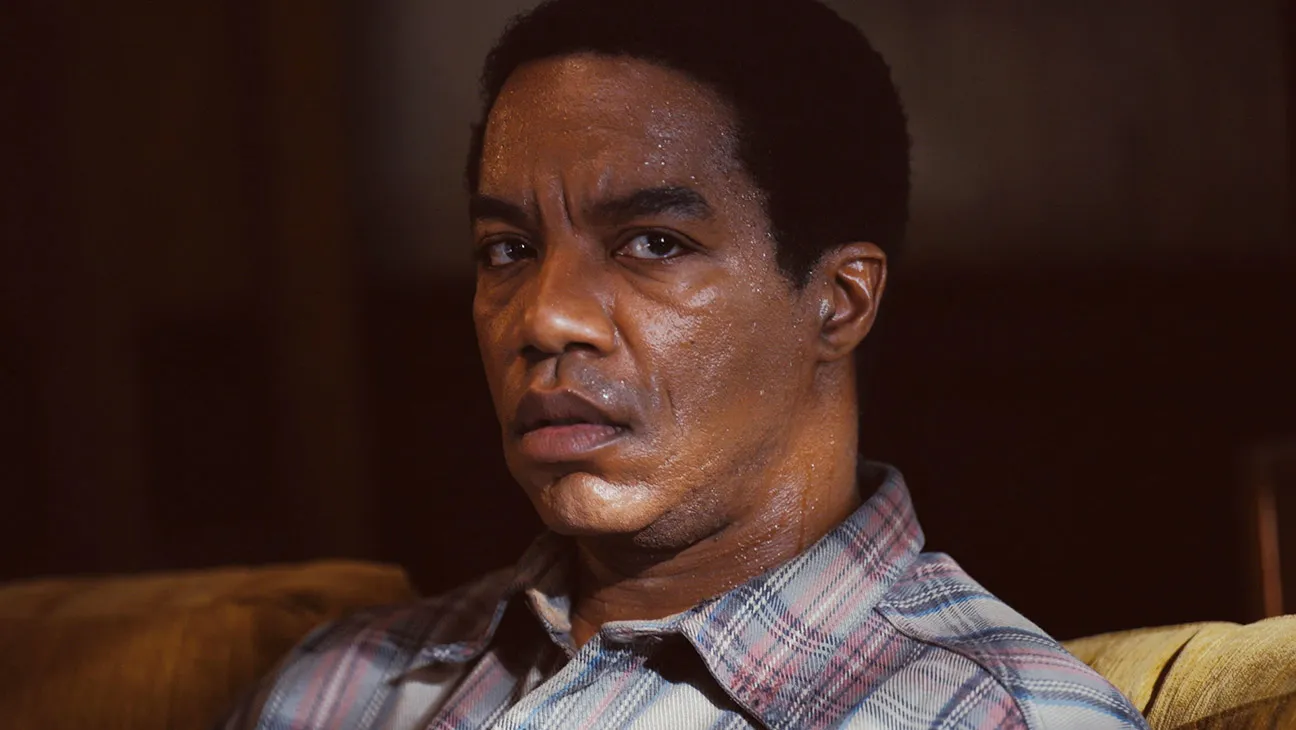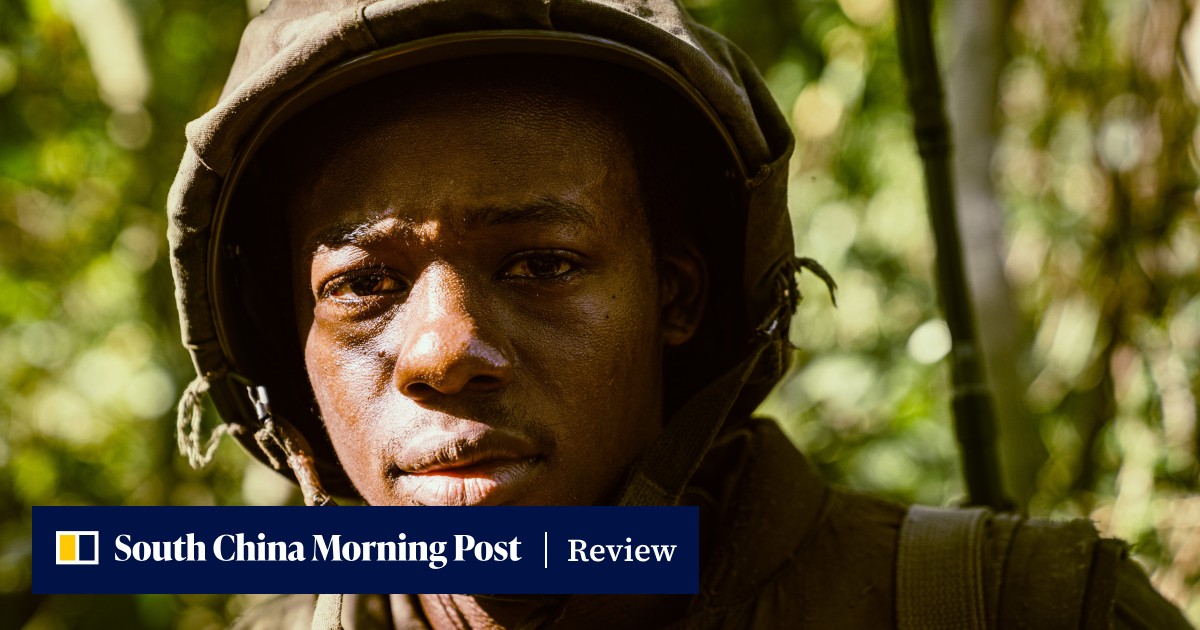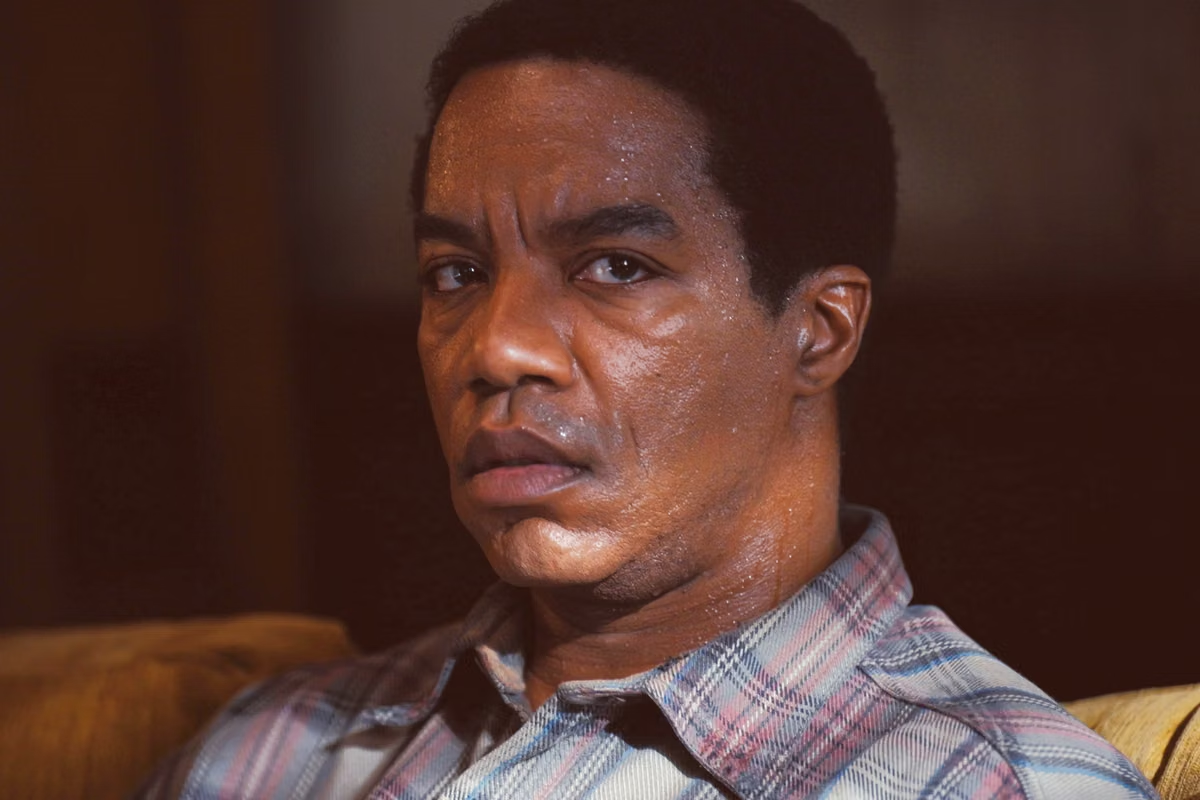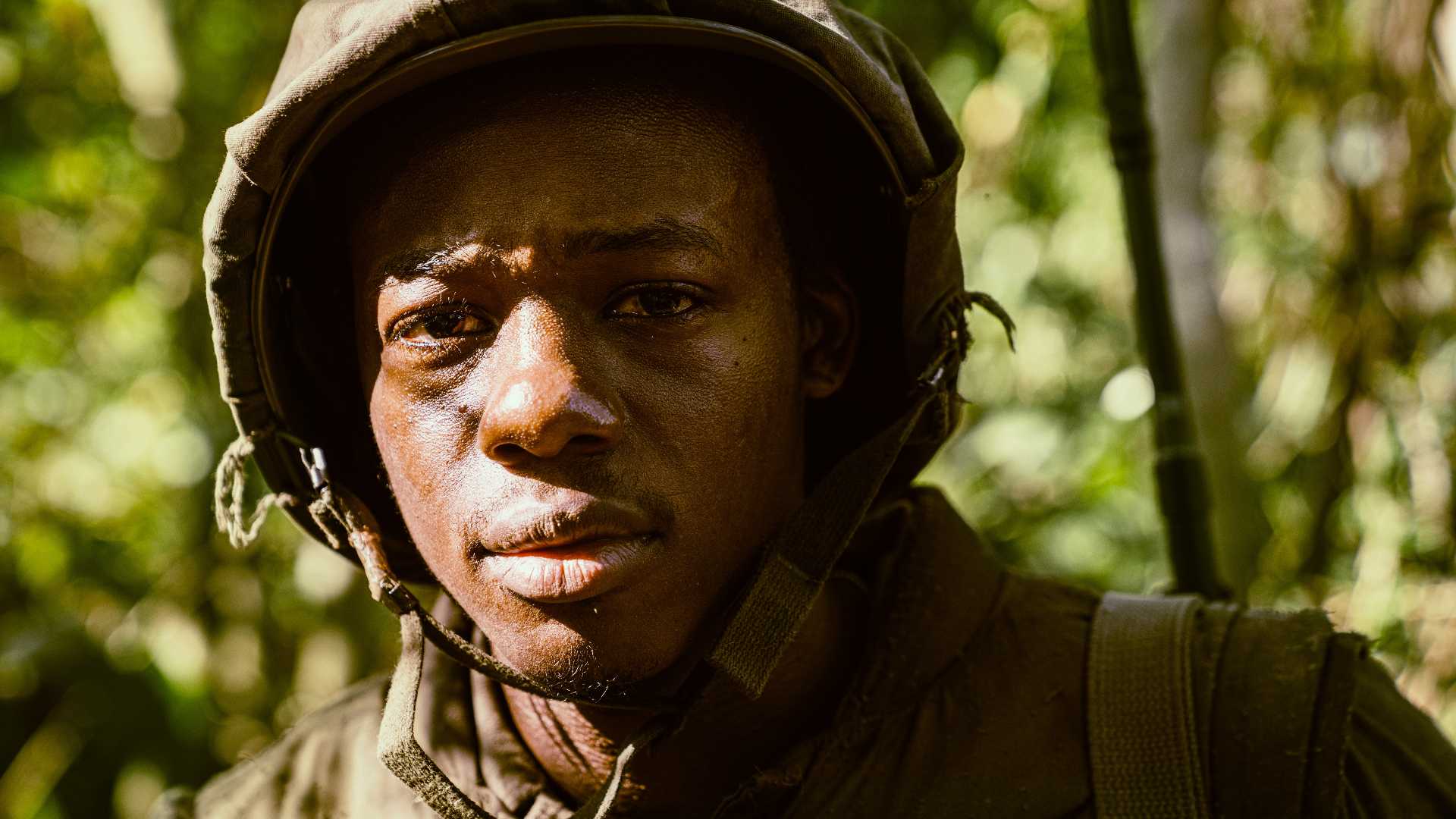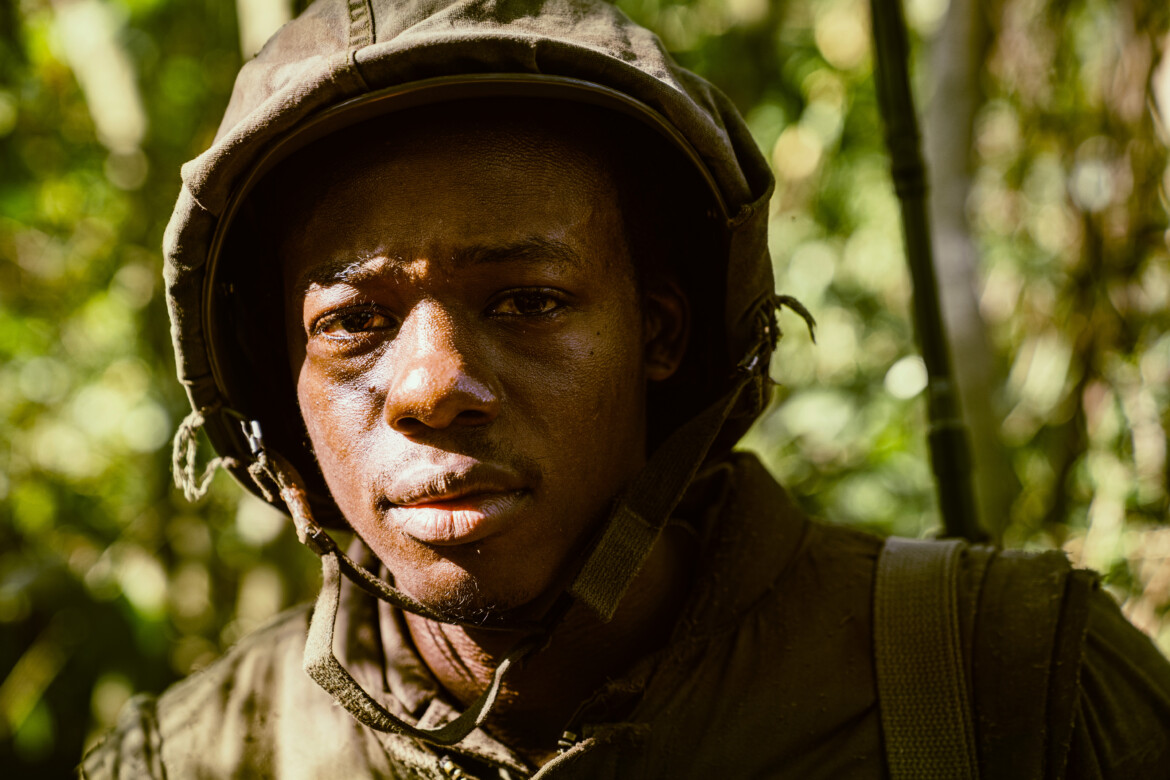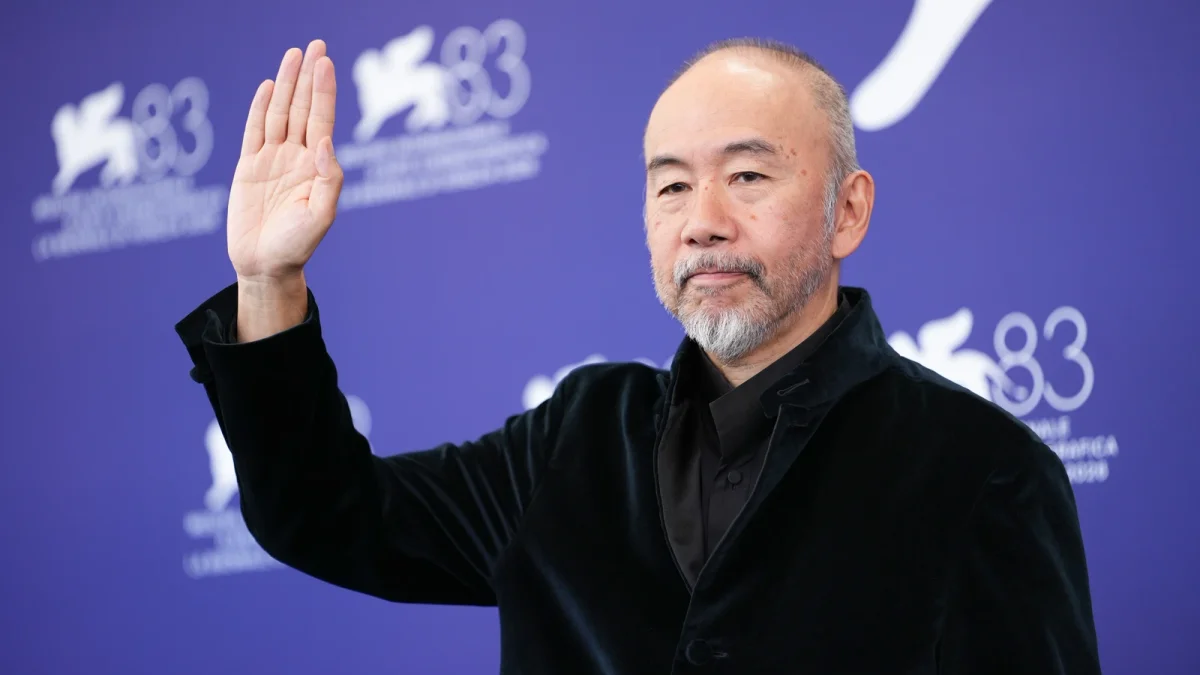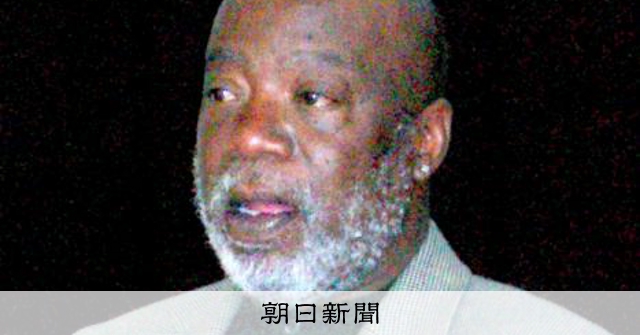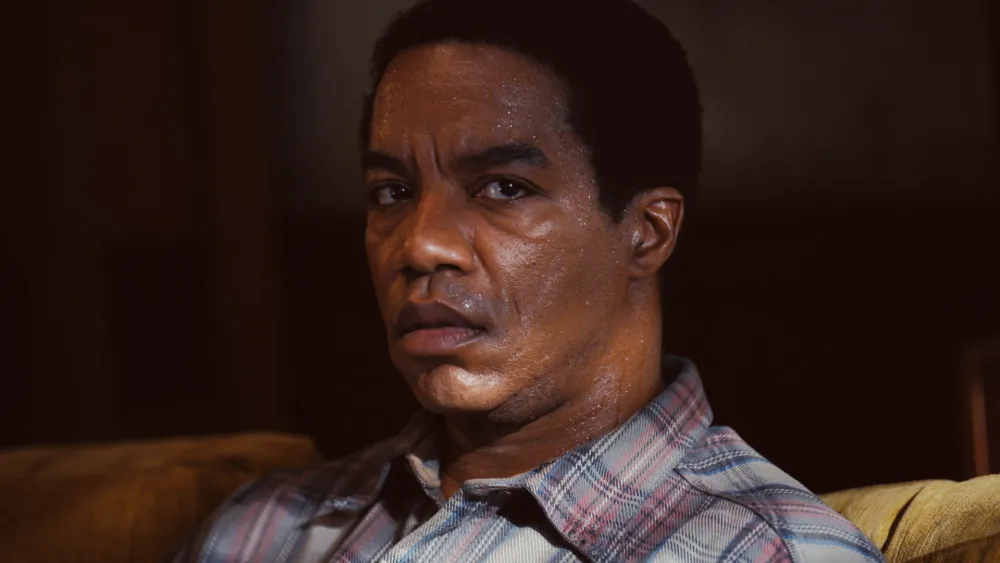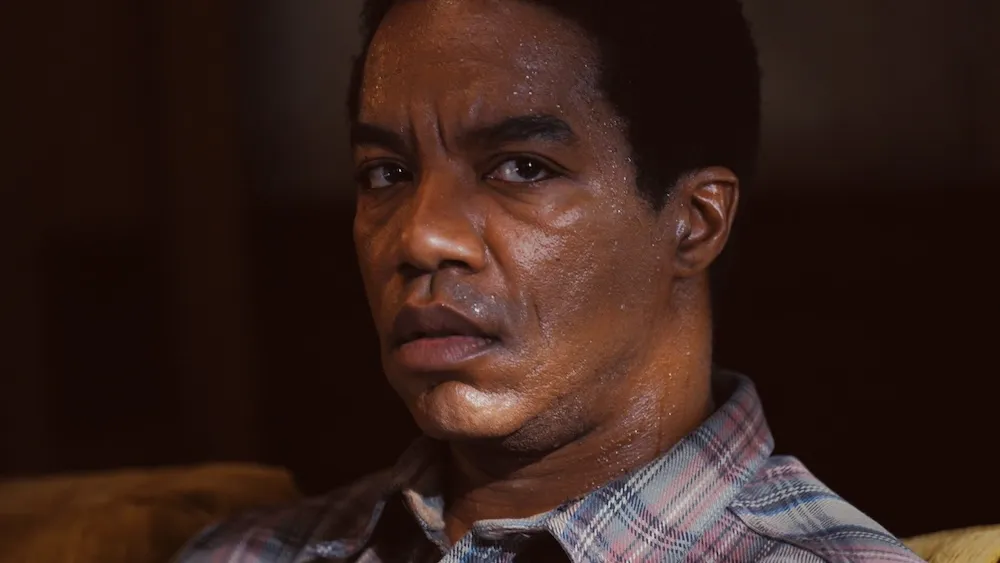
If Shinya Tsukamoto‘s “Mr Nelson, Did You Kill People?” were the first, or even the 51st, movie to litigate the atrocities committed by U.S. troops during the Vietnam War, perhaps on a purely informational level some justification would exist for its crudely simplistic approach. Nuance is often a casualty of war, especially when that war is ongoing or recently ended. But this is 2026, when — in contrast to the era in which the real, evidently heroic Allen Nelson, on whose memoir the film is based, toured his cautionary horror story internationally — you’d be hard pressed to find a substantial contingent unaware that the Vietnam War has since been judged a mistake so costly in human life and dignity that it forced arguably the most substantial reevaluation of American self-identity since independence.
Even still, reliving the dehumanizing cruelty of conflict and working through its aftermath might be a valuable exercise if new insights, uncovered through this one man’s PTSD journey, could then be scaled up and applied to the national psyche. And revisiting Vietnam through the eyes of a Black American, via the outsider perspective of the Japanese director of “Tetsuo: The Iron Man,” no less, must surely deliver some new insights? But despite half taking place in a therapist’s office, “Mr Nelson, Did You Kill People?” is only invested in its lead’s psychology insofar as it provides the excuse for a series of increasingly grisly and violent flashbacks, and has nothing but the most cursory and stereotype-laden interest in the effect of the war on the African-American community specifically.