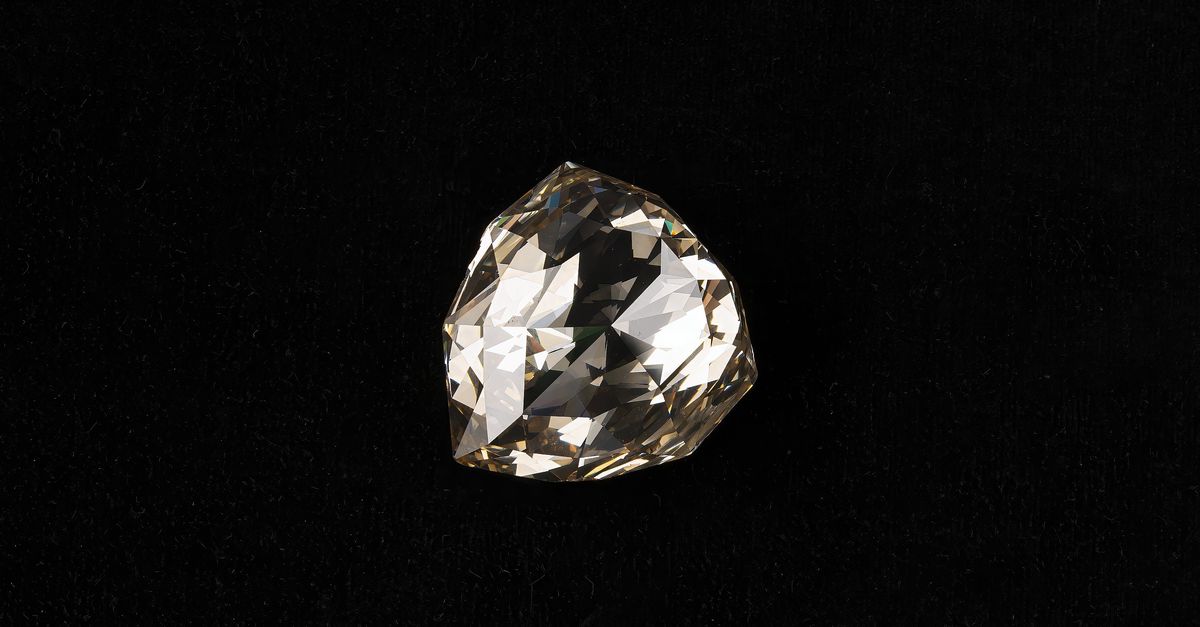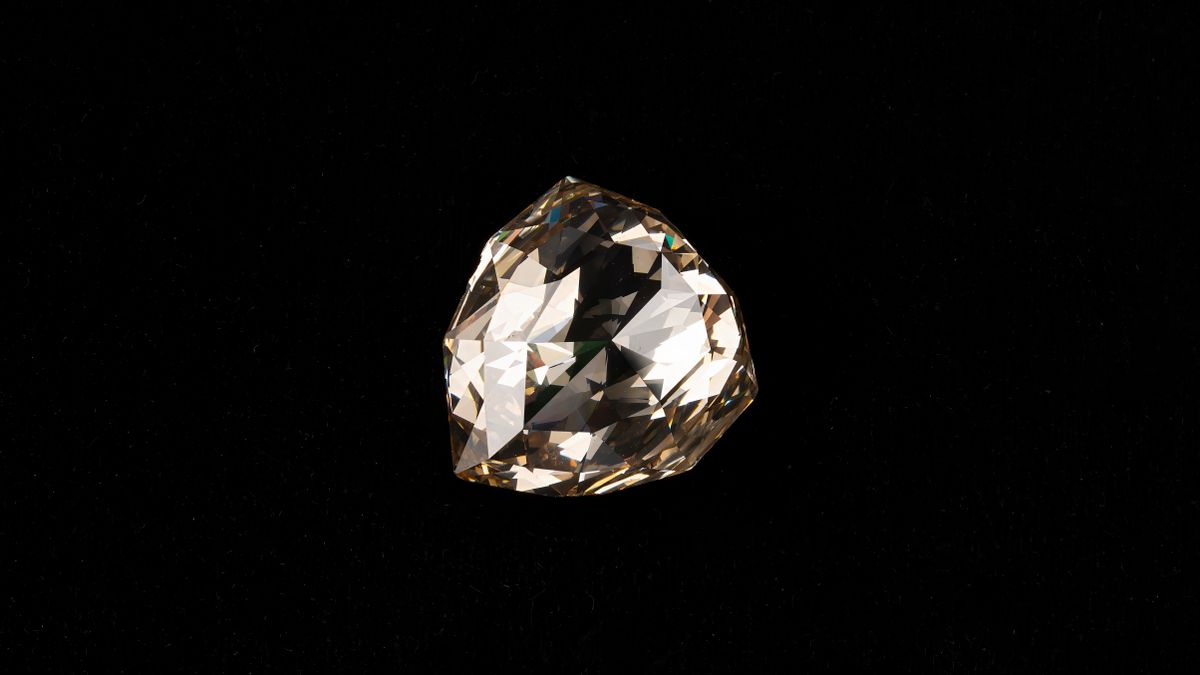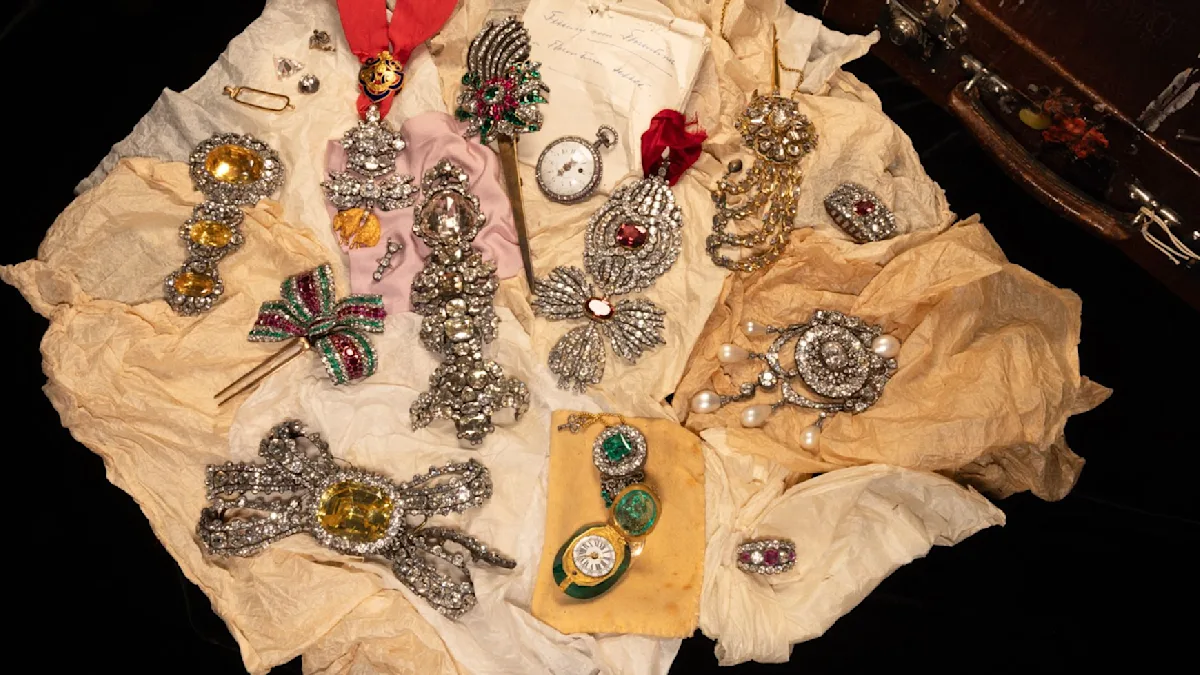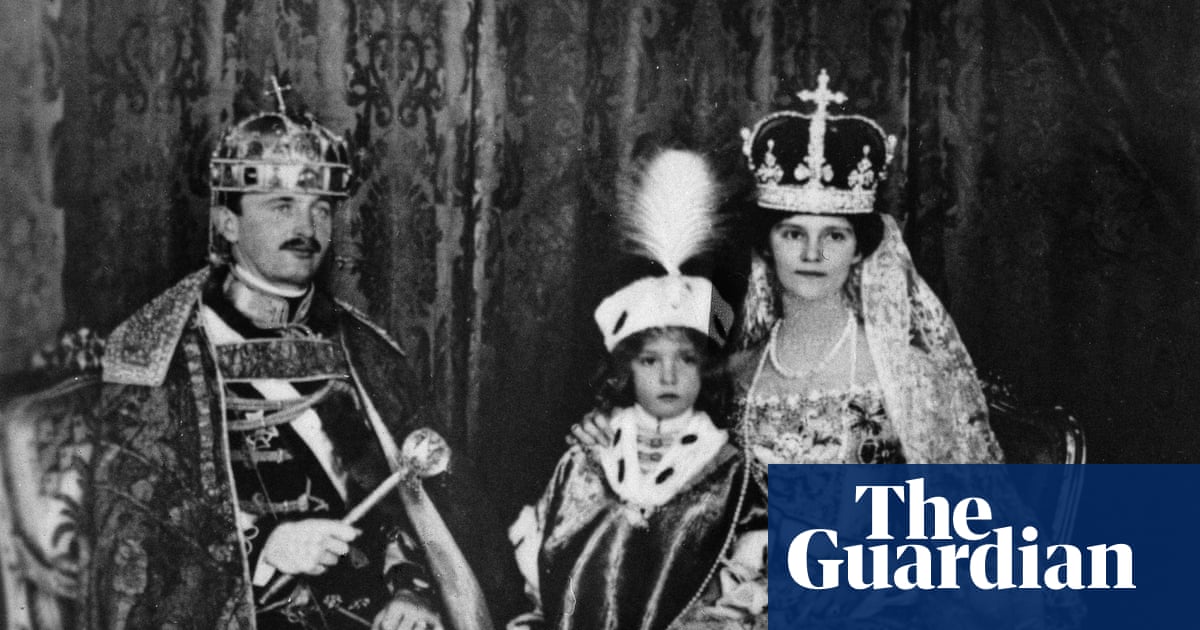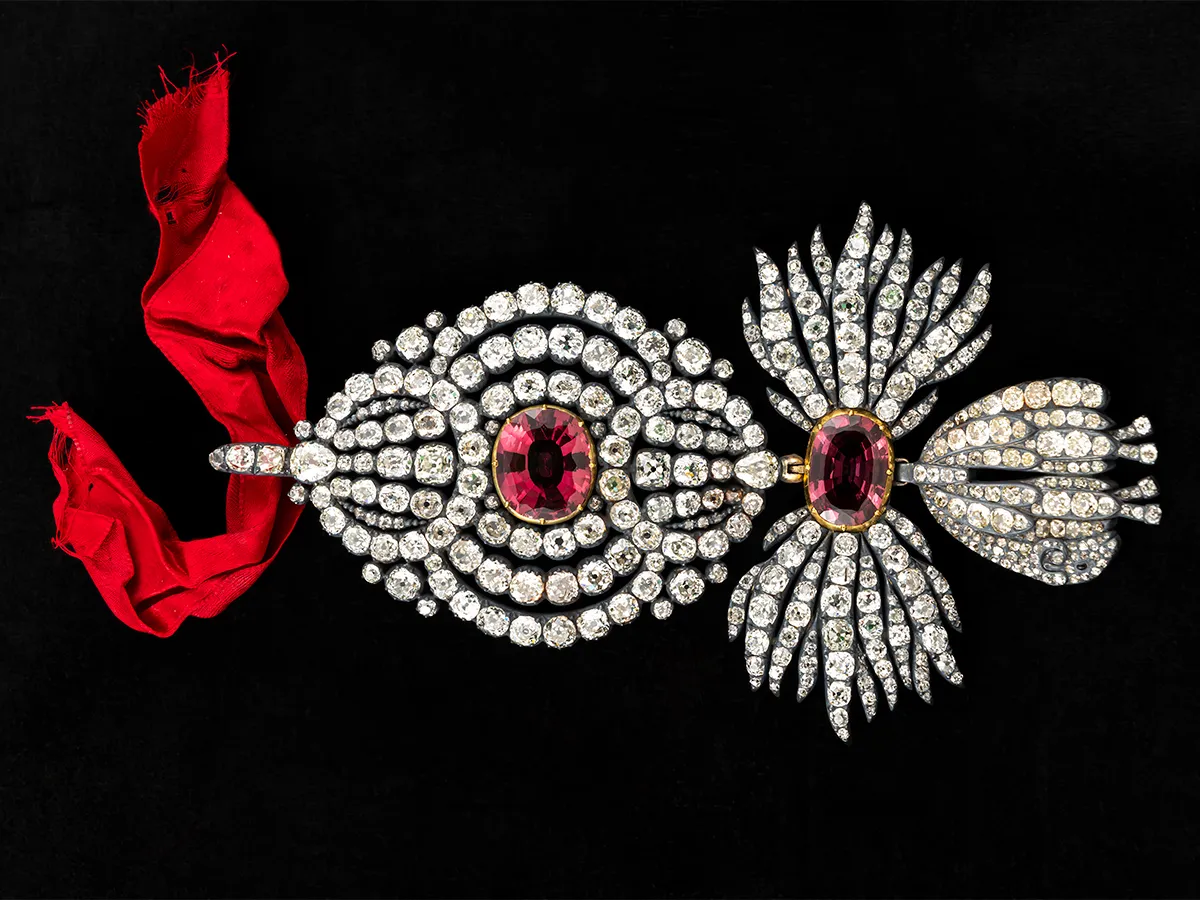
Skip to Content Subscribe My Account Manage My Subscriptions FAQ Newsletters Canada Canadian True Crime Canadian Politics Health World Israel & Middle East Financial Post NP Comment Longreads Puzzmo Diversions Comics NP News Quiz New York Times Crossword Horoscopes Modern Life Eating & Drinking Style Sponsored Play for Ontario Travel Travel Canada Travel USA Travel International Cruises Travel Essentials Culture Books Celebrity Movies Music Theatre Television Business Essentials Advice Lives Told Tails Told Shopping Buy Canadian Home Living Outdoor Living Kitchen & Dining Tech Style & Beauty Personal Care Entertainment & Hobbies Gift Guide Travel Guide Deals Savings National Post Store More Sports Hockey Baseball Basketball Football Soccer Golf Tennis Driving Vehicle Research Reviews News Gear Guide Obituaries Place an Obituary Place an In Memoriam Classifieds Place an Ad Celebrations Working Business Ads Archives Healthing Epaper Manage Print Subscription Profile Settings My Subscriptions My Offers Newsletters Customer Service FAQ Newsletters Canada World Financial Post NP Comment Longreads Puzzmo Diversions Modern Life Shopping Epaper Manage Print Subscription HomeNP CommentRaymond J. de Souza: Hidden for more than 80 years in Canada, Habsburg jewels shine againOnly two of Empress Zita's grandchildren knew of the priceless jewels — including the Florentine Diamond — that their grandmother had secreted in a Quebec bank vaultLast updated 4 days ago An insignia of the Order of the Golden Fleece, created in the 18th century by an unknown jeweller out of silver, gold, diamonds and tourmalines, is part of the Habsburg Jewels collection brought to Canada and hidden in a Quebec bank vault by Austria-Hungary's Empress Zita more than 80 years ago. The Empress's family has decided that the jewels will remain in Quebec as a sign of gratitude for the welcome their grandmother received. Photo by Saint Joseph Trust / MNBAQ / Louis HébertQUEBEC CITY — Vast as the lands of the Habsburg empire were, they never included Canada. Until 1940, in a manner of speaking.Enjoy the latest local, national and international news.Exclusive articles by Conrad Black, Barbara Kay and others. Plus, special edition NP Platformed and First Reading newsletters and virtual events.Unlimited online access to National Post.National Post ePaper, an electronic replica of the print edition to view on any device, share and comment on.Daily puzzles including the New York Times Crossword.Support local journalism.Enjoy the latest local, national and international news.Exclusive articles by Conrad Black, Barbara Kay and others. Plus, special edition NP Platformed and First Reading newsletters and virtual events.Unlimited online access to National Post.National Post ePaper, an electronic replica of the print edition to view on any device, share and comment on.Daily puzzles including the New York Times Crossword.Support local journalism.Create an account or sign in to continue with your reading experience.Access articles from across Canada with one account.Share your thoughts and join the conversation in the comments.Enjoy additional articles per month.Get email updates from your favourite authors.Create an account or sign in to continue with your reading experience.Access articles from across Canada with one accountShare your thoughts and join the conversation in the commentsEnjoy additional articles per monthGet email updates from your favourite authorsSign In or Create an AccountorRelics of that period, private jewellery of Empress Zita, including one of the world’s most prominent gems, the Florentine Diamond, went on display at the Musée national des beaux-arts du Québec in Quebec City on Friday. Canada’s royal history — first French, then British — is most evident in the city established by Samuel de Champlain in 1608. The Florentine Diamond is older than that.Therein lies a truly remarkable tale, told in a new exhibition entitled, “Hidden Treasure: A Century of Mystery.”The National Post newsletter that doesn’t hold back, giving readers the unvarnished truth on media, politics and culture.By signing up, you consent to receive the above newsletter from Postmedia Network Inc.A welcome email is on its way. If you don't see it, please check your junk folder.The next issue of Right? will soon be in your inbox.We encountered an issue signing you up. Please try againThe Great War laid waste to royal houses. By its conclusion in 1918, the Russian tsar, German kaiser, Ottoman sultan and Austrian emperor were no more. The last emperor of Austria-Hungary, Karl I, was driven into exile in 1918, taking refuge in Madeira with his wife, Empress Zita, and his young and growing family. Emperor Karl I (Charles I), the last emperor of Austria-Hungary, and Empress Zita are seen with their son Otto in a photograph taken in 1916. The family was driven into exile two years later. Following her husband’s death, Zita eventually fled to Quebec with her children, bringing with her the Habsburg Jewels, which she hid in a bank vault. Photo by Heinrich Schuhmann / Wikimedia CommonsRenowned for efforts to bring peace during World War I, and exceptional in his personal character and devout Catholic faith, Karl was beatified — the ultimate step before canonization — in 2004. The pope of the beatification, St. John Paul the Great, was named after him. His baptismal name of Karol (Charles, Karl) was given in honour of Emperor Karl; baby Karol’s father had served in the Habsburg armed forces. (Southern Poland was part of the Habsburg empire 1795-1918.)Blessed Karl died young, age 34, in 1922, leaving seven children and Empress Zita expecting an eighth. With the new Austrian republic unremittingly hostile to the remaining Habsburgs, Zita had to make a life for her family. She went first to Spain and then to Belgium. Watching the unfolding events of the 1930s, Zita and her eldest son, Crown Prince Otto, were fiercely anti-Nazi, greatly lamenting the Anschluss, Austria’s capitulation to Nazi Germany. When Hitler invaded France in 1940, it was evident that Belgium was soon to follow.Zita fled, zigging and zagging across Europe until she could book passage to New York, travelling on passports issued by neutral Portugal. Upon crossing the Atlantic to safety she decided to settle in the Sillery district of Quebec City, in a modest home called the Villa St-Joseph, owned by an order of Catholic nuns. The 137-karat Florentine Diamond, part of the Habsburg Jewels collection. Photo by Saint Joseph Trust / MNBAQ / Louis HébertZita chose Quebec City for three reasons. Of supreme importance to her and Karl was their Catholic faith, and she wanted a strong Catholic culture where she could easily attend daily Mass. Second, her children had already begun their education in French and, while her household was conversant in a half-dozen languages, she preferred them to continue in French. Third, there were some relatives in the area.Empress Zita lived happily in Quebec until 1953, when she returned to Europe to be closer to her grown children.Canadians are more familiar with the refuge sought in Canada by Princess Juliana of the Netherlands during World War II; Hitler also invaded the Netherlands in 1940. Princess Juliana gave birth to a daughter while in Ottawa, with the federal government making extraterritorial provisions so that the baby princess would be born on “Dutch soil,” preserving her place in the line of succession. The annual Dutch gift of tulips for Ottawa’s eponymous festival is an expression of their gratitude.The Habsburg jewels are more impressive than the tulips.When driven out of Vienna in 1918, Karl sent some of his family’s most significant jewels out of the country. Like the Windsors today, there are jewels that belong to the monarchy as such, the “crown jewels,” and then there are others that are the private property of the family. Austria expropriated Habsburg royal property in 1919, but the jewels now in Quebec, including the 137-karat Florentine Diamond, were ruled in 1923 to be the family’s private property.Empress Zita considered herself the custodian of whatever was left of the Habsburg dynasty. Most important was her Catholic faith — her process for canonization is also underway — her family, and her duty toward the late Emperor Karl. The jewels were a tangible connection to all of that. Amongst them is an insignia of the Order of the Golden Fleece, the greatest of the Catholic orders of knights. The simple briefcase in which Empress Zita transported the Habsburg Jewels to Canada, hiding them in a Quebec bank vault. Photo by Saint Joseph Trust / MNBAQ / Louis HébertShe carried the precious jewels into exile in a simple briefcase. Bringing them to Quebec, she put them into a bank safety deposit box. For security and with a vision embracing centuries, she told no one and decreed that they would remain hidden for a hundred years after Karl’s death in 1922. Only in her last years — she died in 1989, 67 years after Karl — did she confide the secret to two of her sons, who in turn passed it on to two of their sons. Of her dozens of grandchildren, only two knew of the jewels. Both of them, Simeon and Lorenz, were in Quebec on Thursday, along with their cousin Karl, eldest son of the late Crown Prince Otto, and head of the family.The family has decided that the jewels will remain in Quebec as a sign of gratitude for the welcome their grandmother received. Their presence will also make Canadians aware of a proud part of our history.Empress Zita’s grandsons have created a trust that owns the jewels and will attend to their preservation and display, first in Quebec City, and eventually in other museums. The jewels, aside from their own beauty and value, are symbols of dedication to duty amidst the disruption, destruction and displacement of war; of preservation of patrimony in a time of privation; and of trust in God’s providence across the ocean which, not for the first time, brought blessings upon the heights rising up from the St. Lawrence River.National Post Join the Conversation This website uses cookies to personalize your content (including ads), and allows us to analyze our traffic. Read more about cookies here. By continuing to use our site, you agree to our Terms of Use and Privacy Policy.
Raymond J. de Souza: Hidden for more than 80 years in Canada, Habsburg jewels shine again
Only two of Empress Zita's grandchildren knew of the priceless jewels that their grandmother had secreted in a Quebec bank vault
1,655 words~8 min read