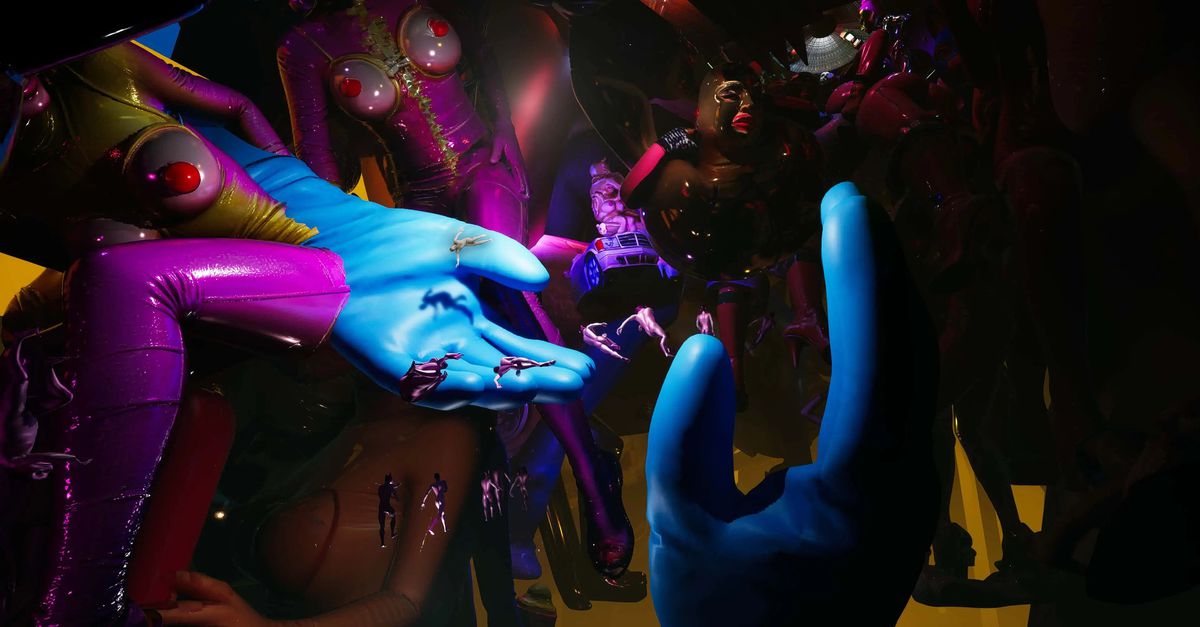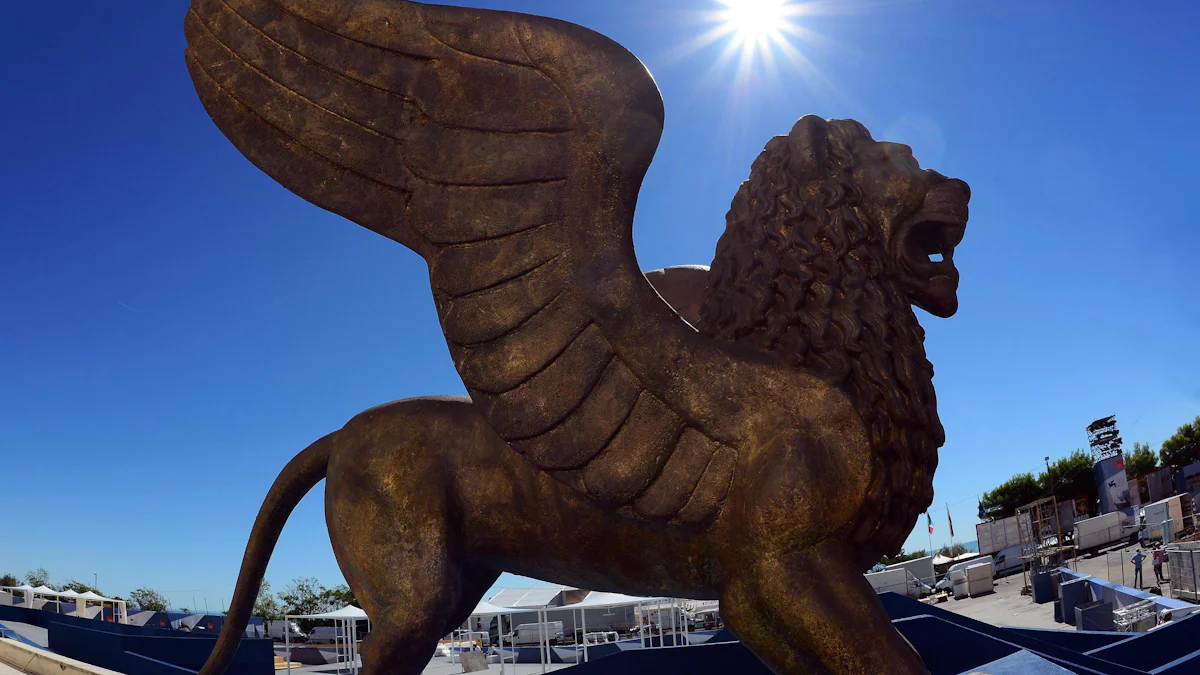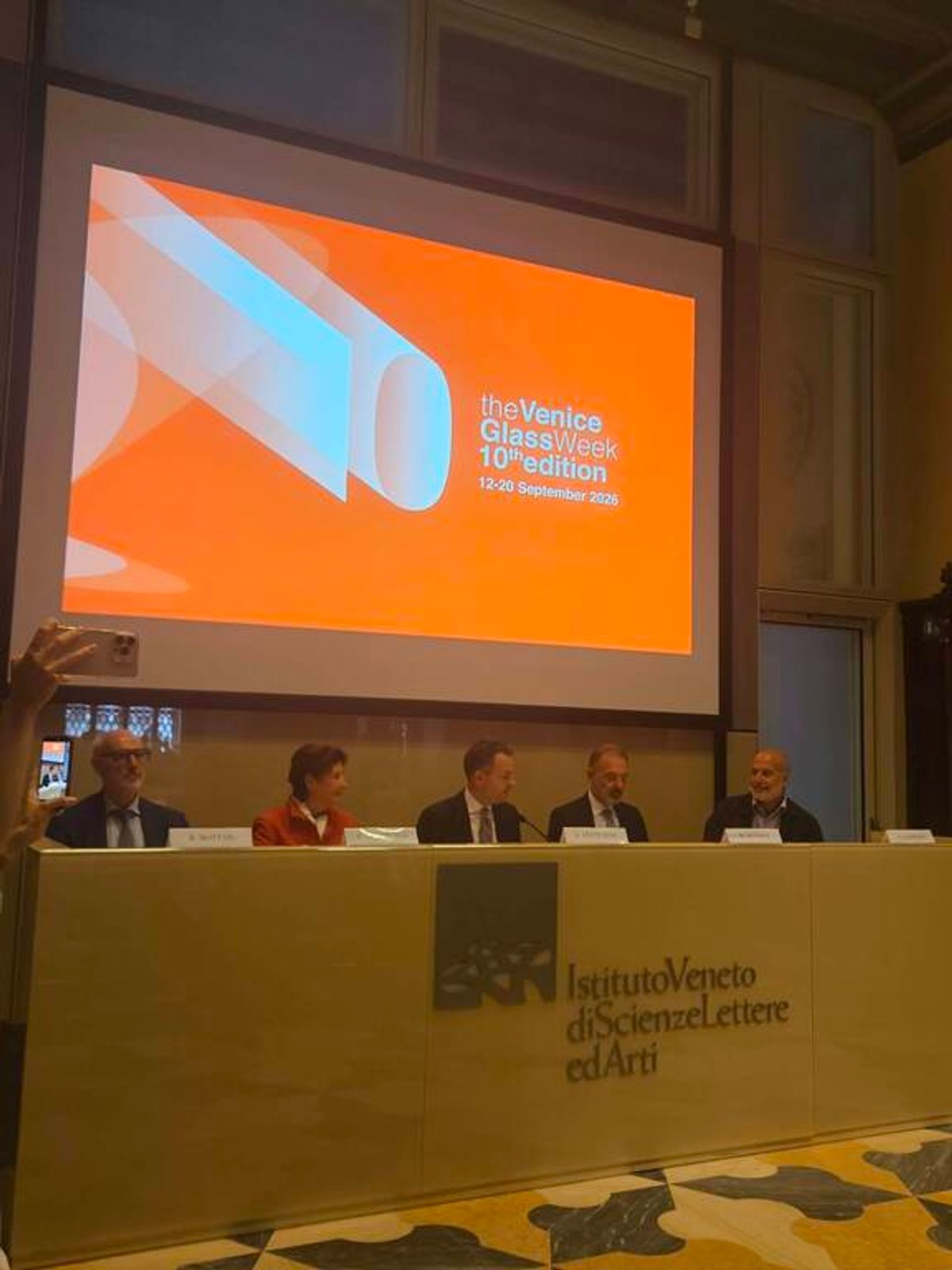
Ten editions in, Venice Immersive has plenty to celebrate — just don’t expect the new-media showcase to spend much time looking back.
“We’re not planning any retrospectives,” Venice Immersive counselor Michel Reilhac says of this year’s landmark edition. “Instead, we want to focus on what’s happening next. This really feels like the beginning of a second chapter, for us and for the wider medium.”
Still, it’s impossible to mark the milestone without taking stock. What launched in a modest nook between two floors of the Palazzo del Casinò now occupies its own island in the lagoon — evolving from festival curiosity into a key hub for a protean art form.
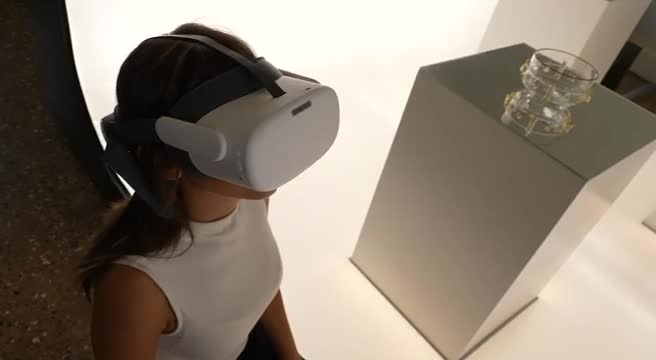
The industry’s progress, meanwhile, has been anything but linear. The long-awaited consumer boom in personal headsets never quite materialized. Project financing from platforms and hardware makers contracted sharply as a result, and (mostly European) public funding stepped in as a bridge — though global profitability is now increasingly coming from elsewhere, as event-based spaces and collective exhibition models prove viable on their own terms.
“The location-based entertainment (LBE) model now drives the market,” says counselor Liz Rosenthal. “In Asia especially, we’ve seen an explosion of LBE centers built for scale, showcasing projects designed for groups of six, eight, 10 people up to hundreds, depending on the space. The storytelling and design have gotten far more sophisticated, too. In the past you weren’t really embodied as a character, and you couldn’t interact with objects or people. That’s changed.”