On September 4, Anthropic published something that sounds like a headline from a decade in the future: the first complete, computer-checked proof of Fermat's Last Theorem, written by a team of Claude agents working largely autonomously over 11 days. Thirteen million lines of Lean. Nearly 30,000 intermediate theorems. About six billion output tokens.
I want to talk about a detail that most coverage will bury, because it is the only part that matters if you build software with agents instead of reading about them. The first attempts failed. Not because the model was too weak. The agents had early success, then lost track of the project's state and stopped collaborating effectively. What fixed it was not a smarter model. It was a shared directed acyclic graph acting as the team's memory.
If you have ever run two AI agents on the same codebase and watched them trample each other's work, you already understand this failure. You just have not seen it dramatized at the scale of one of the hardest proofs in mathematics.
What actually happened, in numbers
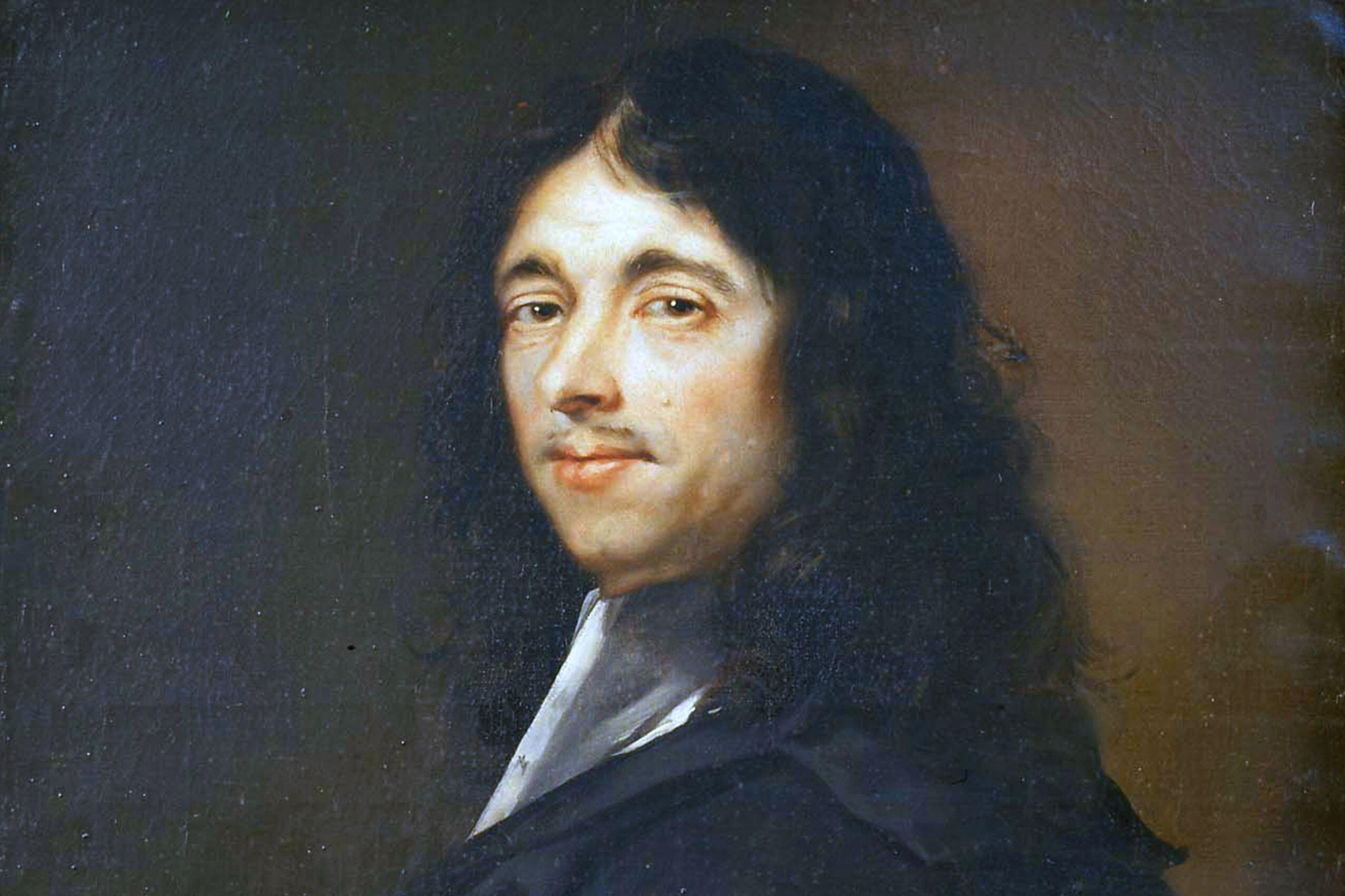
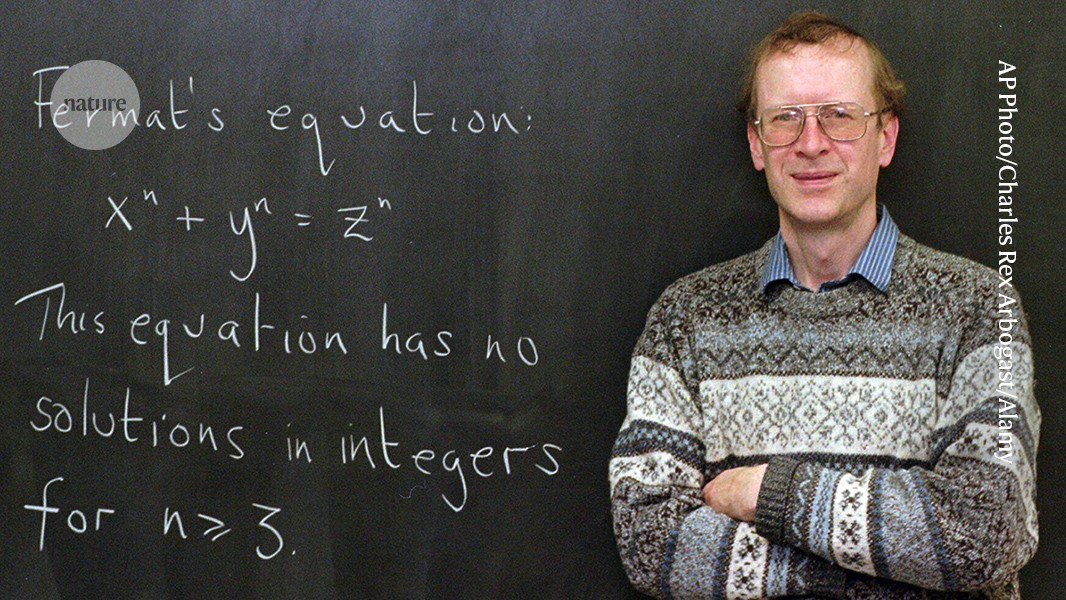
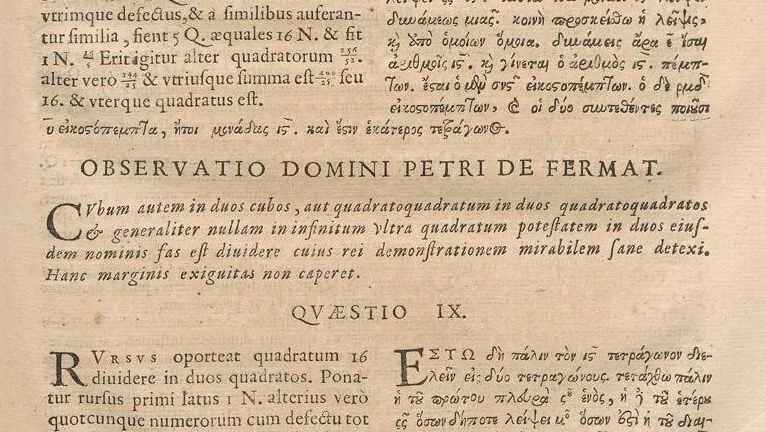
First the facts, because they are dramatic enough on their own. Fermat scribbled his claim around 1637: no positive integers a, b, c satisfy aⁿ + bⁿ = cⁿ for any n greater than 2. Andrew Wiles proved it in 1995 after a 129-page proof, and even that is underselling the drama. He presented the proof in June 1993, a reviewer's question exposed a critical gap two months into verification, and Wiles spent a year, first alone and then with his former student Richard Taylor, fixing it.