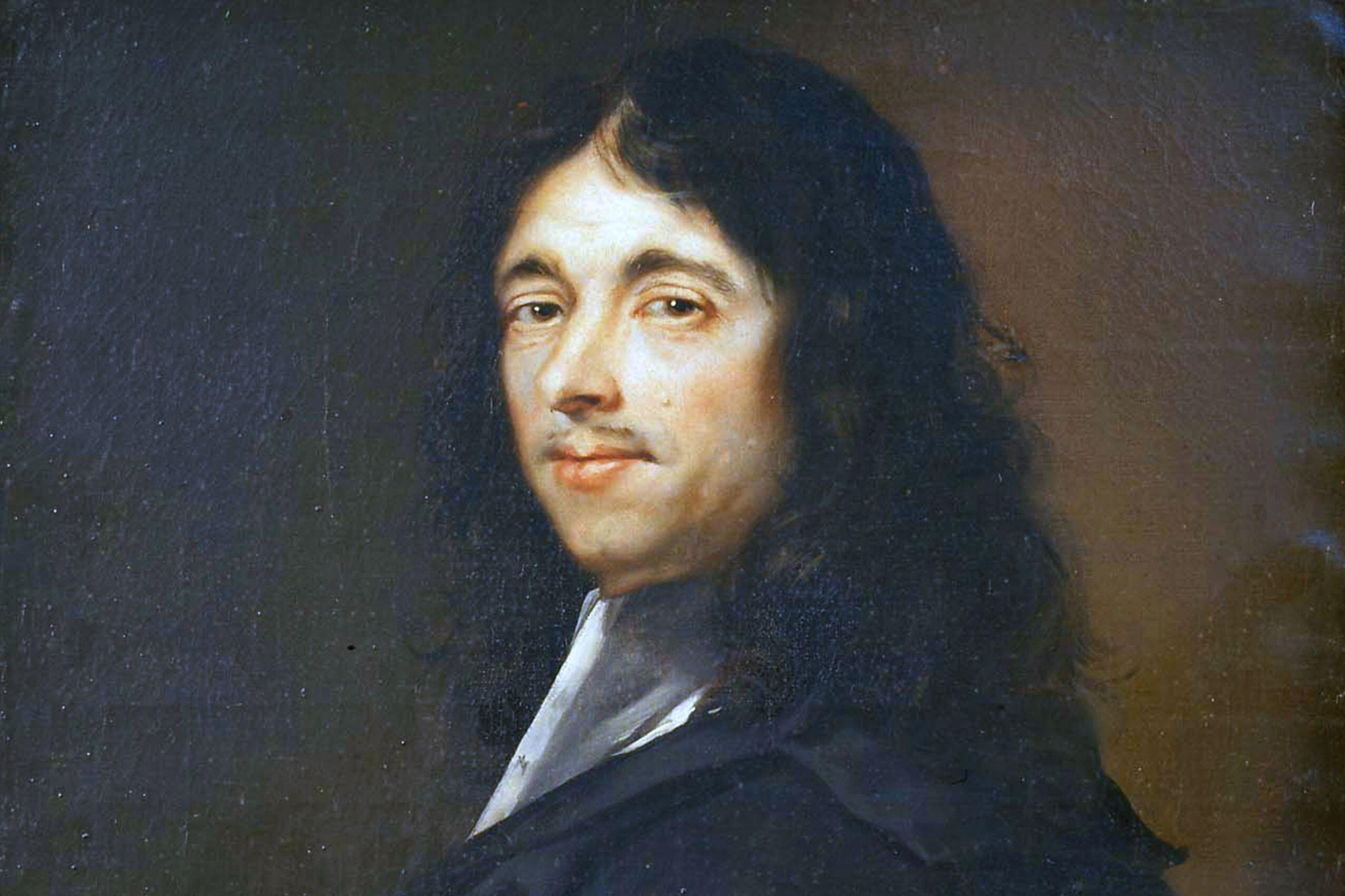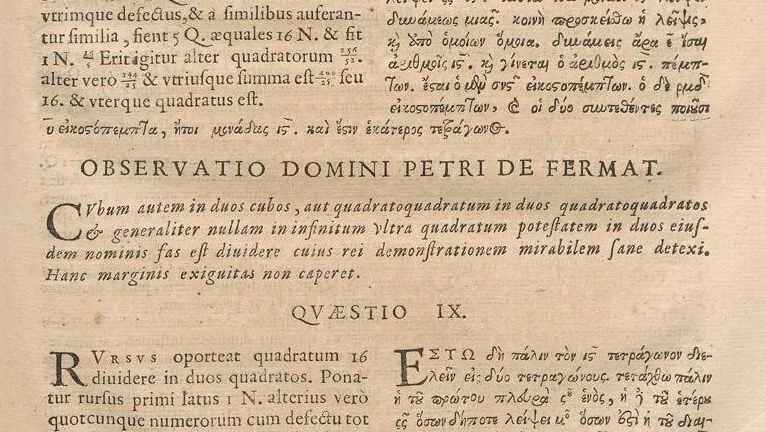
Pierre de Fermat scribbled a note in the margin of a math textbook in 1637, claiming he had a proof that was too large to fit in the space. It took 358 years for a human to actually prove him right. Now an AI has done something arguably harder: translating that proof into language a computer can verify, line by line, with zero ambiguity.
Anthropic’s Claude has produced the first complete machine-checked formalization of Fermat’s Last Theorem using Lean 4, a proof assistant that functions like a brutally honest math teacher who refuses to let you skip any steps. The formalization covers over 29,511 theorems and 1,450 definitions, all verified through Lean’s kernel without relying on axioms outside the standard Mathlib foundations.
What formalization actually means
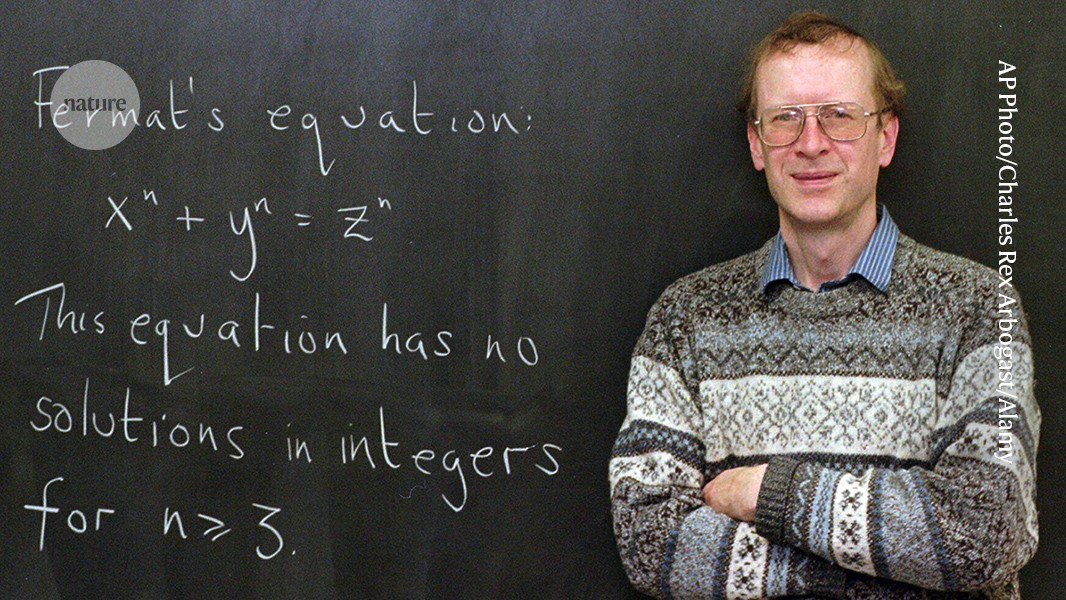
Andrew Wiles proved Fermat’s Last Theorem in 1995, and the mathematical community accepted it. But “accepted” in math still leaves room for human error. A formalized proof is different. Every logical step gets encoded in a programming language designed for mathematical reasoning, and a computer checks each one independently.
Claude’s formalization follows the Frey-curve and modularity-lifting approach, which is the modern route pioneered by Wiles and Taylor. This is distinct from Kummer’s classical method, which only handles so-called “regular primes” and doesn’t cover the full theorem. The work is documented in Anthropic’s public GitHub repository, anthropics/fermats-last-theorem, where anyone can inspect the full proof chain.