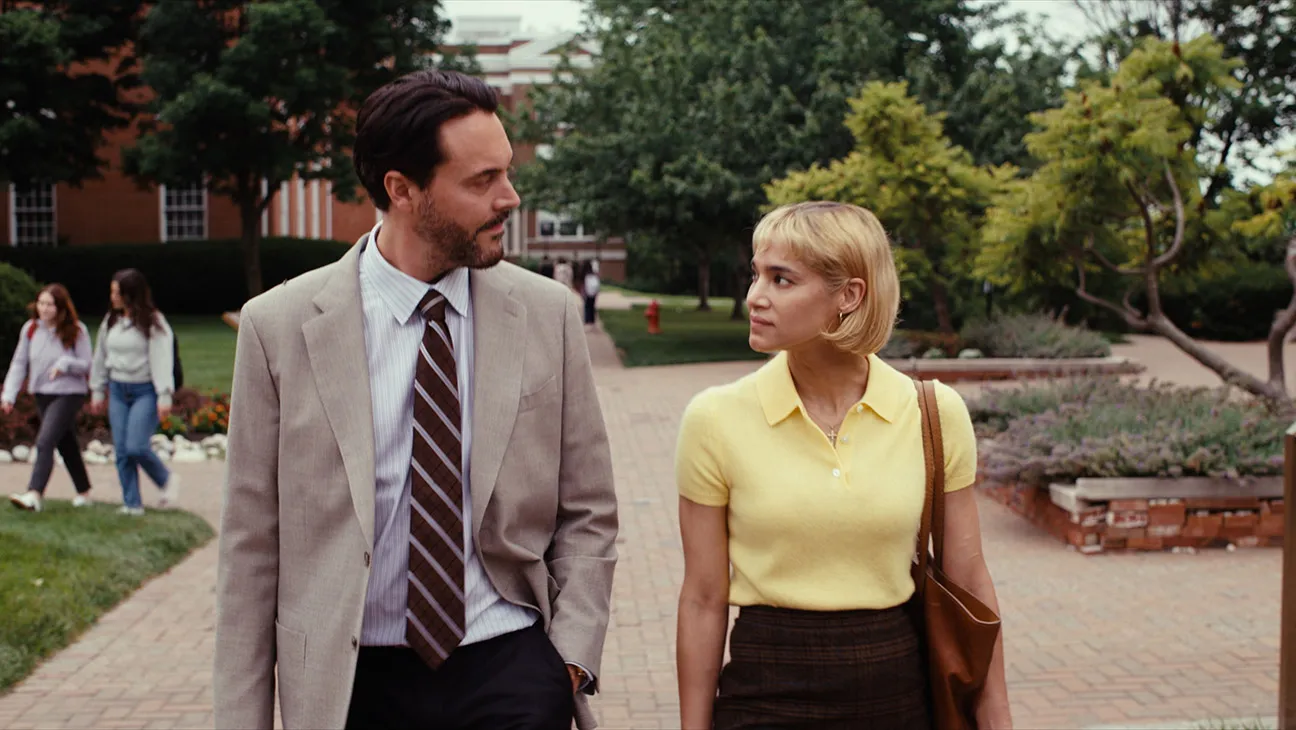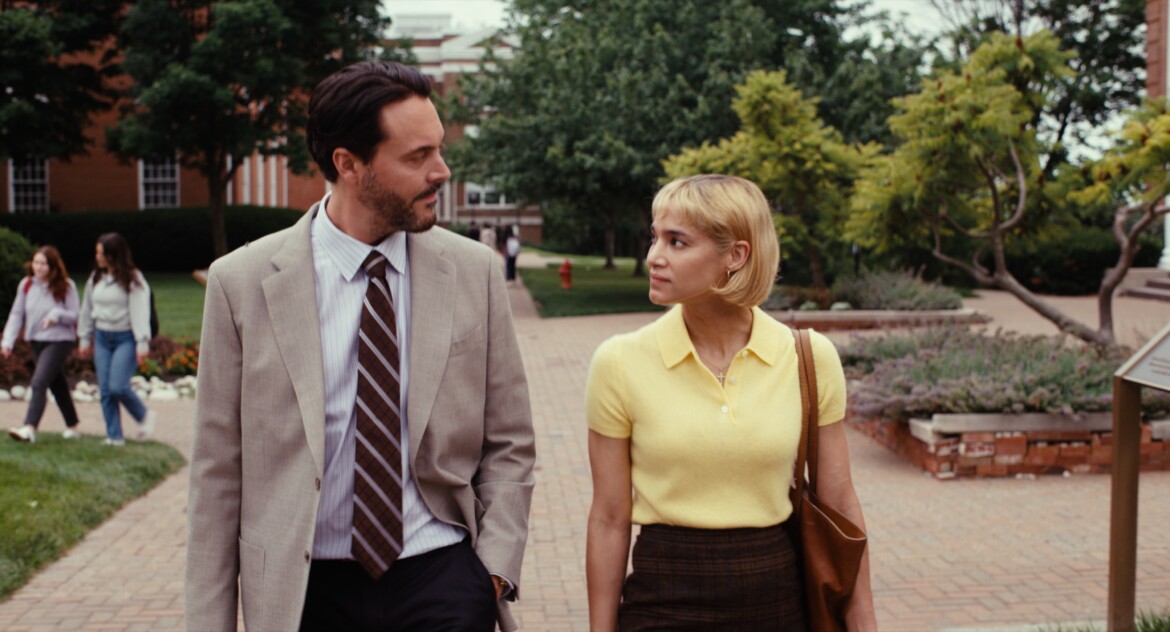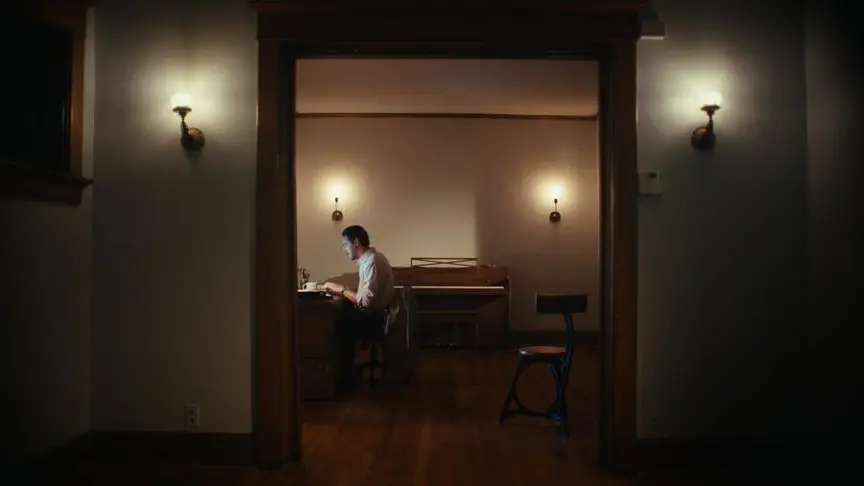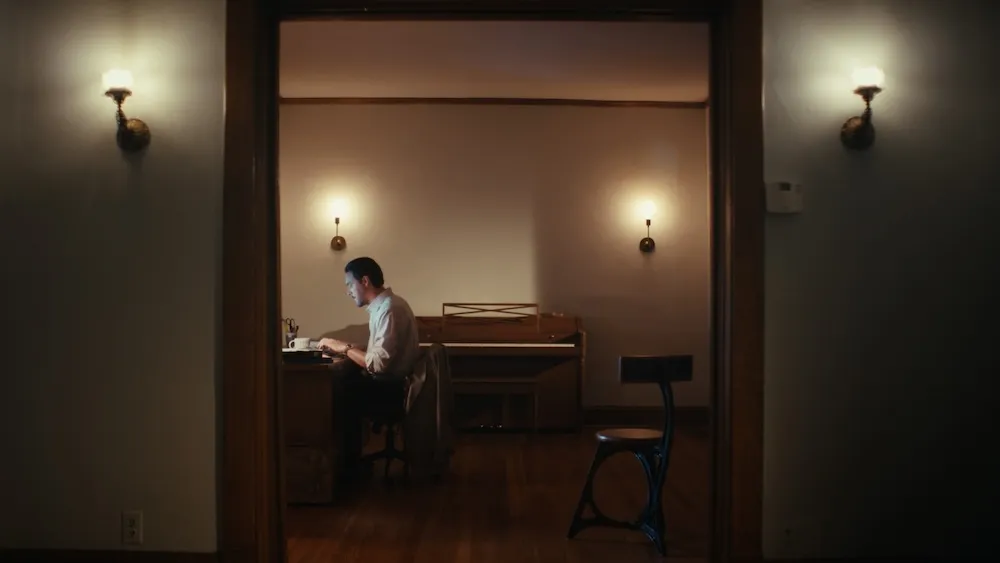
Another man, another room, another vile past deed in need of expiation. On the one hand you could accuse writer-director Paul Schrader of retreading old ground with his latest unadorned exploration of guilt, transgression and the intellectual work that a sinner must do in order to seek redemption for his sins. On the other hand, you cannot ever accuse Paul Schrader of taking the easy way out when there is available to him a difficult way to get deeper in.
If Schrader here is embracing familiar themes, there is nothing comfortable about this embrace, given that those themes, present in the majority of his recent output, can be reduced to the same question, reformulated each time to a different, and differently heinous, model. In “The Card Counter,” he wondered if it is possible to once have been, but no longer be, a torturer. In “Master Gardener,” he pondered whether one could once have been, but no longer be, a Nazi. And with this new film, his endless preoccupations approach once again a kind of moral event-horizon of awfulness: Is it possible to once have been a pedophile?
The opening of “The Basics of Philosophy” puts Jack Huston‘s Prof. John Jorrisen in front of a blackboard on which is written “The Basics of Philosophy,” as he talks to his students about his course, “The Basics of Philosophy,” while trying to elicit from them their own impressions of, well, the basics of philosophy. This bluntly presentational approach is either damningly clumsy, or daringly straightforward, depending on which side of the Schrader Dividing Line you fall. And wherever you have landed in the past, this film — what was it called again? — is unlikely to be the one that will shift you from one column to the other.