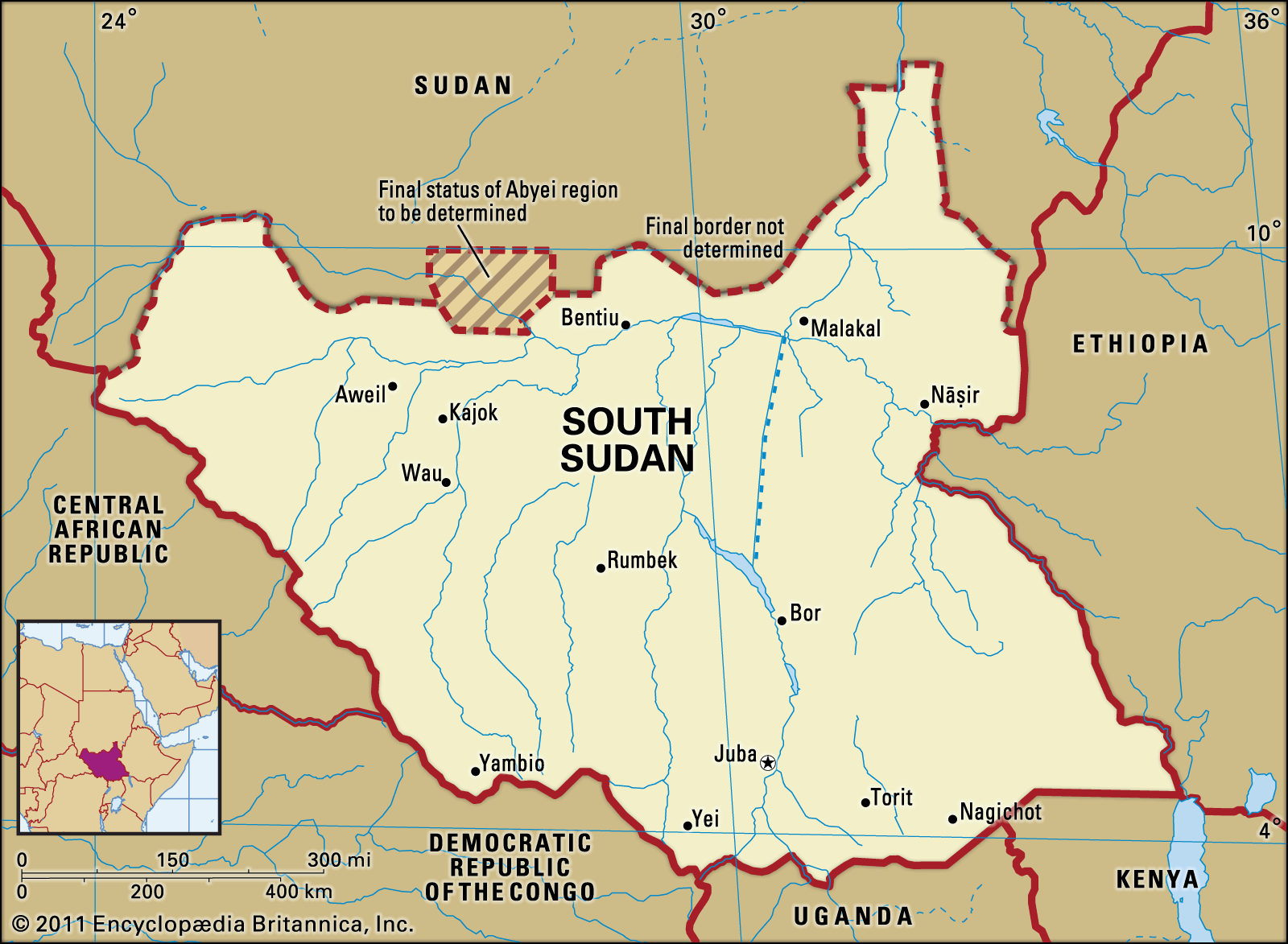
South Sudan is geographically landlocked, economically fragile and heavily dependent on oil. As the country approaches elections scheduled for December 22, 2026, its investment outlook will depend less on the headline recovery in oil production than on whether political stability can be sustained.
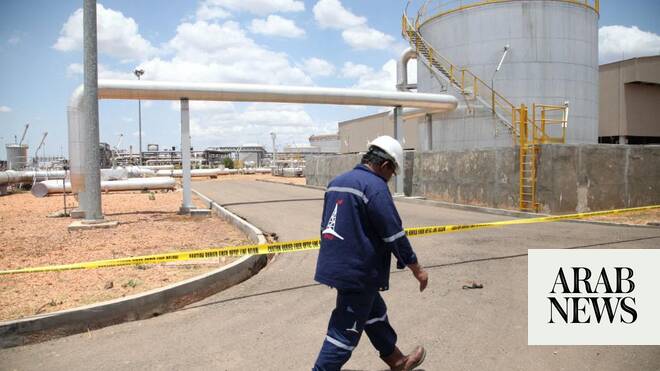
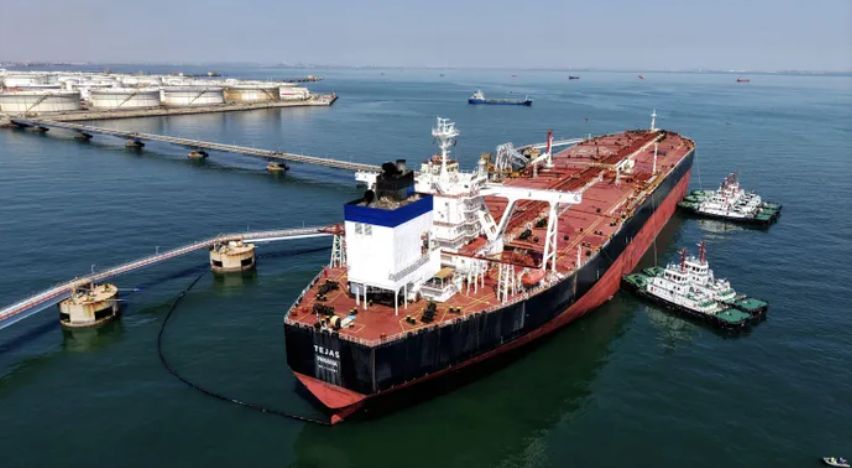
The macroeconomic headlines are, for once, not entirely dreadful. After a catastrophic 24.5 percent contraction in 2024, Fitch Solutions projects real Gross Domestic Product) GDP growth of 17.1 percent in 2026, driven by the partial restoration of oil exports through Sudan’s pipeline network following a year-long shutdown. The restart of the Petrodar pipeline has returned production from a nadir of 60,000 barrels/day to approximately 150,000 barrel per day (bpd), still less than half the 350,000 bpd, achieved at independence in 2011. This uptick will ease some exchange rate pressure and provide breathing room for a government that has watched its citizens slide into extreme poverty, now affecting nearly 91 percent of the population.
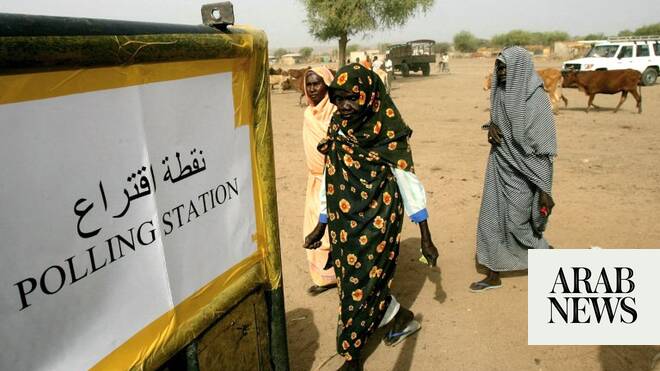
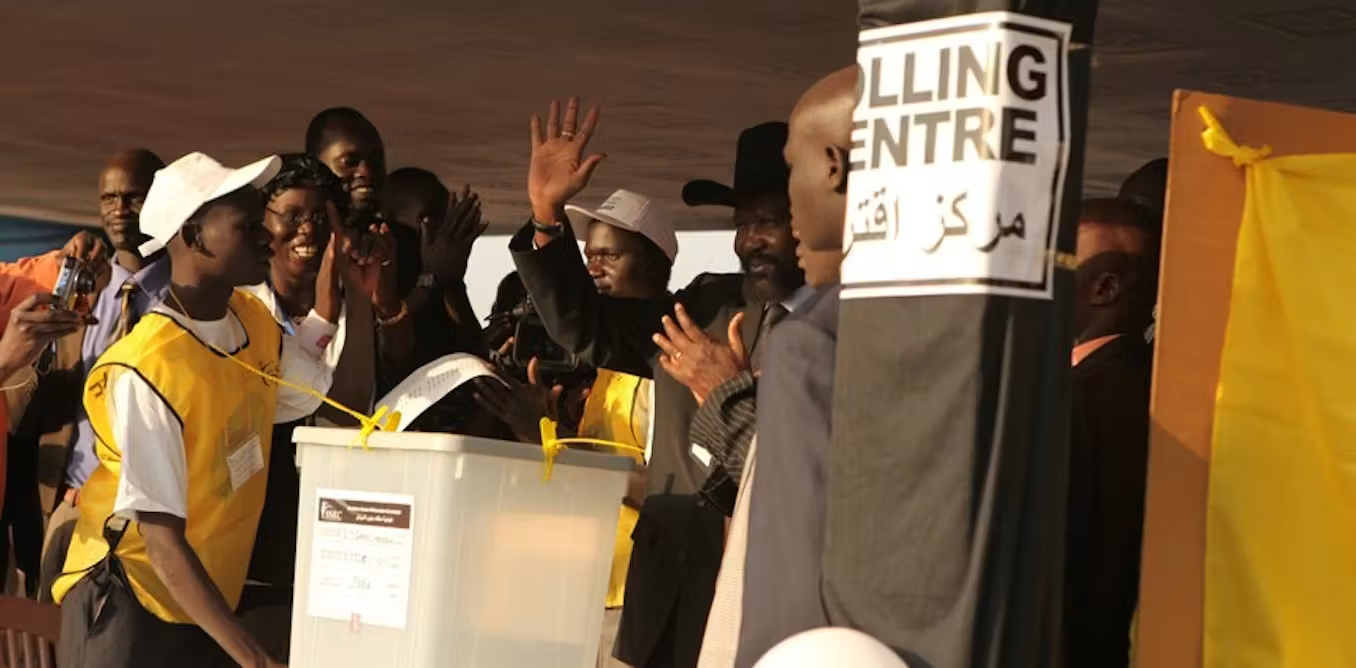
Yet the recovery is a mirage unless viewed through the lens of politics. The December elections should be viewed not only as a political milestone but also as a critical test of South Sudan’s fragile peace arrangement. The 2018 Revitalised Agreement has been extended three times, and its core provisions, including the unification of 83,000 members of the armed forces, remain largely unimplemented. Political tensions between President Salva Kiir and Vice-President Riek Machar, whose detention in February 2026 has intensified fighting in Jonglei state, suggest that under deteriorating political scenario, the election could become a catalyst for renewed fragmentation rather than a vehicle for political transition. Investors pricing this environment must understand that the macroeconomic tailwinds are hostage to a political process that could turn violent at any moment.