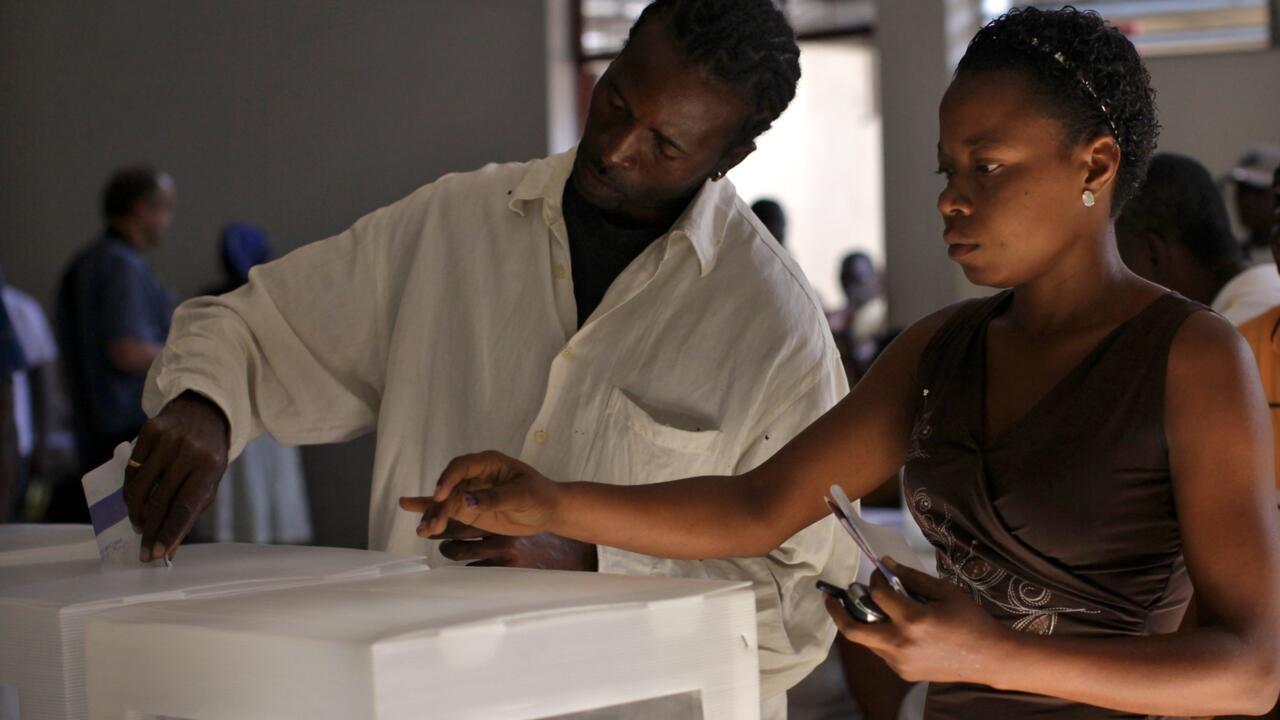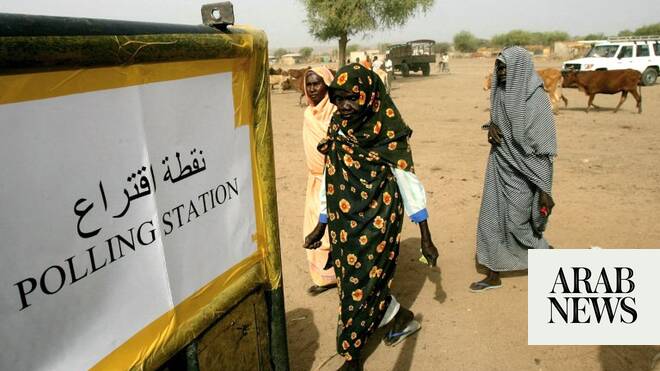
South Sudan is expected to hold an election on 22 December 2026, the first in the country’s history. It’s already been postponed twice, in 2022 and 2024.
A great deal is being said and written about whether or not there should be an election. But, having researched South Sudan’s post-war transition since the revitalised peace agreement was signed in 2018, I would argue that the real question is whether another extension would create the political conditions that previous delays failed to deliver.
South Sudan’s first national elections will almost certainly be imperfect. Few countries emerging from violent conflict hold flawless elections.
But another transition extension is even less likely to resolve the country’s underlying political problems. These include elite power struggles, weak institutions and unresolved security arrangements.
In my view, the transition has reached its limits. What’s needed to move ahead is a succession plan. Naming a running mate for President Salva Kiir could facilitate a political succession that would be less disruptive than an unplanned and sudden succession in the event that the transition gets prolonged again.