By Editorial Dept - Sep 04, 2026, 7:30 AM CDT
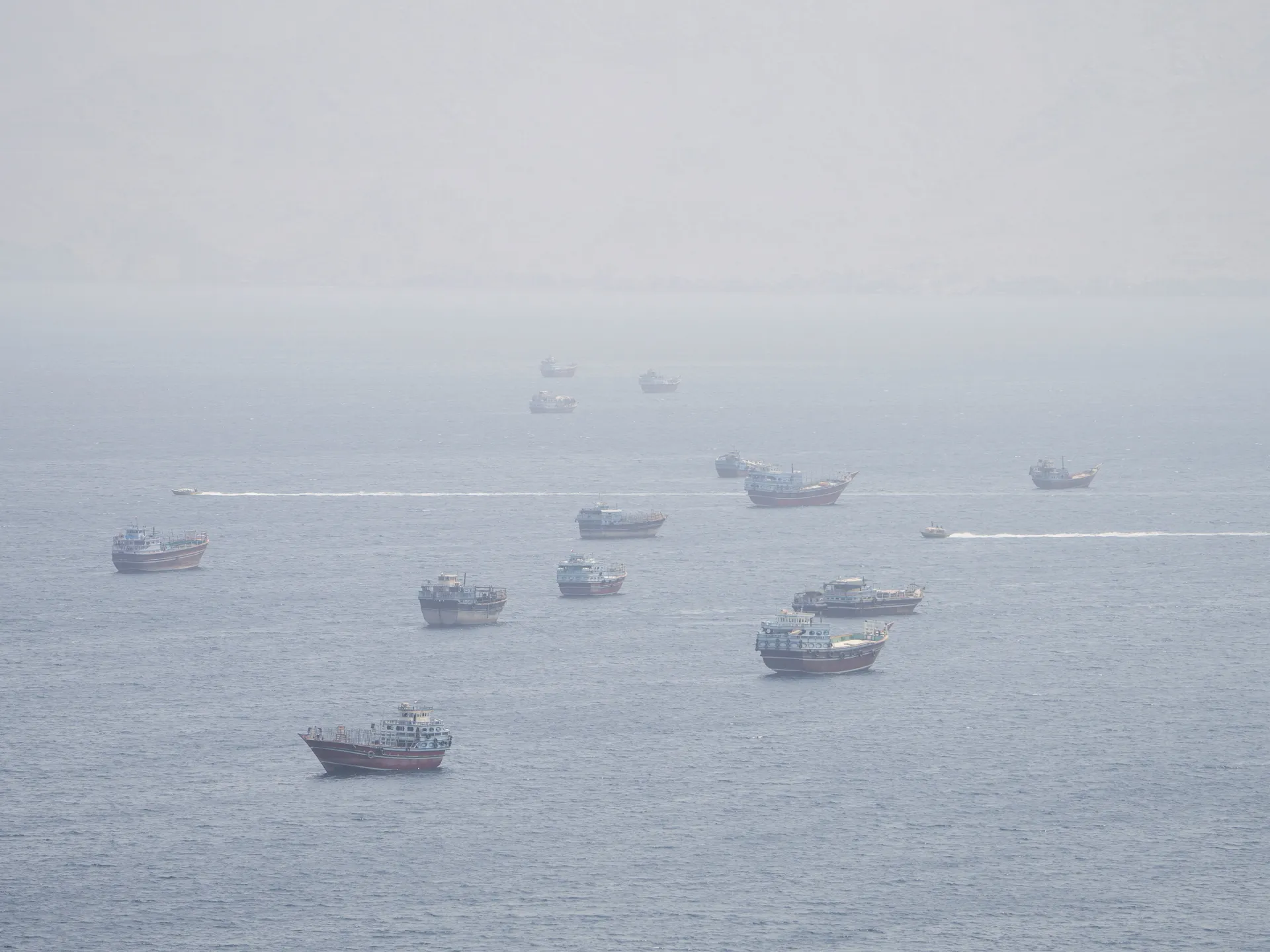
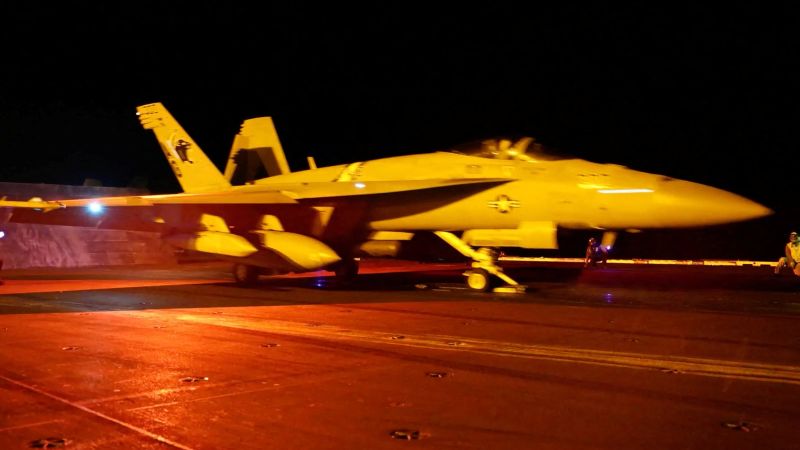
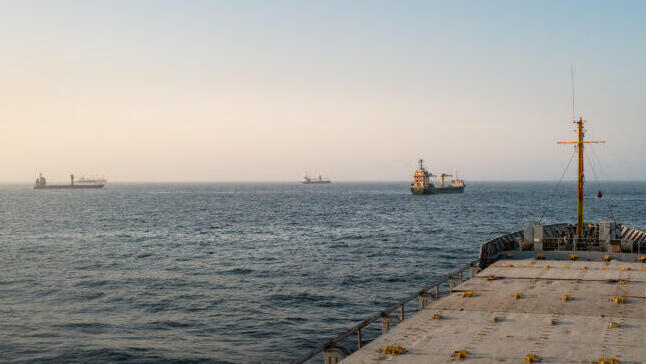
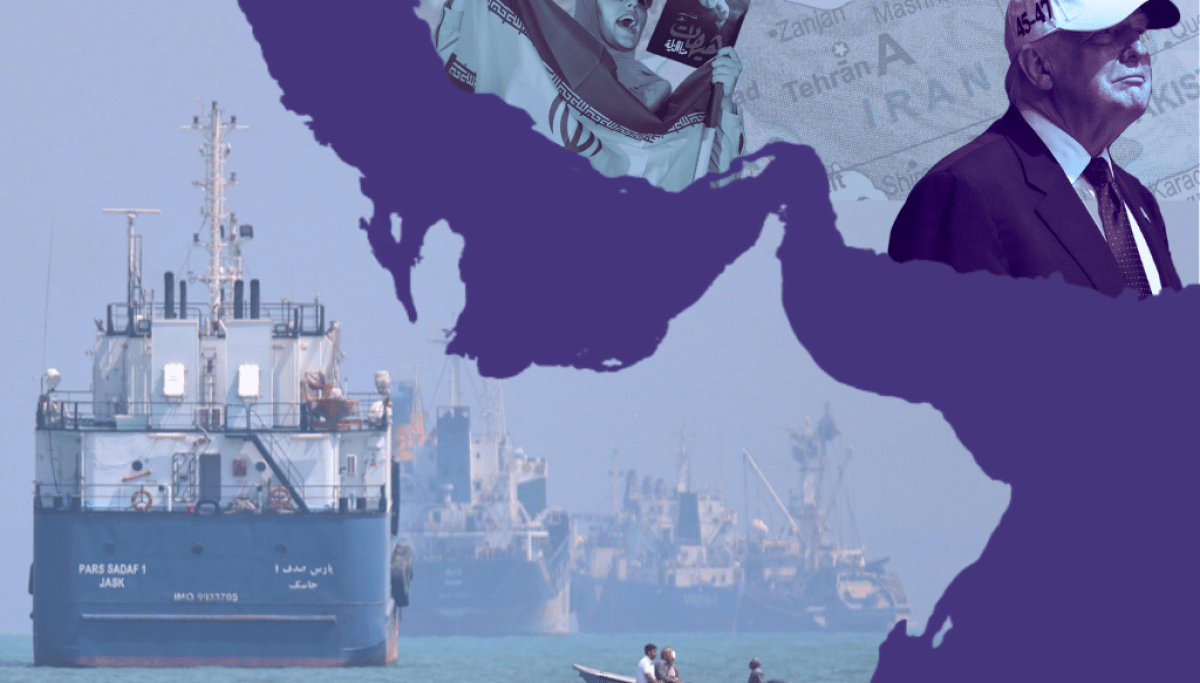
Trump says the U.S. has effectively reopened the Strait of Hormuz, with 18 million barrels of oil reportedly crossing under American protection on Tuesday, close to the roughly 20 million bpd that moved through before the war. The problem is that nobody outside the U.S. government can yet verify Tuesday’s number, and the shipping data we normally rely on has become unusually difficult to read.Kpler recorded 11 visible commodity-vessel crossings Tuesday, while Lloyd’s List Intelligence recorded roughly 12 transits a day from August 26 through September 1. U.S. military data looks very different: JMIC says 44 U.S.-facilitated vessels crossed over September 1 and 2, or 22 a day, while its independent tracking continued to show only single-digit numbers moving in each direction. Those figures are not directly comparable because they are counting different categories of vessels, which is precisely why the daily Hormuz numbers have become so difficult to interpret.Washington’s numbers could be wrong; they could be right; they could be close. We don’t know, and Hormuz vessel tracking could end up being quite a lucrative game for those who crack the code. The problem is that we don’t really have enough data. A lot of Hormuz traffic is running dark, and the U.S. has convoy manifests, radar, satellites, and airborne surveillance that commercial AIS trackers don’t. Commercial services also generally filter out smaller and non-cargo vessels that can appear in military counts.…